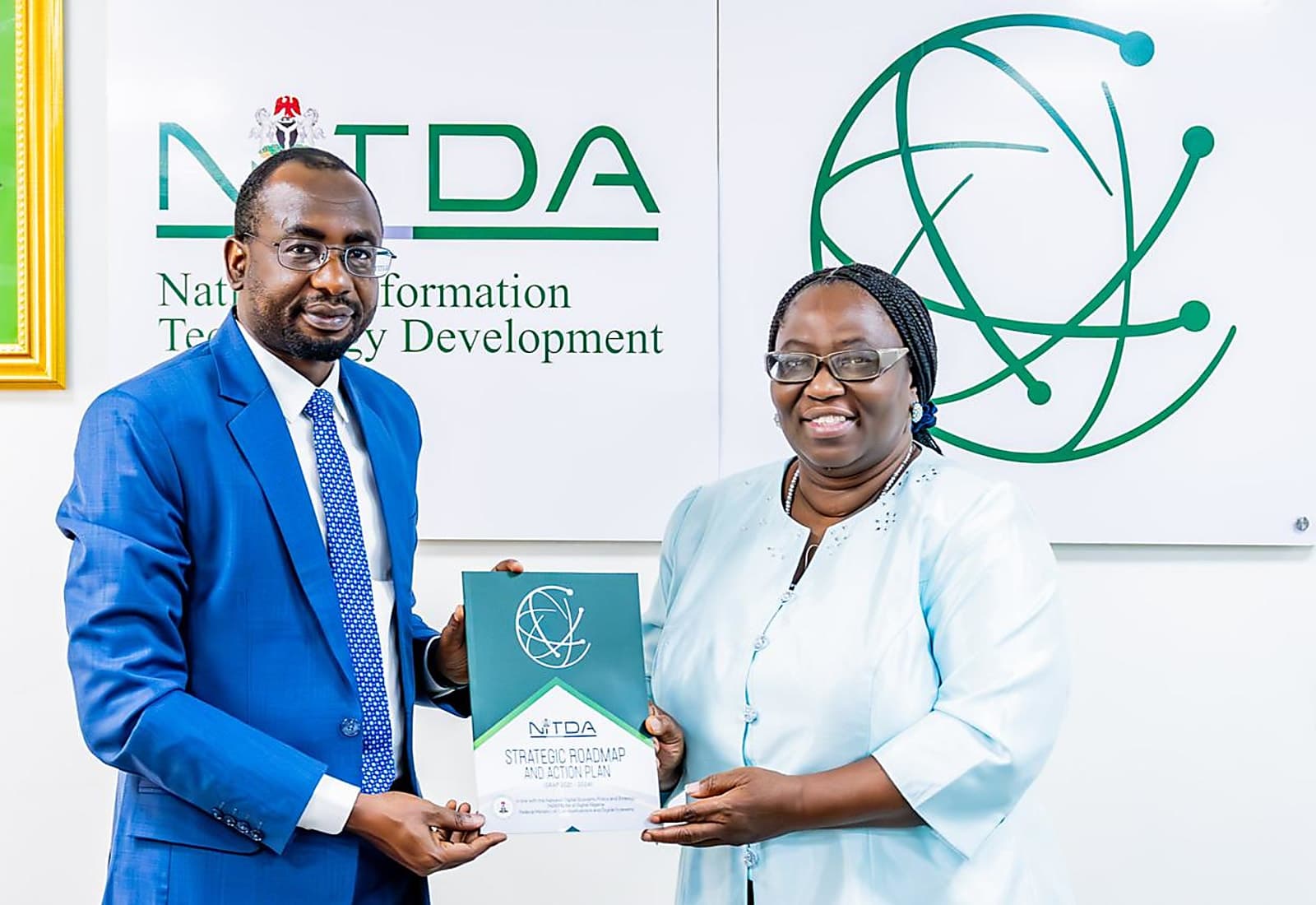
On Wednesday, 13 May 2026, Nigeria's National Information Technology Development Agency signed a strategic partnership with the International Data Center Authority to build what they are calling the Nigeria Digital Triangle: a network of large-scale, AI-powered data centres designed to serve as the backbone of Nigeria's digital economy.
The agreement was announced in Abuja. The language was ambitious. The timeline is three years. And the questions it raises are worth taking seriously.
Nigeria has announced digital transformation initiatives before. Some delivered. Many did not. This one is different in scope, in structure, and in the international partnerships behind it. Whether it lives up to its promise is a separate question. But understanding what is being proposed, and why it matters, is the right place to start.
What Is the Nigeria Digital Triangle?
The Nigeria Digital Triangle, referred to throughout the initiative as the NDT, is the physical centrepiece of the NITDA-IDCA partnership. It is a network of strategically located hyperscale, AI-enabled data centre clusters intended to host cloud computing workloads, enterprise operations, and digital services across the country.
Think of it as the power grid equivalent for Nigeria's digital economy. Just as electricity infrastructure makes physical industry possible, data centre infrastructure makes the digital economy possible. Without sufficient, reliable, locally controlled data infrastructure, Nigeria's technology sector depends on servers physically located in other countries, often in Europe or the United States, with the cost, latency, and data sovereignty implications that come with that dependency.
The Nigeria Digital Triangle is designed to change that by building the infrastructure domestically.
The programme is built around four integrated pillars:
- A national digital economy masterplan with clearly defined and measurable milestones
- Hyperscale infrastructure development through interconnected digital hubs
- National digital standards aligned with international best practices
- A structured education and workforce development system to build local technical capacity sustainably

Who Are the Partners?
NITDA, the National Information Technology Development Agency, is Nigeria's primary federal agency for information technology development and regulation. It sits under the Ministry of Communications and Digital Economy and is led by Director General Kashifu Inuwa.
IDCA, the International Data Center Authority, describes itself as a global bipartisan digital economy think tank. It works with nations to develop AI policies, digital hubs, and digital economy frameworks through standardised approaches to infrastructure planning, design, and operation. It has worked across multiple continents on similar national digital infrastructure programmes.
The partnership also draws in members of the National Sovereign Cloud Initiative Technical Working Group, which has been developing Nigeria's sovereign cloud framework over a longer period. This is not a new idea being launched overnight. It is an existing policy framework being given a more structured execution vehicle.
Why Data Sovereignty Matters for Nigeria
One of the central concepts in this partnership is data sovereignty, and it is worth unpacking because it affects every Nigerian who uses a bank, a mobile app, a government service, or a hospital that stores records digitally.
When Nigerian data, health records, financial transactions, government databases, is processed and stored on servers in foreign countries, Nigeria loses a degree of control over that data. Foreign governments can, in certain circumstances, access data stored within their jurisdictions. And when the companies hosting Nigerian data face outages, pricing changes, or policy shifts, Nigerian users and institutions bear the consequences without having any say in the matter.
Building domestic data centres gives Nigeria the infrastructure to keep sensitive national data within its own borders. For a country of 220 million people generating an enormous volume of digital transactions daily, that is not a small thing. It is a foundational question of national security and economic sovereignty.
What This Could Mean for Nigerian Tech
For developers, startups, and technology companies operating out of Nigeria, locally hosted cloud infrastructure could change the economics of building digital products in several meaningful ways.
Lower latency is the most immediate practical benefit. When the server handling a user's request is located within the same country rather than thousands of kilometres away, applications respond faster. For fintech products, e-commerce platforms, and any service where milliseconds affect user experience, this matters.
Cost reduction is the second benefit. Nigerian companies currently pay for cloud services priced in US dollars from international providers. As local infrastructure develops, more competitive domestic pricing becomes possible, particularly for smaller startups that currently find international cloud pricing prohibitive.
Skills development is the third dimension. The NITDA-IDCA initiative explicitly includes a nationwide training and education framework to equip Nigerians with the expertise required to build, manage, and scale the country's growing data infrastructure. For Nigerian tech talent, this represents a potential pipeline of high-value, locally available careers that do not require emigration to access.
Solomon Edun, IDCA's Global Head of Strategic Services and Head of Europe and Africa, captured the ambition plainly: "The programme is designed to translate vision into measurable outcomes. By focusing on infrastructure deployment, investment attraction, and skills development, we are enabling a scalable and sustainable digital ecosystem."
The Honest Assessment: What to Watch
No credible analysis of this initiative can ignore the track record of government-led digital transformation programmes in Nigeria.
Nigeria has announced similar ambitions before. Connectivity targets have been set and missed. Digital economy strategies have been launched with fanfare and followed by years of limited implementation. The Broadband Plan of 2020, for instance, set targets that the country has not fully met six years later.
The NITDA-IDCA partnership has structural features that distinguish it from previous announcements. It is anchored on an existing sovereign cloud framework rather than starting from scratch. It has international institutional backing from IDCA, which has implemented similar programmes elsewhere. It includes regulatory standards development alongside physical infrastructure, which suggests a more integrated approach than past isolated announcements.
But three years is a long implementation timeline in Nigerian policy terms. Administrations change. Priorities shift. Budgets are revised. And the electricity infrastructure that would need to power a network of hyperscale data centres remains one of Nigeria's most persistent challenges.
Kashifu Inuwa has spoken candidly about the scale of what is required, describing digital infrastructure as foundational in the same way roads and power grids are foundational. That framing is accurate. It also implies that the same challenges that have slowed road and power grid development in Nigeria will need to be addressed for this initiative to succeed.
Common Misconceptions to Clear Up

"This means Nigeria will have its own version of AWS immediately." Not immediately. The three-year implementation timeline involves phased development with defined milestones. The Nigeria Digital Triangle is a long-term infrastructure project, not a service that launches overnight.
"This only benefits big tech companies." The workforce development component is specifically designed to benefit individual Nigerians, particularly those seeking to build careers in data management, cloud operations, AI development, and digital infrastructure maintenance. Startups and SMEs also benefit from lower-cost, lower-latency local hosting options over time.
"The government has announced this kind of thing before and nothing happened." Some previous initiatives did stall. But this one has a more structured execution framework, international partners with accountability mechanisms, and is anchored on existing policy groundwork rather than starting from a blank page. Healthy scepticism is warranted. Dismissal based solely on past failures would miss what is genuinely different about this approach.
Conclusion
The NITDA-IDCA Nigeria Digital Triangle partnership is the most structured attempt Nigeria has made to build sovereign digital infrastructure at scale. It addresses real gaps: data sovereignty, cloud infrastructure, local talent development, and regulatory standardisation. It has credible international backing. And it arrives at a moment when the global AI infrastructure race is accelerating, giving Nigeria a window to position itself as Africa's digital hub before that window narrows.
Whether the ambition translates into execution depends on factors that press conferences cannot guarantee: consistent funding, political continuity, power supply, and the institutional discipline to follow through on a three-year plan with measurable outcomes.
Nigeria has everything it needs to lead Africa's digital economy. The Nigeria Digital Triangle is a serious attempt to build the foundation for that leadership.
The plan exists. The partnership is signed. What Nigeria does next is what will actually matter.
No comments yet. Be the first to spark the conversation.