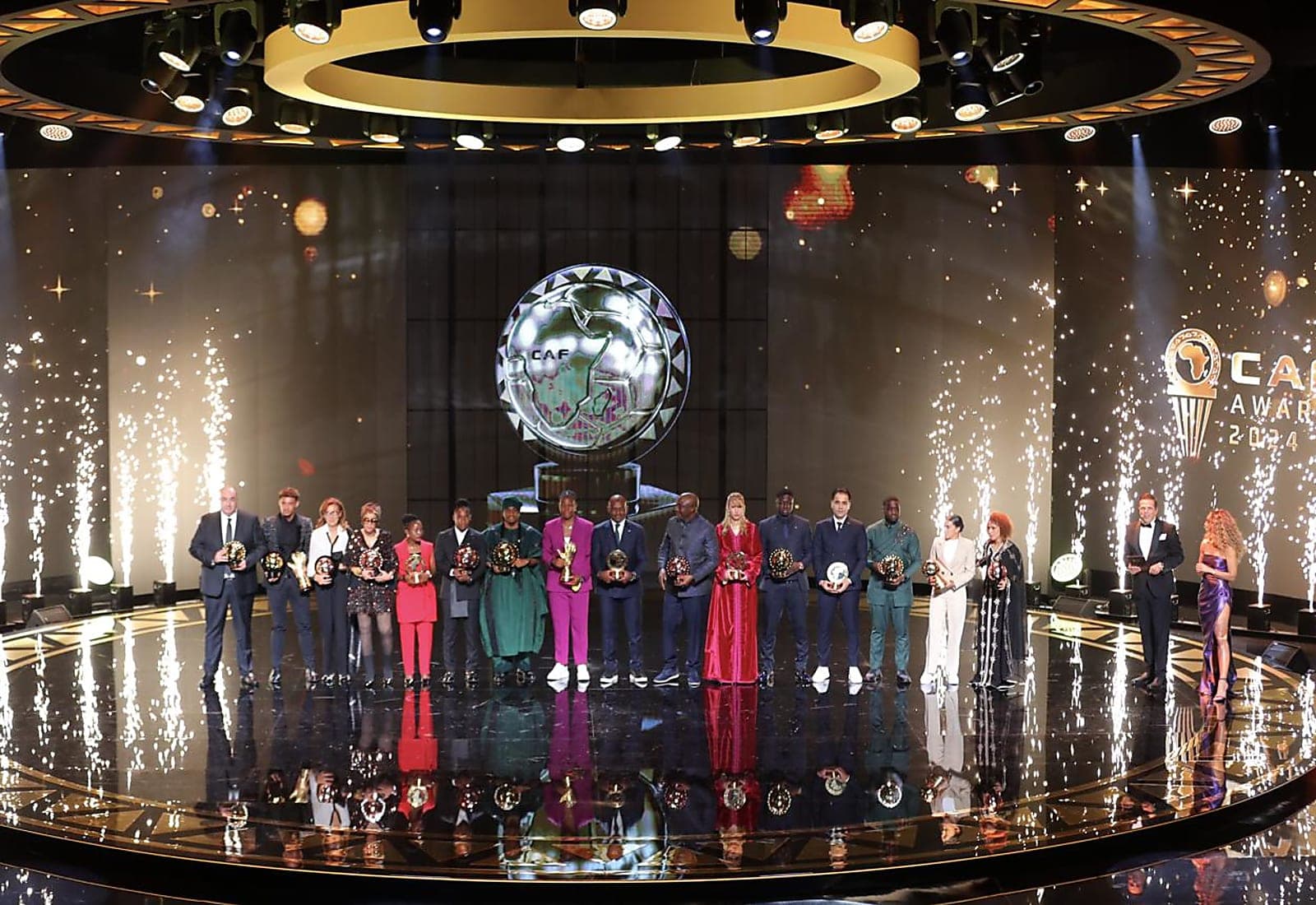
For the first time since 2017, Nigeria is coming back to centre stage in African football. Not just as a participant, but as the host.
President Bola Tinubu has officially approved Nigeria's bid to host both the 2026 CAF Awards ceremony and the 48th CAF Ordinary General Assembly. The announcement came on Tuesday during the Africa Forward Summit in Nairobi, following a high-level meeting between Tinubu and CAF President Patrice Motsepe.
It is a significant moment. And for anyone who follows African football closely, it raises some important questions: What does hosting the CAF Awards actually involve? What does Nigeria gain from it? And what does this mean for the Super Eagles, Nigerian players, and football on the continent?
This article breaks it all down.
Background: What Are the CAF Awards?
The CAF Awards is African football's biggest annual night. Think of it as the African equivalent of the Ballon d'Or ceremony. Every year, the Confederation of African Football gathers the continent's top players, coaches, administrators, and football officials under one roof to celebrate excellence across men's and women's football.
Categories include African Men's Player of the Year, Women's Player of the Year, Young Player of the Year, Goalkeeper of the Year, Coach of the Year, and National Team of the Year, among others.
The most recent CAF Awards ceremony took place in Rabat, Morocco, on 19 November 2025, with Morocco dominating several major categories. Achraf Hakimi succeeded Ademola Lookman as African Men's Player of the Year after helping Paris Saint-Germain win the UEFA Champions League and Ligue 1 title.
Nigeria, to its credit, was not shut out. Chiamaka Nnadozie retained the Goalkeeper of the Year award, while Nigeria's women's national team won Women's National Team of the Year.
How the Deal Was Done
The approval came during the ongoing Africa Forward Summit in Nairobi, Kenya, following a meeting between Tinubu and CAF President Patrice Motsepe. Nigeria's Minister of Foreign Affairs, Bianca Odumegwu-Ojukwu; NFF President Ibrahim Gusau; former NFF President and Special Adviser to the CAF President Amaju Pinnick; as well as CAF Acting General Secretary Samson Adamu were all present at the meeting.
This was not a casual conversation. The level of representation, from the presidency to the foreign ministry to the NFF leadership, signals that Nigeria is treating this as a serious national commitment rather than a routine administrative approval.
The 48th CAF Ordinary General Assembly will take place in October 2026 in Abuja, bringing together leaders from CAF's 54 member associations and senior officials from across African football. The 2026 CAF Awards ceremony is scheduled for December 2026 in Lagos.
Nigeria's History With the CAF Awards
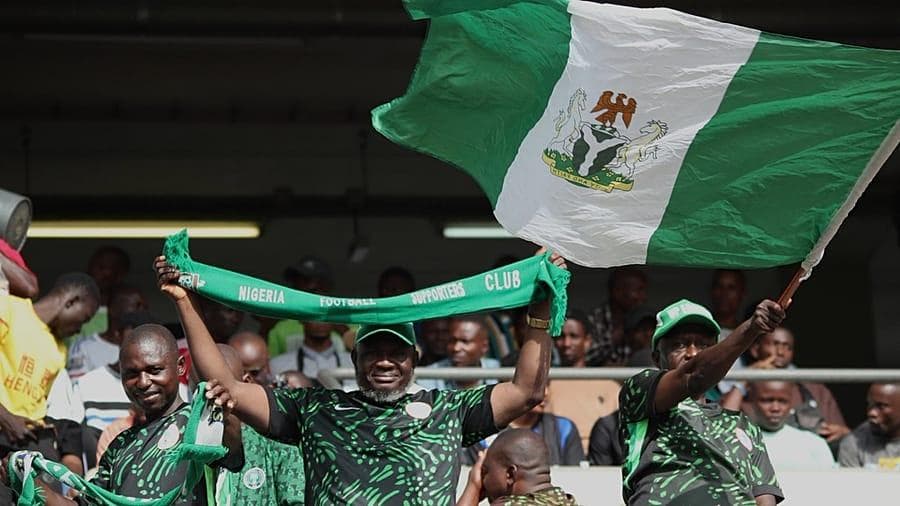
Nigeria is no stranger to hosting this event. Nigeria previously hosted the awards in 2008, 2013, 2015, and 2017 in cities such as Abuja and Lagos.
The 2015 ceremony held at the Eko Hotel Convention Centre in Lagos marked the beginning of Asisat Oshoala's dominance in African women's football, as the Nigerian forward won her first Women's Player of the Year award on home soil before going on to claim a record six titles.
Nigeria last hosted the award gala in January 2017, when Algeria's Riyad Mahrez won the men's best player award, while Nigeria's Asisat Oshoala won the women's prize.
So there is precedent. Nigeria knows how to host this event. The question is whether the execution in 2026 will match the ambition of the announcement.
What Nigeria Stands to Gain
Hosting the CAF Awards is not just about prestige. There are real, measurable benefits at stake.
International visibility: Delegations, journalists, and football administrators from across Africa's 54 member associations will converge in Nigeria. The continent's football spotlight turns directly to Lagos and Abuja, with global broadcast coverage.
Tourism and commercial activity: Both events are expected to bring major international visibility, tourism, and commercial activity to Nigeria, especially with delegations and media expected from across the continent. Hotels, airlines, hospitality businesses, and event vendors all benefit from an influx of high-profile visitors.
Diplomatic leverage: The meeting between Tinubu and Motsepe focused on Nigeria's growing role in African football administration and its readiness to host major continental events. Hosting the General Assembly gives Nigeria a direct seat at the table when African football's most important policy decisions are made.
National morale: Football is deeply emotional in Nigeria. Hosting Africa's biggest football celebration at home, with Nigerian players potentially picking up awards on home soil, carries a significance that goes well beyond sport.
What to Watch Between Now and December
Several storylines will build between now and the December ceremony in Lagos.
Victor Osimhen's season: The Galatasaray striker has been one of the most dangerous forwards in Europe this season. If he finishes strongly, he will be firmly in contention for the men's award. Winning on home soil in Lagos would be a memorable moment.
The host city preparation: Lagos hosting the awards ceremony while Abuja handles the General Assembly means two cities need to be ready. Venue selection, logistics, security arrangements, and broadcast infrastructure all require early planning.
Morocco's response: Morocco hosted the CAF Awards for four consecutive years, from 2022 through 2025. The return of the event to Nigeria ends a long run of ceremonies held exclusively in Morocco. Expect some competitive energy in how each country presents itself on the continental stage.
Common Misconceptions
"CAF has confirmed Lagos and Abuja as venues." Not entirely accurate. CAF is expected to make a final decision on the host city for both events soon. Tinubu's approval is the Nigerian government's green light, not the final CAF confirmation.
"Nigeria has never hosted the CAF Awards before 2026." Nigeria has hosted it five times previously. This is a return, not a debut.
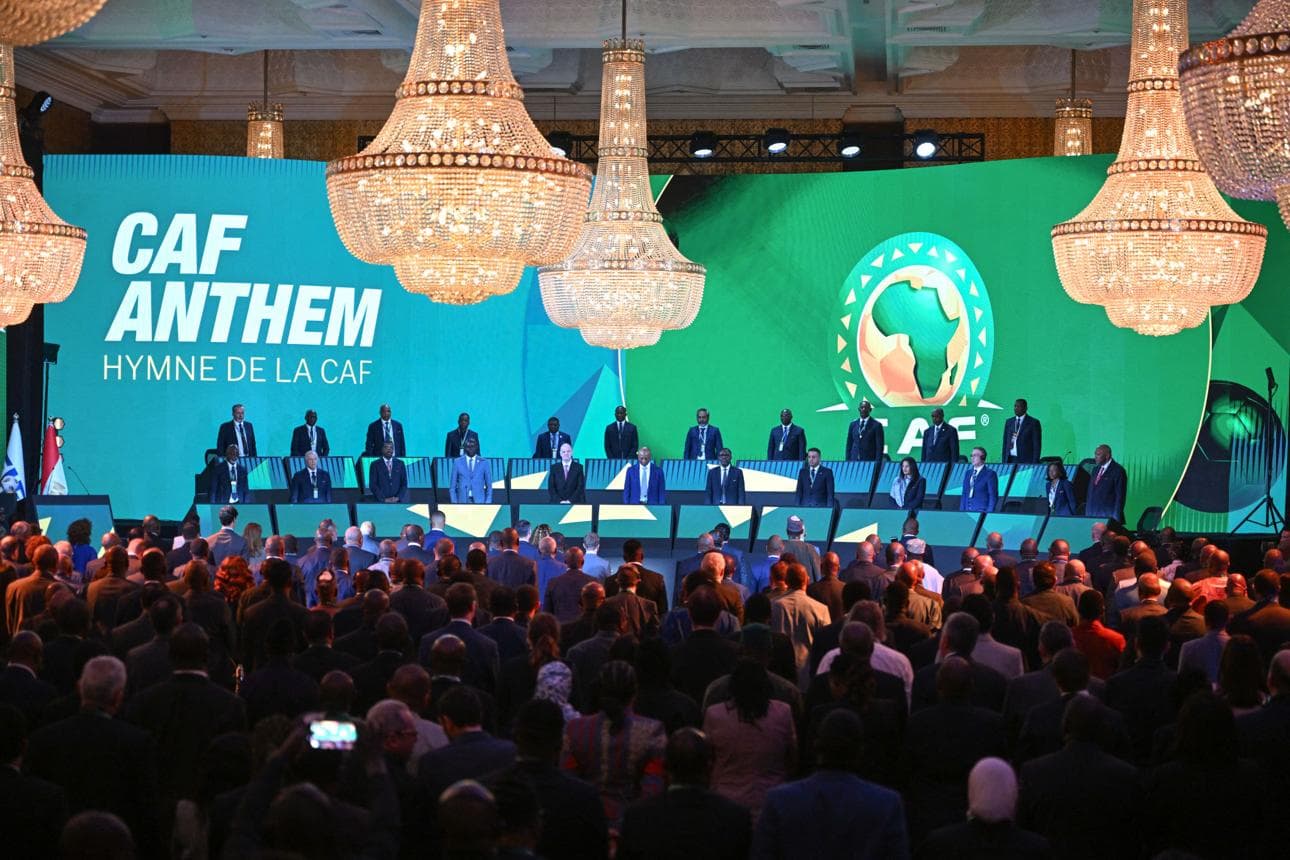
"The CAF General Assembly is just a formality." It is anything but. The General Assembly is where African football's governance decisions are made, rules are amended, and leadership positions are contested. Hosting it gives Nigeria real influence in those conversations.
Expert Take: Why the Timing Matters
Nigeria's football has been at a complicated crossroads. The Super Eagles' recent performances have been inconsistent. Domestic football continues to struggle with infrastructure and attendance challenges. Against that backdrop, hosting two of Africa's most important football events sends a message: Nigeria remains a serious football nation with the institutional capacity to lead on the continent.
The real test is delivery. Announcements are easy. What Nigerian football fans, and African football as a whole, need to see is a well-organised, well-resourced, memorable ceremony that reflects the best of what Nigeria can offer.
Conclusion
Nigeria hosting the 2026 CAF Awards is genuinely good news, for football, for the country's image, and for the opportunity it creates. A December night in Lagos, filled with Africa's best players and the roar of a Nigerian crowd, has the potential to be one of the most memorable CAF Awards in years.
But potential only becomes reality through preparation. The next few months will show whether this announcement was the beginning of something special or another bold commitment that fell short of execution.
Nigeria has hosted this before and done it well. The goal now is to raise the bar.
Nigeria to Host the 2026 CAF Awards in a Major Boost for African Football Visibility matters because major sports stories rarely stay confined to a single match or quote. They often influence fan expectations, club momentum, tournament narratives, and the wider culture of how the sport is followed in Nigeria and beyond.
The next meaningful updates around Nigeria to Host the 2026 CAF Awards in a Major Boost for African Football Visibility will usually come from official statements, confirmed follow-up reporting, and the practical response of the people or institutions involved. Readers should watch for what changes after the first reactions, not just the first reactions themselves.
What is this sports article about?
Nigeria will host the 2026 CAF Awards and the 48th CAF General Assembly. Here is what happened, why it matters, and what Nigeria stands to gain.
Why does this story matter?
Nigeria to Host the 2026 CAF Awards in a Major Boost for African Football Visibility matters because major sports stories rarely stay confined to a single match or quote. They often influence fan expectations, club momentum, tournament narratives, and the wider culture of how the sport is followed in Nigeria and beyond.
When was this article published or updated?
It was published on 13 May 2026 and last updated on 15 July 2026.
Does this page include source references?
Not yet. This page currently relies on the published article body and available editorial context.
Where can readers find related Century Blog coverage?
Readers can continue with related coverage in the same topic area, including England Clinch Group C at World Cup 2026 After Bellingham and Kane Sink Panama and Potential Justin Jefferson‑Kirk Cousins Reunion Highlights the NFL's Expanding Footprint in Nigeria.
No comments yet. Be the first to spark the conversation.