
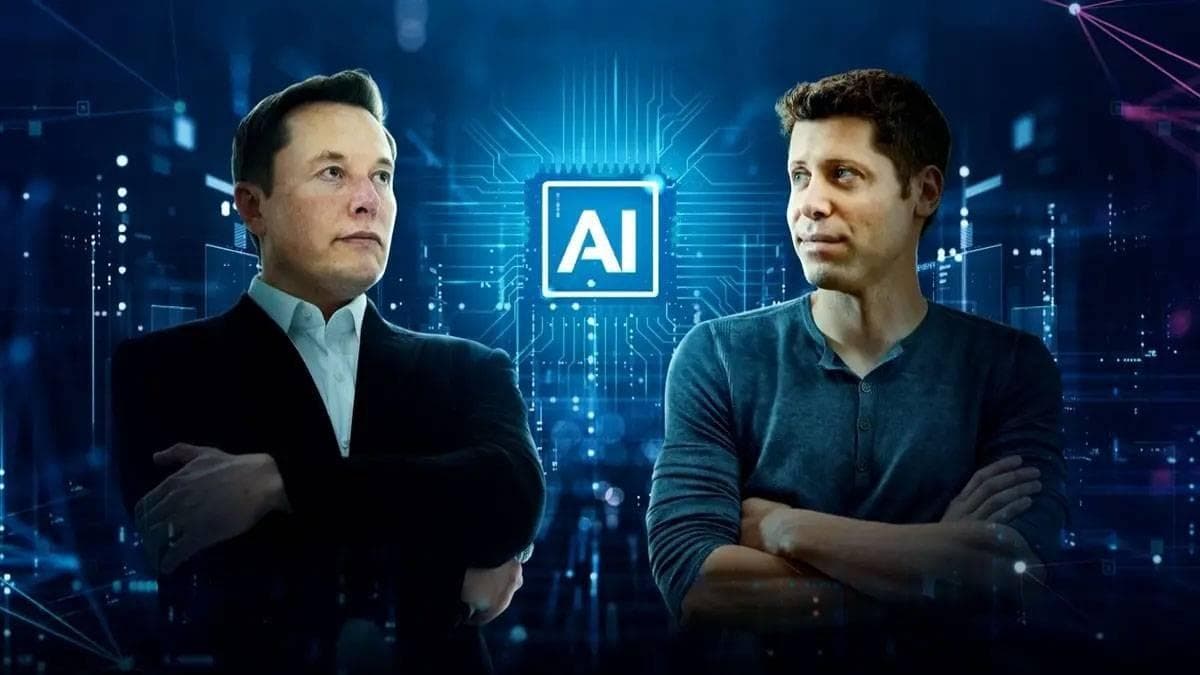
The long-running legal battle between Elon Musk and OpenAI is approaching a major verdict week, with the outcome potentially reshaping AI regulation, corporate power, and the future of artificial intelligence.
One of the most important legal battles in modern technology is approaching a critical moment.
The courtroom fight involving Elon Musk, OpenAI, and CEO Sam Altman is now entering verdict week, and the consequences could stretch far beyond Silicon Valley.
Because this was never just another billionaire dispute.
At its core, the case represents a much deeper argument about:
- who controls artificial intelligence,
- whether AI should prioritise profit or humanity,
- how powerful technology companies should become,
- and whether society is moving too quickly into an AI-driven future without proper safeguards.
For months, the trial has exposed extraordinary tensions involving:
- money,
- ideology,
- corporate influence,
- technological power,
- and the future direction of civilisation itself.
Now, the entire tech industry is watching what happens next.
Why Musk and OpenAI Went to War
The conflict feels unusually dramatic because Elon Musk was originally one of OpenAI's co-founders.
In OpenAI's early years, the organisation publicly positioned itself as a mission-driven research company focused on:
- AI safety,
- open collaboration,
- and developing artificial intelligence for humanity's benefit rather than private corporate dominance.
Over time, however, OpenAI evolved into something very different.
The company entered major commercial partnerships, especially with Microsoft, and transformed into one of the world's most powerful AI businesses.
Musk eventually became one of OpenAI's loudest critics.
He argued the organisation abandoned its original mission and evolved into:
- a profit-driven technology giant,
- increasingly secretive,
- and dangerously powerful.
That disagreement eventually exploded into legal warfare.
Why the Verdict Matters So Much
The verdict matters because artificial intelligence is no longer just another technology industry.
AI increasingly influences:
- education,
- healthcare,
- warfare,
- media,
- software,
- finance,
- politics,
- and global economic competition.
The organisations controlling advanced AI systems may eventually hold extraordinary influence over:
- information,
- labour,
- communication,
- and even political power.
That reality makes the OpenAI case feel historically significant.
The outcome could influence:
- corporate governance,
- AI transparency,
- investor confidence,
- regulatory pressure,
- and public trust across the entire industry.
Musk's Core Argument
Musk's broader criticism has always gone beyond legal details alone.
He repeatedly warned that advanced artificial intelligence could become dangerous if concentrated inside a small number of:
- corporations,
- governments,
- or elite technology groups.
He also argued OpenAI moved too far away from its original "open" philosophy.
For Musk and many supporters, the case symbolises fear that humanity may lose democratic control over increasingly powerful AI systems.
Some AI researchers and technology critics share parts of those concerns.
Others believe Musk's rhetoric exaggerates risks or reflects competitive business rivalry.
Either way, the trial forced major public discussion around AI power itself.
Sam Altman Became the Face of the AI Era
While Musk represents technological caution and disruption, Sam Altman increasingly became the public face of mainstream AI acceleration.
Under Altman, OpenAI evolved from a research-focused organisation into:
- one of the world's most influential technology companies,
- a global AI leader,
- and a major commercial force shaping the future of digital work.
Supporters argue Altman helped bring transformative AI tools into mainstream society rapidly.
Critics, however, worry OpenAI now possesses:
- too much influence,
- too little transparency,
- and too much commercial incentive.
The verdict therefore also affects Altman's long-term position as one of technology's most powerful executives.
Microsoft's Shadow Is Everywhere
Another reason the trial matters is Microsoft's enormous involvement with OpenAI.
The partnership gave OpenAI access to:
- massive computing infrastructure,
- cloud systems,
- investment capital,
- and enterprise distribution globally.
Critics argue this relationship transformed OpenAI into something much closer to a traditional corporate empire than the non-profit-inspired vision originally presented publicly.
Supporters counter that advanced AI development now requires such enormous resources that large partnerships became unavoidable.
Either way, the case intensified scrutiny around how concentrated AI power is becoming.
The AI Industry Is Already Changing Quietly
Regardless of the verdict itself, the trial already influenced public perception significantly.
Governments worldwide are increasingly discussing:
- AI regulation,
- transparency rules,
- copyright,
- misinformation,
- labour disruption,
- and safety oversight.
Meanwhile, companies across industries are racing aggressively to integrate AI into:
- customer service,
- software,
- healthcare,
- education,
- media,
- and workplace automation.
The legal battle therefore arrives during a moment where AI already feels both:
- exciting,
- and frightening simultaneously.
Why Ordinary People Should Care
Many people still assume AI legal disputes mainly concern billionaires and technology executives.
That assumption may become increasingly dangerous.
Artificial intelligence is already reshaping:
- jobs,
- education,
- internet search,
- creativity,
- communication,
- and workplace structure.
The systems being built today could eventually influence how billions of people:
- learn,
- work,
- consume information,
- and make decisions daily.
The deeper question behind the trial is therefore societal.
Who should shape technologies becoming powerful enough to reshape civilisation itself?
AI Safety Became a Global Political Issue
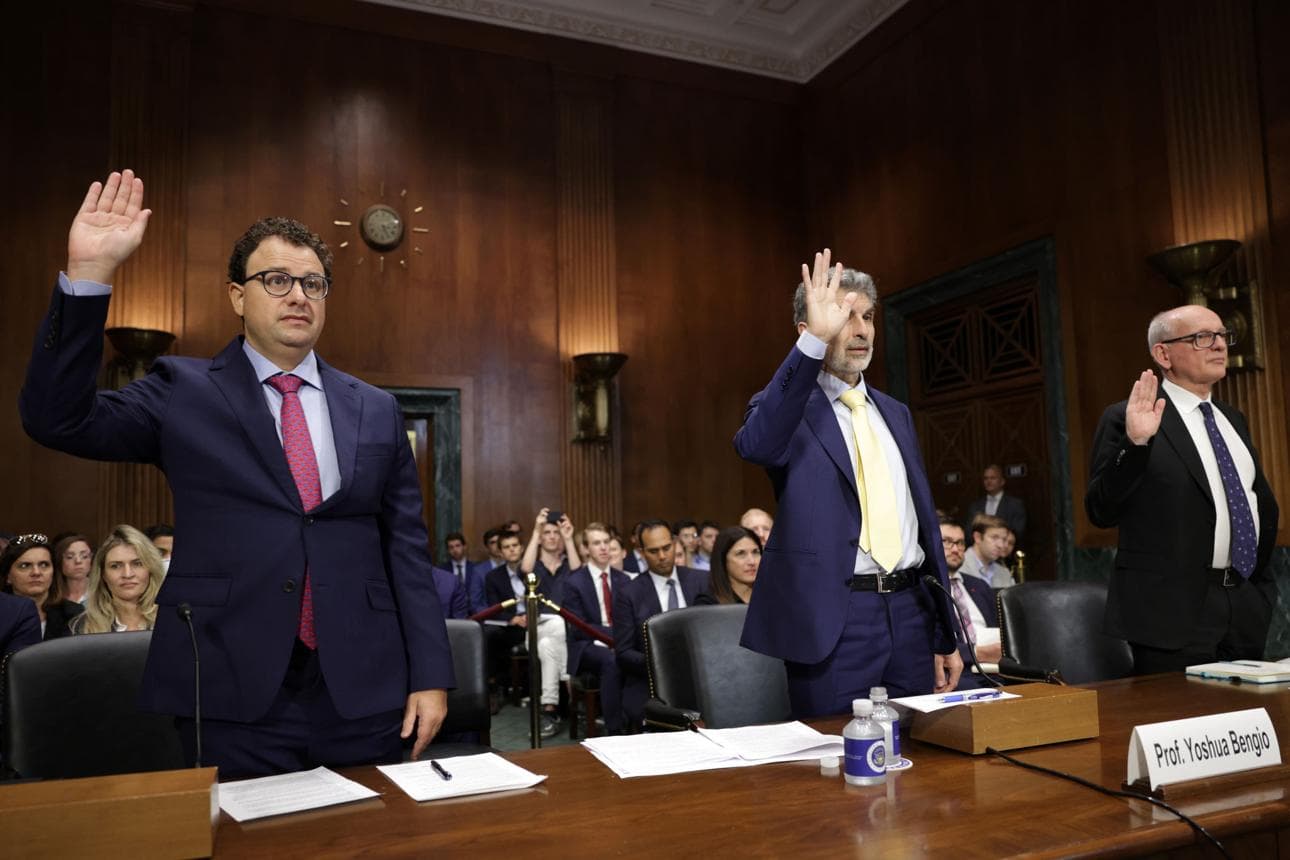
One major consequence of the case is that AI safety discussions are no longer niche academic debates.
Governments now increasingly view advanced AI as connected to:
- national security,
- economic competition,
- military strategy,
- and geopolitical power.
The trial helped expose how deeply political artificial intelligence has already become.
Countries increasingly fear falling behind rivals in the AI race.
That fear encourages faster development even while safety concerns grow.
The Public Is Becoming More Skeptical
Another important shift is growing public skepticism around large technology companies generally.
After years of:
- social-media controversies,
- privacy scandals,
- misinformation crises,
- and data concerns,
many people no longer automatically trust technology corporations to regulate themselves responsibly.
The OpenAI case therefore resonates emotionally because it touches broader fears involving:
- corporate power,
- transparency,
- accountability,
- and democratic oversight.
What Happens if OpenAI Wins
If OpenAI secures a strong legal victory, it may strengthen:
- investor confidence,
- commercial partnerships,
- and the company's leadership position globally.
It could also reinforce the current direction of large-scale corporate AI development.
What Happens if Musk Wins
A major Musk victory could intensify pressure around:
- transparency,
- governance,
- non-profit commitments,
- and AI accountability.
It could also trigger broader regulatory and structural scrutiny across the industry.
Final Analysis
The Musk vs Altman trial matters because it represents humanity arguing publicly about how artificial intelligence should evolve before the technology becomes even more powerful.
This is not simply a courtroom dispute.
It is a struggle involving:
- power,
- ethics,
- money,
- ideology,
- and the future structure of technological civilisation itself.
And whatever verdict arrives this week, one reality is already clear.
Artificial intelligence is no longer just shaping the future.
It is becoming one of the central battles defining it.
OpenAI Trial Verdict Week: Musk vs Altman Decision Could Reshape the Future of Artificial Intelligence matters because technology stories become meaningful only when readers understand adoption, access, regulation, and who benefits in practice. That bigger context is what turns a product update or platform shift into something genuinely relevant.
The next meaningful updates around OpenAI Trial Verdict Week: Musk vs Altman Decision Could Reshape the Future of Artificial Intelligence will usually come from official statements, confirmed follow-up reporting, and the practical response of the people or institutions involved. Readers should watch for what changes after the first reactions, not just the first reactions themselves.
What is this technology article about?
The long-running legal battle between Elon Musk and OpenAI is approaching a major verdict week, with the outcome potentially reshaping AI regulation, corporate power, and the future of artificial intelligence.
Why does this story matter?
OpenAI Trial Verdict Week: Musk vs Altman Decision Could Reshape the Future of Artificial Intelligence matters because technology stories become meaningful only when readers understand adoption, access, regulation, and who benefits in practice. That bigger context is what turns a product update or platform shift into something genuinely relevant.
When was this article published or updated?
It was published on 22 May 2026.
Does this page include source references?
Yes. Source links or source details are shown on this page.
Where can readers find related Century Blog coverage?
Readers can continue with related coverage in the same topic area, including How to Spot Fake Screenshots, Edited Posts, and Misleading Viral Claims Online and How to Clean Up Photos, Storage, and Backups Before You Upgrade Your Phone.
No comments yet. Be the first to spark the conversation.