Introduction
The recent school abduction in Oyo State has pushed traditional rulers to publicly demand a federal military base in the Ogbomosoland zone. For residents of the South‑West, the appeal marks a watershed moment: when custodians of custom call for armed intervention, the sense of security that once seemed assured is clearly eroding. This article unpacks why the monarchs' request matters, how it fits into Nigeria's broader security landscape, and what it could mean for policymakers, businesses and ordinary citizens.
Executive summary
- Oyo State monarchs have formally asked the federal government to establish a military base in the Ogbomosoland zone following a school abduction.
- The appeal reflects growing anxiety across the South‑West, where kidnappings, armed attacks and highway crimes are increasingly reported.
- Traditional rulers remain influential community voices; their public demand signals a shift from private lobbying to open advocacy.
- Nigeria's security forces are already stretched across multiple fronts, raising questions about resource allocation and the feasibility of a new military installation.
- The development carries economic, social and political implications for Nigeria and offers a case study for other African nations confronting similar rural insecurity.
Table of contents
- Why this story matters
- Context and background
- What happened
- Key facts readers should know
- Why this matters for Nigeria
- Wider African and global context
- Expert insight and practical implications
- What readers should watch next
- Frequently asked questions
- Conclusion
Why this story matters
The call for a military base is not merely a local grievance; it is a barometer of public confidence in state security. When monarchs-who traditionally mediate disputes, preserve cultural heritage and act as the first point of contact for community concerns-step into the national security debate, they amplify the perception that policing alone is insufficient. Their demand underscores three inter‑linked trends:
- Geographic spread of insecurity - Crimes once confined to the North‑East, North‑West and parts of the Middle Belt are now surfacing in the South‑West, a region historically viewed as relatively safe.
- Erosion of trust in civilian security agencies - Residents increasingly view the military as a more credible deterrent, especially in rural and semi‑urban zones where police presence is thin.
- Potential policy shift - A federal decision to locate a base could set a precedent for other states, reshaping Nigeria's security architecture.
Context and background
Nigeria's security environment has been characterised by a multiplicity of threats: insurgency in the North‑East, banditry in the North‑West, communal clashes in the Middle Belt and, more recently, a surge in kidnapping and highway robbery across the South‑West. Traditional institutions have long played a quiet role in security, often liaising behind closed doors with state officials. Over the past few years, however, the pace of criminal activity has outstripped the capacity of local police, prompting rulers to speak more openly.
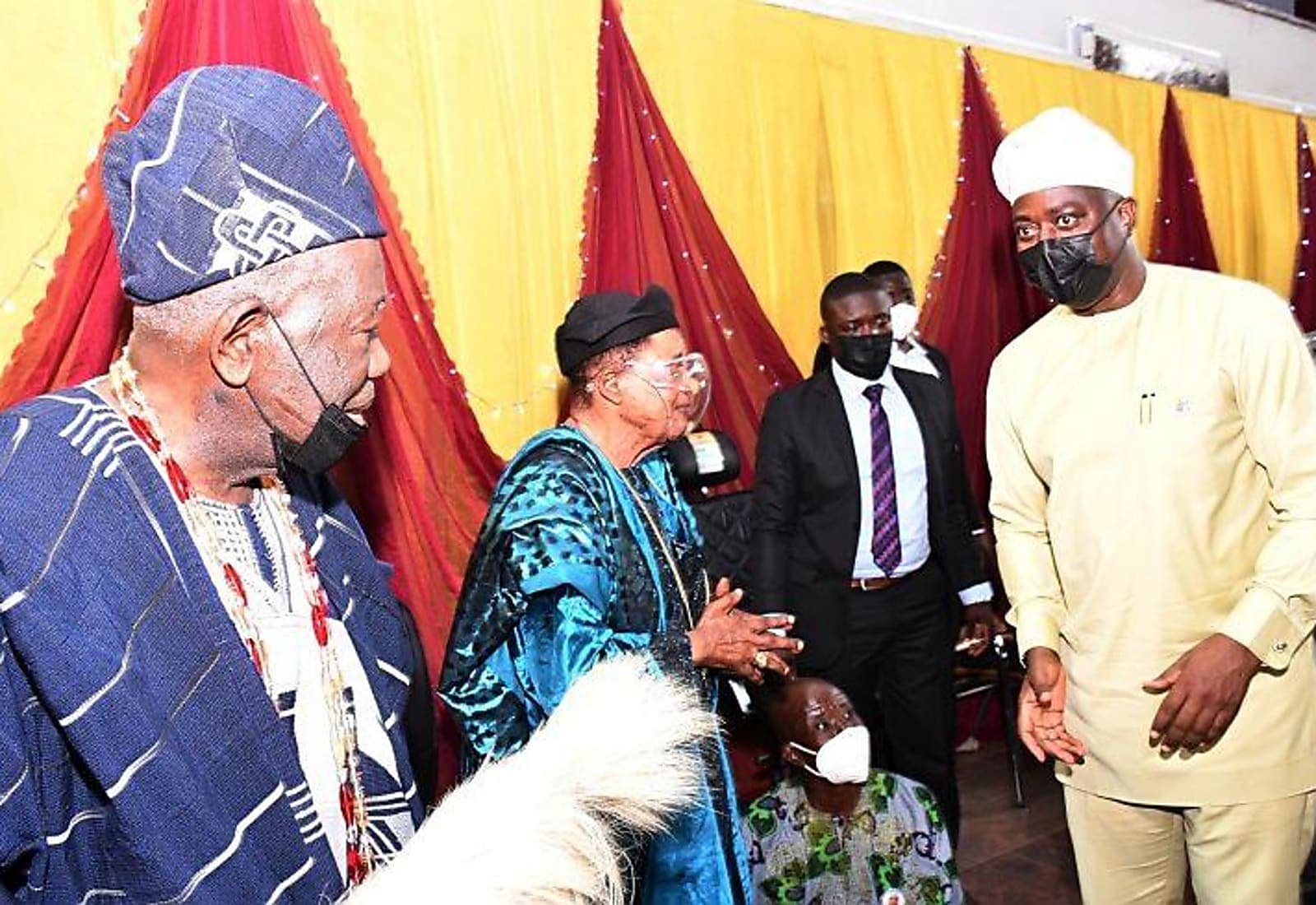
In Oyo State, the Ogbomosoland zone comprises a mix of agricultural towns, market centres and secondary schools. The area has historically benefitted from relative stability, which supported modest economic growth and a thriving farming sector. The recent school abduction shattered that perception, prompting the Alaafin of Oyo and other senior monarchs to convene an emergency council of traditional leaders. Their collective resolution-calling for a permanent military presence-reflects a growing consensus that community safety now hinges on visible, rapid‑response forces.
What happened
The catalyst for the monarchs' appeal was a coordinated kidnapping at a secondary school in the Ogbomosoland zone. Armed men entered the campus, seized several students and fled along a nearby highway. While the exact number of victims has not been disclosed, the incident sparked immediate outrage among parents, teachers and local officials. Within days, the Oyo traditional council issued a formal communiqué addressed to the President, the Minister of Defence and the Governor of Oyo State, urging the establishment of a dedicated military base to:
- Provide rapid response capabilities in the event of further abductions.
- Deter armed groups from using the region's forested and agricultural corridors as hide‑outs.
- Reassure residents that the federal government recognises the severity of the threat.
The appeal was widely reported in national newspapers, including Punch, and quickly amplified on social media, where community members shared videos and eyewitness accounts of the abduction.
Key facts readers should know
- Location: Ogbomosoland zone, Oyo State, South‑West Nigeria.
- Trigger event: Recent school abduction involving armed kidnappers.
- Demand: Federal military base to enhance rapid response and deterrence.
- Traditional rulers' role: Serve as mediators, moral voices and direct representatives of local concerns.
- Security landscape: Nigeria's armed forces are concurrently engaged in counter‑insurgency, separatist tensions, organised crime, oil theft and border security.
- Public sentiment: Growing perception that police resources are inadequate for rural and semi‑urban threats.
- Economic impact: Insecurity hampers farming activities, disrupts market logistics and raises living costs.
Why this matters for Nigeria
The Oyo monarchs' request touches on several national priorities:
- Resource allocation - The federal defence budget must balance counter‑insurgency operations in the North‑East with emerging threats in the South‑West. A new base would require personnel, equipment and logistical support, potentially diverting assets from other fronts.
- Civil‑military relations - Deploying troops for domestic security raises questions about the appropriate role of the military in a democratic society. While the constitution permits military assistance to civil authorities, prolonged deployments can blur the line between defence and policing.
- Political accountability - State and federal leaders will be judged on their response speed. A delayed or dismissive reaction could fuel further public discontent and erode confidence in elected officials.
- Economic stability - Rural economies, especially agriculture‑dependent communities, are highly sensitive to security shocks. Persistent kidnappings deter farmers from accessing fields, threaten food supply chains and can contribute to inflationary pressures.
Wider African and global context
Nigeria is not alone in grappling with the spill‑over of urban‑centred crime into rural heartlands. Across West Africa, countries such as Ghana and Côte d'Ivoire have reported a rise in school kidnappings and highway robberies, prompting calls for stronger military involvement. In East Africa, Kenya's deployment of additional troops to the northern border after a series of cross‑border raids mirrors Nigeria's dilemma of balancing external threats with internal stability.
Globally, the trend of traditional or tribal leaders entering security debates is observable in nations where state capacity is stretched. In India's northeastern states, for example, local chieftains have publicly urged central forces to establish forward operating bases after a surge in insurgent activity. These parallels suggest a broader pattern: when community institutions perceive a security vacuum, they seek direct state intervention.
Expert insight and practical implications
Security analysts stress that a military base alone will not resolve the underlying drivers of insecurity. Dr Adaeze Okafor, a senior fellow at the Nigerian Institute of Strategic Studies, notes:
"A visible military presence can deter opportunistic attacks, but sustainable safety requires intelligence‑led policing, community engagement and socio‑economic development."
Practical steps that could complement a base include:
- Joint task forces - Integrating army units with state police and local vigilante groups to share intelligence and coordinate raids.
- Community liaison offices - Establishing permanent channels for residents to report threats directly to military commanders.
- Rapid‑reaction teams - Deploying specialised units capable of reaching remote villages within hours of an incident.
- Capacity‑building for police - Providing additional training, vehicles and communication equipment to civilian law‑enforcement agencies.
For businesses operating in Oyo State, the development signals a need to reassess risk management protocols. Companies may consider revising travel policies, investing in secure transport, and engaging with local leaders to stay informed about emerging threats.
What readers should watch next
- Federal response: Whether the Ministry of Defence announces a feasibility study or allocates funds for a new base.
- State‑level actions: Potential deployment of additional police units or the formation of a joint security task force.
- Community mobilisation: Follow‑up statements from other traditional councils in the South‑West, indicating whether Oyo's appeal sparks a regional movement.
- Legislative debate: Parliamentary discussions on the legal framework governing military involvement in internal security.
- Security metrics: Changes in reported kidnapping incidents, highway robberies and farm attacks in the months ahead.
Frequently asked questions
What prompted the Oyo monarchs to request a military base?
The request followed a recent school abduction in the Ogbomosoland zone, which highlighted gaps in rapid response and deterrence capabilities.
How influential are traditional rulers in Nigeria's security decisions?
Traditional rulers wield considerable social and cultural influence, especially in rural areas. Their public statements often shape community expectations and can pressure elected officials to act.
Will a military base replace the police?
No. The military is intended to complement, not replace, civilian policing. Effective security typically involves coordinated efforts between the army, police and local vigilante groups.
What are the potential costs of establishing a new base?
While exact figures have not been disclosed, a base would require personnel, equipment, infrastructure and ongoing logistical support, all of which compete with existing defence priorities.
Could the deployment of troops affect civil liberties?
Extended military presence in civilian areas can raise concerns about human rights and the appropriate role of the armed forces. Oversight mechanisms are essential to safeguard civil liberties.
How does this situation compare to insecurity in other Nigerian regions?
Historically, the South‑West has experienced fewer large‑scale attacks than the North‑East or North‑West. The recent shift indicates a geographic spread of kidnapping and armed robbery.
What impact does insecurity have on agriculture in Oyo State?
Farmers are increasingly reluctant to travel to fields due to kidnapping risks, which can reduce crop yields, disrupt supply chains and contribute to higher food prices.
Are there examples of successful military‑police collaborations in Nigeria?
Joint operations in the Niger Delta, where the army and police have worked together to curb oil theft, demonstrate that coordinated efforts can yield tangible security gains.
How can ordinary citizens protect themselves?
Community vigilance, reporting suspicious activity to authorities, and adhering to travel advisories are practical steps. Engaging with local leaders for timely information also helps.
What role does social media play in shaping public perception of insecurity?
Social media rapidly disseminates videos and eyewitness accounts, amplifying fear but also raising awareness. It can prompt quicker official responses but may also spread misinformation.
Conclusion
The Oyo monarchs' appeal for a federal military base underscores a pivotal moment in Nigeria's security narrative. It reflects a growing consensus that traditional policing is insufficient to address the evolving threat landscape, especially in rural and semi‑urban zones. While a military installation could provide immediate deterrence and rapid response, lasting stability will depend on integrated strategies that combine intelligence, community partnership and socio‑economic development. As the federal government weighs its options, the eyes of the South‑West-and indeed the nation-remain fixed on Oyo State, awaiting a decisive answer to a demand that could reshape Nigeria's approach to internal security.
Sources
- Punch Newspapers, "School abduction: Oyo monarchs seek military base to curb insecurity", https://punchng.com/school-abduction-oyo-monarchs-seek-military-base-to-curb-insecurity/
In Nigeria, stories like Oyo Monarchs Seek Military Base to Curb Insecurity rarely stay confined to politics or headlines alone. They often shape public trust, institutional credibility, and the way citizens interpret wider national decisions.
That is why the next verified developments matter so much. Readers gain more by following how institutions respond and what changes in practice than by stopping at the first dramatic update.
A more durable reading of Oyo Monarchs Seek Military Base to Curb Insecurity also depends on watching what happens after the first burst of attention. Follow-up reporting, institutional response, and longer-term consequences are usually what distinguish a passing headline from a development with real meaning for readers, markets, public policy, or culture. That extra layer of context is where authority journalism becomes most useful.
Another way to understand Oyo Monarchs Seek Military Base to Curb Insecurity is to ask how it may shape public trust, institutional behaviour, and everyday expectations of government or civic leadership. In Nigeria, those effects often matter long after the first headline has faded.
Readers usually gain more when they follow implementation, enforcement, and accountability instead of stopping at speeches, denials, or first reactions.
Authority journalism also looks for the practical test after the announcement: what changes in policy, what changes in conduct, and what changes for citizens. That follow-through is often the difference between symbolic drama and meaningful national impact.
The next verified developments around ${title} will therefore matter more than the volume of early political commentary.
No comments yet. Be the first to spark the conversation.