Introduction
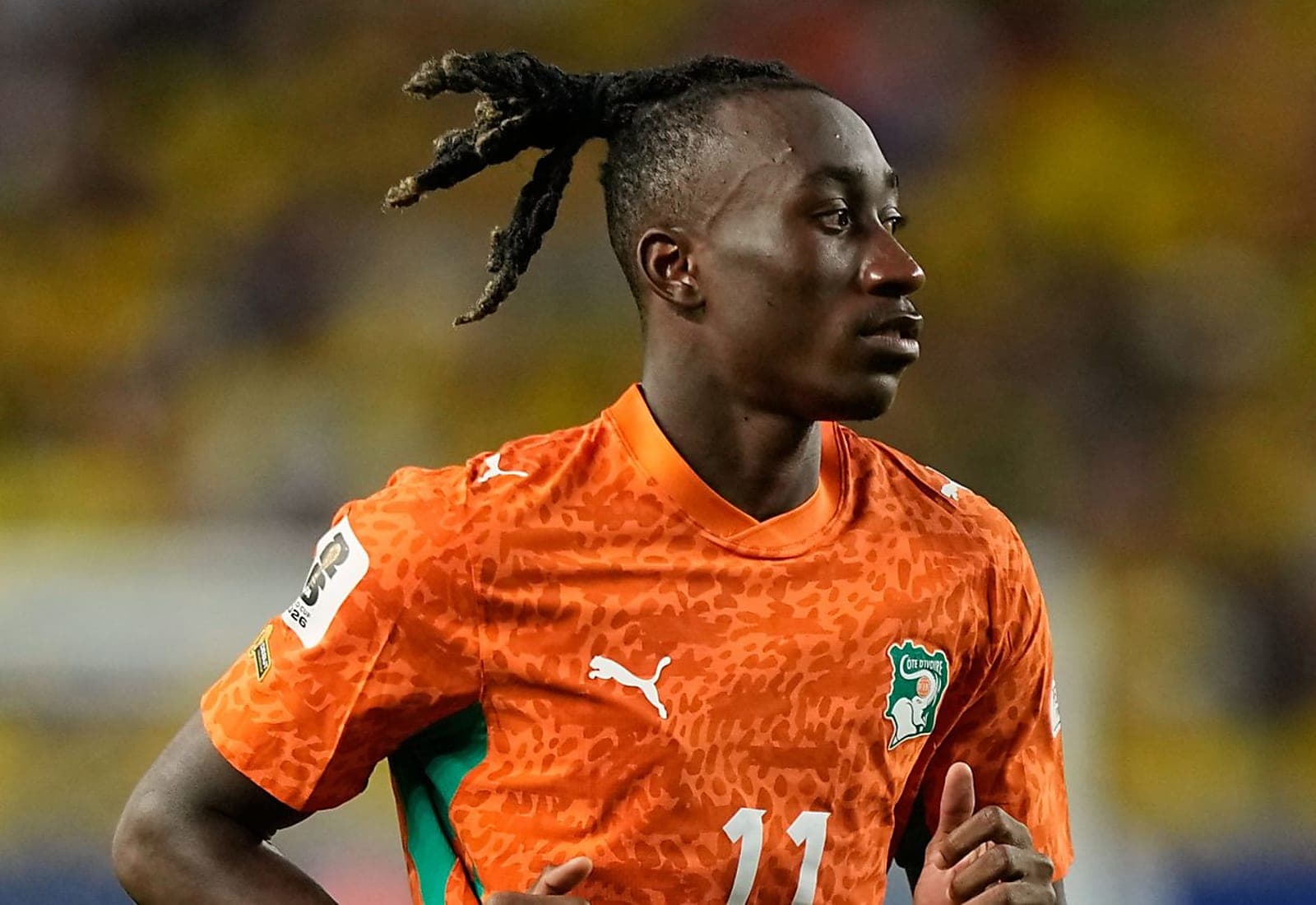
Paris Saint‑Germain (PSG) have entered advanced talks with RB Leipzig to secure the signature of 19‑year‑old Ivory Coast winger Yan Diomande. The young talent, long linked with Liverpool, has publicly expressed a preference for the French champions. This development is already creating a buzz among Nigerian football fans, aspiring athletes and the broader sports business community.
Context / Background
Yan Diomande burst onto the European scene with a stunning debut for RB Leipzig in the Bundesliga, showcasing blistering pace and a keen eye for goal. Liverpool reportedly offered £86 million to trigger his release clause, yet Leipzig have signalled they expect a higher fee. PSG, fresh from a domestic double and keen to reinforce their attacking options ahead of the Champions League, view Diomande as a long‑term asset.
In Nigeria, interest in European transfers is intense. The country has produced stars such as Kelechi Okonkwo and Victor Osimhen, and every high‑profile move is dissected on social media, in university sports societies and even in corporate boardrooms that sponsor youth academies.
Main Explanation / Guide
How the transfer mechanics work
- Release clause activation - Liverpool's offer would have activated Leipzig's clause, but the German club retains the right to negotiate a higher price.
- Negotiation between clubs - PSG must agree on a fee with Leipzig before Diomande can discuss personal terms.
- Medical and contract - Once a fee is settled, the player undergoes a medical exam, then signs a contract typically ranging from five to seven years.
Why PSG wants Diomande
- Speed and versatility - He can operate on either wing or as an inside forward, fitting PSG's fluid front line.
- Marketability - A young African star expands PSG's brand in West Africa, a region where the club already enjoys a massive fanbase.
- Future resale value - At 19, Diomande's potential resale price could exceed €200 million in five years.
Practical Examples / Insights
- Nigerian academies: Coaches at the Kwara State Football Academy are using Diomande's trajectory to illustrate the importance of early exposure to European scouts.
- Corporate sponsorship: Nigerian telecoms, such as MTN, often align their campaigns with PSG's African outreach; a Diomande signing could trigger new advertising deals.
- Fan engagement: Nigerian fan clubs have already organised viewing parties for PSG matches, anticipating merchandise sales if the winger arrives.
Common Mistakes to Avoid
- Assuming the deal is final - Transfer talks can collapse over medical issues, agent fees, or unexpected tax implications.
- Over‑valuing the fee - Media outlets sometimes inflate numbers; the actual agreement may include performance‑based add‑ons rather than a flat €100 million.
- Neglecting work‑permit rules - While Diomande holds an EU passport, any future moves for other Nigerian players must clear the stringent UK work‑permit criteria post‑Brexit.
Expert Tips / Pro Advice
- For aspiring Nigerian players: Focus on technical development and language skills; European clubs value tactical intelligence as much as raw speed.
- For investors: Track PSG's sponsorship deals in Africa - a Diomande signing could boost stock performance of companies linked to the club.
- For fans: Follow official PSG channels for accurate updates; rumours on fan forums often lack verification.
Conclusion
The potential transfer of Yan Diomande to PSG is more than a headline; it reflects shifting dynamics in European football, the growing commercial importance of West Africa, and the aspirations of countless Nigerian youngsters. While negotiations remain ongoing, the story highlights how a single player can influence market strategies, youth development pathways, and fan culture across continents. Nigerians should keep an eye on official club statements, watch upcoming Champions League fixtures, and consider how this move might open doors for the next generation of talent.
No comments yet. Be the first to spark the conversation.