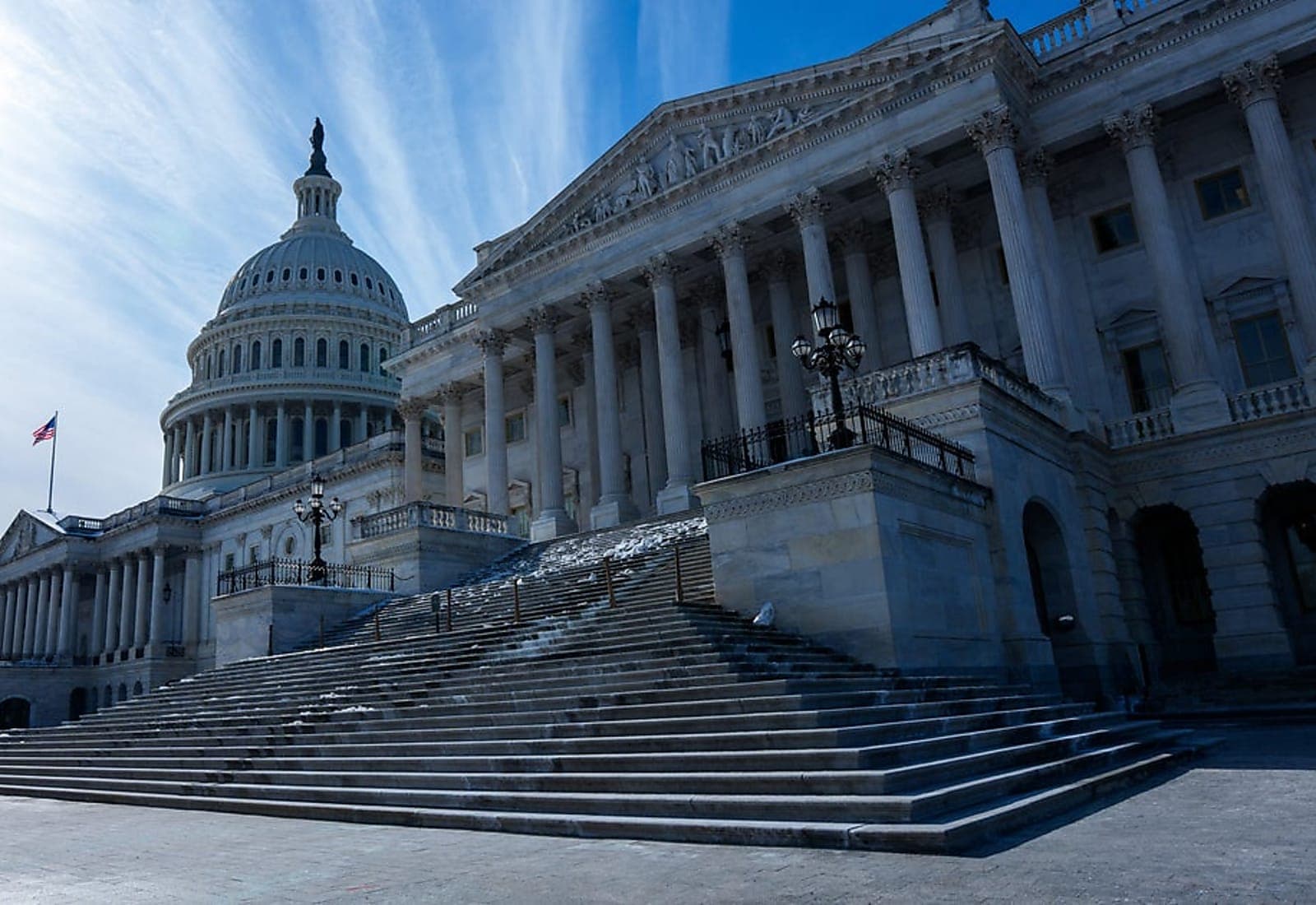
The fight for control of the US Senate often looks national, but it is usually decided state by state and sometimes seat by seat. That is what makes a small number of competitive races so important. They may appear local on the surface, yet together they can determine who controls confirmations, legislation, oversight and the broader political mood in Washington. In a closely divided chamber, a handful of contests can shape outcomes far beyond their own borders.
Why this story matters
This story matters because the Senate is not just another part of the US political machine. It has unusual power over judicial appointments, cabinet confirmations, treaty politics, budget fights and the legislative pipeline. If control changes hands, the consequences can extend into domestic reform, foreign policy tone and the practical speed at which a president can govern.
That means a relatively small number of competitive races can become more important than the entire national map suggests. A chamber divided by narrow margins does not require a landslide to shift power. It requires only a few strategic losses or gains in the right places.
For international readers, including those in Nigeria, that matters because political balance in Washington influences how the United States approaches aid oversight, security partnerships, trade debates, immigration policy and its posture toward global conflicts. A Senate race may be fought in one American state, but the ripple effects can travel much further.
Context and background
The structure of the Senate makes battleground politics especially intense. Every state, regardless of size, sends the same number of senators. That means some races become nationally significant not because the state is large, but because the chamber itself is often so closely balanced.
In election cycles where the numbers are tight, strategists look for a cluster of seats where incumbency is vulnerable, open contests create uncertainty or state-level demographics do not fit clean partisan expectations. Those seats become the real battleground. Money, volunteers, advertising and national political attention flow toward them because everyone understands that the path to control is narrow.
This is also why Senate maps are read so carefully. Not every cycle offers the same opportunity to both parties. Some cycles force one side to defend more difficult terrain. Others create openings where national mood, economic stress or candidate weakness can tilt the balance.
What happened
According to the cited CBS News analysis, there are 11 races that could play an outsized role in deciding control of the Senate. The exact list matters less here than the underlying political lesson: a chamber this competitive can be shaped by a concentrated set of battlegrounds rather than by uniform national movement.
That is what makes these races more than local contests. They become indicators of momentum, donor confidence, message discipline and the broader ability of each party to persuade swing voters. A narrow majority turns every strong candidate, every bad debate and every late shift in turnout into something more consequential.
This also explains why media attention can feel disproportionate. A state race that might otherwise look routine becomes a national obsession when the arithmetic of power depends on it. Once that happens, campaign narratives harden quickly and local concerns start interacting with national themes such as cost of living, institutional trust, security and the popularity of the sitting administration.
Why it matters now
It matters now because US politics has become more polarised while the consequences of narrow legislative control have become more obvious. A Senate majority that looks small on paper can still have major practical consequences. It can accelerate or block appointments. It can empower investigations. It can change the path of bills before they ever reach the president's desk. It can also influence how markets and international observers interpret the government's ability to govern coherently.
It matters now for another reason too: a small number of races often become testing grounds for the themes that will dominate the wider national conversation. If candidates in competitive states are all being forced to address inflation, abortion, immigration, institutional trust or foreign policy, that tells readers what strategists believe is moving undecided voters.
These races therefore function as both arithmetic battlegrounds and message battlegrounds. They reveal not only which party may win, but what issues are carrying the most emotional and political weight.
Deeper analysis
The weak version of this article explained that a few races matter, but it did not fully explain why that matters to the public. The deeper point is that the Senate acts as a bottleneck of power. In a polarised system, the difference between a one-seat margin and a three-seat margin can be politically enormous.
This is because control influences process as much as ideology. Committee chairs change. Oversight priorities change. Confirmation speed changes. Tactical choices around compromise or obstruction change. In other words, the chamber does not only reflect national power. It helps organise it.
There is also a narrative effect. If one party starts winning the most closely watched races, the result can reinforce donor enthusiasm, media framing and voter energy elsewhere. Politics is not only about numbers. It is also about momentum, and Senate battlegrounds often become the places where momentum is first declared.
For Nigeria and other countries watching from outside, the most useful perspective is not to memorise every state. It is to understand the institutional consequences. When Washington's upper chamber becomes more narrowly or more securely controlled, it affects whether American policy looks assertive, blocked, fragmented or cooperative. That matters in international relations far more than many non-US readers assume.
What happens next
The next phase will depend on how candidate recruitment, fundraising, polling and national events evolve. Readers should watch for three types of signals. The first is whether the list of true battlegrounds expands or contracts. The second is whether one party begins spending more defensively than expected. The third is whether major national events-economic shocks, court rulings or foreign-policy crises-change the emotional priorities of swing voters.
It is also worth watching how these races are discussed by each party. When campaigns stop talking only about ideology and start talking more about local credibility, turnout and institutional stakes, it usually means the battlefield is tightening.
For international audiences, the key is to follow the races not as isolated spectacles but as indicators of what kind of Washington may emerge afterward: more confrontational, more gridlocked, more cooperative or more uncertain.
Final takeaway
A small number of Senate races can matter enormously because the chamber itself holds outsized power in the American system. When control is narrow, individual contests stop being purely local and start becoming national leverage points.
That is the real significance of these 11 races. They are not merely election trivia. They are part of the mechanism that may decide how Washington governs, what policies move and how the United States presents itself to the world after the votes are counted.
No comments yet. Be the first to spark the conversation.