Introduction
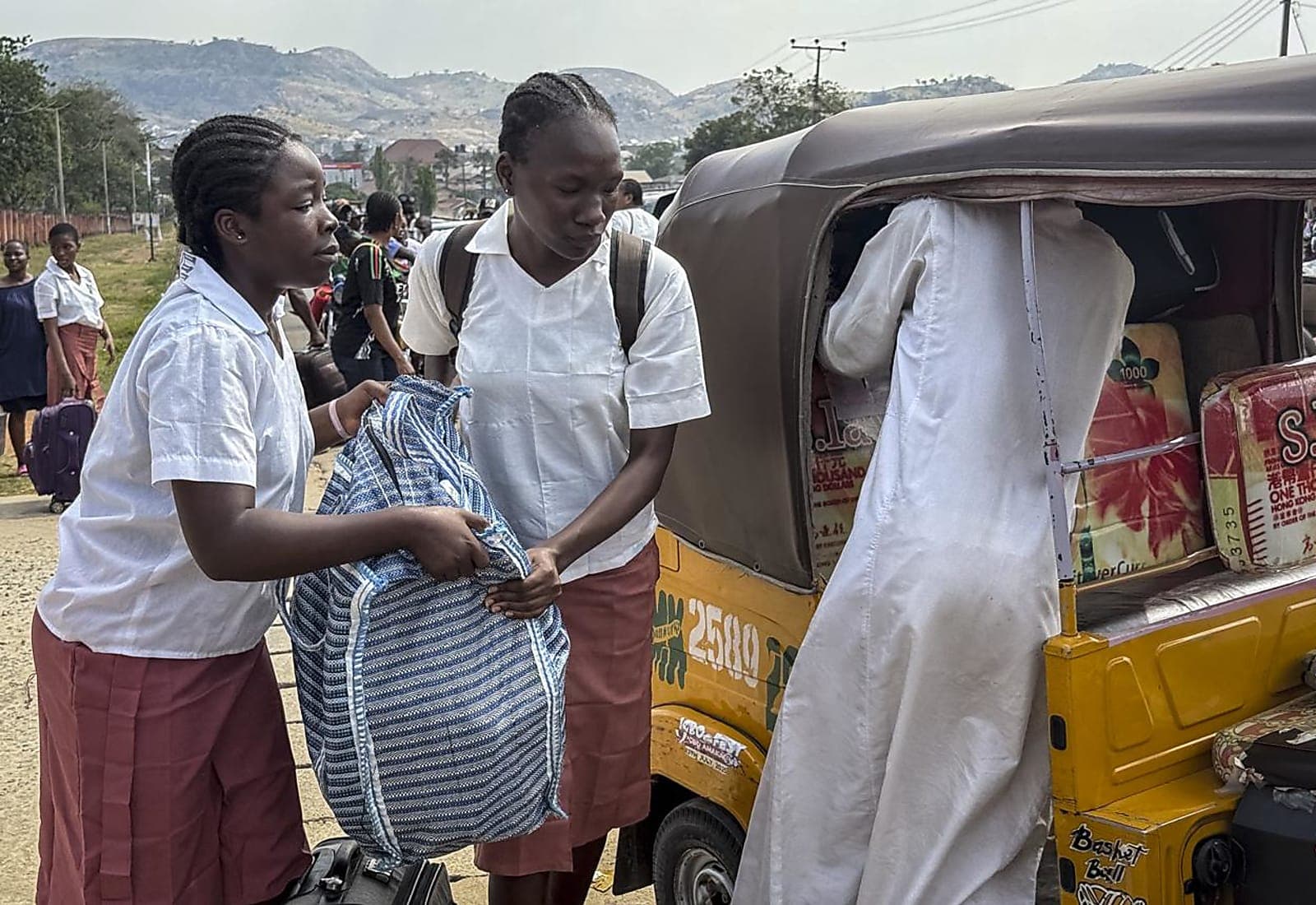
The sudden report that 87 people were abducted in a single 24‑hour period from schools in Nigeria's South‑West has reignited a national emergency that was once thought to be confined to the North. For parents, educators and policymakers, the incident forces a hard look at whether any classroom can still be regarded as a safe space. The story is not merely about a tragic headline; it is about the erosion of confidence in the nation's ability to protect its children, its teachers and, by extension, its future.
Executive summary
- 87 individuals were taken from schools in the South‑West within 24 hours, marking the fastest‑growing kidnapping episode in recent memory.
- The incident shatters the long‑standing perception that the South‑West is insulated from mass school abductions.
- Security forces are stretched across multiple fronts, from insurgency in the North to organised crime in the South‑West.
- Parents are reconsidering school attendance, boarding options and even the feasibility of female education in vulnerable zones.
- The crisis threatens Nigeria's broader development agenda, as education underpins economic growth and social stability.
Table of contents
- Why this story matters
- Context and background
- What happened
- Key facts readers should know
- Why this matters for Nigeria
- Wider African and global context
- Expert insight and practical implications
- What readers should watch next
- Frequently asked questions
- Conclusion
Why this story matters
School kidnappings strike at the heart of a society's most cherished institutions. They undermine the sense of security that families place in education, erode public trust in the state, and jeopardise the human capital essential for Nigeria's long‑term prosperity. When an incident of this scale occurs in the South‑West-a region traditionally viewed as economically vibrant and comparatively stable-the psychological shock reverberates far beyond the immediate victims. It forces a reassessment of risk across the entire nation and raises urgent questions about the capacity of security agencies to respond effectively.
Context and background
For decades, Nigeria's kidnapping crisis has been associated with the North‑West and North‑Central states, where insurgent groups and bandits have targeted schools with alarming regularity. The South‑West, home to Lagos, Ibadan and other commercial hubs, has historically benefitted from stronger urban infrastructure, higher per‑capita income and a more visible police presence. This geographic divide fostered a belief that the South‑West could continue to offer a relatively safe educational environment.
However, a confluence of factors has been eroding that confidence:
- Economic disparity - Persistent poverty and unemployment create fertile recruiting grounds for criminal networks.
- Proliferation of small arms - Illicit weapons flow across state lines, enabling loosely organised groups to execute high‑risk operations.
- Weak law‑enforcement coordination - Overlapping jurisdictions between police, military and state security agencies have hampered rapid response.
- Ransom‑driven criminality - In regions where ransom payments have become a predictable revenue stream, kidnapping has evolved into a business model rather than an isolated act of terror.
These dynamics, once largely confined to the North, have been migrating southward, setting the stage for the recent abduction wave. The shift reflects a broader pattern of criminal enterprises seeking new markets in economically vibrant regions, where the potential payoff and media attention are greater.
What happened
According to reports from the Associated Press and local news outlets, a coordinated series of raids on multiple schools in the South‑West resulted in the removal of 87 individuals-students, teachers and support staff-within a 24‑hour window. Armed men entered the premises under cover of darkness, overpowered on‑site security and fled with their captives. While the exact identities of the perpetrators remain unconfirmed, the modus operandi mirrors previous kidnappings in the North, suggesting a possible diffusion of tactics.
The immediate response involved the deployment of police and military units to the affected sites, the establishment of emergency communication channels for families, and the activation of crisis‑management protocols by state education ministries. As of the latest updates, negotiations for the release of the abducted individuals are ongoing, and no official ransom figure has been disclosed.
Key facts readers should know
- Number of victims: 87 people were taken within a 24‑hour period.
- Geographic focus: The incidents occurred in the South‑West, a region previously considered less vulnerable to mass school kidnappings.
- Target profile: Victims included students, teachers and ancillary staff, reflecting the indiscriminate nature of the raids.
- Operational similarity: The tactics used resemble those employed in northern kidnappings, indicating possible knowledge transfer among criminal groups.
- Government response: Security forces have been mobilised, and crisis hotlines have been opened for families.
- Education impact: Schools in the affected areas have temporarily suspended classes, and many parents are reconsidering enrolment decisions.
Why this matters for Nigeria
The educational sector is a cornerstone of Nigeria's development strategy. Persistent insecurity threatens to reverse gains made in enrolment rates, especially for girls, who are already disproportionately affected by school closures. A decline in attendance can exacerbate existing challenges such as teacher shortages, overcrowded classrooms and inadequate infrastructure.
Beyond the classroom, the crisis fuels a broader sense of national instability. When a region that houses a significant share of the country's GDP and foreign investment becomes a target, investor confidence can waver, potentially affecting job creation and economic diversification. Moreover, the psychological toll on families-who may now view daily commutes and school routines as life‑threatening-can erode social cohesion and increase internal displacement.
For Nigeria's youth, education is not merely a pathway to personal advancement; it is a critical component of the country's demographic dividend. Any sustained disruption to schooling risks undermining the long‑term economic prospects that policymakers have been striving to achieve.
Wider African and global context
Nigeria is not alone in confronting school‑targeted violence. Across the Sahel, Chad, Mali and Burkina Faso, armed groups have repeatedly attacked educational institutions, using kidnappings as a lever for political leverage or financial gain. Globally, the United Nations estimates that attacks on schools have risen sharply over the past decade, with the phenomenon recognised as a violation of children's rights and a barrier to sustainable development.
The spread of such tactics into Nigeria's South‑West aligns with a disturbing pattern: criminal enterprises that once operated in isolated pockets are expanding into economically vibrant regions, seeking higher ransom yields and greater media attention. This trend underscores the need for a coordinated, trans‑national response that addresses both the supply of illicit arms and the demand for ransom payments.
Expert insight and practical implications
Security analysts stress that a purely militaristic approach is insufficient. Dr Chinyere Okafor, a professor of security studies at the University of Lagos, notes that "addressing the root causes-poverty, unemployment and weak governance-must run parallel to tactical interventions." She recommends a three‑pronged strategy:
- Community‑based early warning systems - Empower local leaders and teachers to report suspicious activity, creating a rapid‑response network.
- Targeted socio‑economic programmes - Invest in youth employment schemes in vulnerable districts to reduce the recruitment pool for criminal groups.
- Legal and financial reforms - Strengthen anti‑money‑laundering frameworks to make ransom payments more difficult to process.
For parents, practical steps include:
- Conducting risk assessments of school security measures.
- Opting for schools that have implemented vetted security personnel and controlled entry points.
- Engaging with parent‑teacher associations to advocate for regular safety drills.
Policymakers should also consider revisiting the National School Safety Framework, ensuring it incorporates real‑time intelligence sharing between the police, military and education ministries. The framework must be flexible enough to respond to evolving tactics while preserving the right to education.
What readers should watch next
- Negotiation outcomes - The resolution of the current abduction case will set a precedent for future ransom demands.
- Policy announcements - Any new legislation aimed at curbing ransom payments or tightening gun control will be closely monitored.
- Regional spill‑over - Observers will watch whether similar incidents emerge in neighbouring states such as Oyo or Osun, signalling further geographic spread.
- International assistance - Potential involvement of foreign security advisors or development agencies could influence the strategic direction of Nigeria's response.
Frequently asked questions
How many people were abducted in the recent South‑West incident?
87 individuals-including students, teachers and support staff-were taken within a 24‑hour period.
Which states in the South‑West were affected?
The reports refer to multiple schools across the South‑West; specific state names have not been disclosed pending official confirmation.
Are the perpetrators linked to northern kidnapping groups?
The tactics mirror those used in northern kidnappings, suggesting possible knowledge transfer, but a definitive link has not been established.
What is the government doing to secure schools?
Security forces have been deployed to the affected sites, emergency hotlines have been opened for families, and crisis‑management protocols are being activated by state education ministries.
Should parents withdraw their children from school?
Parents are advised to assess the security measures of individual schools, engage with parent‑teacher associations, and consider schools with robust safety protocols.
How does this incident affect Nigeria's economy?
The South‑West contributes a large share of national GDP; insecurity in this region can dampen investor confidence and disrupt economic activity.
What long‑term solutions are being proposed?
Experts recommend a combination of community‑based early warning, youth employment programmes, and stricter financial controls on ransom payments.
Is there any international support available?
International organisations have previously offered assistance on school safety; any new support will likely be announced by the federal government.
How can communities help prevent future kidnappings?
Community vigilance, rapid reporting of suspicious activity, and collaboration with local law‑enforcement can create a deterrent effect.
What role does technology play in school security?
Surveillance cameras, biometric entry systems and real‑time alert apps are being explored as tools to enhance protection, though implementation varies.
Conclusion
The abduction of 87 individuals in the South‑West within a single day marks a watershed moment in Nigeria's ongoing security crisis. It shatters the illusion that any part of the country is immune to the threat of school kidnappings and forces a national reckoning with the broader implications for education, economic stability and social cohesion. While immediate rescue efforts remain paramount, the episode underscores the urgency of addressing the underlying drivers of criminality-poverty, unemployment and weak governance-through coordinated, long‑term strategies. Protecting schools is no longer a peripheral concern; it is central to safeguarding Nigeria's future.
Sources
- Associated Press - Nigeria hub: https://apnews.com/hub/nigeria
- Punch Education: https://punchng.com/topics/education/
In Nigeria, stories like 87 Abducted in 24 Hours: Nigeria's School Crisis Has Reached the South West rarely stay confined to politics or headlines alone. They often shape public trust, institutional credibility, and the way citizens interpret wider national decisions.
That is why the next verified developments matter so much. Readers gain more by following how institutions respond and what changes in practice than by stopping at the first dramatic update.
A more durable reading of 87 Abducted in 24 Hours: Nigeria's School Crisis Has Reached the South West also depends on watching what happens after the first burst of attention. Follow-up reporting, institutional response, and longer-term consequences are usually what distinguish a passing headline from a development with real meaning for readers, markets, public policy, or culture. That extra layer of context is where authority journalism becomes most useful.
Another way to understand 87 Abducted in 24 Hours: Nigeria's School Crisis Has Reached the South West is to ask how it may shape public trust, institutional behaviour, and everyday expectations of government or civic leadership. In Nigeria, those effects often matter long after the first headline has faded.
Readers usually gain more when they follow implementation, enforcement, and accountability instead of stopping at speeches, denials, or first reactions.
Authority journalism also looks for the practical test after the announcement: what changes in policy, what changes in conduct, and what changes for citizens. That follow-through is often the difference between symbolic drama and meaningful national impact.
The next verified developments around ${title} will therefore matter more than the volume of early political commentary.
A final authority reading of 87 Abducted in 24 Hours: Nigeria's School Crisis Has Reached the South West should leave readers with more than a recap. It should leave them with a clearer sense of what the issue reveals, what assumptions deserve caution, and which follow-up developments are likely to matter most after the first wave of reaction passes.
For readers in Nigeria, the most useful test after 87 Abducted in 24 Hours: Nigeria's School Crisis Has Reached the South West is whether the underlying issue changes decisions, expectations, trust, or day-to-day planning in a meaningful way.
That is the standard Century Blog should keep chasing: explain the headline, slow the noise down, and give readers enough context to make better judgments the next time a similar issue appears.
No comments yet. Be the first to spark the conversation.