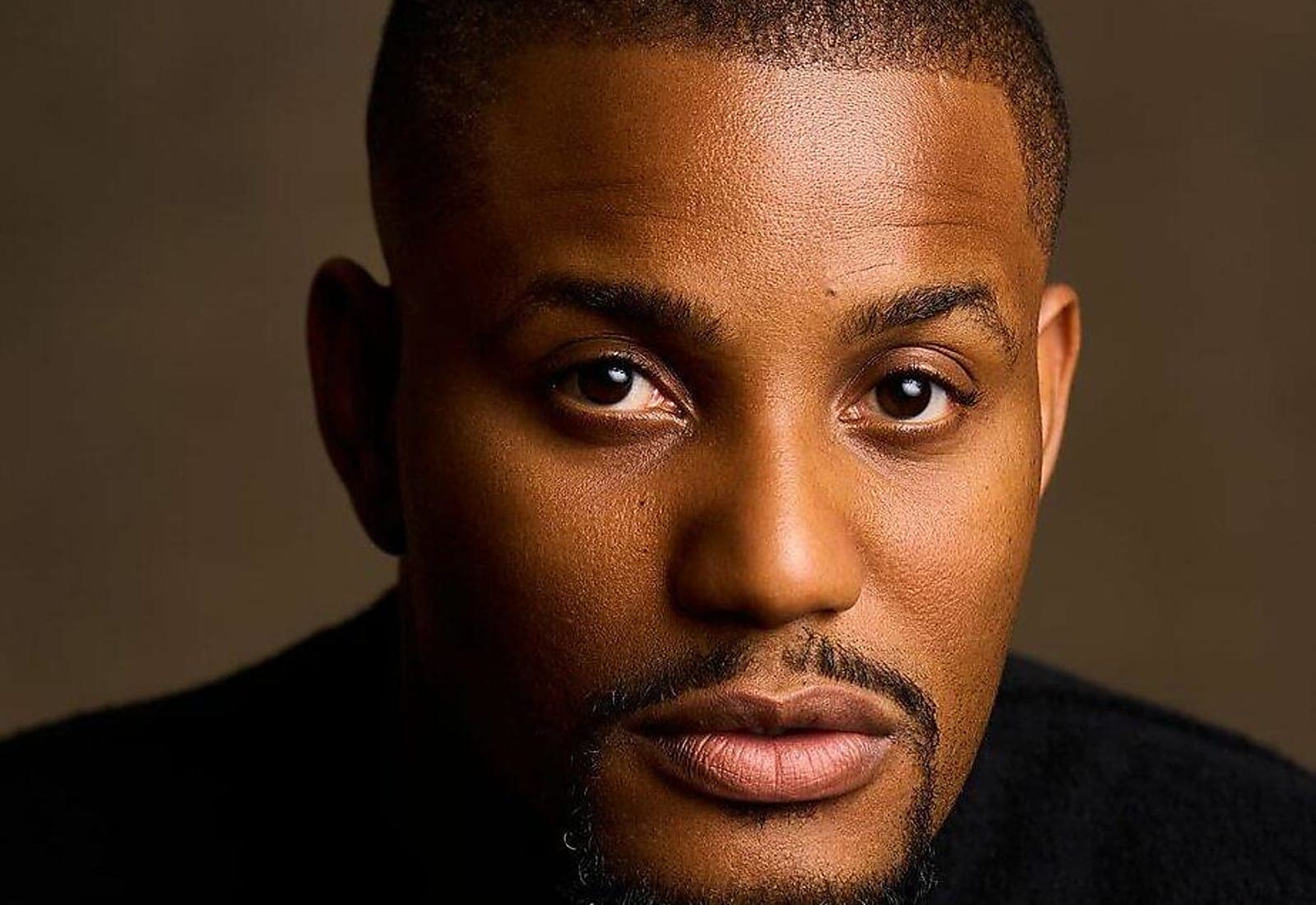
On the night of Monday, 11 May 2026, Nollywood lost one of its most recognisable faces. Alexx Ekubo, actor, model, producer, and philanthropist, died at Evercare Hospital in Lekki, Lagos. He was 40 years old.
His family confirmed the cause of death in a statement posted on his verified Instagram page: advanced metastatic kidney cancer. The same account that had been silent since December 2024 now carried the words that stopped Nigerian social media in its tracks.
What followed was not just grief. It was shock. Because almost nobody knew.
Colleagues who tried to reach him received warm replies that hid the gravity of what he was going through. Close friends sent messages and waited. Funke Akindele wrote that she tried to see him one last time but never got the chance. Kate Henshaw said she had been sending messages and receiving no response, assuming he simply needed space.
He was not on a break. He was fighting for his life. Quietly. Alone.
And that is the part of this story that demands a serious conversation.
Who Was Alexx Ekubo?
Born on 10 April 1986 in Port Harcourt, Rivers State, Alexx Ikenna Ekubo-Okwaraeke built one of the most diverse careers in Nigerian entertainment.
He studied law at the University of Calabar and later earned a Mass Communication degree from Calabar Polytechnic. His entry into the spotlight came not through acting, but through pageantry. He was the first runner-up at the Mr Nigeria 2010 contest, which opened doors to modelling and, eventually, film.
His acting debut came in 2003, and over a career spanning more than two decades, he appeared in roughly 100 productions. Notable credits include The Bling Lagosians, Omo Ghetto: The Saga, A Sunday Affair, and the Netflix production Áfàméfùnà: An Nwa Boi Story. On television, he was a familiar face on Tinsel, AY's Crib, and Married to the Game.
In 2020, he was named among the Most Influential People of African Descent under 40. Beyond acting, he was a producer, motivational speaker, and committed advocate for youth empowerment.
He was, by every account, a man who poured himself into his work and into other people.

The Silent Battle
According to Nigerian filmmaker Stanley Ontop, Ekubo had been battling stage 4 liver cancer since 2024 and had undergone a liver transplant before complications arose. His family's official statement cited advanced metastatic kidney cancer as the confirmed cause of death.
For months before his passing, fans had noticed something was wrong. His social media went quiet. Red carpet appearances stopped. Movie promotions dried up. Public sightings became rare. His last Instagram post was made on 30 December 2024.
People asked questions online. They speculated. Some assumed he was dealing with his broken engagement to US-based model Fancy Acholonu. Others thought he was simply taking a break.
Nobody imagined he was in a hospital.
That gap between public absence and private suffering is not unique to Alexx Ekubo. It is a pattern. And in Nigeria, it is a deeply gendered one.
The Bigger Problem: Nigerian Men and Health Avoidance
Alexx Ekubo's story is heartbreaking. It is also familiar.
Nigerian men, across all social and economic backgrounds, have a well-documented reluctance to seek medical care. Research consistently shows that women engage with the healthcare system far more frequently than men. The reasons are cultural, social, and economic, and they are costing lives.
Cancer data from Nigeria makes for sobering reading. According to the National Institute for Cancer Research and Treatment (NICRAT), Nigeria records an estimated 72,000 cancer-related deaths annually. A 2025 peer-reviewed study published in Health Science Reports recorded 269,109 new cancer cases in Nigeria in 2022 alone. Among men, prostate cancer is the leading diagnosis, accounting for nearly 30% of male cancer cases.
And yet, screening rates remain critically low. A medical expert, Dr Joshua Oluwayomi, warned as recently as April 2026 that low awareness and poor screening uptake are fuelling a silent prostate cancer crisis among Nigerian men, noting that the disease is highly treatable when caught early. For kidney and liver cancers, early detection is equally decisive. Advanced and metastatic stages, by contrast, carry dramatically lower survival rates.
Women in Nigeria engage more with healthcare partly due to maternal and child health services. Men, research notes, have fewer natural touchpoints with the system, and cultural expectations around masculinity create an additional barrier. Seeking help, admitting vulnerability, visiting a doctor before symptoms become unbearable: these things are still, in many Nigerian households, framed as weakness.
That framing is literally fatal.
What the Tributes Reveal
The wave of grief that swept across Nigerian social media following Ekubo's death was notable not just for its depth but for its detail.
Actor Godwin Nnadiekwe wrote: "This news has truly broken me. Nollywood has lost a rare soul. To think you already prepared your will." Veteran filmmaker Lancelot Imasuen, who gave Ekubo his first movie role, described the news as devastating and unbelievable. BBNaija star Pere shared a screenshot of his last conversation with Ekubo, a warm but ordinary exchange that now carried the weight of a final goodbye.
Influencer Cutie Juls captured a sentiment felt by thousands: "Oh, cancer, why? Why? Shame on you."
Behind that emotion is a question that deserves a clearer answer: why did so few people know? And why do so many Nigerian men make the same choice, to carry illness privately, to protect others from worry, to face mortality alone?
What Nigerian Men Need to Hear
This is not about blame. Alexx Ekubo had every right to manage his illness in whatever way felt right to him. His family described his final days as marked by remarkable strength, unwavering faith, and enduring hope.
But his death, and the pattern it represents, makes the following points worth stating plainly.
Early detection saves lives. Kidney cancer, prostate cancer, liver cancer: all have significantly better outcomes when identified early. A routine check-up is not an overreaction. It is basic self-preservation.
Silence is not strength. Carrying illness alone does not make a man stronger. It makes him sicker. Telling someone, whether a family member, a doctor, or a close friend, creates the possibility of support, treatment, and survival.
Health checks should not wait for symptoms. By the time most cancers produce noticeable symptoms, they have already progressed. Men aged 40 and above should be scheduling regular prostate-specific antigen (PSA) tests, kidney function panels, and liver function tests as standard practice. Not as a response to crisis, but as a lifestyle.
The healthcare system needs to meet men where they are. Awareness campaigns, community health outreach, and workplace health programmes targeted specifically at Nigerian men are not optional extras. They are a public health necessity.
Common Mistakes to Avoid
Waiting until symptoms are severe before seeing a doctor. Advanced cancer frequently presents with mild or no early symptoms. Do not wait for pain to prompt action.
Treating a hospital visit as a last resort. Many Nigerian men visit a doctor only when the situation is critical. By then, options are far narrower.
Dismissing early warning signs. Unexplained fatigue, sudden weight loss, persistent back pain, changes in urination: these are signals worth investigating, not ignoring.
Keeping illness entirely private. Secrecy protects no one. Sharing your health struggles with at least one trusted person opens the door to timely intervention.
Conclusion
Alexx Ekubo was 40 years old. He had a career spanning over two decades, a fanbase that adored him, and colleagues who genuinely loved him. His death leaves a gap in Nigerian entertainment that will not be easily filled.
But the most important legacy he can leave is not on a screen. It is in a conversation. The one happening right now across Nigeria, in homes and offices and WhatsApp groups, about why men hide their pain, why they avoid hospitals, and what it costs when they do.
His family said he bore his illness with remarkable strength and enduring hope. That is worth honouring.
Honouring it means doing the one thing he may not have done early enough.
Get checked. Tell someone. Do not wait.## Subheading## Subheading
No comments yet. Be the first to spark the conversation.