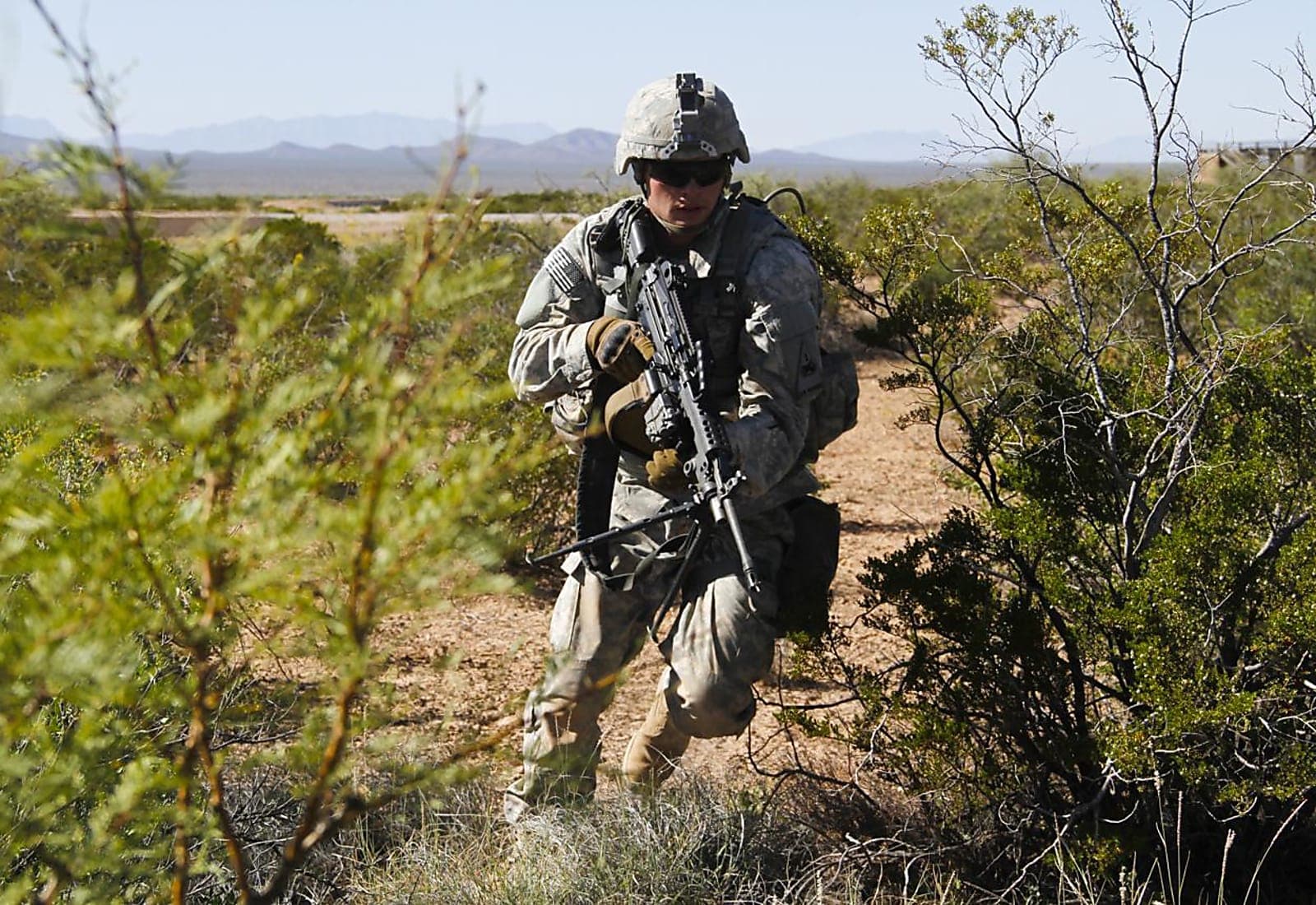
The modern battlefield is changing faster than many armies expected.
Wars are no longer fought only with:
- tanks,
- rifles,
- artillery,
- and large troop formations.
Today's military conflicts increasingly involve:
- drones,
- artificial intelligence,
- cyber warfare,
- satellite intelligence,
- autonomous systems,
- electronic warfare,
- and real-time battlefield data.
That reality explains why the US Army recently launched major military exercises in Texas designed specifically around one idea:
Winning future wars through speed and technology.
The exercise reportedly focuses heavily on how soldiers and commanders can operate faster, smarter, and more efficiently in highly technological combat environments. (army.mil)
And globally, military strategists are watching closely.
Because the wars of the future may look dramatically different from the wars humanity understood in the past.
Why Modern Warfare Is Changing So Quickly
Recent global conflicts already revealed how rapidly military technology is evolving.
The wars in:
- Ukraine,
- the Middle East,
- and other regions
demonstrated the growing importance of:
- drones,
- surveillance systems,
- AI-assisted targeting,
- satellite communication,
- and digital coordination.
Small technological advantages can now create enormous battlefield impact.
A relatively cheap drone can sometimes destroy equipment worth millions of dollars.
That reality is forcing militaries worldwide to rethink traditional combat strategy completely.
What the Texas Exercise Is Testing
The Texas military exercise reportedly focuses on preparing soldiers for highly connected, technology-driven warfare environments.
The training includes:
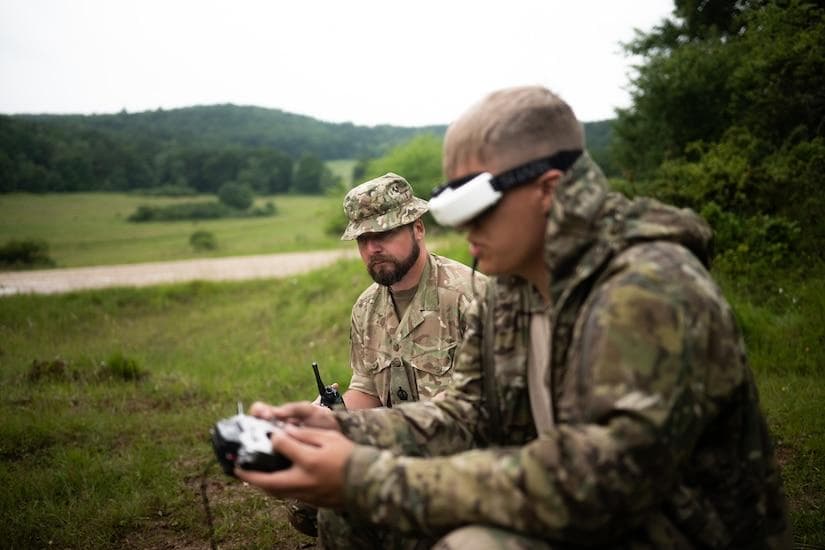
- drone coordination,
- battlefield data systems,
- rapid-response operations,
- autonomous technology integration,
- and real-time decision-making under combat pressure. (army.mil)
Military planners increasingly believe future wars will reward forces capable of:
- processing information faster,
- reacting quicker,
- and integrating technology more efficiently than opponents.
In modern combat, speed itself becomes a weapon.
Why Drones Are Reshaping Warfare
One of the biggest military transformations involves drones.
Unmanned systems now perform:
- surveillance,
- reconnaissance,
- precision strikes,
- logistics support,
- and intelligence gathering.
Some military analysts even argue drones are changing warfare as dramatically as tanks or aircraft once did historically.
Drone warfare offers:
- lower operational cost,
- reduced human risk,
- continuous surveillance,
- and flexible battlefield capability.
This explains why military exercises increasingly revolve around integrating unmanned systems directly into frontline operations.
Artificial Intelligence Is Becoming Central
Artificial intelligence is also becoming increasingly important militarily.
Modern AI systems can help:
- analyse battlefield information,
- identify threats,
- coordinate logistics,
- process surveillance footage,
- and support tactical planning faster than humans alone.
Military leaders increasingly believe future conflicts may depend partly on which countries integrate AI into operations most effectively.
However, AI warfare also raises serious ethical concerns involving:
- autonomous weapons,
- accountability,
- civilian protection,
- and machine decision-making in combat.
Those debates are intensifying globally.
Speed Is Now More Important Than Mass
Historically, military power often depended heavily on:
- troop numbers,
- heavy weapons,
- and large formations.
Modern warfare increasingly prioritises:
- mobility,
- adaptability,
- information dominance,
- and rapid coordination instead.
Military strategists now focus heavily on:
- faster communication,
- quicker targeting,
- and immediate battlefield adaptation.
The Texas exercise reportedly emphasises exactly this concept: the ability to react faster than opponents in chaotic combat conditions.
Cyber Warfare Is Quietly Becoming Critical
Another major battlefield transformation involves cyber operations.
Modern militaries increasingly rely on:
- digital systems,
- communication networks,
- satellite data,
- GPS,
- and interconnected technology.
That creates vulnerabilities.
Cyberattacks can potentially:
- disable infrastructure,
- disrupt communications,
- confuse operations,
- and weaken military coordination without traditional gunfire at all.
As warfare becomes more technological, cybersecurity becomes part of national defence directly.
Why the Ukraine War Changed Military Thinking
The war in Ukraine deeply influenced military planning globally.
The conflict showed how:
- drones,
- mobile technology,
- social media intelligence,
- satellite imagery,
- and digital coordination
could dramatically shape battlefield outcomes.
Traditional military assumptions changed quickly after observing:
- cheap drone effectiveness,
- rapid intelligence sharing,
- and decentralised battlefield adaptation.
Many militaries realised future wars may reward flexibility more than sheer size alone.
Soldiers Are Being Trained Differently Now
Modern soldiers increasingly require technical skills alongside traditional combat training.
Today's military personnel may need understanding of:
- drones,
- digital systems,
- electronic warfare,
- AI-supported equipment,
- cyber operations,
- and battlefield networking technology.
This represents a major cultural shift inside military institutions.
Future soldiers may resemble:
- technicians,
- engineers,
- data operators,
- and technology specialists as much as traditional fighters.
Military Competition Is Becoming Technological Competition
Another major issue is global rivalry.
Countries including:
- the United States,
- China,
- Russia,
- and NATO allies
are racing aggressively to dominate:
- artificial intelligence,
- military robotics,
- cyber warfare,
- and advanced defence systems.
Military competition increasingly overlaps with:
- technological competition,
- semiconductor development,
- satellite systems,
- and AI research.
In many ways, future geopolitical power may depend heavily on technological superiority.
Why This Matters Beyond America
Although the Texas exercise involves the US Army, the broader implications are global.
Military innovation inside major powers often shapes:
- international security,
- defence spending,
- arms races,
- and geopolitical strategy worldwide.
Countries observing these exercises will likely adjust their own military planning accordingly.
This includes African countries too.
What Nigeria and Africa Should Learn
For Nigeria and many African countries, the rise of technology-driven warfare carries important lessons.
Modern security threats increasingly involve:
- drones,
- cybercrime,
- digital surveillance,
- and asymmetric warfare.
Traditional security systems may become insufficient without:
- technological investment,
- cybersecurity development,
- drone regulation,
- and digital defence capacity.
The future of national security will likely depend partly on technological readiness, not just military manpower.
The Ethical Questions Are Growing
Despite the technological excitement, concerns are growing too.
Critics worry modern warfare risks becoming:
- more automated,
- more distant emotionally,
- and potentially more dangerous globally.
Autonomous systems raise difficult moral questions involving:
- machine-controlled weapons,
- civilian safety,
- accountability,
- and escalation risk.
As military technology advances, international law may struggle to keep pace.
What Happens Next
Military analysts expect future exercises to focus even more heavily on:
- AI integration,
- drone swarms,
- cyber defence,
- autonomous logistics,
- and battlefield networking systems.
Defence spending globally may increasingly prioritise:
- technology,
- software,
- and digital capability rather than traditional military structures alone.
Final Analysis
The Texas military exercise reflects a deeper global reality.
War itself is evolving technologically at extraordinary speed.
Future conflicts may depend less on:
- sheer force,
- and more on:
- information,
- speed,
- artificial intelligence,
- and technological adaptation.
The battlefield of tomorrow may therefore look less like traditional warfare and more like a fusion of:
- combat,
- data science,
- robotics,
- and digital infrastructure.
And countries that fail to adapt to that reality may eventually discover that military weakness in the modern era is increasingly technological before it is physical.
Army trains for modern battlefield with Texas exercise focused on speed, technology matters because international developments can shape diplomacy, markets, migration, security, or public opinion far beyond the country where the story began. That broader lens helps readers understand why the headline deserves attention locally too.
What is this world article about?
The Army is embracing state-of-the-art technology to adapt to the evolving demands of the modern battlefield. 'Operation Hood Strike' brought units from the Army's active duty, reserves and National Guard to Fort Hood...
Why does this story matter?
Army trains for modern battlefield with Texas exercise focused on speed, technology matters because international developments can shape diplomacy, markets, migration, security, or public opinion far beyond the country where the story began. That broader lens helps readers understand why the headline deserves attention locally too.
When was this article published or updated?
It was published on 22 May 2026.
Does this page include source references?
Yes. Source links or source details are shown on this page.
Where can readers find related Century Blog coverage?
Readers can continue with related coverage in the same topic area, including Discipline and Due Process Collide at New Zealand's Waiouru Military Camp - Global Implications and U.S.-Iran Geneva Negotiations Enter Technical Phase Amid US Political Turbulence.
No comments yet. Be the first to spark the conversation.