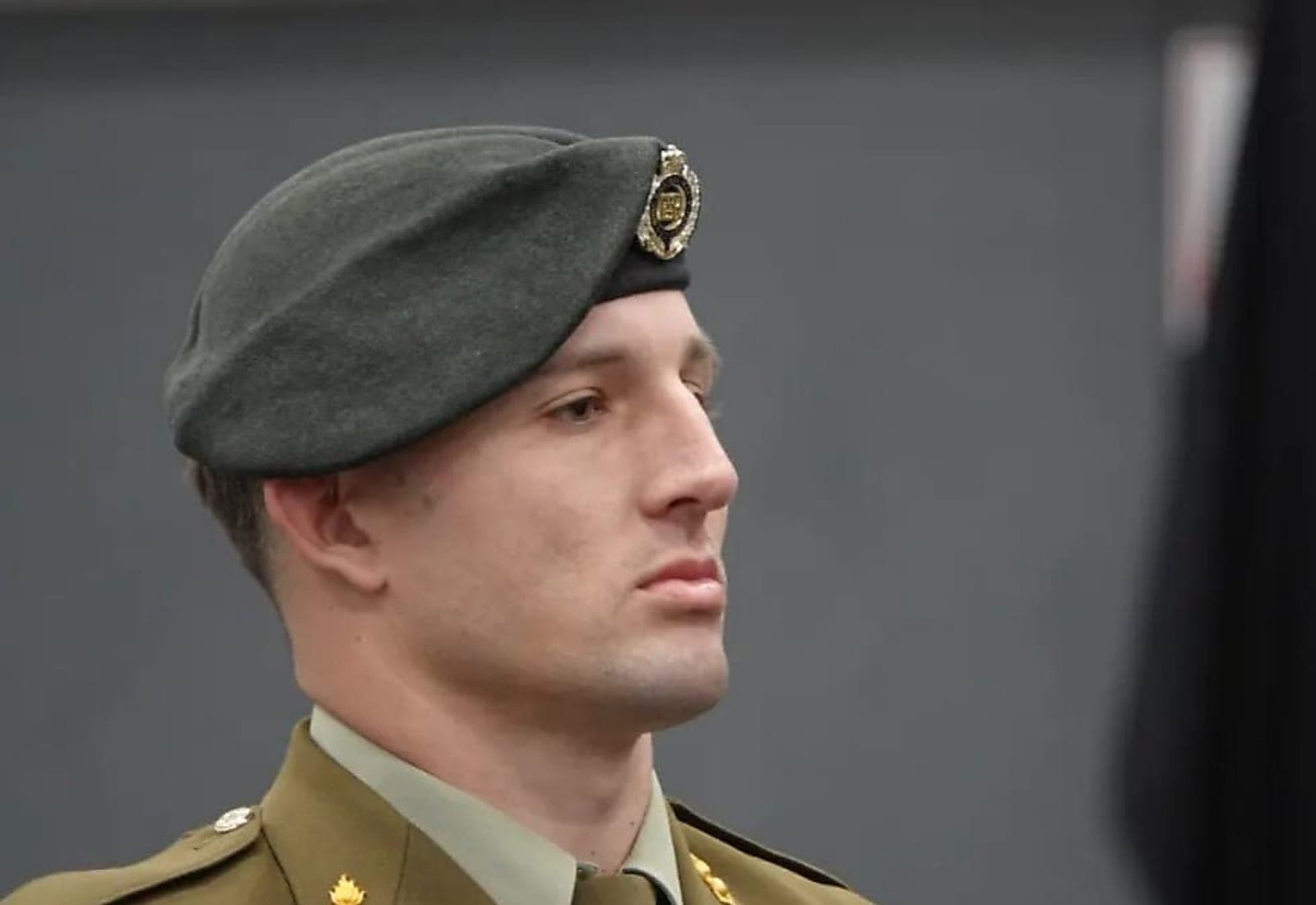
Introduction
When a junior soldier is accused of insulting and threatening a senior officer, the headline is clear - a breach of discipline. Yet the recent demotion of soldier Jared Deal at Waiouru Military Camp in New Zealand raises questions that extend well beyond a single barracks. For readers in Nigeria and elsewhere, the case offers a concrete illustration of how modern armed forces must reconcile the imperatives of command authority with the expectations of procedural fairness, transparency and public trust. This article unpacks the facts, situates the incident within broader defence trends, and draws practical lessons for institutions that operate under strict hierarchies.
Executive summary
- Soldier Jared Deal was demoted after allegations of insulting and threatening a senior officer at Waiouru Military Camp.
- The dispute involved competing accounts concerning an interaction that also implicated the soldier's partner.
- The New Zealand Defence Force's response underscores the growing demand for clear, fair disciplinary processes in militaries worldwide.
- Nigerian security and public‑sector leaders can glean actionable insights on complaint handling, chain‑of‑command integrity and public communication.
- Ongoing monitoring of the case will reveal whether systemic reforms follow the initial punitive action.
Table of contents
- Why this story matters
- Context and background
- What happened
- Key facts readers should know
- Why this matters for Nigeria
- Wider African and global context
- Expert insight and practical implications
- What readers should watch next
- Frequently asked questions
- Conclusion
Why this story matters
Discipline cases in the armed forces are rarely confined to the individuals involved. They become a litmus test for how an institution balances authority with accountability. In the Waiouru incident, the alleged insult and threat were not isolated words; they intersected with a dispute over conduct after a formal gathering, raising concerns about personal boundaries, reporting mechanisms and the fairness of the ensuing investigation. The public reaction demonstrates that modern societies expect militaries to operate with the same procedural rigour that underpins civilian workplaces, even when the stakes involve national security.
Context and background

Waiouru Military Camp is New Zealand's premier training hub, synonymous with rigorous instruction and strict hierarchy. The camp's reputation for professionalism means any breach of conduct is amplified in the public eye. According to the NZ Herald report, the incident stemmed from a disagreement that followed a formal event - an environment where expectations of decorum are especially high. While the full details remain partially undisclosed, the presence of a partner in the narrative suggests that the dispute may have involved alleged inappropriate behaviour beyond the immediate soldier‑officer interaction.
The New Zealand Defence Force (NZDF) has, in recent years, emphasised a shift towards transparent disciplinary procedures. This aligns with a global trend where defence ministries are under pressure to demonstrate that internal complaints, harassment allegations and misconduct are addressed without resorting to opaque, rank‑based resolutions. The Waiouru case therefore arrives at a moment when the balance between swift command‑driven action and due‑process safeguards is under intense scrutiny.
What happened
Based on the reporting available:
- Allegation: Soldier Jared Deal allegedly insulted and threatened a senior officer.
- Trigger: The confrontation followed a formal gathering at the camp, with conflicting accounts about an interaction involving Deal's partner.
- Outcome: The NZDF demoted Deal, making the disciplinary action public.
- Public response: Media coverage highlighted concerns about fairness, the adequacy of the investigative process, and the broader implications for military culture.
The demotion itself is a clear punitive measure, signalling that the NZDF will not tolerate overt challenges to authority. However, the lingering questions about the partner's involvement and the exact nature of the alleged threat mean that the case remains a focal point for debate on procedural integrity.
Key facts readers should know
- The individual involved - Jared Deal, a serving soldier in the NZDF, faced a formal demotion.
- Nature of the allegation - Insulting and threatening a senior officer, a breach that directly challenges the chain of command.
- Context of the dispute - Linked to a post‑event interaction that also featured Deal's partner, creating a layered set of claims.
- Institutional response - The NZDF acted swiftly, publicising the demotion as part of its disciplinary record.
- Media coverage - The NZ Herald provided the primary source, framing the story within broader discussions of military fairness and accountability.
Why this matters for Nigeria
Nigeria's security architecture - encompassing the army, navy, air force and paramilitary agencies - operates under a similarly strict hierarchy. Recent domestic debates have highlighted concerns about complaint handling, whistle‑blower protection and the perception of impunity within the armed forces. The Waiouru case offers several transferable insights:
- Procedural clarity: A transparent demotion, accompanied by a clear statement of the reasons, can bolster public confidence even when the underlying facts are contested.
- Chain‑of‑command integrity: Allowing rank to shield misconduct erodes morale; a visible, consistent response reinforces the principle that no one is above the rules.
- Partner and civilian involvement: When family members or civilians become entangled in internal disputes, robust safeguarding policies are essential to prevent escalation.
- Communication strategy: Prompt, factual public statements mitigate speculation and demonstrate institutional accountability.
For Nigerian defence leaders, the case underscores the importance of balancing swift disciplinary action with an open, fair investigative process - a balance that can protect both operational effectiveness and public legitimacy.
Wider African and global context
Across Africa, several militaries have recently faced scrutiny over internal disciplinary matters. While each nation's legal framework differs, the underlying theme is consistent: modern armed forces are expected to align with international standards of human rights, due process and transparent governance. The Waiouru incident mirrors challenges seen in other jurisdictions, where allegations of abuse, harassment or undue command pressure have prompted calls for reform.
Globally, defence ministries in the United Kingdom, Canada, Australia and the United States have introduced or updated codes of conduct, reporting hotlines and independent review panels. These mechanisms aim to ensure that allegations are investigated impartially, that outcomes are documented, and that lessons learned feed back into training curricula. The New Zealand response, though still unfolding, appears to be part of this broader movement toward institutional resilience.
Expert insight and practical implications
While the NZ Herald article does not quote specific experts, the prevailing consensus among defence analysts is that disciplinary actions must be coupled with systemic safeguards. The following practical steps emerge from the case:
- Documented procedures - Every unit should maintain a written protocol for handling allegations of misconduct, including timelines, evidence‑gathering methods and appeal routes.
- Independent oversight - Establishing an external or semi‑independent review body can reduce perceptions of bias when senior officers are involved.
- Training on professional boundaries - Regular workshops that address conduct at formal events, the role of partners and guests, and the expectations of respectful communication can pre‑empt many disputes.
- Clear communication channels - A dedicated liaison officer or confidential hotline encourages early reporting, reducing the likelihood of escalation.
- Post‑incident analysis - After any disciplinary action, a de‑brief that examines root causes and recommends policy adjustments demonstrates a commitment to continuous improvement.
For Nigerian institutions, adopting similar measures could enhance both operational cohesion and public trust. The emphasis should be on creating a culture where discipline supports, rather than suppresses, fairness.
What readers should watch next
The demotion of Jared Deal is only the first visible outcome. Future developments that will be of interest include:
- Official statements from the NZDF detailing the investigative process and the rationale behind the demotion.
- Any appeal lodged by Deal or his legal representatives, which could test the robustness of the defence force's grievance mechanisms.
- Policy revisions announced by the NZDF, particularly concerning conduct at official gatherings and the handling of third‑party (partner) involvement.
- Comparative reporting from other militaries that may cite the Waiouru case as a precedent for their own disciplinary reforms.
Monitoring these elements will indicate whether the incident leads to substantive change or remains a singular punitive episode.
Frequently asked questions
What specific conduct was Jared Deal accused of?
He was alleged to have insulted and threatened a senior officer after a formal camp event.
Why is the partner's involvement mentioned?
Competing accounts suggest the officer and Deal's partner had a dispute, adding a layer of complexity to the overall incident.
How did the New Zealand Defence Force respond?
The force demoted Deal, making the disciplinary action public.
Does the demotion mean the investigation is complete?
A demotion indicates a disciplinary decision, but it does not preclude further review or appeal processes.
What does this case reveal about military culture?
It highlights the tension between maintaining strict hierarchy and ensuring fair, transparent processes for handling misconduct.
How can Nigerian forces apply lessons from this case?
By strengthening complaint procedures, ensuring independent oversight, and communicating decisions clearly to the public.
Are similar incidents common in other countries?
While each case is unique, many modern militaries face comparable challenges around discipline, due process and public accountability.
What should the public look for in future updates?
Official explanations of the decision‑making process, any policy changes announced, and whether the case prompts broader reforms within the NZDF.
Conclusion
The Waiouru Military Camp incident is more than a headline about a soldier's demotion. It serves as a concrete example of how discipline, fairness and transparency intersect in contemporary armed forces. For New Zealand, the handling of Jared Deal's case will be judged not only by the immediacy of the punitive action but by the clarity of the process and any systemic improvements that follow.
For Nigeria and other nations, the story reinforces a timeless principle: effective authority must be underpinned by credible, equitable procedures. When institutions demonstrate that they can address misconduct openly and justly, they preserve both internal cohesion and external legitimacy. As the case develops, observers should watch for signs of procedural refinement, policy updates and the broader ripple effects on military culture worldwide.
Sources
Continue reading
- Canada rejects US military suppliers in favour of Swedish aircraft: what it means globally and for Nigeria
- Six military officers charged with plot to overthrow Tinubu
- 17 officers killed in Yobe: the attack is the headline, their welfare is the story nobody tells
Global stories such as Waiouru Military Camp case shows why discipline and due process must move together matter most when readers connect them to trade, diplomacy, migration, security, or public sentiment beyond the country where the event first unfolds.
For Nigerian audiences, that broader lens is what turns an international headline into something practically relevant. The next confirmed responses and second-order consequences are usually where the real meaning appears.
A more durable reading of Waiouru Military Camp case shows why discipline and due process must move together also depends on watching what happens after the first burst of attention. Follow-up reporting, institutional response, and longer-term consequences are usually what distinguish a passing headline from a development with real meaning for readers, markets, public policy, or culture. That extra layer of context is where authority journalism becomes most useful.
The wider significance of Waiouru Military Camp case shows why discipline and due process must move together often appears when readers connect the event to diplomacy, trade, migration, security, energy, or public sentiment beyond the country where the development began. International stories rarely remain local for long.
For Nigerian audiences, that broader reading is what turns a distant headline into something practically relevant for policy, markets, or public understanding.
Authority world coverage also asks which alliances are being tested, which institutions are under pressure, and which consequences may arrive later rather than immediately. That prevents readers from overreacting to the first signal while still taking the development seriously.
The next useful updates will usually come from official statements, negotiated responses, economic reactions, or changes in the behaviour of key actors.
A final authority reading of Waiouru Military Camp case shows why discipline and due process must move together should leave readers with more than a recap. It should leave them with a clearer sense of what the issue reveals, what assumptions deserve caution, and which follow-up developments are likely to matter most after the first wave of reaction passes.
For Nigerian readers, the lasting value in Waiouru Military Camp case shows why discipline and due process must move together comes from understanding how a wider development could still affect local expectations, choices, or public conversation.
That is the standard Century Blog should keep chasing: explain the headline, slow the noise down, and give readers enough context to make better judgments the next time a similar issue appears.
No comments yet. Be the first to spark the conversation.