Introduction
Artificial lighting is a hallmark of modern development, yet its invisible spill into the sea is emerging as a silent threat to Nigeria's coastal reefs. Recent research highlighted by EurekAlert! shows that continuous illumination can keep reef fish awake, eroding the rest periods that underpin feeding, predator avoidance and reproduction. For anyone reliant on coastal fisheries, tourism or the protective functions of healthy reefs, understanding this hidden stressor is essential. This article unpacks the science, places it in a Nigerian context and outlines practical steps for policymakers, developers and coastal communities.
Executive summary
- Controlled experiments demonstrate that reef fish exposed to artificial night lighting experience shortened nocturnal rest and elevated stress hormones.
- Disrupted rest cycles can cascade through reef ecosystems, affecting algal control, cleaning services and overall biodiversity.
- Nigeria's 853‑kilometre shoreline is increasingly illuminated by floodlights, security lamps and decorative lighting associated with urban expansion.
- Light pollution adds a sub‑lethal stressor to existing pressures such as overfishing, climate‑driven warming and habitat loss.
- Mitigation is feasible through shielded luminaires, motion‑activated fixtures and wavelength selection, offering a cost‑effective path to protect marine health while maintaining safety.
Table of contents
- Why this story matters
- Context and background
- What happened
- Key facts readers should know
- Why this matters for Nigeria
- Wider African and global context
- Expert insight and practical implications
- What readers should watch next
- Frequently asked questions
- Conclusion
Why this story matters
Visible environmental crises-oil spills, plastic debris, coral bleaching-capture headlines because they produce dramatic images. Light pollution, by contrast, is invisible to the naked eye at night and therefore easy to overlook. Yet the same physiological need for darkness that structures human sleep also governs the daily rhythms of marine organisms. Reef fish, for example, enter a low‑activity state after dusk that allows them to recover from daytime exertion, consolidate energy stores and avoid nocturnal predators. When artificial illumination intrudes, that restorative period is shortened or fragmented, potentially reducing growth rates, impairing immune function and altering predator‑prey dynamics. In a region where coastal fisheries contribute a substantial share of protein and income, even modest declines in fish health can ripple through food security and local economies. Recognising artificial light as an ecological stressor therefore expands the toolkit of conservation, giving policymakers a new lever to protect marine resources.
Context and background
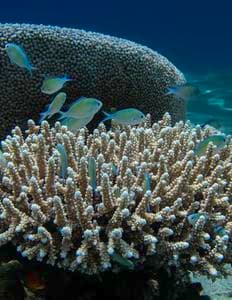
The EurekAlert! release adds to a growing body of literature documenting the ecological reach of artificial light at night (ALAN). Terrestrial research has long linked streetlights to disoriented migratory birds, altered insect foraging and disrupted plant phenology. Marine investigations are newer but increasingly robust: sea‑turtle hatchlings become confused by beachfront lighting, and benthic invertebrates show altered spawning cues under constant illumination. Coastal development worldwide-from expanding ports to beachfront resorts-has amplified the intensity and spatial extent of ALAN, especially in tropical regions where night‑time darkness is a natural constant.
Nigeria's 853‑kilometre shoreline hosts a mosaic of habitats, including coral reefs, mangroves and seagrass beds that underpin fisheries and tourism. Rapid urbanisation in Lagos, Port Harcourt and smaller coastal towns has introduced high‑intensity floodlights, security lamps and decorative lighting. While these installations improve safety and support economic activity, they also increase the photon flux that penetrates shallow waters. The cumulative effect is a shift from a historically dark marine environment to one punctuated by intermittent, bright pulses that can extend well beyond sunset. This shift is not merely aesthetic; it rewrites the light‑dark cycle that marine species have evolved to interpret.
What happened
Researchers surveyed reef fish exposed to controlled artificial lighting that mimicked typical coastal floodlights. Using behavioural tracking and physiological markers, they observed a marked reduction in the duration of nocturnal rest periods compared with fish kept under natural darkness. The illuminated fish displayed increased cortisol‑like stress hormones and altered feeding patterns the following day, suggesting that the disruption extended beyond the night itself. Importantly, the effect was not a fleeting reaction to a sudden flash; rather, the fish's circadian rhythm appeared to be reset, leading to a chronic state of heightened alertness.
These findings matter because reef fish occupy pivotal ecological niches. Many act as grazers that keep algal growth in check, while others serve as cleaners that remove parasites from larger species. A population‑wide shift in behaviour can therefore destabilise the balance of the reef community, allowing opportunistic algae to overgrow and reducing the overall biodiversity that supports resilient fisheries. The study also underscores that light, like chemical pollutants, can act as a sub‑lethal stressor-one that does not cause immediate mortality but erodes health and ecosystem function over time.
Key facts readers should know
- Rest disruption: Artificial night lighting shortens the natural rest period of reef fish, a state comparable to sleep in humans.
- Physiological stress: Exposed fish show elevated stress hormones, a proxy for chronic physiological strain.
- Behavioural ripple: Altered feeding the following day indicates that night‑time disturbance has carry‑over effects.
- Ecosystem balance: Reef fish that graze or clean are essential for controlling algal overgrowth and maintaining coral health.
- Sub‑lethal impact: Light does not kill outright but can weaken immune responses, reduce growth and lower reproductive success over time.
- Geographic relevance: Nigeria's coastal development is intensifying the reach of artificial lighting into reef habitats.
Why this matters for Nigeria
Nigeria stands at a crossroads of development and conservation. The nation's coastal zones are earmarked for new ports, tourism complexes and renewable‑energy installations, all of which rely on extensive lighting for operations and visitor safety. Simultaneously, climate change is raising sea temperatures and intensifying storm events, while overfishing continues to pressure fish stocks. In this context, artificial lighting is not an isolated issue but an additive stress that can tip already fragile systems toward decline.
Policy makers are beginning to integrate environmental impact assessments (EIAs) for large‑scale projects, yet many EIAs still focus on water quality, habitat loss and noise, with little attention to light. The research provides a measurable indicator-altered fish rest patterns-that can be incorporated into monitoring frameworks. If regulators adopt lighting guidelines that limit intensity, direct glare and operating hours, the hidden cost of development could be mitigated without sacrificing economic benefits. Moreover, the findings give coastal communities a tangible reason to advocate for "dark‑sky" practices, aligning local livelihood concerns with global biodiversity goals.
Wider African and global context
Artificial light pollution is gaining recognition beyond Nigeria. The International Dark‑Sky Association (IDA) has extended its advocacy to marine environments, encouraging "dark‑coast" ordinances that limit light spill into water. European cities such as Barcelona and coastal towns in the United Kingdom have introduced shielded lighting schemes that protect both terrestrial and marine fauna. In the United States, several marine protected areas now require lighting audits as part of their management plans.
Across Africa, rapid coastal urbanisation presents similar challenges. Countries with extensive reef systems-such as Tanzania, Kenya and Mozambique-are beginning to assess the cumulative impacts of ALAN on marine biodiversity. Collaborative research programmes, often funded by regional bodies, are mapping light intensity along coastlines and correlating it with changes in fish behaviour. Nigeria's adoption of comparable standards would position the country as a regional leader in sustainable coastal development, potentially attracting eco‑tourism and research investment.
Expert insight and practical implications
Chronobiology, the study of biological clocks, offers a framework for understanding why light matters. Disruption of circadian rhythms is known to weaken immune responses, reduce reproductive output and lower survival rates across taxa. In reef ecosystems, where species interactions are tightly coupled, a shift in one group's activity pattern can cascade through trophic levels. For instance, if nocturnal grazers spend less time feeding, algal overgrowth may increase, smothering coral polyps and reducing habitat complexity for other fish.
From a management perspective, the challenge lies in balancing human safety and economic imperatives with ecological integrity. Technological solutions exist and are already deployed in other jurisdictions:
- Fully shielded luminaires: Direct light downward, preventing spill into water.
- Motion‑activated fixtures: Operate only when movement is detected, reducing continuous illumination.
- Wavelength selection: Amber or red LEDs are less attractive to many marine species than blue‑white light.
- Timed dimming: Reducing intensity during peak spawning or feeding periods.
Implementing such measures requires coordination among municipal planners, port authorities and private developers. The cost differential is often modest compared with the long‑term economic value of healthy fisheries and tourism. For Nigerian stakeholders, the lesson is pragmatic rather than alarmist. The research does not call for a cessation of coastal lighting but for smarter design. By integrating lighting audits into the early stages of project planning, authorities can identify hotspots where illumination overlaps with critical reef habitats. Targeted mitigation-such as dimming lights during peak spawning periods or installing barriers that block light spill into water-can preserve the functional role of night‑time darkness while still meeting human needs.
What readers should watch next
The immediate next step is translation of the scientific findings into policy guidance. Potential developments to monitor include:
- Revision of Nigeria's coastal EIA guidelines to require assessment of artificial lighting impacts.
- Publication of a national "dark‑coast" standard for ports, hotels and industrial zones.
- Pilot projects in Lagos or Port Harcourt that test shielded, motion‑activated lighting on a limited scale.
- Partnerships between environmental NGOs and the private sector to promote "eco‑friendly" lighting as a market differentiator for tourism operators.
Stakeholders should also keep an eye on regional collaborations that aim to map coastal light pollution across West Africa, as well as any funding calls from international bodies that support mitigation technology deployment.
Frequently asked questions
What is artificial light at night (ALAN) and how does it reach marine environments?
ALAN refers to any human‑generated illumination that extends beyond sunset. In coastal settings, floodlights, security lamps and decorative lighting can cast light directly onto the water surface, where it penetrates shallow habitats and alters the natural darkness that marine organisms rely on.
Why do reef fish need a period of rest after dusk?
The nocturnal rest period allows fish to recover from daytime activity, consolidate energy stores, and avoid nocturnal predators. It also synchronises physiological processes such as hormone regulation and immune function.
How was the impact of artificial lighting on fish measured in the study?
Researchers used behavioural tracking to record the duration of rest periods and analysed physiological markers, including cortisol‑like stress hormones, to assess the fish's internal response to continuous illumination.
Does the study suggest that all artificial lighting is harmful?
The study demonstrates that continuous, bright illumination can disrupt fish rest cycles. It does not imply that every light source is equally harmful; intensity, spectrum, direction and timing all influence the degree of impact.
Are there examples of successful lighting mitigation in other countries?
Yes. Cities such as Barcelona and several coastal towns in the United Kingdom have adopted shielded lighting and wavelength‑selection strategies that reduce marine light spill while maintaining public safety.
How can Nigerian coastal developers reduce light pollution without compromising security?
Options include installing fully shielded luminaires, using motion‑activated fixtures, selecting amber‑tinted LEDs, and implementing timed dimming during periods of low human activity.
What role can local fishing communities play in addressing light pollution?
Communities can participate in monitoring programmes, report excessive lighting near critical habitats, and advocate for "dark‑sky" practices that protect the fish populations they depend on.
Will reducing artificial lighting have measurable benefits for fisheries?
While long‑term monitoring is required, reducing light‑induced stress is expected to improve fish health, growth rates and reproductive success, which can translate into more sustainable catches over time.
Conclusion
Artificial night lighting may appear benign, but the evidence shows it can erode the natural rhythms that keep reef fish healthy and ecosystems functional. For Nigeria, the issue sits at the intersection of development ambition and marine stewardship. By recognising light as a measurable environmental pressure and adopting targeted mitigation-shielded fixtures, motion activation, wavelength selection-Nigeria can safeguard its coastal fisheries, tourism appeal and biodiversity for generations to come. The path forward blends scientific insight with pragmatic design, ensuring that progress does not come at the expense of the seas that sustain the nation.
Technology stories such as Artificial Night Lighting Threatens Nigeria's Coastal Reef Ecosystems become more useful when readers look past the announcement and focus on adoption, regulation, access, and the practical barriers that determine who actually benefits.
That perspective matters in Nigeria, where the promise of innovation often depends on infrastructure, affordability, skills, and trust. The next stage of implementation will say more than the initial excitement.
No comments yet. Be the first to spark the conversation.