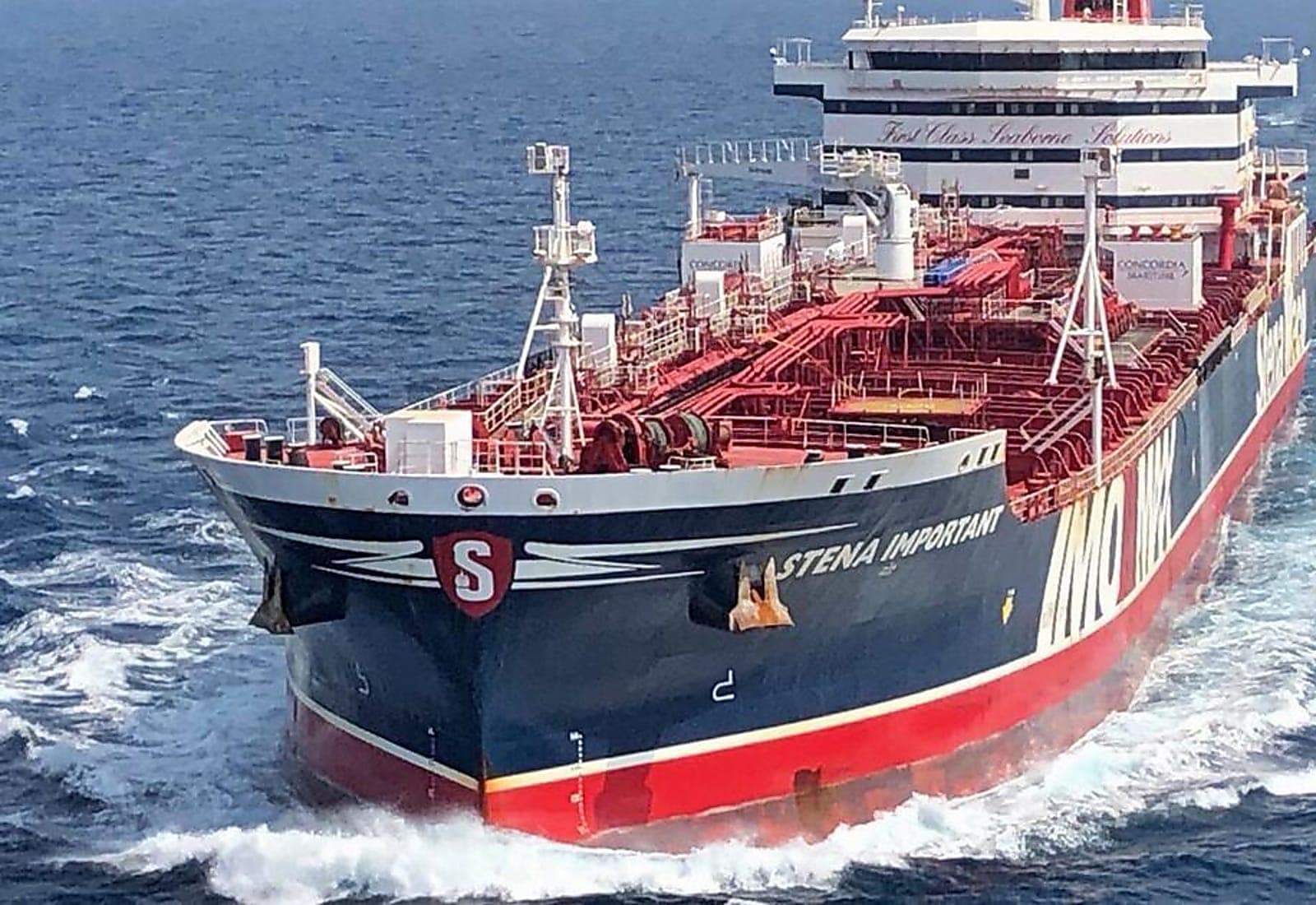
When oil prices rise because of geopolitical tension, the impact rarely stops at the energy market. It moves into inflation expectations, central-bank thinking, investor confidence, airline costs, shipping risk and the balance sheets of countries that either buy or sell crude. That is why the latest combination of cautious Asian markets and firmer oil prices deserves more than a routine trading summary. It reveals how tightly connected today's markets remain to political risk in the Middle East.
Why this story matters
This story matters because it shows how quickly investors can shift from optimism to caution when energy security comes back into focus. Equity markets may still be supported by technology enthusiasm, artificial-intelligence spending or strong corporate results, but those themes become harder to sustain when traders start worrying about higher fuel costs, shipping disruption and a broader inflation rebound.
The key issue is not just that oil is rising. It is why oil is rising. If the move is tied to prolonged tension involving the United States and Iran, especially around a strategically vital shipping route, then the market is no longer pricing a normal commodity fluctuation. It is pricing risk.
For readers in Nigeria, that matters in a double sense. Nigeria is an oil producer, so higher crude prices can support revenue and reserves. But Nigeria is also a country where energy costs, imported inflation and fragile business planning can worsen when global volatility becomes more intense. The same oil move can therefore look helpful on one screen and painful in everyday life.
This report should be read alongside verified market data and official updates on geopolitical developments where available.
Context and background
Asian markets are often especially sensitive to energy shocks because many major economies in the region rely heavily on imported oil. That means rising crude prices can feed directly into production costs, transport bills, inflation concerns and investor hesitation. When the market sees Middle East tension pushing oil higher, Asian assets naturally become part of the reaction story.
The broader backdrop is important too. Financial markets had already been trying to balance multiple narratives at once: optimism around technology and AI investment, uncertainty around inflation, hopes for easier monetary policy and concern about geopolitical instability. That combination made the system look stable on the surface but vulnerable underneath.
In such an environment, energy becomes a pressure point. If oil remains elevated for long enough, it can complicate almost every other story investors are telling themselves. Rate-cut hopes become less certain. Corporate cost assumptions become shakier. Emerging-market currencies come under more strain. Shipping-sensitive sectors become more exposed. That is why market participants watch both the headline price and the political reason behind it.
What happened
The immediate development is that oil prices have stayed firm while Asian markets prepare for more cautious trading against the backdrop of tension involving the United States and Iran. According to the cited Bloomberg report, the deadlock has added to fears around energy supply and broader market sentiment.
The more important point is that investors are once again being forced to connect geopolitics with macroeconomics. A standoff that threatens the stability of an important oil-transit corridor does not stay confined to diplomatic headlines. It becomes a financial event.
This is why markets can look contradictory at first glance. Some equity optimism may remain in place, especially around technology or earnings resilience, while oil climbs and safe-haven behaviour strengthens. Investors are essentially trying to decide whether the geopolitical risk is containable noise or the start of a more serious inflationary problem.
Why it matters now
It matters now because inflation has not fully disappeared as a market concern. If oil rises for long enough, it can push transport, manufacturing, logistics and consumer prices higher across multiple economies. That puts central banks in a difficult position. Monetary authorities that were hoping inflation would ease may have to stay cautious for longer if energy starts to do the tightening for them.
That is especially important for markets that had been leaning on the idea that interest-rate pressure might gradually soften. Higher oil can interrupt that narrative. If traders begin to think central banks will stay tighter for longer, the effect can spread into bonds, equities, currencies and business investment plans.
For Asia, the timing is particularly sensitive because the region includes major import-dependent economies that cannot easily ignore prolonged energy stress. Even if growth themes remain intact in some sectors, fuel-driven inflation can still erode confidence. Investors are therefore watching whether geopolitical strain remains a background issue or becomes the main driver of price action.
Deeper analysis
The weak version of this article treated the story as a bundle of trading reactions. The deeper story is about how markets absorb uncertainty. Oil is acting like a messenger here. It is signalling that global investors still see the Middle East as a source of systemic economic risk, not just a local diplomatic drama.
That matters because modern markets are heavily narrative-driven. When technology stocks lead, traders tell a growth story. When bond yields climb, they tell a rates story. When oil rises on geopolitical stress, they start telling an inflation-and-security story. The market does not need every one of those stories to be equally true at the same time, but it does need to decide which one is strongest.
Right now, that competition between narratives is the real issue. AI optimism may still support risk appetite, but energy insecurity can undermine it. Strong earnings can encourage buying, but geopolitical escalation can make investors less willing to take risk. This is why market tone can feel confused. It is not confused. It is contested.
Nigeria sits in an especially interesting position within that contest. Higher crude prices can improve headline revenue conditions and support the case for stronger external buffers. Yet the public benefit is not automatic. If transport costs rise, if imported pressure returns or if local businesses remain exposed to energy-linked inflation, then the domestic experience may still feel difficult. That is why oil rallies should not be read too romantically in a fragile economy.
There is also a psychological dimension. When geopolitical shocks become prolonged, businesses delay decisions. Investors become more selective. Consumers become more cautious. Even if the hard economic impact takes time to spread, uncertainty itself begins doing damage first.
What happens next
The next phase depends on whether the US-Iran tension cools, hardens or spills into more disruptive events around regional shipping and security. Readers should watch three linked signals: oil price persistence, central-bank language and broader investor behaviour.
If oil retreats quickly, markets may treat the recent move as manageable stress rather than a structural threat. If prices stay firm or rise further, traders are more likely to rethink inflation and rate expectations. That is when the impact becomes broader.
It will also matter whether Asian markets continue to separate technology optimism from energy anxiety or whether the two stories begin to collide more aggressively. Once investors stop believing that geopolitical risk is containable, market reactions can spread quickly across sectors and regions.
For Nigeria, the practical test is simple: do higher oil prices improve external confidence faster than they worsen domestic cost pressure? That balance will shape whether the global oil move feels like relief, strain or a mix of both.
Final takeaway
The rise in oil prices and the cautious mood in Asian markets are part of the same story. Investors are trying to price not only a geopolitical deadlock, but the economic consequences that can follow from it: higher inflation risk, more cautious central banks and weaker confidence in a smooth global recovery.
That is why this story matters beyond traders. When oil, inflation and geopolitical tension move together, households, businesses and governments eventually feel it too. The market is not simply reacting to headlines. It is trying to decide how expensive instability may become.
No comments yet. Be the first to spark the conversation.