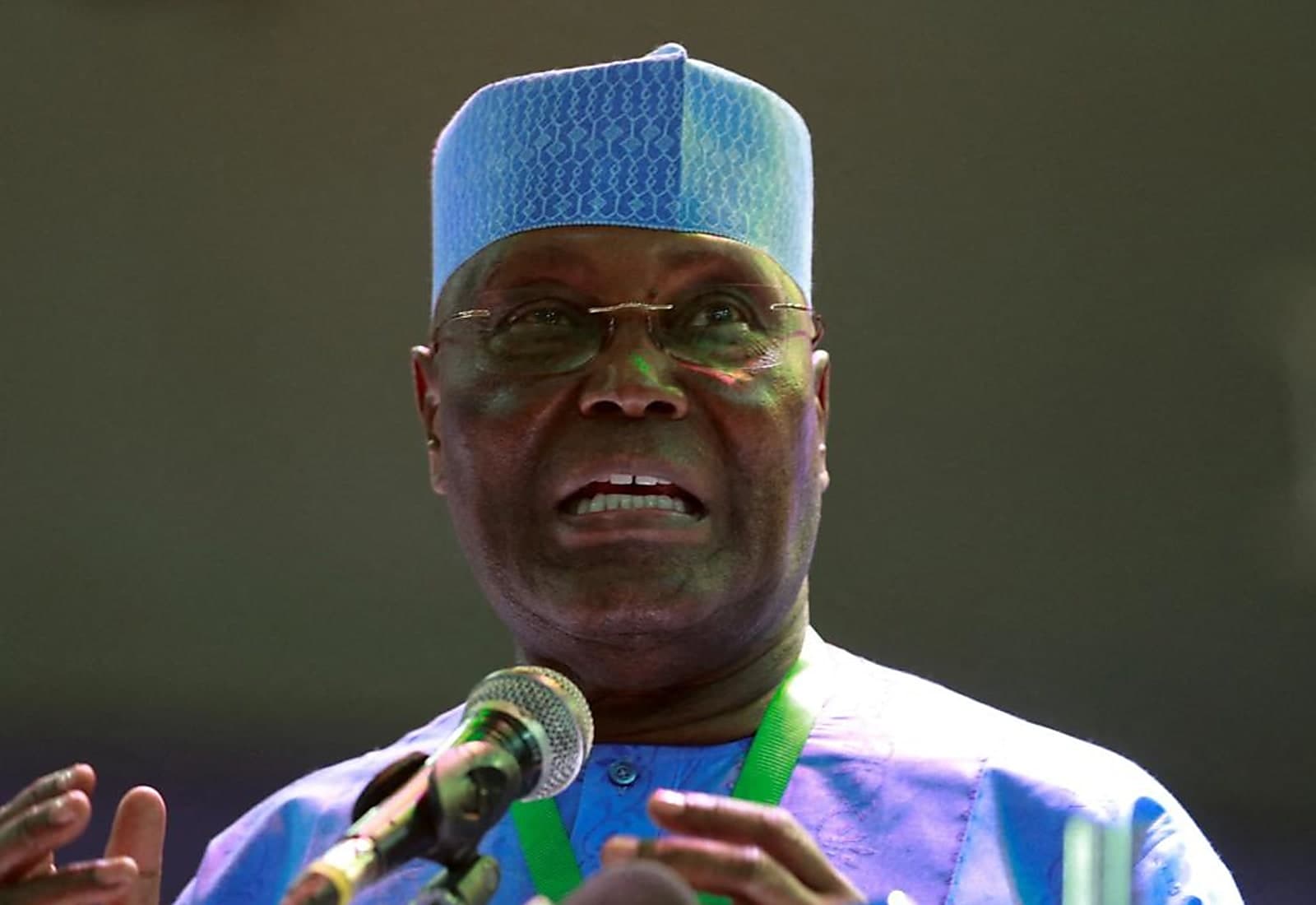
Former Vice President Atiku Abubakar is once again at the centre of Nigeria's political conversation after reports emerged that his US-based lobbying representatives have been engaging American lawmakers and policy circles over:
- human rights concerns,
- insecurity,
- electoral integrity,
- and democratic governance in Nigeria. :contentReference[oaicite:0]{index=0}
The development is already generating fierce political reactions across Nigeria.
Supporters describe it as legitimate international advocacy aimed at defending democracy and drawing global attention to insecurity and governance concerns.
Critics, however, accuse Atiku of attempting to internationalise Nigeria's internal politics and damage the country's image abroad ahead of the 2027 elections.
And beneath the political noise lies a much bigger issue.
Because the controversy reflects how:
- Nigerian politics,
- Washington lobbying,
- international diplomacy,
- human rights,
- and election strategy
are becoming increasingly connected.
What Exactly Happened
Reports indicate that Atiku Abubakar engaged a Washington-based lobbying firm, Von Batten-Montague-York, L.C., under a deal reportedly valued at about $1.2 million. :contentReference[oaicite:1]{index=1}
According to documents reportedly filed with the US Department of Justice, the firm's role includes:
- improving Atiku's standing within US policy circles,
- engaging lawmakers,
- discussing governance concerns in Nigeria,
- and countering narratives linked to the Nigerian government. :contentReference[oaicite:2]{index=2}
The lobbying effort reportedly also involves discussions around:
- insecurity,
- election credibility,
- democratic accountability,
- and human-rights concerns in Nigeria. :contentReference[oaicite:3]{index=3}
Representatives connected to the lobbying effort reportedly met aides linked to US Congressman Riley Moore to discuss:
- election integrity,
- political intimidation claims,
- and security issues affecting Nigeria. :contentReference[oaicite:4]{index=4}
Why Human Rights Became Central
Human-rights concerns remain one of Nigeria's most internationally sensitive issues.
Over the years, organisations including:
- Amnesty International,
- Human Rights Watch,
- and local civil-rights groups
have repeatedly raised concerns involving:
- police brutality,
- insecurity,
- unlawful detention,
- election violence,
- and attacks by armed groups. :contentReference[oaicite:5]{index=5}
Nigeria's government has consistently defended its record by arguing the country faces extremely complex security challenges involving:
- terrorism,
- banditry,
- separatist violence,
- kidnapping,
- and organised crime.
Still, opposition politicians increasingly believe international pressure can influence both:
- public perception,
- and diplomatic attention globally.
That appears partly connected to Atiku's current strategy.
Why US Lobbying Matters So Much
In Washington, lobbying is a massive industry.
Governments, corporations, activists, and political figures routinely hire firms to:
- influence policy discussions,
- shape narratives,
- build political relationships,
- and improve international perception.
For Nigerian politicians, US lobbying has become increasingly important because America still carries enormous diplomatic and geopolitical influence globally.
Meetings with:
- lawmakers,
- congressional aides,
- policy advisers,
- and international think tanks
can shape how Nigeria is discussed internationally.
This is why political lobbying abroad increasingly forms part of modern Nigerian political strategy.
Critics Say It Damages Nigeria's Image
Supporters of President Tinubu and some government allies strongly criticised the lobbying effort.
Critics argue taking Nigeria's internal political battles to Washington:
- weakens national image,
- encourages foreign interference,
- and damages investor confidence.
Some also accused opposition figures of trying to weaponise:
- insecurity,
- electoral complaints,
- and human-rights narratives
for political advantage ahead of 2027.
This criticism is not new.
Historically, Nigerian politicians who seek strong international attention against sitting governments often face accusations of "washing dirty linen abroad."
Supporters Say International Pressure Is Necessary
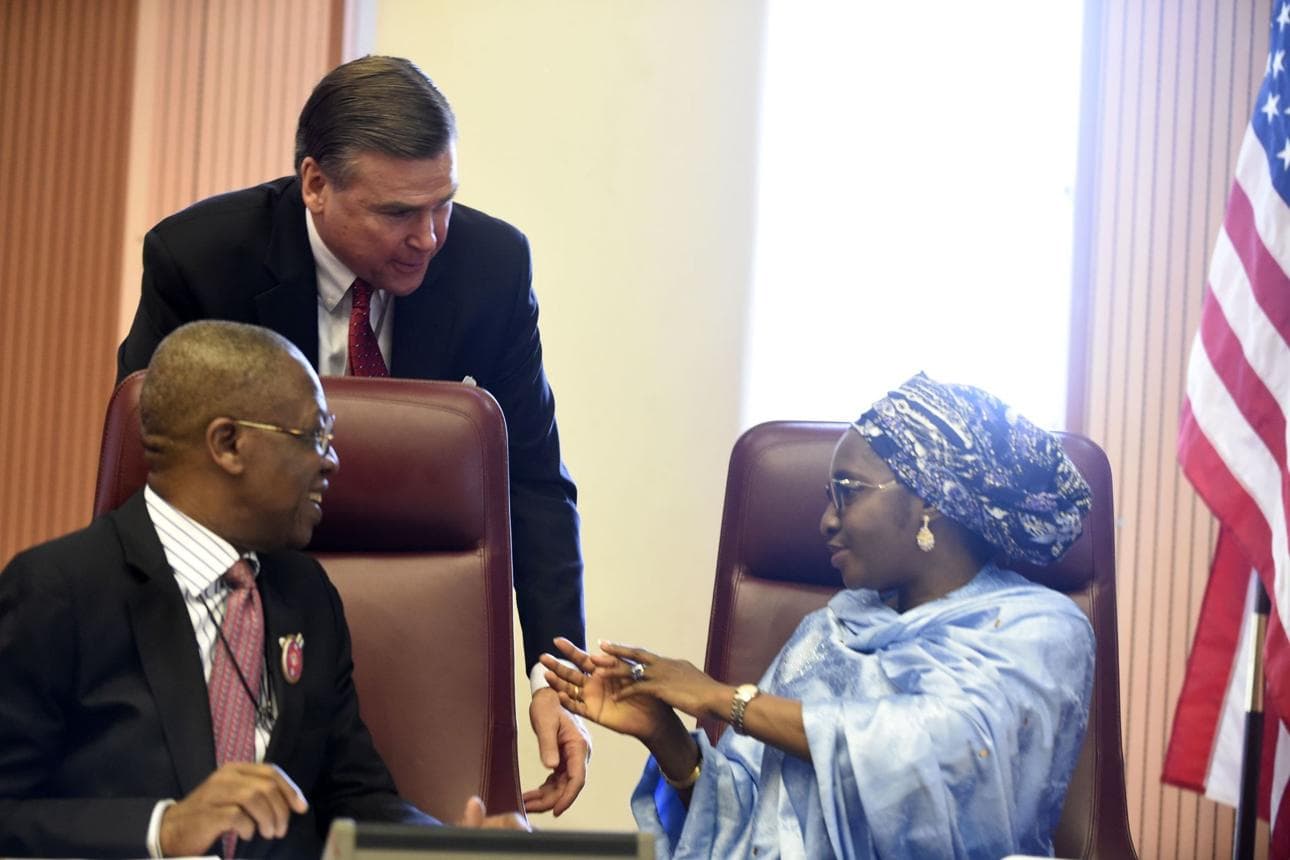
Atiku's supporters see the issue differently.
They argue international advocacy becomes necessary when:
- democratic concerns grow,
- elections become controversial,
- or insecurity worsens.
Supporters claim lobbying foreign governments does not automatically equal betrayal.
Instead, they describe it as:
- democratic engagement,
- international diplomacy,
- and political pressure aimed at accountability.
Some also argue Nigerian politicians across party lines have historically used foreign lobbying themselves when convenient.
Why the 2027 Elections Already Matter
Although Nigeria's next presidential election is still approaching, political positioning has already intensified significantly.
Atiku remains widely viewed as one of the strongest possible opposition figures heading toward 2027.
The lobbying effort therefore carries obvious political implications.
It helps:
- build international visibility,
- strengthen diplomatic relationships,
- and shape narratives before campaigns fully begin.
Both the ruling APC and opposition forces increasingly understand modern elections are influenced not only locally, but globally too.
Nigeria's Human Rights Debate Is Complicated
One major challenge is that Nigeria's human-rights conversation is extremely complex.
The country genuinely faces serious security problems involving:
- Boko Haram,
- armed banditry,
- kidnappings,
- communal violence,
- and separatist tensions.
Security agencies often operate under enormous pressure.
At the same time, activists and international organisations continue documenting allegations involving:
- excessive force,
- unlawful detention,
- abuse of protesters,
- and political intimidation. :contentReference[oaicite:6]{index=6}
This creates a difficult balance between:
- national security,
- and civil liberties.
The US Also Has Strategic Interests
America's interest in Nigeria goes beyond human rights alone.
Nigeria remains:
- Africa's largest population,
- one of the continent's biggest economies,
- and a major regional security power.
The US therefore closely monitors Nigerian developments involving:
- democracy,
- elections,
- counterterrorism,
- oil markets,
- and regional stability.
Any lobbying connected to Nigeria therefore intersects with broader geopolitical interests too.
Why Nigerians Online Are Divided
Reaction online has been deeply divided.
Some Nigerians praised Atiku's efforts, arguing the international community should pay more attention to:
- insecurity,
- governance,
- and democratic concerns inside Nigeria.
Others condemned the move completely.
Critics accused him of:
- undermining national sovereignty,
- seeking foreign sympathy,
- and politicising sensitive national-security issues.
The fierce reactions reveal how emotionally polarised Nigerian politics already feels before 2027.
The Bigger Story Is About Globalised Politics
The deeper significance of the story is how global modern politics has become.
Today, political battles increasingly involve:
- international media,
- Washington lobbying,
- digital campaigns,
- diaspora influence,
- and foreign policy relationships.
Nigerian politics is no longer discussed only inside Nigeria.
It now operates inside a much larger global political ecosystem.
What Happens Next
Attention will now focus on:
- whether the lobbying effort expands further,
- how the Tinubu administration responds diplomatically,
- whether US lawmakers increase scrutiny on Nigeria,
- and how the issue shapes early 2027 political narratives.
Political observers also expect stronger information warfare online between both ruling-party supporters and opposition groups over coming months.
Final Analysis
Atiku Abubakar's reported lobbying activities in Washington are about far more than one opposition politician seeking influence abroad.
They reveal how:
- democracy,
- international diplomacy,
- human rights,
- and election politics
are increasingly intertwined in modern Nigeria.
And as the country slowly moves toward another election cycle, the battle for Nigeria's future may not only be fought in:
- Abuja,
- Lagos,
- Kano,
- or Port Harcourt,
but also inside:
- Washington,
- global media platforms,
- and international political networks shaping how Nigeria is viewed worldwide.
No comments yet. Be the first to spark the conversation.