Introduction
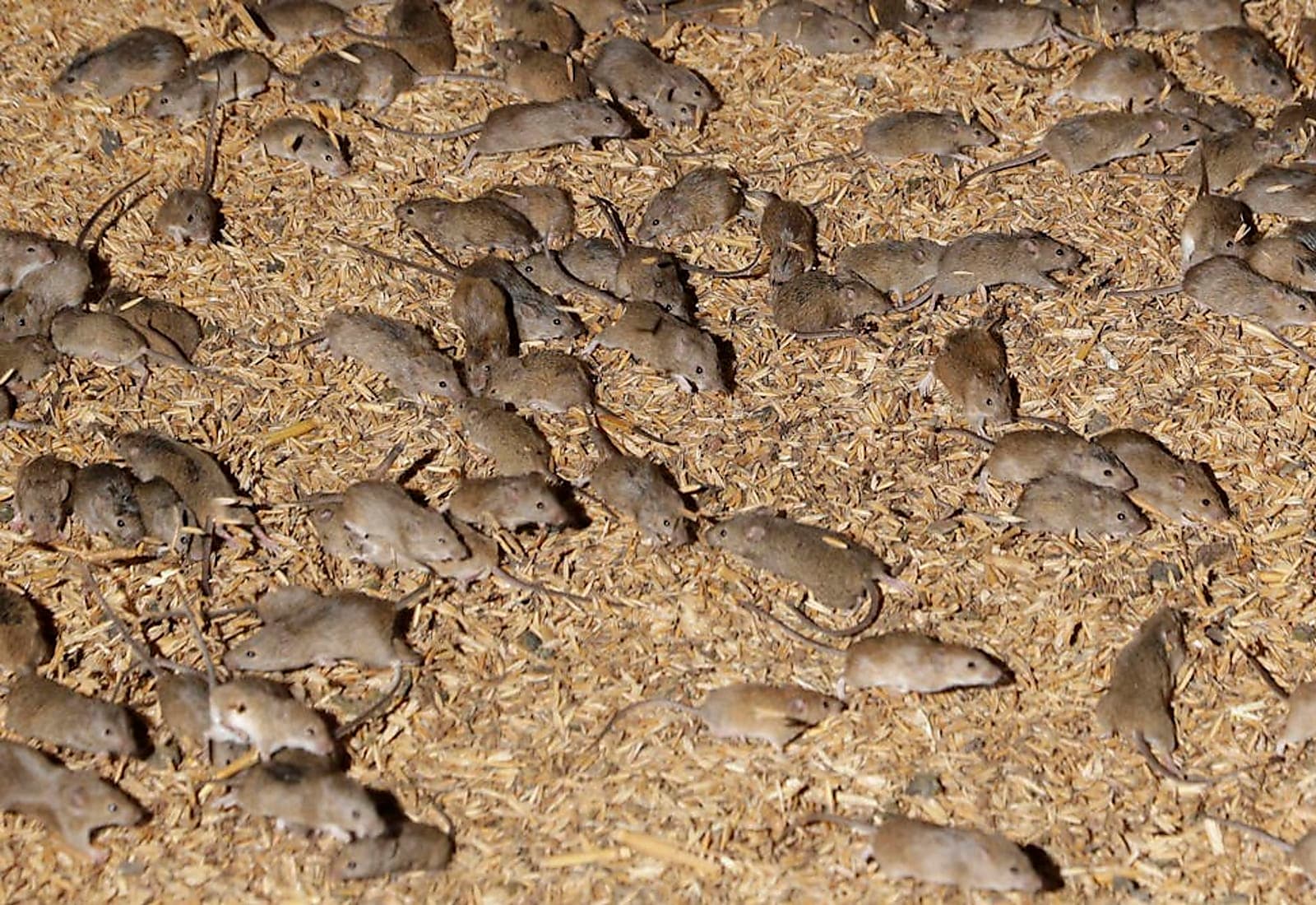
A sudden surge of mice across Australia's grain belts is more than a rural nuisance - it is a warning sign for every nation that depends on stable food production. The outbreak, now centred on the Murray‑Darling basin, is already damaging wheat and barley crops, contaminating stored grain and disrupting harvest machinery. For Nigerian growers, whose post‑harvest losses to rodents already strain margins, the Australian experience offers a practical case study in early‑warning, coordinated response and the limits of technology when faced with a biological shock.
Executive summary
- Australian grain growers are confronting a severe mouse outbreak that is damaging crops, storage facilities and equipment.
- The plague follows a pattern of roughly decadal surges triggered by wet winters and warm springs that create abundant food for rodents.
- Farmers are employing a layered response that mixes traditional baiting and trapping with newer tools such as remote‑sensing cameras and GPS‑linked bait maps.
- The situation illustrates how pest pressure can quickly evolve into a food‑security threat, especially when climate variability amplifies breeding conditions.
- Lessons for Nigeria include the importance of early detection, community‑wide monitoring networks and integrated pest‑management (IPM) strategies that balance chemical, mechanical and cultural controls.
- Global implications point to the need for robust extension services and rapid‑response protocols to protect export quality and domestic price stability.
Table of contents
- Why this story matters
- Context and background
- What happened
- Key facts readers should know
- Why it matters for Nigeria
- Wider African and global context
- Expert insight and practical implications
- What readers should watch next
- Frequently asked questions
- Conclusion
Why this story matters
Rodent surges can devastate more than a single field. Mice chew seedlings, strip leaves and contaminate grain heads, reducing yields before harvest even begins. In storage, they gnaw through bags, leave urine and droppings, and can jam the mechanical components of grain dryers and conveyors. When these impacts spread across a wide region, the issue shifts from a local inconvenience to a genuine food‑security and supply‑chain challenge.
For Nigeria, where many smallholders store grain in simple structures and rely on limited mechanisation, the Australian episode underscores the urgency of building resilient pest‑management systems before losses become irreversible.
Context and background
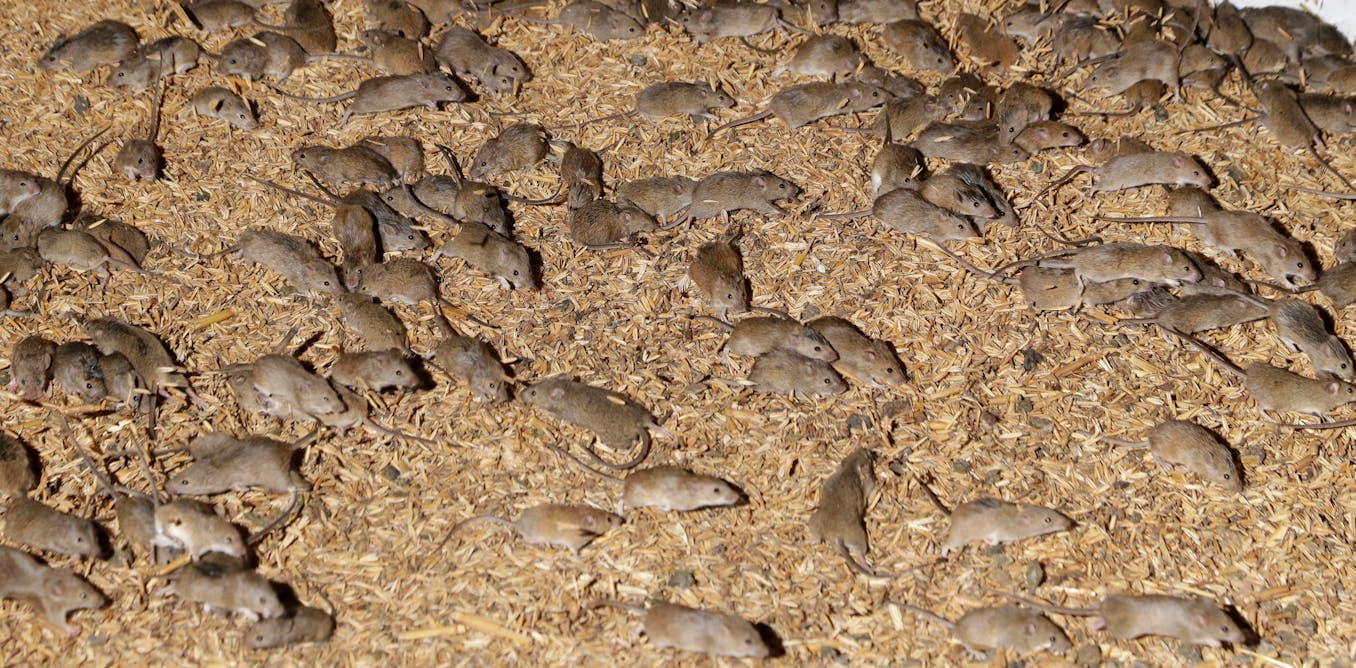
Australia's mouse plagues are not random anomalies. Historical records show major surges roughly every ten years, each triggered by a combination of a wet winter and a warm spring. These weather patterns generate abundant weed growth and early‑season crops that provide a continuous food source for rodents, while the warm temperatures accelerate breeding cycles.
The Murray‑Darling basin, Australia's most productive grain region, is especially vulnerable. Its extensive wheat and barley fields present a "buffet" for mice, and the large silos and storage facilities that dot the landscape offer shelter and nesting sites. Past plagues have forced growers to adopt a mix of baiting, trapping and field sanitation, yet the recurring nature of the events highlights a structural challenge: balancing high productivity with the capacity to absorb sudden biological shocks.
Climate variability is intensifying this balance. Wetter conditions boost rodent populations while simultaneously stressing crops, creating a perfect storm for pest proliferation. The current outbreak follows this familiar pattern, reminding policymakers that ecological drivers can outpace conventional farm‑level safeguards.
What happened
According to reporting by The Conversation Africa, grain growers across the basin are now battling a mouse outbreak that is already affecting crops, equipment and the broader sense of security around harvest protection. Farmers describe extensive damage to wheat and barley fields: rodents gnaw seedlings, strip leaves and contaminate grain heads. In storage, mice have been found chewing through bagged grain, contaminating product with urine and droppings, and even damaging the mechanical components of grain dryers and conveyors.
In response, growers are deploying a suite of measures:
- Bait stations - strategically placed across fields and around storage sites.
- Increased field patrols - daily walks to locate active burrows and assess damage.
- Acoustic deterrents - experimental devices that emit frequencies intended to discourage rodent activity.
- Remote‑sensing cameras - positioned to monitor rodent movement patterns in real time.
- GPS‑linked bait maps - digital tools that allow farmers to record bait locations and share data with regional agribusiness groups.
Regional agricultural bodies have issued alerts urging coordinated monitoring and the sharing of pest‑density data. No single technology has emerged as a silver‑bullet solution; instead, farmers are relying on a layered approach that blends traditional methods with newer tools.
While definitive statistics are not provided, the article conveys that the outbreak is large enough to threaten the profitability of the season for many growers, and that relief may depend on forthcoming seasonal weather patterns that could curb mouse breeding cycles.
Key facts readers should know
- Geographic focus - The plague is centred on the Murray‑Darling basin, a key wheat and barley producing area.
- Seasonal driver - A wet winter followed by a warm spring created abundant food and ideal breeding conditions.
- Crop impact - Mice are chewing seedlings, stripping leaves and contaminating grain heads, directly reducing yield potential.
- Storage impact - Rodents are breaching bags, contaminating grain with urine and droppings, and damaging mechanical equipment.
- Response toolkit - Farmers are using bait stations, field patrols, acoustic deterrents, remote‑sensing cameras and GPS‑linked bait maps.
- Economic risk - The scale of damage threatens the profitability of the current harvest season for many growers.
- Future outlook - Seasonal weather patterns will influence whether mouse populations decline naturally or require intensified control measures.
Why it matters for Nigeria
Nigeria's agricultural sector faces chronic post‑harvest losses, with rodents identified as a significant contributor in many grain‑storage studies. Although the species differ, the underlying dynamics - abundant food, favourable climate and inadequate storage protection - are comparable. The Australian case offers several actionable insights:
- Early‑warning systems - Simple, community‑based reporting mechanisms (for example, mobile‑phone alerts) can flag rising rodent activity before damage becomes widespread.
- Layered control strategies - Combining cultural practices (field sanitation, crop rotation), mechanical controls (traps, barriers) and judicious chemical use mirrors the Australian response and reduces reliance on any single method.
- Extension service empowerment - Training extension officers to recognise early signs of rodent surges and to disseminate best‑practice guidelines can accelerate coordinated action.
- Data sharing platforms - GPS‑linked bait maps and shared pest‑density dashboards, adapted to low‑tech environments, can help cooperatives allocate resources efficiently.
- Environmental stewardship - Avoiding over‑reliance on anticoagulant rodenticides protects non‑target wildlife and prevents the development of resistance, a concern echoed in Australian discussions.
By integrating these lessons, Nigerian policymakers and agribusinesses can strengthen the resilience of both smallholder and commercial grain chains, safeguarding yields and stabilising market prices.
Wider African and global context
Rodent‑borne threats are not confined to Australia. Across sub‑Saharan Africa, grain stores in rural villages often suffer from mouse and rat infestations, contributing to post‑harvest losses that can reach substantial levels in some regions. Climate change is projected to increase the frequency of extreme rainfall events, which, like Australia's wet winters, can create the lush vegetation that fuels rodent population booms.
Globally, the food‑security community is paying increasing attention to pest‑related shocks. The Food and Agriculture Organisation (FAO) has highlighted rodents as a "hidden" threat that can undermine the gains of yield‑improving technologies. The Australian mouse plague therefore serves as a high‑visibility case that reinforces the need for integrated pest‑management frameworks within national agricultural strategies.
Expert insight and practical implications
Integrated Pest Management (IPM) as a cornerstone
Agricultural scientists stress that IPM remains the most sustainable pathway. IPM advocates for:
- Cultural controls - timely sowing, removal of crop residues, and maintaining clean field margins to reduce shelter.
- Mechanical controls - traps and physical barriers placed strategically around storage facilities.
- Biological controls - encouraging natural predators such as owls and barn owls, where feasible.
- Chemical controls - targeted use of rodenticides, applied in a way that minimises non‑target exposure and resistance development.
When these elements are coordinated through a central monitoring system, the overall cost of control can be reduced, and the environmental footprint limited.
Technology's role - realistic expectations
Remote‑sensing cameras and GPS‑linked bait maps, as deployed in Australia, illustrate how technology can augment traditional practices. However, experts caution that technology is an enabler rather than a replacement for on‑the‑ground vigilance. In low‑resource settings, low‑cost alternatives - such as solar‑powered motion sensors or community‑managed bait stations - can deliver comparable benefits without the need for sophisticated infrastructure.
Policy levers
Governments can facilitate rapid response by:
- Funding research into locally appropriate rodent‑control methods.
- Establishing national pest‑alert hotlines that feed into regional dashboards.
- Providing subsidies for certified bait products and for the construction of rodent‑proof storage structures.
- Enforcing regulations that limit indiscriminate rodenticide use, protecting ecosystems and public health.
These measures, when combined, create a proactive rather than reactive pest‑management regime.
What readers should watch next
- Weather patterns - Seasonal rainfall and temperature trends will dictate whether mouse populations naturally decline or continue to expand.
- Monitoring data - Reports from Australian state agricultural departments on field‑damage rates and storage‑contamination incidents will signal the effectiveness of current control measures.
- Policy developments - Any new funding announcements for rodent‑control research or changes to pesticide regulations could reshape the response landscape.
- Technology roll‑outs - Adoption rates of remote‑sensing and GPS‑linked bait mapping tools will indicate whether these innovations become mainstream or remain niche.
- International collaboration - Watch for partnerships between Australian research institutes and African universities that could transfer knowledge and tools to the continent.
For Nigerian stakeholders, tracking these indicators can inform the timing of local preparedness activities, such as pre‑harvest field sanitation campaigns and the distribution of community‑managed bait stations.
Frequently asked questions
What triggers a mouse plague in Australia?
A combination of a wet winter and a warm spring creates abundant food and ideal breeding conditions, leading to rapid population growth.
How are Australian farmers currently fighting the outbreak?
They are using a layered approach that includes bait stations, increased field patrols, acoustic deterrents, remote‑sensing cameras and GPS‑linked bait maps.
Are there any chemical solutions being used?
Yes, anticoagulant rodenticides form part of the toolkit, but experts warn about environmental side‑effects and the risk of resistance.
How does the plague affect grain quality?
Mice contaminate grain with urine, droppings and physical damage, which can lower grain quality, affect export contracts and raise food‑price volatility.
What lessons can Nigerian farmers take from this event?
Early detection, community‑wide monitoring, integrated pest‑management and investment in rodent‑proof storage are key take‑aways.
Is technology essential for controlling rodent outbreaks?
Technology can enhance monitoring and targeting, but it must complement, not replace, traditional on‑ground practices.
How can governments support farmers during such pest crises?
By funding research, establishing pest‑alert networks, subsidising approved control products and enforcing responsible pesticide use.
Will climate change increase the frequency of such plagues?
Climate variability that produces wetter conditions and warmer temperatures can create more favourable environments for rodent breeding, potentially leading to more frequent outbreaks.
Conclusion
Australia's mouse plague demonstrates how swiftly a rodent surge can transform from a field nuisance into a full‑scale food‑system threat. The episode underscores that modern agriculture, even in highly mechanised regions, remains vulnerable when weather, ecology and pest pressure intersect unfavourably.
For Nigeria and the wider African continent, the story offers a clear blueprint: invest in early‑warning mechanisms, foster coordinated community responses, and adopt integrated pest‑management practices that balance effectiveness with environmental stewardship. By doing so, growers can protect yields, preserve grain quality and safeguard food‑security against the growing risk of pest‑driven disruptions.
For broader risk‑management insights, see our piece on OpenAI trial verdict week and the discussion of AI replacing entry‑level white‑collar jobs.
Why this matters for Nigeria
Even when Australian Mouse Plague Highlights Emerging Pest Threats to Global Food Security unfolds outside Nigeria, the development can still matter through trade, prices, culture, migration, technology access, diplomacy, or public mood. That local relevance is what helps readers understand why an international headline deserves attention here.
Technology stories such as Australian Mouse Plague Highlights Emerging Pest Threats to Global Food Security become more useful when readers look past the announcement and focus on adoption, regulation, access, and the practical barriers that determine who actually benefits.
That perspective matters in Nigeria, where the promise of innovation often depends on infrastructure, affordability, skills, and trust. The next stage of implementation will say more than the initial excitement.
A more durable reading of Australian Mouse Plague Highlights Emerging Pest Threats to Global Food Security also depends on watching what happens after the first burst of attention. Follow-up reporting, institutional response, and longer-term consequences are usually what distinguish a passing headline from a development with real meaning for readers, markets, public policy, or culture. That extra layer of context is where authority journalism becomes most useful.
No comments yet. Be the first to spark the conversation.