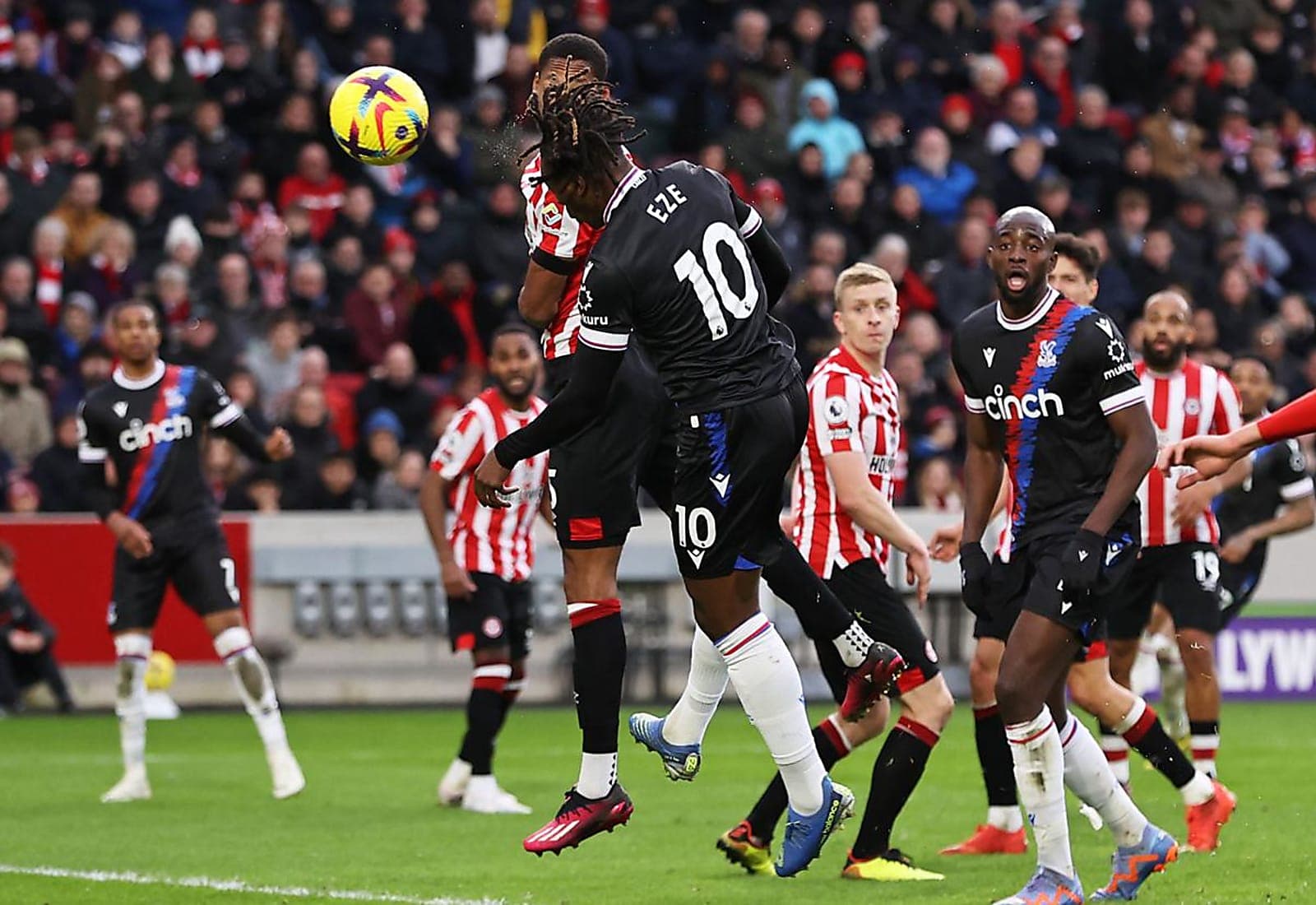
Brentford's upcoming clash against Crystal Palace may not carry the same global spotlight as some Premier League heavyweight fixtures, but tactically, it could become one of the more intriguing battles of the weekend.
Both teams have built reputations around organisation, discipline, and moments of explosive attacking quality, making the match difficult to predict despite their different trajectories this season.
For Brentford especially, the game represents another important opportunity to prove they can remain competitive against well-structured Premier League opposition even during periods of squad transition and tactical adjustment.
The key question heading into the fixture is simple.
Can Brentford truly impose themselves against a Crystal Palace side that has become increasingly dangerous in transition football?
Why Brentford Remain Difficult to Play Against
Over the last few seasons, Brentford have transformed themselves from a newly promoted side into one of the Premier League's most tactically respected teams.
Much of that success came from:
- disciplined organisation,
- smart recruitment,
- aggressive pressing,
- and efficient attacking patterns.
Even after major squad changes and managerial adjustments, Brentford have largely maintained their identity.
They remain especially dangerous at home, where the atmosphere at the Gtech Community Stadium often gives the team extra intensity and energy.
Unlike some possession-heavy Premier League clubs, Brentford rarely rely on dominating the ball for long periods.
Instead, they focus heavily on:
- vertical attacks,
- set-piece efficiency,
- quick transitions,
- and forcing opponents into uncomfortable situations.
That directness makes them difficult to control.
Palace Have Become More Dangerous Than Many Realise
Crystal Palace, however, are no longer viewed simply as a defensive counter-attacking side surviving in the Premier League.
The club has evolved considerably in recent seasons.
Palace now possess:
- more attacking confidence,
- greater technical quality,
- and improved tactical flexibility.
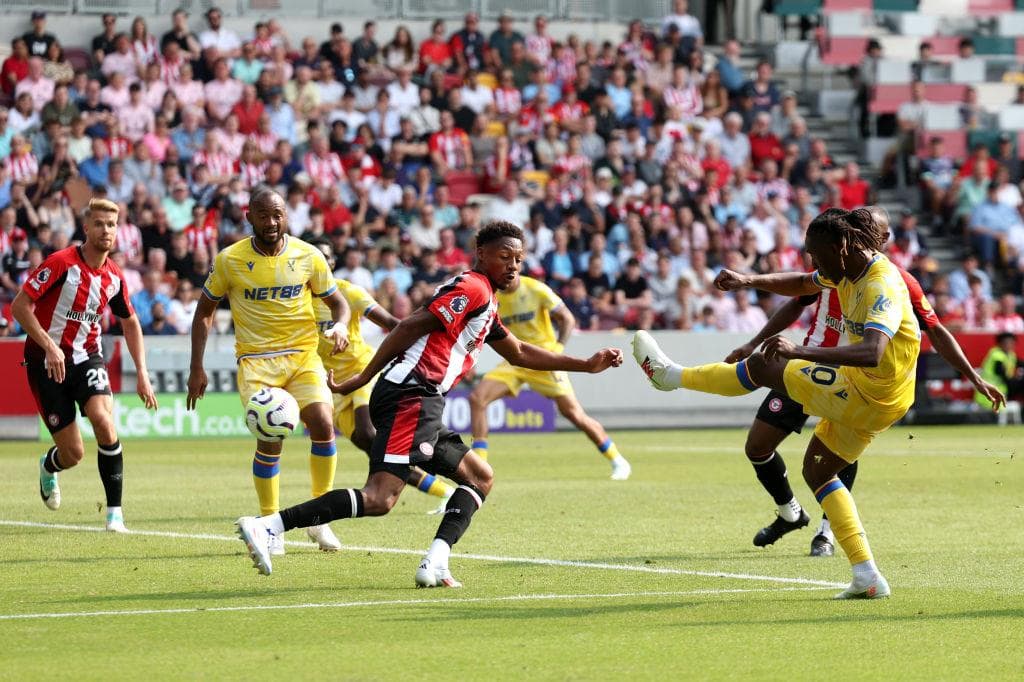
While they still remain dangerous on the counter, they have become far more comfortable controlling phases of games when necessary.
Players such as:
- Jean-Philippe Mateta,
- Eberechi Eze,
- Michael Olise,
- and others
have given Palace a stronger attacking identity capable of troubling even organised teams.
Their ability to attack quickly through wide spaces remains one of their biggest strengths.
That could become especially important against Brentford.
The Tactical Battle Could Decide Everything
The match may ultimately come down to which side controls transitions better.
Brentford's pressing system works well when they force opponents into rushed decisions and regain possession high up the pitch.
But aggressive pressing also creates risks.
If Palace manage to break the first pressing line successfully, Brentford could suddenly find themselves exposed defensively against fast attackers carrying the ball into open space.
That is where Palace become extremely dangerous.
The movement between midfield and attack from Palace can quickly turn defensive situations into clear scoring opportunities.
Brentford therefore need balance.
If they press recklessly, Palace may punish them.
If they sit too deep, they may lose the aggression that makes them effective in the first place.
Brentford's Home Form Could Matter
One major factor working in Brentford's favour is home advantage.
The club has built a strong reputation for making matches physically uncomfortable for visiting teams at the Gtech Community Stadium.
Their energy levels, pressing intensity, and direct style often become harder to manage in front of home supporters.
Brentford also tend to perform better when games become emotionally intense and physically competitive rather than slow and technical.
Against Palace, that atmosphere may become important.
The longer Brentford can maintain pressure and crowd energy, the more difficult the game could become for Palace.
Why Set Pieces May Become Crucial
Another important area could be set pieces.
Brentford have consistently been among the Premier League's more organised sides from:
- corners,
- free kicks,
- and long throw situations.
Their delivery quality and physical presence often create problems even against technically stronger opponents.
Palace themselves are not weak aerially, but tight matches between evenly balanced teams are often decided through dead-ball situations.
If open-play chances become limited, one set-piece moment could easily determine the result.
That possibility makes defensive concentration especially important for both sides.
The Psychological Side of the Match
Matches like this are also shaped psychologically.
Neither Brentford nor Palace enters the fixture carrying overwhelming pressure compared to clubs battling for titles or survival, but both sides still have important objectives.
For Brentford, continuing to prove they belong comfortably among established Premier League teams remains important for:
- club reputation,
- recruitment appeal,
- and long-term stability.
For Palace, consistency has become the next major challenge.
The team has shown flashes of impressive football but still struggles occasionally with maintaining momentum across long stretches of the season.
That makes matches against teams like Brentford especially important.
Victories in these types of balanced contests often determine final league positioning.
What Brentford Must Do to Win
If Brentford want to control the game effectively, they will likely need to:
- press intelligently rather than emotionally,
- avoid leaving excessive space behind midfield,
- win physical duels,
- attack quickly during transitions,
- and maximise set-piece opportunities.
Most importantly, they must prevent Palace from turning defensive recoveries into fast attacking breaks.
That transition control could become the most important tactical factor in the match.
Final Verdict
So, can Brentford be effective against Palace?
Absolutely.
In fact, Brentford's structure, home intensity, and direct attacking style give them every reason to believe they can trouble Palace significantly.
But effectiveness alone may not guarantee victory.
Palace possess enough attacking quality and tactical discipline to punish mistakes quickly, especially if Brentford lose defensive shape while pressing aggressively.
That balance is what makes the fixture so interesting.
It is not simply a battle between two mid-table Premier League sides.
It is a clash between two clubs that have built modern football identities through organisation, tactical clarity, and smart decision-making.
And in matches like these, the smallest details often decide everything.
No comments yet. Be the first to spark the conversation.