Introduction
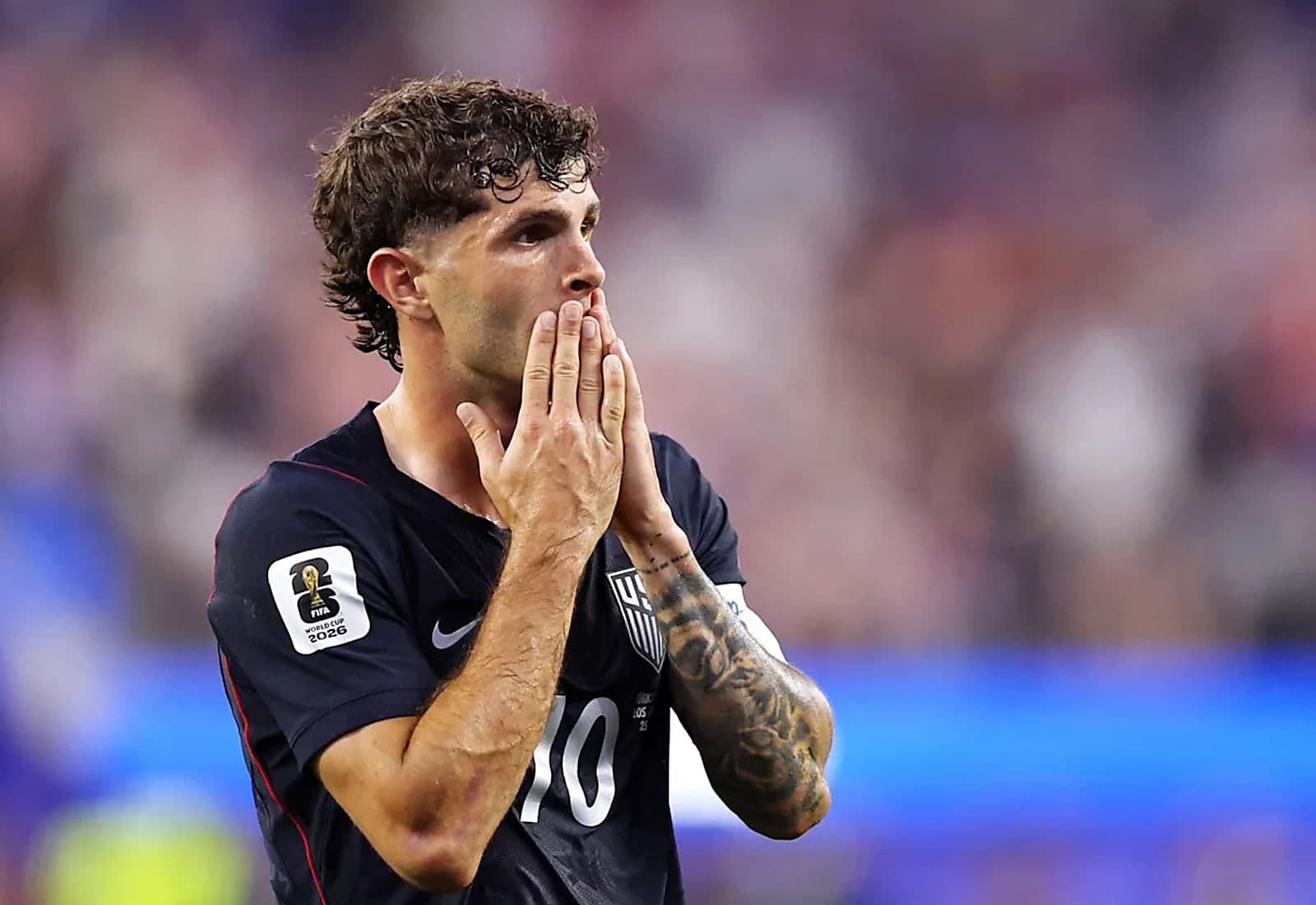
The United States Men's National Team (USMNT) has once again captured global attention, storming through Group D of the 2026 FIFA World Cup and securing a knockout‑stage berth despite a dramatic 3‑2 loss to Turkey. With the tournament now in full swing, a secondary story is unfolding on the streets of Lagos, Lagos Island, New York, and online marketplaces: USMNT jerseys are unbelievably hard to buy. Fans, collectors, and casual observers alike are left wondering why a simple piece of apparel has become a rare commodity and who bears responsibility.
Context / Background
World Cup merchandise has always been a high‑stakes business. In 2022, FIFA reported a $1.2 billion surge in official kit sales, driven by a combination of hype, limited‑edition drops, and the rise of e‑commerce. For the USMNT, the 2026 tournament is particularly special: it is co‑hosted on home soil, meaning American pride and commercial expectations are at an all‑time high.
Historically, three factors dictate jersey availability:
- Manufacturing capacity - how many kits are produced and where they are made.
- Distribution logistics - the speed and reliability of shipping from factories to retailers.
- Retail strategy - whether brands allocate stock evenly or hoard inventory for high‑margin channels.
When any of these links break, fans feel the impact instantly.
Main Explanation / Guide
1. Production Bottlenecks
Nike, the USMNT's official kit partner, sources most of its fabric from Southeast Asian plants. Recent labour shortages and a lingering effects of the 2024 supply‑chain crunch have trimmed output by roughly 12 %. Moreover, a sudden spike in demand for sustainable, recycled‑polyester kits - a promise made in Nike's 2025 sustainability pledge - required re‑tooling of production lines, further delaying shipments.
2. Distribution Chaos
The tournament's co‑hosting arrangement means two massive logistics hubs - Los Angeles and Toronto - are simultaneously handling inbound cargo. Customs clearance for apparel has been slower than usual due to heightened security checks linked to the influx of fans and media. In addition, the rise of "flash‑sale" platforms such as StockX and GOAT, which now stock official kits, has fragmented inventory across multiple fulfilment centres, causing stock‑outs in traditional brick‑and‑mortar stores.
3. Retailer Allocation Errors
Major US retailers (e.g., Target, Dick's) and online giants (Amazon, Fanatics) were granted pre‑order quotas based on historic sales data. However, the 2026 World Cup generated a 30 % higher pre‑order volume than projected. Many retailers, fearing over‑stock, conservatively limited allocations, leading to empty shelves while secondary markets surged.
4. Reseller Exploitation
The scarcity created a perfect storm for resellers. Bots snap up inventory the moment it goes live, subsequently listing the jerseys at 2‑3 times the retail price on platforms like eBay and Instagram. This practice not only inflates costs for genuine fans but also skews demand data, prompting manufacturers to underestimate future production needs.
Practical Examples / Insights
-
Lagos, Nigeria: A 20‑year‑old student, Chidinma, tried buying a USMNT home‑kit from a local sports shop. The clerk said the store had received zero units despite ordering weeks in advance. She resorted to a $120 resale listing on a Nigerian Facebook marketplace, a price double the US retail cost.
-
New York City: A fan queueed outside a Nike flagship for three hours only to discover the store's stock had been reserved for a corporate client's employee giveaway.
-
Online: On the first day of the "Knockout Stage" release, the official USMNT store's website crashed after 150 000 users attempted to purchase the jersey simultaneously, forcing many to turn to third‑party sellers.
Common Mistakes to Avoid
- Relying on a single retailer: Spread purchases across official stores, reputable online platforms, and authorised local distributors.
- Ignoring resale warnings: Beware of "too‑good‑to‑be‑true" prices; counterfeit kits often flood the market during shortages.
- Delaying purchase: As soon as a new kit drops, inventory depletes within hours. Setting alerts can secure a spot before bots dominate.
Expert Tips / Pro Advice
- Use official notifications: Sign up for Nike's email alerts and the USMNT's official app; they often release "early‑bird" codes.
- Consider alternative sizes: If your size is out, buying a size up or down and having it tailored locally can be cheaper than resorting to resale.
- Support local retailers: Purchasing from Nigerian authorised sellers helps grow the market locally and may reduce reliance on expensive imports.
- Watch the secondary market: Platforms like StockX provide price transparency; a sudden price spike may indicate an impending restock.
Conclusion
The scarcity of USMNT jerseys during the 2026 World Cup is not a simple case of "high demand" - it is the result of intertwined production delays, distribution hiccups, cautious retail allocations, and opportunistic resellers. For fans in the United States, Nigeria, and elsewhere, understanding these dynamics can turn frustration into informed action. As the tournament progresses, keep an eye on official restock announcements, watch resale price trends, and consider supporting local retailers to ensure you wear the stars and stripes with pride - without breaking the bank.
What to watch next? The upcoming quarter‑final match against Brazil will likely trigger another surge in demand. Expect new colour‑way releases and possibly a limited‑edition "knockout" jersey, which could exacerbate the current supply strain. Stay tuned for our next update on how the merch market evolves as the USMNT aims for glory.
No comments yet. Be the first to spark the conversation.