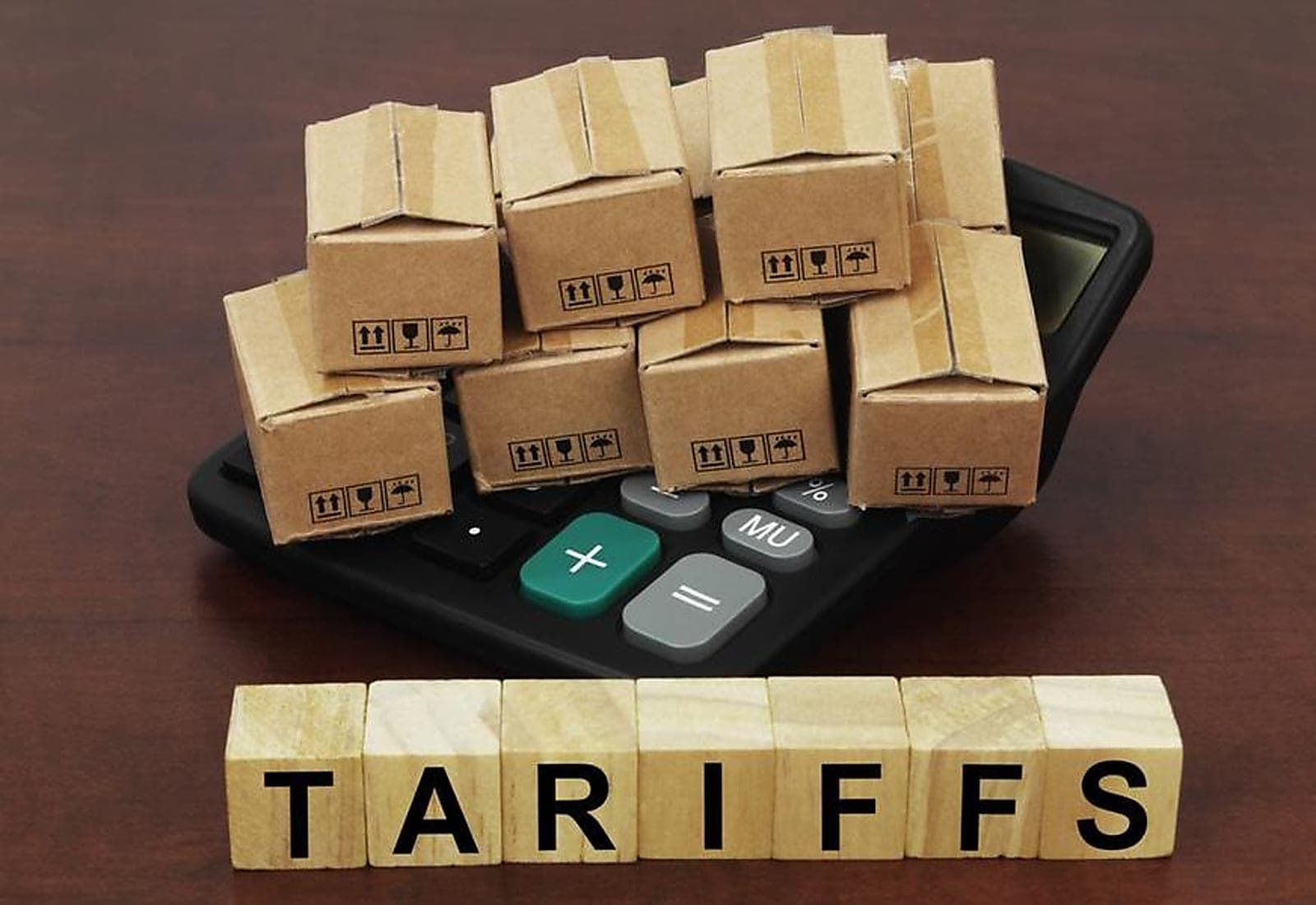
Trade headlines often sound more transformative than the systems behind them. That is why China's removal of tariffs on some African goods should be treated as an opportunity, but not celebrated as an automatic breakthrough. Lower barriers can open a door. They do not guarantee that enough producers are ready to walk through it at scale. The real story is not whether China has made market entry easier on paper. It is whether African economies can turn that access into durable export strength.
Why this story matters
This story matters because trade access is only valuable when domestic capacity is strong enough to use it. Too often, tariff reductions are presented as if they are the final prize. In reality, they are closer to a test. They ask whether producers can meet quality standards, whether ports and transport systems can move goods efficiently, whether financing is available and whether governments can support industries beyond diplomatic announcements.
That makes this a more serious story than a simple trade-win headline. If African exporters can use the opening well, the benefits could extend into manufacturing, processing, value addition and stronger non-resource trade. If they cannot, the move may still be politically useful but economically underwhelming.
For Nigeria, the issue is especially important because diversification has been discussed for years but remains difficult in practice. Better access to a huge market like China sounds attractive. The real question is whether Nigerian firms and policymakers are prepared to compete with consistency rather than ambition alone.
Context and background
Africa's trade relationship with China has long been large in scale but uneven in structure. Many countries on the continent export raw or semi-processed goods while importing a wide range of finished products, machinery and industrial inputs. That imbalance is one reason the phrase "market access" can be misleading if it is not followed by "export readiness".
Preferential access works best when suppliers already have a realistic pathway to scale. That requires more than goodwill. It requires infrastructure, certification, logistics, financing, power reliability, customs efficiency and a clear understanding of which sectors can compete credibly. Without those things, even generous access arrangements can produce limited results.
This is why the ZAWYA framing is useful. It treats tariff removal not as a final answer, but as a strategic test. That is a more honest reading of how trade opportunities work. The biggest gains usually go not to the loudest countries in the room, but to the ones that are operationally prepared.
What happened
The central development is that China has moved to remove tariffs in a way that could improve access for African goods. In theory, this should make exports from eligible sectors more competitive by reducing costs at entry. That part is straightforward.
The harder question begins immediately after that. Which African producers are able to meet demand? Which governments have created the conditions for exporters to scale? Which firms can actually deliver quality, consistency and timing into a large external market? Once those questions arrive, the story becomes less about announcement and more about execution.
That is why the current article needs depth. Lower tariffs matter, but they do not flatten the structural differences between firms that are export-ready and firms that are still fighting basic domestic bottlenecks. Access helps most where preparation already exists.
Why it matters now
It matters now because many African governments are actively searching for ways to deepen non-commodity exports and reduce overdependence on a narrow set of external revenue sources. Better access to China may appear to align perfectly with that goal. But the opportunity will only become meaningful if it encourages broader improvements in production and trade systems.
It also matters because global trade is becoming more competitive and more strategic. Countries are no longer judged only by what they can grow or dig out of the ground. They are judged by what they can process, certify, package, ship and scale. That means African economies hoping to benefit from tariff openings must think beyond raw access and toward export discipline.
For Nigerian businesses, the timing is especially relevant. The search for non-oil export growth is not new, but every new external opening raises the same practical questions: can local producers meet standards, deliver volume, maintain reliability and compete beyond one diplomatic cycle? Those are not glamorous questions, but they determine whether opportunity becomes outcome.
Deeper analysis
The deeper issue here is that trade policy often flatters ambition while exposing weakness. A tariff cut can make everyone sound ready for expansion, but once the market opens, structural gaps become obvious very quickly. Power costs matter. Transport delays matter. Currency management matters. Standards compliance matters. A producer that misses delivery or fails quality checks cannot rely on diplomatic goodwill to stay competitive.
This is why some countries may gain much more than others from the same policy opening. The gap will not only be about political relationships. It will be about operational readiness. Exporters with stronger logistics, clearer sector policy and better industrial coordination are far more likely to capture the benefits. Others may discover that access without preparation simply reveals how much domestic work remains unfinished.
There is also a strategic point for policymakers. If tariff removal is treated as a short-term trade announcement, it may produce only limited gains. If it is treated as leverage to improve industrial policy, strengthen export ecosystems and move producers up the value chain, then it can become more significant over time. In that sense, the real value of the opportunity may depend on whether governments see it as an event or as a discipline.
Nigeria is a strong example of this dilemma. The country has scale, entrepreneurial energy and repeated diversification ambitions. But exporters still face familiar obstacles: infrastructure gaps, financing pressure, inconsistent policy signals and production costs that can reduce competitiveness. A Chinese tariff opening does not erase those problems. It merely makes solving them more urgent.
What happens next
The next stage should be judged by evidence, not enthusiasm. Readers should watch for concrete changes such as export volume growth, investment in processing capacity, better compliance support for producers and stronger logistics coordination. Those are the signals that matter more than celebratory statements.
It will also be important to watch which sectors benefit first. If the opening mainly helps already-established producers with existing trade capacity, that is still useful, but it says something different from a broader export transformation. A truly meaningful shift would show more countries and more producers building sustained access over time.
For Nigeria, the practical question is whether the moment leads to real support for firms trying to compete internationally. That includes standards, financing, transport reliability, power stability and policy continuity. Trade ambition becomes more credible when producers can feel it in their operations, not just hear it in speeches.
Final takeaway
China's tariff move matters because it creates a genuine opening, but the larger story is whether African economies are ready to use it well. Market access is valuable, yet it is never the whole equation. The countries and businesses that benefit most will be the ones with systems strong enough to turn opportunity into repeatable performance.
That is why this moment should be read as a test, not a trophy. If African governments and exporters use it to build capacity, deepen processing and strengthen logistics, it could support a healthier long-term trade model. If not, the headline may end up sounding bigger than the economic result.
No comments yet. Be the first to spark the conversation.