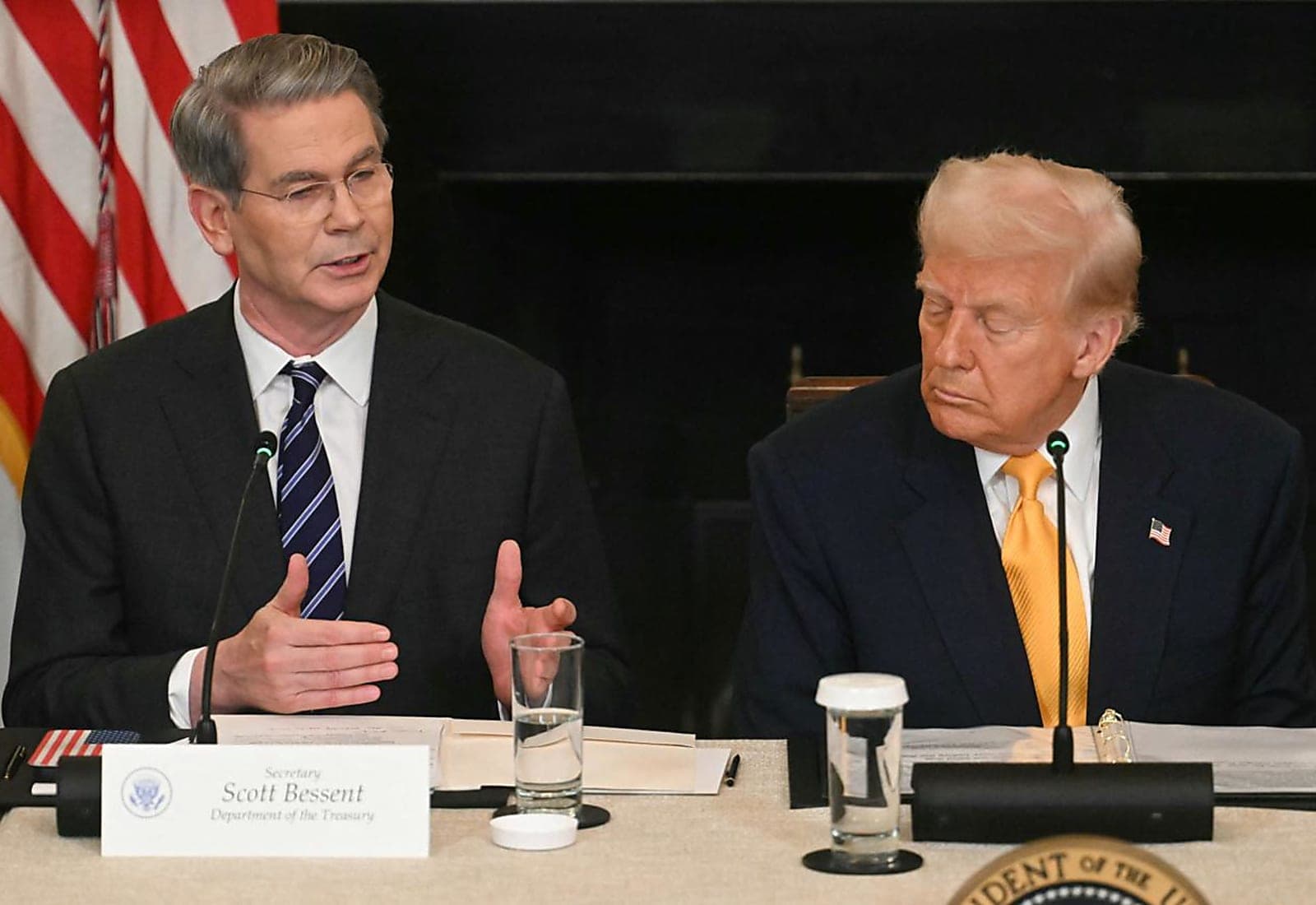
The relationship between politics and cryptocurrency is becoming increasingly complicated in the United States.
As lawmakers push forward with a major cryptocurrency bill designed to shape the future of digital asset regulation, fresh scrutiny is also emerging around reports that members of the Trump family are financially benefiting from crypto-related token projects.
The overlap between:
- political power,
- financial influence,
- digital assets,
- and regulation
is now raising major ethical and political questions across Washington and the wider crypto industry.
Supporters of cryptocurrency see the advancing legislation as a potentially important step toward regulatory clarity and mainstream adoption.
Critics, however, worry the situation highlights growing concerns about conflicts of interest in an industry already heavily associated with speculation, lobbying, and political influence.
The debate is rapidly becoming one of the most controversial intersections between modern finance and American politics.
Why the Crypto Bill Matters
The cryptocurrency industry has spent years pushing for clearer regulation in the United States.
Despite crypto's enormous growth, regulatory uncertainty continues surrounding:
- digital tokens,
- exchanges,
- stablecoins,
- taxation,
- investor protection,
- and market oversight.
Different government agencies have often taken conflicting approaches toward crypto regulation, creating confusion for:
- investors,
- startups,
- financial institutions,
- and technology companies.
The new legislation reportedly aims to establish clearer rules around how crypto assets are:
- classified,
- supervised,
- traded,
- and regulated.
Supporters argue that stronger legal clarity could:
- encourage investment,
- reduce uncertainty,
- support innovation,
- and improve market stability.
The crypto industry views regulatory certainty as essential for long-term growth.
Why Trump Family Crypto Links Are Creating Debate
The political controversy intensified after reports connected members of the Trump family to crypto token projects and digital-asset ventures.
Critics argue the timing creates uncomfortable optics.
If politicians or politically connected families stand to benefit financially from industries affected by upcoming legislation, questions about influence naturally emerge.
Even if no laws are broken, public concern often focuses on whether political decisions could indirectly benefit private financial interests.
Supporters of the Trump family, however, argue cryptocurrency participation is increasingly common among investors, entrepreneurs, and public figures globally.
They also claim political criticism around crypto involvement may sometimes reflect broader partisan conflict rather than purely financial ethics.
Still, the situation has intensified discussion around transparency and accountability.
Crypto and Politics Are Becoming Closely Connected
The crypto industry increasingly influences political conversation in the United States.
Digital asset companies and crypto investors now spend heavily on:
- lobbying,
- campaign support,
- policy advocacy,
- and political engagement.
Politicians themselves are also becoming more vocal about crypto because the industry now represents:
- financial innovation,
- voter interest,
- investment opportunity,
- and ideological debate around government regulation.
Some politicians position crypto as:
- economic freedom,
- decentralisation,
- and technological progress.
Others warn the sector remains vulnerable to:
- fraud,
- market manipulation,
- speculation,
- and weak consumer protection.
The issue has therefore evolved into both a financial and political battlefield.
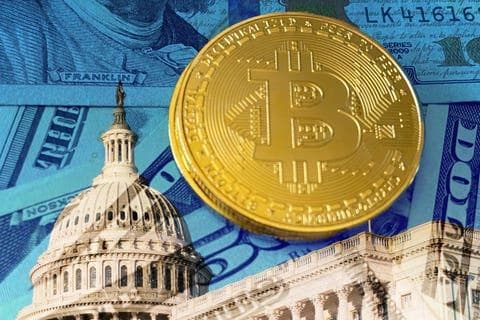
Why Regulatory Clarity Matters Globally
The United States remains one of the world's most important financial markets.
Any major crypto legislation there could influence:
- global investment trends,
- international regulation,
- digital asset innovation,
- and fintech development worldwide.
Countries around the world are already competing to become leaders in:
- blockchain technology,
- digital finance,
- and crypto infrastructure.
Clear American regulation could either strengthen U.S. dominance in the industry or push innovation elsewhere depending on how restrictive or flexible the rules become.
Investors globally are watching closely.
The Crypto Industry Still Faces Trust Problems
Despite growing mainstream adoption, cryptocurrency continues facing credibility challenges.
Several major scandals over recent years involving:
- exchange collapses,
- fraud allegations,
- token crashes,
- and investor losses
damaged public confidence significantly.
Many ordinary investors lost large amounts of money during crypto market collapses.
As a result, regulators face enormous pressure to balance:
- innovation,
- investor protection,
- financial stability,
- and market freedom.
The advancing crypto bill is therefore not simply about technology.
It is about determining how governments should manage rapidly evolving digital financial systems.
Younger Investors Remain Strongly Interested
One reason crypto continues influencing politics is because younger investors remain highly engaged with digital assets despite market volatility.
Many younger people view cryptocurrency as connected to:
- financial independence,
- future technology,
- online culture,
- and alternative investment systems.
Social media also continues driving massive attention toward:
- meme coins,
- token projects,
- decentralised finance,
- and blockchain innovation.
That cultural energy keeps crypto politically relevant even during periods of market instability.
Critics Fear Political Conflicts of Interest
The overlap between politicians and financial markets has always generated ethical debate.
But cryptocurrency introduces additional complexity because:
- regulations remain unfinished,
- valuation can move rapidly,
- and political statements themselves sometimes influence markets directly.
Critics argue stronger disclosure systems may become increasingly necessary as public officials and politically connected individuals participate in digital asset industries.
The Trump-related discussion therefore reflects broader fears about:
- transparency,
- influence,
- and political-financial overlap in emerging technologies.
What Happens Next
Attention will now focus on:
- how the crypto bill evolves,
- whether additional amendments appear,
- how regulators interpret the law,
- and whether political pressure surrounding crypto investments intensifies further.
Financial markets and technology investors are expected to monitor developments closely over the coming months.
Why This Story Matters Beyond America
Although the story centres on American politics, the implications extend globally.
Cryptocurrency already influences:
- investment behaviour,
- cross-border payments,
- fintech innovation,
- digital entrepreneurship,
- and online financial culture worldwide.
Countries such as Nigeria also remain highly active in crypto adoption despite regulatory caution.
Young Nigerians especially continue using digital assets for:
- trading,
- remittances,
- savings alternatives,
- and online business activity.
American crypto regulation could therefore eventually affect markets and policy discussions far beyond the United States.
Final Analysis
The advancing cryptocurrency bill represents an important moment for the future of digital finance in America.
But the simultaneous controversy surrounding Trump family crypto involvement highlights how deeply modern politics and financial technology are now becoming intertwined.
The debate is no longer simply about cryptocurrency itself.
It is about:
- influence,
- regulation,
- transparency,
- and who benefits financially from the systems governments are shaping.
And as digital assets continue moving closer to mainstream finance, those questions will likely become even more politically explosive in the years ahead.
What is this world article about?
A major cryptocurrency bill is advancing in the United States while questions grow around political influence and reports of Trump family involvement in crypto-related token projects.
Why does this story matter?
Crypto Bill Advances as Trump Family Profits From Token Projects matters because international developments can shape diplomacy, markets, migration, security, or public opinion far beyond the country where the story began. That broader lens helps readers understand why the headline deserves attention locally too.
When was this article published or updated?
It was published on 20 May 2026 and last updated on 20 May 2026.
Does this page include source references?
Yes. Source links or source details are shown on this page.
Where can readers find related Century Blog coverage?
Readers can continue with related coverage in the same topic area, including Discipline and Due Process Collide at New Zealand's Waiouru Military Camp - Global Implications and U.S.-Iran Geneva Negotiations Enter Technical Phase Amid US Political Turbulence.
No comments yet. Be the first to spark the conversation.