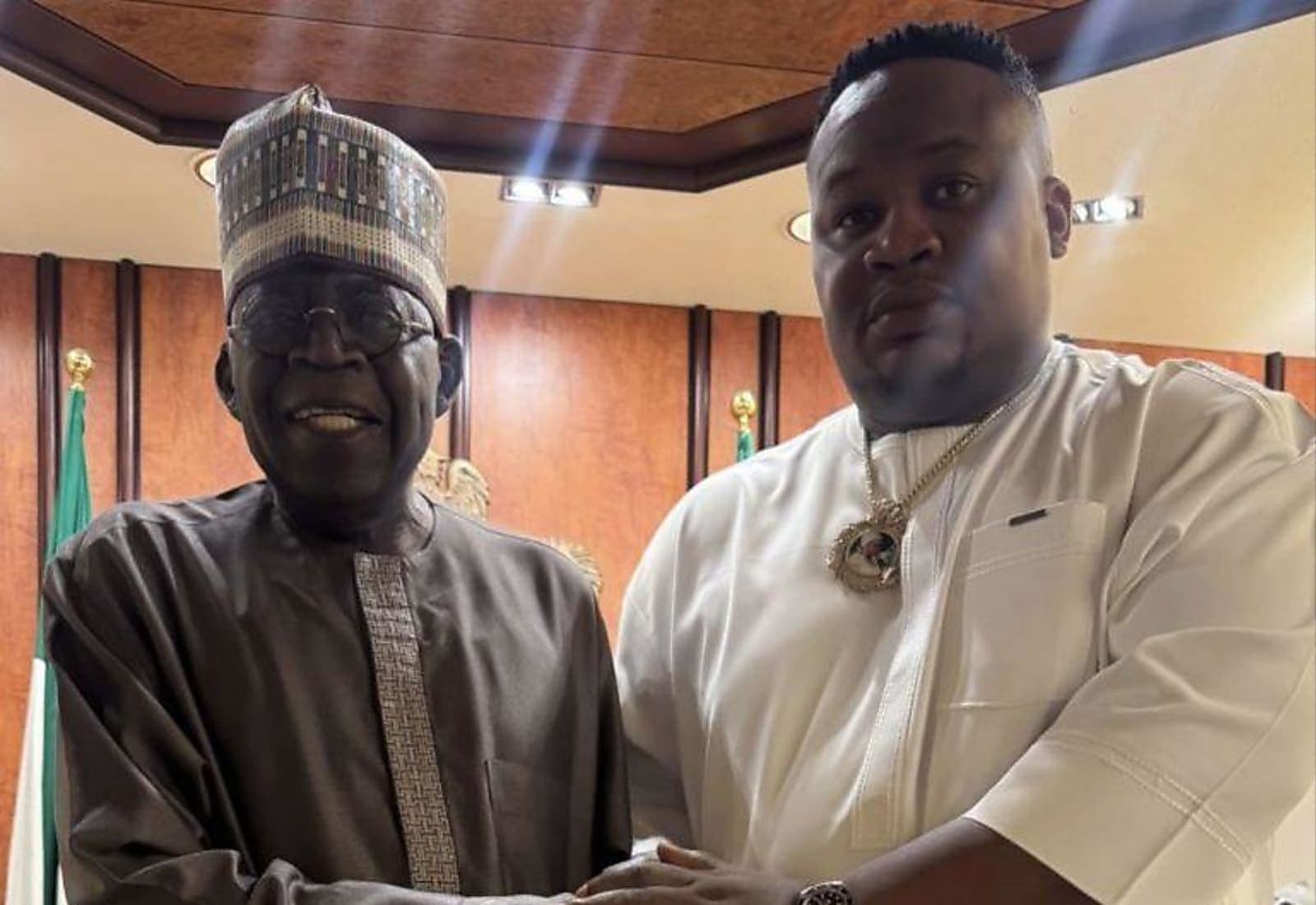
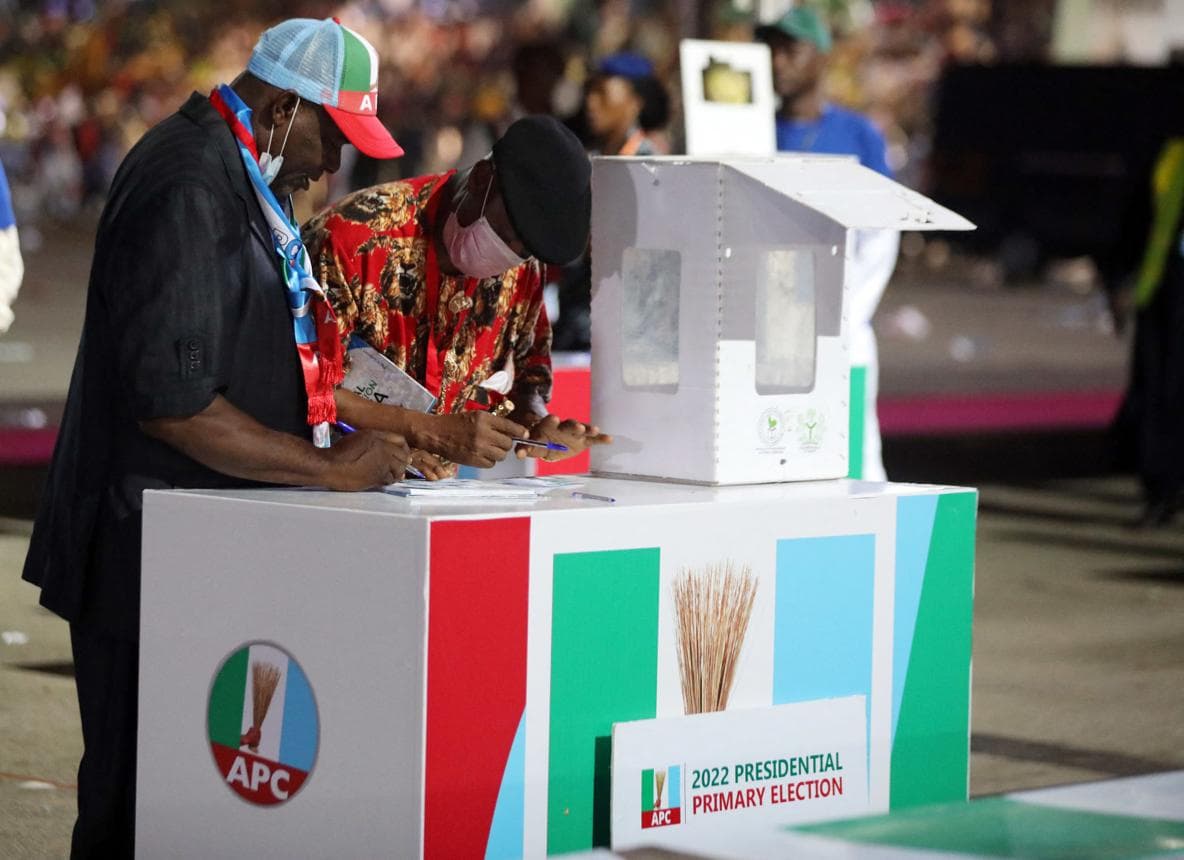
When reports emerged that celebrity businessman and social media personality Cubana Chief Priest secured only 14 votes during an APC primary process, reactions across Nigeria were immediate and emotional.
For many people online, the result felt shocking.
How could someone with millions of followers, enormous visibility, celebrity connections, and constant public attention perform so poorly politically?
But beneath the jokes, memes, and online mockery lies a much deeper lesson about Nigerian politics itself.
Because the story is not really about Cubana Chief Priest alone.
It is about the dangerous gap between:
- social media popularity,
- celebrity influence,
- and actual political structure.
And for many Nigerians, the episode may quietly reveal one of the most important truths about power in modern politics.
Visibility is not the same thing as political control.
Celebrity Popularity Does Not Automatically Equal Political Power
One of the biggest misunderstandings in modern politics is the assumption that fame automatically converts into electoral strength.
Social media often creates the illusion that visibility equals influence.
But politics, especially Nigerian politics, operates very differently from internet culture.
A person may dominate:
- Instagram,
- TikTok,
- nightlife culture,
- celebrity circles,
- and entertainment headlines
yet still possess very limited influence inside actual political structures.
Political systems are usually built around:
- grassroots networks,
- party loyalty,
- delegate relationships,
- local mobilisation,
- and years of strategic relationship-building.
Those systems cannot always be replaced by online popularity.
Cubana Chief Priest's reported result exposed that reality brutally.
Nigerian Politics Is Still Deeply Structural
Many younger Nigerians often underestimate how organised political systems actually work behind the scenes.
Winning political contests in Nigeria frequently depends on:
- local alliances,
- ward structures,
- delegate influence,
- party relationships,
- and long-term political investment.
The internet may shape public conversation, but party politics still operates heavily through physical structures and political negotiation.
This is why politicians who appear "unpopular" online sometimes still dominate elections internally.
And why highly visible celebrities can struggle politically despite massive public attention.
Politics rewards organisation more consistently than popularity alone.
Social Media Created a False Sense of Influence
The rise of influencer culture changed how many Nigerians perceive public power.
Today, someone with:
- millions of followers,
- viral videos,
- luxury lifestyle branding,
- and celebrity access
can appear politically untouchable online.
But digital influence often exists inside an algorithmic bubble.
People may engage with entertainment content enthusiastically without necessarily viewing the person as:
- politically credible,
- administratively competent,
- or structurally connected.
That distinction matters enormously.
Politics involves trust at a completely different level from entertainment culture.
Nigerian Voters Are Becoming More Complex
Another important lesson from the situation is that Nigerian political thinking is evolving.
For years, many observers believed celebrity influence alone could easily dominate public political engagement.
But Nigerian voters and party stakeholders are becoming more politically calculating.
Many people increasingly separate:
- entertainment,
- social media personality,
- and governance capability.
That does not mean celebrities cannot succeed politically.
Some absolutely can.
But success usually requires far more than visibility.
It requires:
- organisation,
- coalition-building,
- strategic patience,
- and political seriousness.
Politics Is Local Before It Is National
One major reason many public figures struggle politically is because they misunderstand how local politics works.
National fame often matters less inside ward-level and delegate-driven systems than:
- direct relationships,
- consistent presence,
- and long-term local influence.
A celebrity may appear larger-than-life nationally while possessing weak grassroots structure locally.
Meanwhile, a less famous political operator may quietly control:
- local mobilisation,
- delegate loyalty,
- and internal party relationships.
That hidden political machinery often determines outcomes long before voting happens publicly.
The Public Reaction Revealed Nigeria's Obsession With Success
The internet reaction to the story also revealed something deeper about Nigerian society.
Many people celebrated the defeat not necessarily because of political ideology, but because public culture increasingly enjoys seeing powerful or highly visible individuals humbled publicly.
Social media thrives on:
- dramatic reversals,
- humiliation,
- and status collapse.
That reaction says something important about public frustration in Nigeria's wider social environment.
In difficult economic periods, public sympathy for visibly wealthy or flamboyant figures often weakens.
Celebrity Politics Still Matters, But Differently
Despite the loss, it would be wrong to conclude that celebrity influence no longer matters politically.
In reality, celebrity culture still affects:
- youth mobilisation,
- public attention,
- campaign visibility,
- and emotional engagement.
However, celebrity alone rarely replaces actual political infrastructure.
The most successful political figures usually combine:
- public charisma,
- organisational strength,
- grassroots connection,
- and institutional strategy.
Without that combination, online popularity can become politically misleading.
Nigerian Politics Rewards Patience
Another major lesson is that political influence usually takes time to build seriously.
Many established political figures spent decades developing:
- alliances,
- loyalty structures,
- community presence,
- and institutional relationships.
Politics is often slower and less glamorous than social media success.
Celebrity culture rewards speed and visibility.
Politics rewards endurance and structure.
That difference explains why many public figures struggle when transitioning from entertainment influence into actual political competition.
Younger Nigerians Should Pay Attention
The situation also contains an important lesson for younger Nigerians increasingly interested in political participation.
Political change requires more than hashtags, trends, and online excitement.
Real influence often depends on:
- organisation,
- local engagement,
- voter education,
- party participation,
- and long-term consistency.
Social media can amplify movements.
But sustainable political power usually requires physical structures behind digital momentum.
Why the Story Became So Symbolic
Part of the reason the story spread so rapidly online is because it challenged assumptions people secretly hold about power.
Many Nigerians unconsciously associate:
- fame,
- money,
- luxury,
- and social visibility
with automatic political dominance.
The reported result disrupted that assumption dramatically.
It reminded people that political systems still operate according to rules many outsiders barely understand fully.
Final Analysis
Cubana Chief Priest's reported APC primary loss may look like ordinary political news on the surface.
But the deeper meaning goes far beyond one celebrity or one contest.
The story exposes one of the oldest truths in politics.
Public attention is not the same thing as organised power.
In an era dominated by followers, viral clips, luxury branding, and internet influence, many people forget that politics still depends heavily on:
- structure,
- relationships,
- negotiation,
- and grassroots control.
And in Nigeria especially, those invisible systems often matter far more than online popularity ever will.## Subheading
No comments yet. Be the first to spark the conversation.