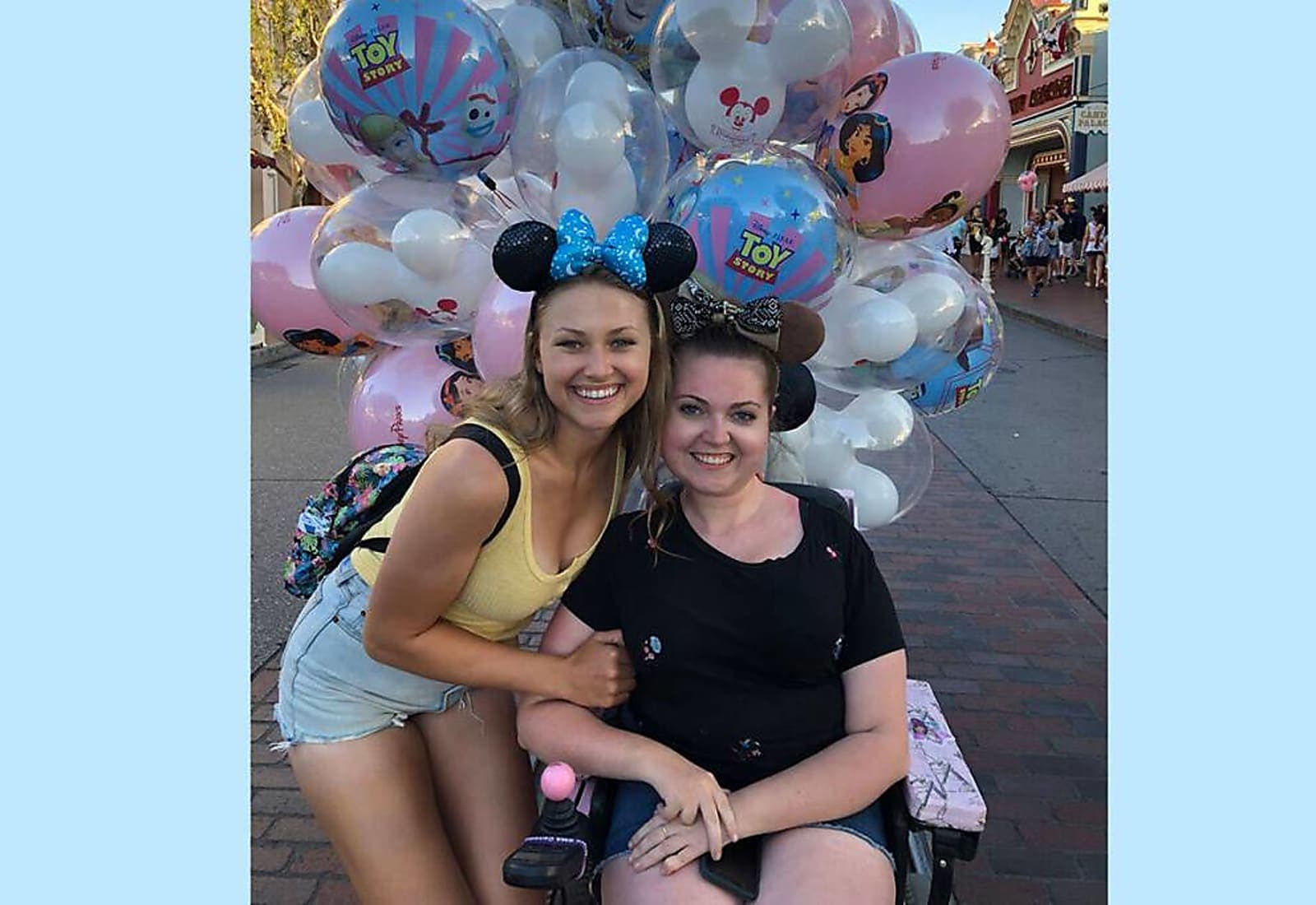
Stories about rare diseases are often reported only through medical language or charity slogans, but the strongest ones show what living with a condition actually asks of families over time. That is what makes the Chilliwack fundraiser for spinal muscular atrophy more meaningful than a simple event notice. According to the Chilliwack Progress report, Light the Night is being organised to support people and families affected by SMA and to help fund research. At the centre of the story are sisters Amy and Holli Vander Wyk, whose family experience gives the event a clearer human purpose. The article matters not because it announces a dance, but because it shows how rare-disease advocacy is often built by people who have spent years turning love, routine adaptation and emotional endurance into public action.
Why this story matters
This story matters because spinal muscular atrophy is the kind of condition that can remain invisible in public conversation until someone close to it speaks plainly. Families living with SMA often have to manage care, accessibility, equipment, emotional strain and financial pressure at the same time. Research matters, but so does the daily work of making sure a person is included, supported and seen.
The fundraiser matters for that reason. It is not only about raising money. It is about converting private family experience into public awareness and practical solidarity. When an event like this is organised locally, it gives the wider community a way to participate in a condition they may otherwise know very little about.
For readers outside Canada, including in Nigeria where rare-disease support networks are often under-resourced or poorly discussed, the story has obvious relevance. It shows how awareness can begin with a family, grow into community action and then become part of a wider conversation about health support, disability inclusion and long-term care.
Context and background
The Chilliwack Progress reports that Light the Night will raise money for Cure SMA Canada and support families affected by spinal muscular atrophy, a genetic neuromuscular disease that affects motor nerve cells in the spinal cord and leads to progressive muscle weakness. The article explains that the condition affects muscles used for activities such as breathing, eating, crawling and walking, while not affecting a person's ability to learn or think.
The family dimension is what gives the report its depth. Amy Vander Wyk is organising the event in part because her older sister Holli was born with the disease. Amy says SMA has always been a huge part of her life. That sentence is important because it captures what long-term family care often looks like: a condition becomes woven into ordinary memory, travel, routines and relationships rather than existing as a separate subject discussed only in hospitals.
The article also notes that although treatment has advanced, there is still no cure for SMA, especially for adults living with the disease. That detail changes how the fundraiser should be read. It is not a one-off campaign attached to a condition that has already been solved medically. It exists in the gap between progress and insufficiency, where hope is real but everyday need remains.
What happened
According to the report, Light the Night is set for Chilliwack Heritage Park and will channel proceeds toward family support, SMA kids camp and research. Amy explains that watching someone you love live with a progressive disease is heartbreaking, particularly when support can feel like the only immediate action available. That emotional honesty gives the story more force than a standard charitable announcement.
The piece also shares family memories that help readers understand what inclusion can look like in practice. Amy recalls annual family trips in which relatives carried Holli and her wheelchair up a staircase to a viewpoint because they were determined she would not miss the experience. The story is memorable not because it is dramatic, but because the family treated the effort as normal. That perspective is important. It shifts disability from being a spectacle of hardship to a question of whether the surrounding people will adapt with consistency and dignity.
Holli's own comments deepen the picture. She describes herself as incredibly grateful for Amy's support and says the fundraiser means a lot because it reflects compassion and dedication toward a cause that is deeply personal to their family. In other words, the event is not only symbolic. It comes from lived experience and long-standing commitment.
Why it matters now
It matters now because rare-disease advocacy often competes for attention in a public-health environment dominated by bigger numbers, broader outbreaks and more politically visible issues. Conditions like SMA can be overlooked precisely because they affect fewer people, even though the burden on families can be intense and lifelong.
It also matters because community-based support remains essential even when medicine improves. Better treatment does not automatically solve accessibility, respite care, emotional exhaustion or the need for social inclusion. Families still need organisations, fundraising, awareness and practical systems that reduce isolation.
The timing is important for another reason as well. Public trust in health fundraising is stronger when readers can clearly see where the effort is coming from and what it is trying to do. The Chilliwack report makes that easier because it connects the event to specific family experience and specific support aims rather than vague charity language.
For readers in Nigeria and other countries where disability services and rare-disease infrastructure can be uneven, the story is a reminder that community action is not a substitute for policy, but it often becomes the first reliable layer of support when formal systems are limited.
Deeper analysis
One of the most valuable aspects of the report is the way it restores the ordinary humanity of a family dealing with disability. Too many rare-disease stories swing between pity and inspiration. This one does something better. It shows adjustment, closeness, effort and memory. It shows a family that carried a wheelchair upstairs because inclusion mattered more to them than convenience. That is not sentimental decoration. It is a practical definition of support.
The article also points to an important gap in health discussion: the difference between research funding and lived support. Both matter, but they are not identical. A family may celebrate scientific progress and still need equipment, transport access, camp support, counselling and a more accessible social environment. Fundraisers often survive because they recognise that people cannot wait for a cure before their daily needs are taken seriously.
There is also a lesson here about advocacy leadership. Amy is not presented as a distant campaign figure. She is a sister translating a personal history into public action. That kind of advocacy is often more durable because it comes with credibility, emotional clarity and a practical understanding of what families actually need.
For Nigerian readers, the deeper relevance may lie in how the story models community health engagement. Many families managing long-term conditions face similar patterns of adaptation, cost and under-recognition. A local fundraiser cannot solve structural health inequality, but it can build visibility, conversation and a support culture that wider institutions later have to acknowledge.
What happens next
The next thing to watch is whether Light the Night becomes a one-time success or the start of a longer community tradition. Events like this can have lasting value when they do more than raise money once. They can build volunteer networks, sustain awareness, connect families and normalise better conversations about disability and long-term care.
Readers should also watch how the fundraising message develops. If it continues to balance research goals with direct family support, it will remain more credible and useful than awareness campaigns that speak only in broad emotional terms. People respond best when they understand both the science and the everyday need.
For wider health communities, the story suggests a practical next step: more local events rooted in real family experience, stronger partnerships with support organisations and clearer public education about what rare-disease life actually involves.
Final takeaway
The Chilliwack fundraiser matters because it places a rare disease inside a recognisable human framework: family loyalty, adaptation, inclusion and the refusal to let a condition define what someone gets to experience.
That is why the story deserves attention beyond one Canadian community. It reminds readers that meaningful health support is built not only in laboratories or policy rooms, but also in families and neighbourhoods willing to turn care into action.
No comments yet. Be the first to spark the conversation.