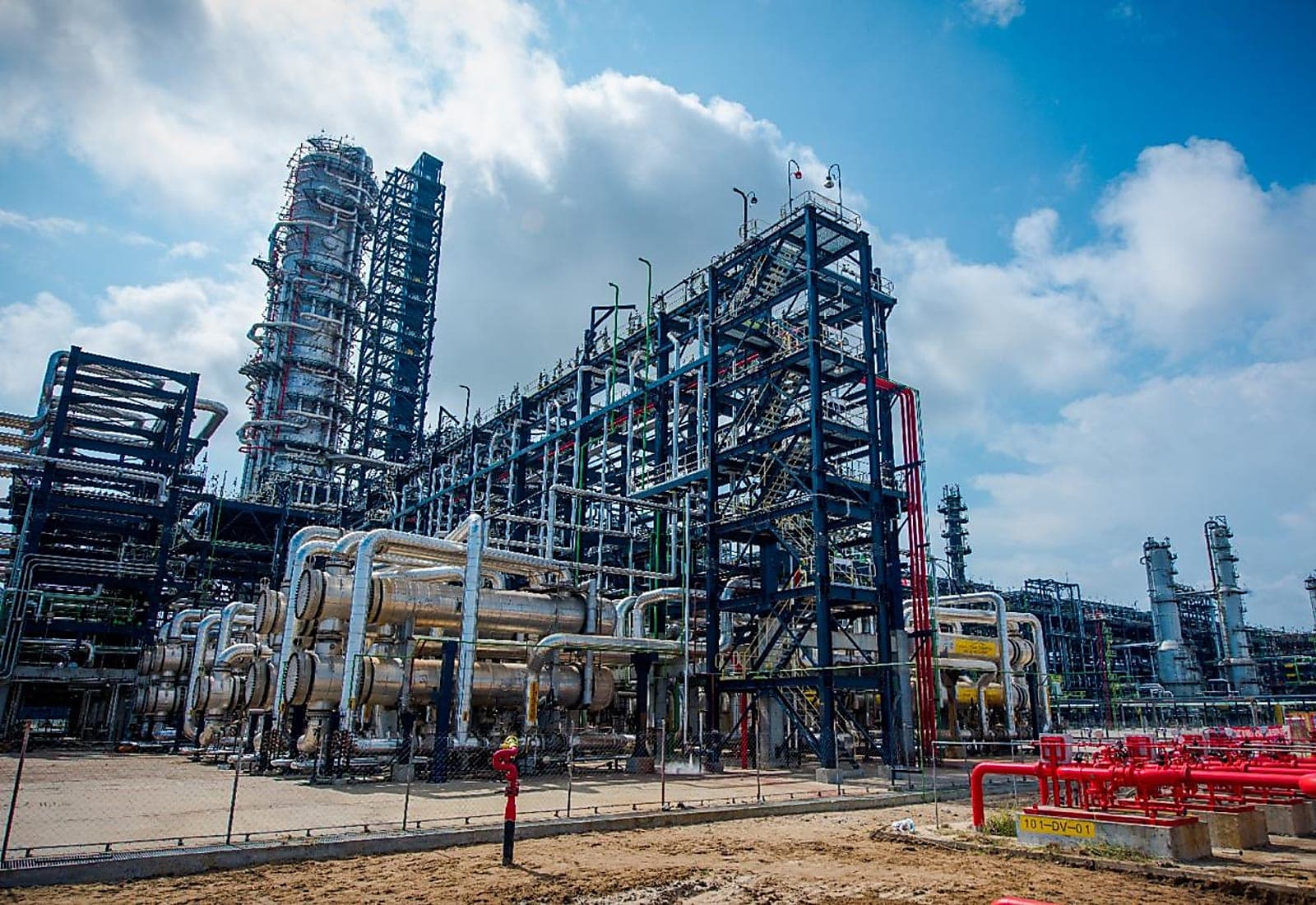
The Dangote Refinery continues reshaping Nigeria's downstream petroleum sector as recent fuel price adjustments and supply developments intensify competition, alter market expectations, and force industry players to rethink long-established business models.
What initially began as anticipation surrounding Africa's largest refinery has now evolved into one of the most important economic and commercial shifts in Nigeria's energy sector in decades.
Fuel marketers, transport operators, importers, independent dealers, and consumers are all watching closely as the refinery's influence expands across pricing, distribution, and supply conversations nationwide.
For many Nigerians, the most important question remains straightforward.
Will the refinery eventually make fuel significantly cheaper, more stable, and more accessible across the country?
Why Dangote Refinery Matters So Much
Nigeria has remained one of the world's major crude oil producers for decades, yet the country historically depended heavily on imported refined petroleum products.
That contradiction became one of the biggest structural weaknesses in Nigeria's economy.
For years, Nigeria spent enormous amounts importing:
- petrol,
- diesel,
- aviation fuel,
- and other refined products
despite exporting crude oil internationally.
The Dangote Refinery therefore represents more than just another industrial project.
It symbolises an attempt to fundamentally change Nigeria's energy and import structure by increasing local refining capacity on a massive scale.
Supporters believe the refinery could eventually:
- reduce import dependence,
- improve fuel availability,
- strengthen foreign exchange stability,
- create jobs,
- and reshape industrial development.
Fuel Pricing Is Becoming More Competitive
One of the biggest changes emerging from the refinery's operations is increasing pressure on traditional fuel pricing structures.
The downstream market is now entering a more competitive phase where local refining capacity may gradually influence:
- supply chains,
- pricing negotiations,
- distribution margins,
- and import decisions.
Industry analysts say marketers are already adjusting strategies as the market reacts to changing supply realities.
Some fuel importers may eventually face reduced dominance if local refining continues expanding successfully.
That shift could transform how petroleum distribution operates across Nigeria over time.
However, experts caution that market transition periods are rarely smooth.
Pricing volatility may continue temporarily as supply systems, logistics, and market structures adjust.
Nigerians Still Want Immediate Relief
Despite the excitement surrounding the refinery, many Nigerians remain focused on one issue above all else.
Fuel affordability.
Transportation costs, food prices, electricity expenses, and business operations all remain heavily tied to petrol and diesel pricing across the country.
Following fuel subsidy removal and broader economic reforms, many households and businesses experienced severe financial pressure linked directly to rising energy costs.
That reality explains why public expectations surrounding Dangote Refinery remain extremely high.
Many citizens hope increased local refining will eventually reduce:
- fuel scarcity,
- transportation costs,
- inflation pressure,
- and dependence on imported petroleum products.
But experts warn that refinery operations alone cannot immediately solve every pricing problem.
Global oil prices, exchange rates, taxes, logistics costs, and distribution systems still influence final pump prices significantly.
The Import Market Is Changing
The refinery's growing influence is also changing conversations around fuel importation in Nigeria.
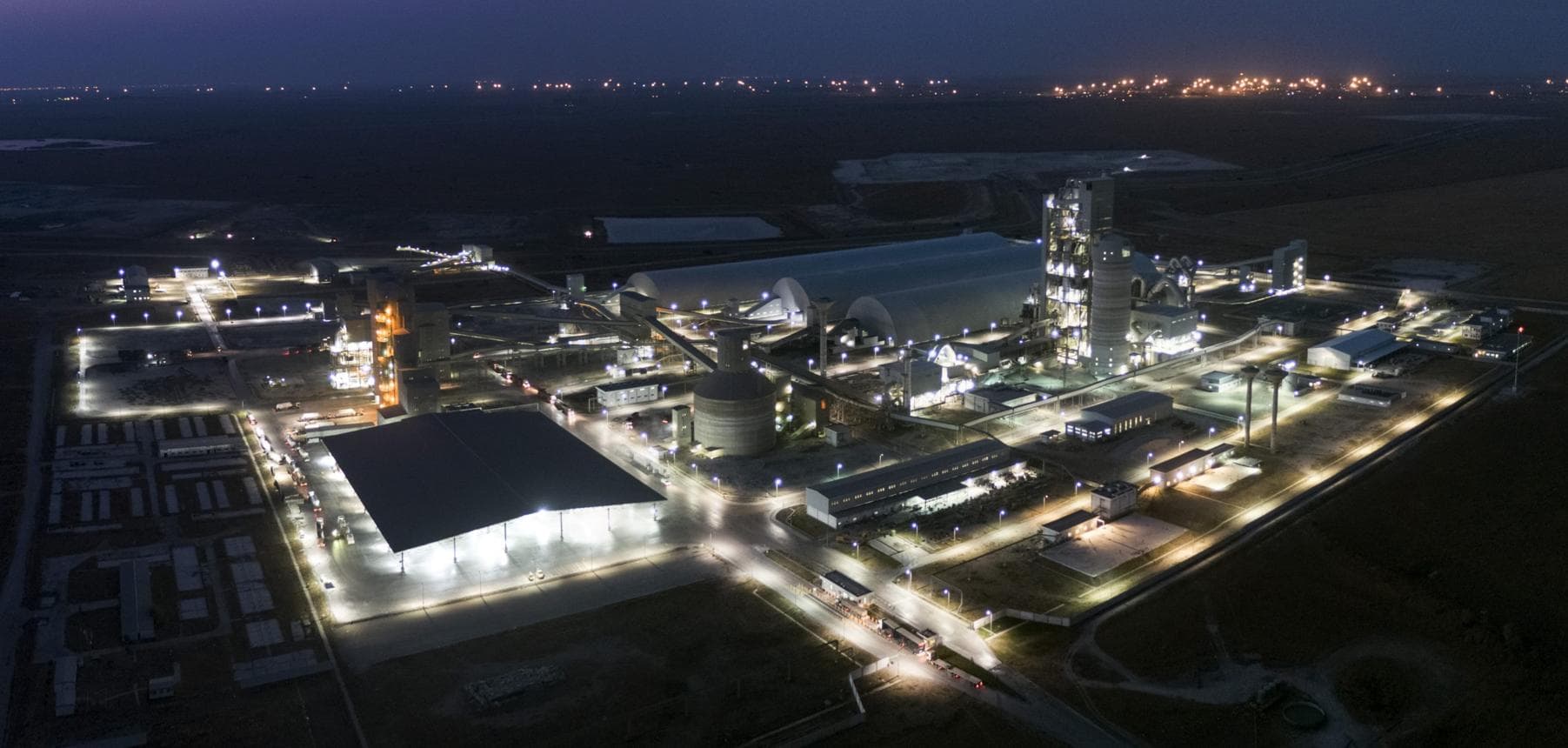
For years, fuel importation represented one of the country's largest commercial sectors, involving:
- marketers,
- shipping operators,
- foreign exchange allocation,
- and government regulation.
Now, however, local refining capacity may gradually reduce the scale of those imports if production continues expanding successfully.
That transition could create:
- new business opportunities,
- competitive pressure,
- and restructuring across the downstream sector.
Some industry participants welcome the changes enthusiastically.
Others remain cautious about how rapidly the market may shift.
Logistics and Distribution Still Matter
One major challenge often overlooked in public discussions is distribution.
Producing fuel locally is only part of the equation.
Moving refined products efficiently across Nigeria remains a massive logistical challenge because of:
- road infrastructure problems,
- pipeline limitations,
- transport costs,
- storage constraints,
- and regional supply disparities.
Experts say long-term success will depend not only on refining capacity, but also on:
- efficient transportation networks,
- storage systems,
- pipeline rehabilitation,
- and nationwide distribution efficiency.
Without strong logistics systems, even increased local production may struggle to deliver consistent nationwide benefits.
Economic Impact Could Be Significant
Economists believe the refinery's long-term impact could extend beyond fuel pricing alone.
A functioning large-scale refinery may influence:
- industrial growth,
- manufacturing costs,
- foreign exchange demand,
- employment,
- and broader investor confidence.
Reduced fuel import dependence could also help lower pressure on Nigeria's foreign reserves over time.
That possibility is especially important during periods of currency volatility and external financial pressure.
The refinery may additionally strengthen Nigeria's position within regional energy markets if export capacity expands successfully.
Critics Still Raise Important Questions
Despite optimism surrounding the project, critics continue raising concerns involving:
- market transparency,
- competition,
- regulatory oversight,
- pricing control,
- and long-term monopolistic risk.
Some analysts warn that excessive concentration within the market could eventually reduce healthy competition if not regulated carefully.
Others question whether ordinary Nigerians will truly feel meaningful long-term pricing relief.
The refinery's supporters argue that increased supply and local production naturally improve market efficiency over time.
But skeptics believe broader structural reforms remain equally necessary.
Why This Moment Feels Historic
Regardless of political or economic opinion, most observers agree on one point.
Nigeria's downstream oil sector is entering a major transition period.
For decades, fuel discussions in Nigeria focused heavily on:
- imports,
- subsidies,
- scarcity,
- and foreign exchange pressure.
Now, the conversation is shifting toward:
- local refining,
- domestic supply,
- industrial independence,
- and market restructuring.
That shift alone represents a major moment in Nigeria's economic history.
What Happens Next
The next phase of the market transition will likely depend on:
- production consistency,
- distribution efficiency,
- pricing stability,
- government regulation,
- and broader economic conditions.
Market participants will also closely watch whether increased local refining eventually translates into more stable consumer pricing nationwide.
Final Analysis
Dangote Refinery is no longer simply a future promise.
It is now actively reshaping Nigeria's downstream petroleum market in real time.
The full economic impact may still take years to unfold completely, but the influence is already visible across pricing discussions, supply expectations, and industry strategy.
For Nigerians, however, the ultimate measure of success will remain practical rather than symbolic.
People want to know whether fuel eventually becomes:
- more affordable,
- more available,
- and less economically disruptive to daily life.
That answer will determine how history ultimately judges the refinery's long-term significance.
Learnt a lot.. thank you