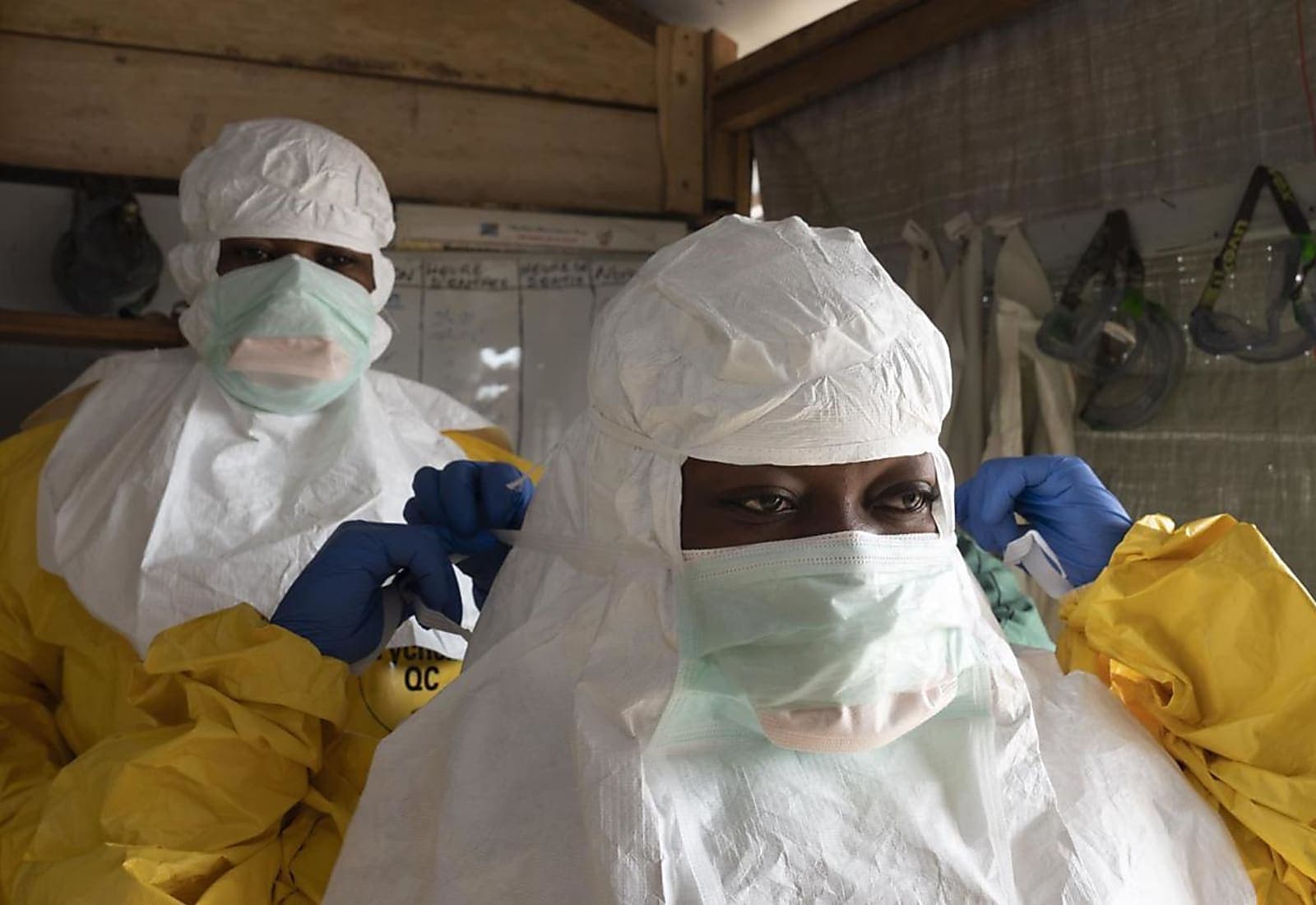
Global health concerns are rising again after a deadly Ebola outbreak in the Democratic Republic of Congo, DRC, reportedly killed at least 80 people while health authorities also confirmed the first linked American case connected to the outbreak.
The development is already triggering renewed international anxiety because Ebola remains one of the world's most feared infectious diseases.
For many Africans especially, the word "Ebola" still carries memories of:
- panic,
- lockdown fears,
- emergency screenings,
- overwhelmed hospitals,
- and global travel disruption.
Now, with the virus once again crossing international borders, governments and health experts are warning countries not to relax.
And for Nigeria, the situation feels especially sensitive.
Because the country already understands how quickly Ebola can become a national emergency if early containment fails.
What Happened in the DRC
Health officials in the Democratic Republic of Congo confirmed that the latest Ebola outbreak has already caused dozens of deaths across affected regions.
Authorities reportedly linked the outbreak to clusters spreading through local communities where:
- healthcare access,
- surveillance systems,
- and emergency response infrastructure
remain under pressure.
Ebola outbreaks in Central Africa are unfortunately not entirely new.
The DRC has experienced multiple Ebola crises over the years because the virus naturally exists in parts of the region's ecological environment.
However, every new outbreak still creates serious international concern because Ebola can spread rapidly if:
- detection is delayed,
- contact tracing weakens,
- or public-health systems become overwhelmed.
Why the American Case Changed the Conversation
The confirmation of a linked American case immediately shifted the outbreak from a regional African health story into a global health-security issue.
Modern air travel means infectious diseases can move internationally within hours through:
- airports,
- tourism,
- business travel,
- migration,
- and international humanitarian operations.
Once Ebola reaches any major international travel network, countries worldwide begin reassessing:
- airport screening,
- emergency preparedness,
- quarantine readiness,
- and border-health surveillance.
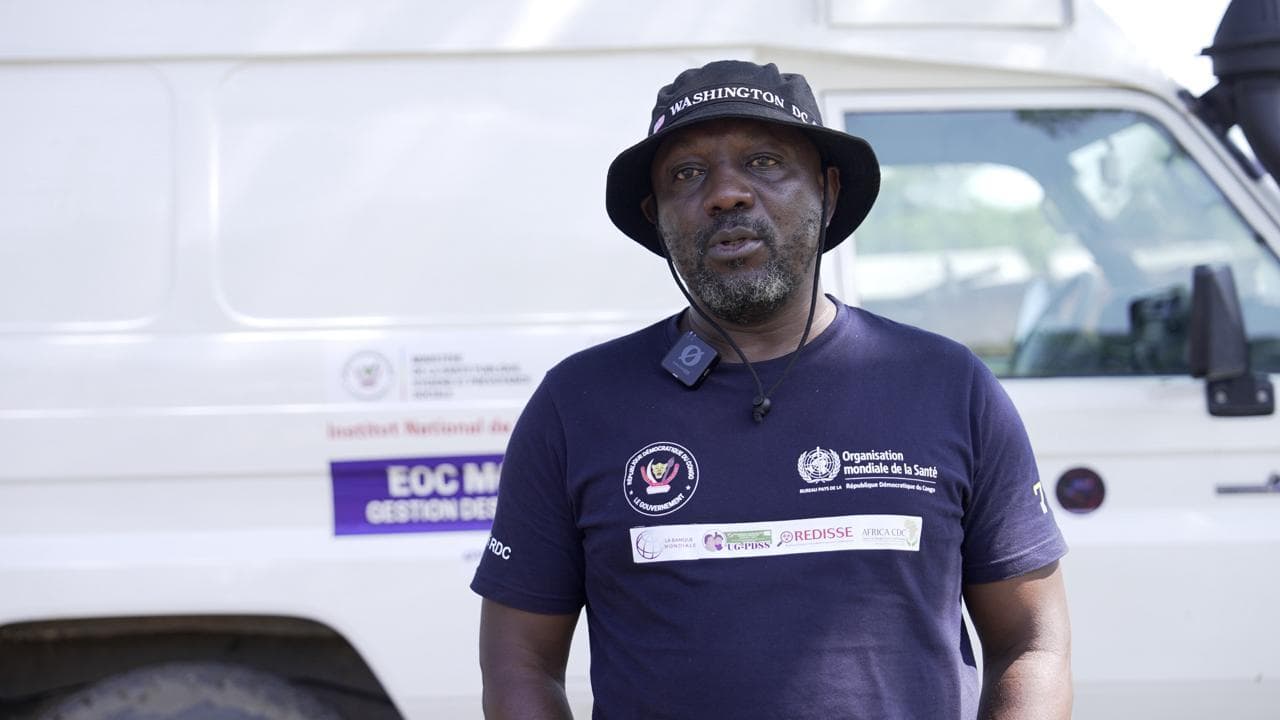
This is exactly why global health authorities respond aggressively to even small international Ebola spillovers.
The fear is not only the current number of infections.
It is how fast outbreaks can escalate if containment fails early.
Why Ebola Still Terrifies the World
Ebola became globally feared because of:
- its high fatality rate,
- severe symptoms,
- rapid deterioration,
- and frightening outbreak history.
Symptoms can include:
- fever,
- vomiting,
- weakness,
- internal bleeding complications,
- and organ failure in severe cases.
Past Ebola outbreaks devastated families and healthcare systems across parts of West and Central Africa.
The 2014 West African Ebola crisis especially traumatised countries including:
- Nigeria,
- Liberia,
- Sierra Leone,
- and Guinea.
Entire communities lived under fear as health workers struggled to contain transmission.
That experience permanently changed how many African governments view infectious-disease preparedness.
Nigeria Knows This Danger Personally
Nigeria's experience during the 2014 Ebola outbreak remains one of the country's most important public-health moments.
The virus entered Nigeria through an infected traveller arriving in Lagos from Liberia.
At the time, global fears exploded because Lagos represented:
- one of Africa's largest cities,
- a major international travel hub,
- and an extremely densely populated urban centre.
A widespread outbreak inside Lagos could have become catastrophic globally.
Instead, Nigerian health authorities launched aggressive:
- contact tracing,
- emergency isolation,
- airport monitoring,
- and public-awareness campaigns.
The response eventually earned international praise.
But the crisis also showed how close the country came to disaster.
That memory still shapes Nigerian public-health thinking today.
Why Border Surveillance Matters Immediately
Whenever Ebola spreads internationally, airports and border systems become critical.
Countries begin intensifying:
- temperature screening,
- travel-history checks,
- health declarations,
- and emergency-response coordination.
Nigeria's airports connect directly to:
- Europe,
- North America,
- Central Africa,
- and multiple regional destinations daily.
That connectivity creates enormous responsibility around outbreak preparedness.
Health experts repeatedly warn that delayed response during early outbreak stages often becomes extremely costly later.
Healthcare Systems Across Africa Still Face Pressure
Although African disease-response systems improved after previous outbreaks, many countries still face serious healthcare challenges involving:
- underfunding,
- limited laboratory capacity,
- staffing shortages,
- overcrowded hospitals,
- and weak rural healthcare infrastructure.
The DRC itself faces particularly difficult conditions because conflict and instability sometimes complicate emergency medical response.
Outbreak control depends heavily on:
- rapid testing,
- contact tracing,
- public cooperation,
- and strong medical coordination.
Without those systems functioning properly, outbreaks can expand quickly.
Misinformation Is Also a Major Threat
One major lesson from previous Ebola outbreaks is that misinformation spreads almost as quickly as disease itself.
Social media often becomes flooded with:
- conspiracy theories,
- fake cures,
- panic rumours,
- false prevention methods,
- and dangerous misinformation.
During earlier outbreaks, some communities distrusted:
- hospitals,
- health workers,
- and vaccination efforts because of rumours.
This created serious obstacles for containment.
Public communication therefore becomes critically important during health emergencies.
People need:
- verified medical guidance,
- trusted information,
- and calm communication rather than fear-driven speculation.
Why the Global Economy Watches Ebola Closely
Ebola outbreaks also create economic consequences beyond healthcare alone.
Major outbreaks can affect:
- tourism,
- aviation,
- trade,
- investment,
- and regional economic confidence.
Even countries without large outbreaks sometimes experience financial pressure simply because of global fear and travel caution.
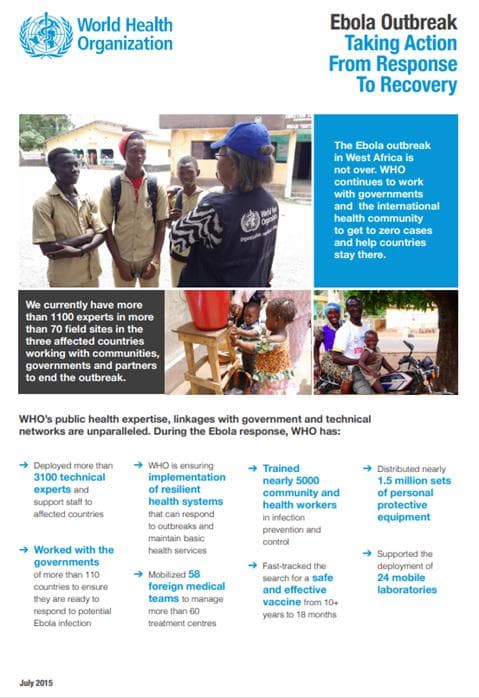
Businesses become more careful. Travel declines. Cross-border movement slows.
This is why governments treat Ebola as both:
- a health issue,
- and an economic-security issue simultaneously.
Vaccines and Preparedness Improved Since 2014
One important difference today compared to earlier Ebola crises is that medical preparedness improved significantly.
Vaccines, testing systems, and outbreak-response strategies are stronger than they were a decade ago.
International organisations including:
- the World Health Organization,
- CDC,
- and African health agencies
now coordinate faster during outbreaks.
Still, experts warn preparedness does not eliminate risk entirely.
Ebola remains extremely dangerous when outbreaks spread faster than containment systems can respond.
Why Nigerians Should Stay Calm But Alert
Health experts usually caution against unnecessary panic during outbreak news.
An isolated international case does not automatically mean widespread catastrophe is imminent.
The goal of preparedness is prevention, not fear.
Citizens should focus on:
- hygiene awareness,
- accurate health information,
- and official medical guidance rather than panic-driven reaction.
At the same time, governments must act quickly before situations escalate.
What Happens Next
Attention will now focus on:
- whether the outbreak expands further,
- how effectively the DRC contains transmission,
- whether additional international cases appear,
- and how global health agencies respond.
Countries across Africa, including Nigeria, are also expected to intensify:
- airport surveillance,
- emergency preparedness,
- and disease-monitoring systems.
Final Analysis
The Ebola outbreak in the DRC and confirmation of a linked American case are reminders that infectious diseases still remain one of the world's most serious global-security threats.
Viruses do not respect:
- borders,
- wealth,
- politics,
- or geography.
And in an interconnected world driven by international travel and global movement, local outbreaks can quickly become international emergencies if ignored too long.
For Nigeria especially, the lesson is already familiar.
Preparedness matters most before panic begins.
No comments yet. Be the first to spark the conversation.