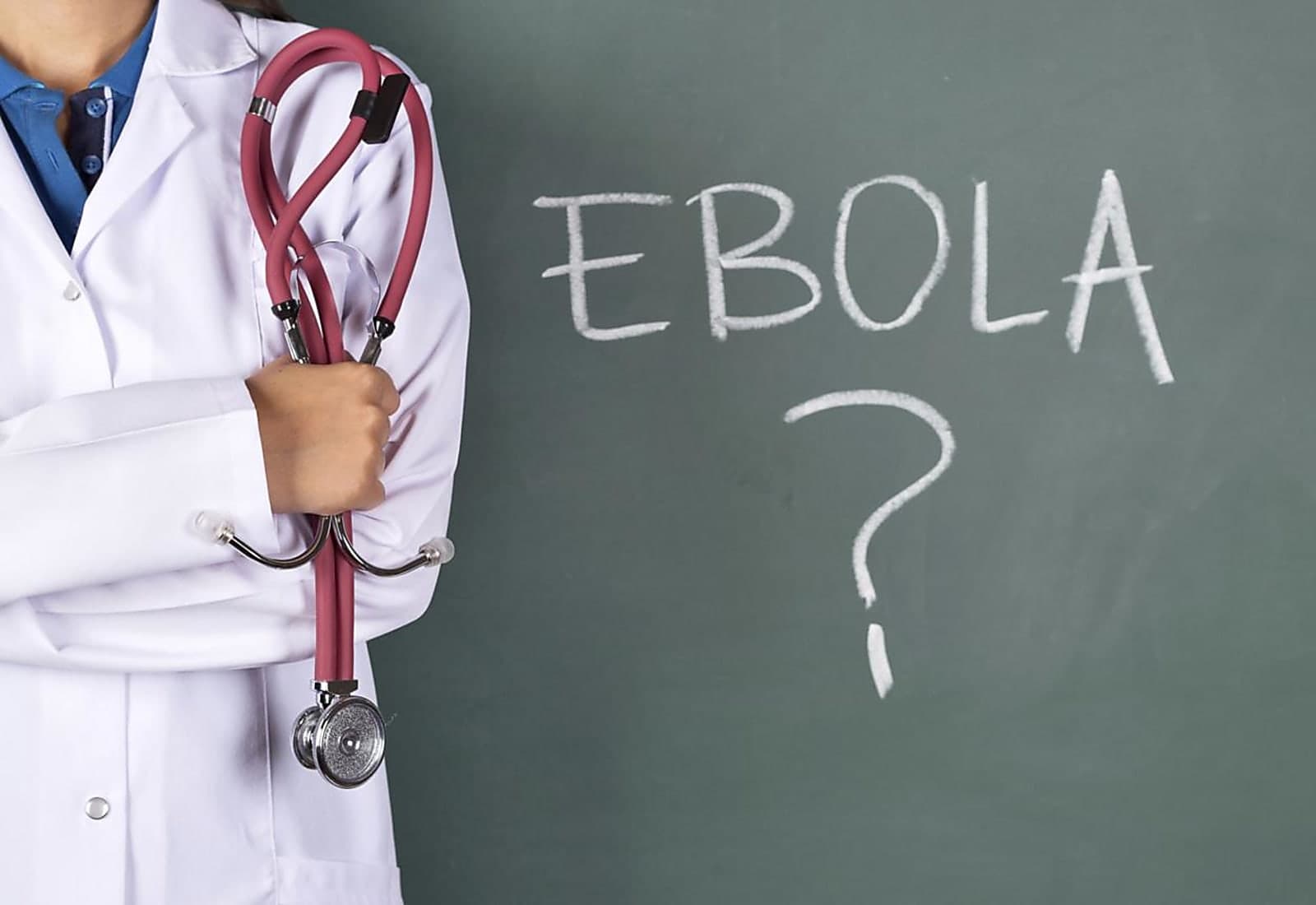
The words "Ebola outbreak" still trigger fear across Africa in ways few diseases ever have.
For Nigerians especially, the memories remain painfully vivid.
The panic. The emergency announcements. The airport screenings. The uncertainty. The fear that entire healthcare systems could collapse under pressure.
Now, with reports of Ebola-related concerns reaching the United States again, health experts across Africa are warning governments not to relax.
And for Nigeria, the message may be especially urgent.
Because history already proved one uncomfortable truth:
Diseases move faster than governments expect.
Why Ebola Still Terrifies the World
Ebola is not simply another infectious disease.
It became one of the world's most feared viruses because of:
- its high fatality rate,
- severe symptoms,
- rapid spread through bodily fluids,
- and the terrifying speed at which outbreaks can escalate.
Symptoms often include:
- fever,
- weakness,
- vomiting,
- bleeding complications,
- and organ failure in severe cases.
Past outbreaks in West Africa devastated communities emotionally and economically.
The 2014 Ebola crisis especially left deep psychological scars across:
- Nigeria,
- Liberia,
- Sierra Leone,
- and Guinea.
Entire healthcare systems came under extraordinary pressure.
Families were traumatised.
Travel restrictions spread globally.
And public panic moved almost as quickly as the virus itself.
Why America's Situation Matters to Nigeria
Many people may assume Ebola cases or scares in the United States have little direct connection to Nigeria.
That assumption would be dangerous.
Modern global travel means infectious diseases can move internationally within hours through:
- airports,
- migration,
- tourism,
- business travel,
- and international events.
The COVID-19 pandemic already demonstrated how interconnected global health systems truly are.
Once an outbreak reaches major international travel networks, countries worldwide begin reassessing:
- border surveillance,
- emergency readiness,
- healthcare capacity,
- and public communication systems.
Nigeria therefore cannot afford to treat international Ebola developments casually.
Nigeria Already Knows How Dangerous Ebola Can Become
Nigeria's experience during the 2014 Ebola outbreak remains one of the country's most important public-health moments.
The virus entered Nigeria through an infected traveller arriving in Lagos from Liberia.
At the time, fears exploded because Lagos represented one of Africa's largest and busiest cities.
A widespread outbreak inside Lagos could have become catastrophic globally.
Instead, Nigeria's health authorities responded aggressively through:
- contact tracing,
- emergency isolation,
- public awareness campaigns,
- airport monitoring,
- and rapid coordination between agencies.
The response eventually became internationally praised.
But the experience also revealed how close the country came to disaster.
Why Public Health Preparedness Matters More Than Panic
One major lesson from previous outbreaks is that fear alone solves nothing.
Preparedness matters more.
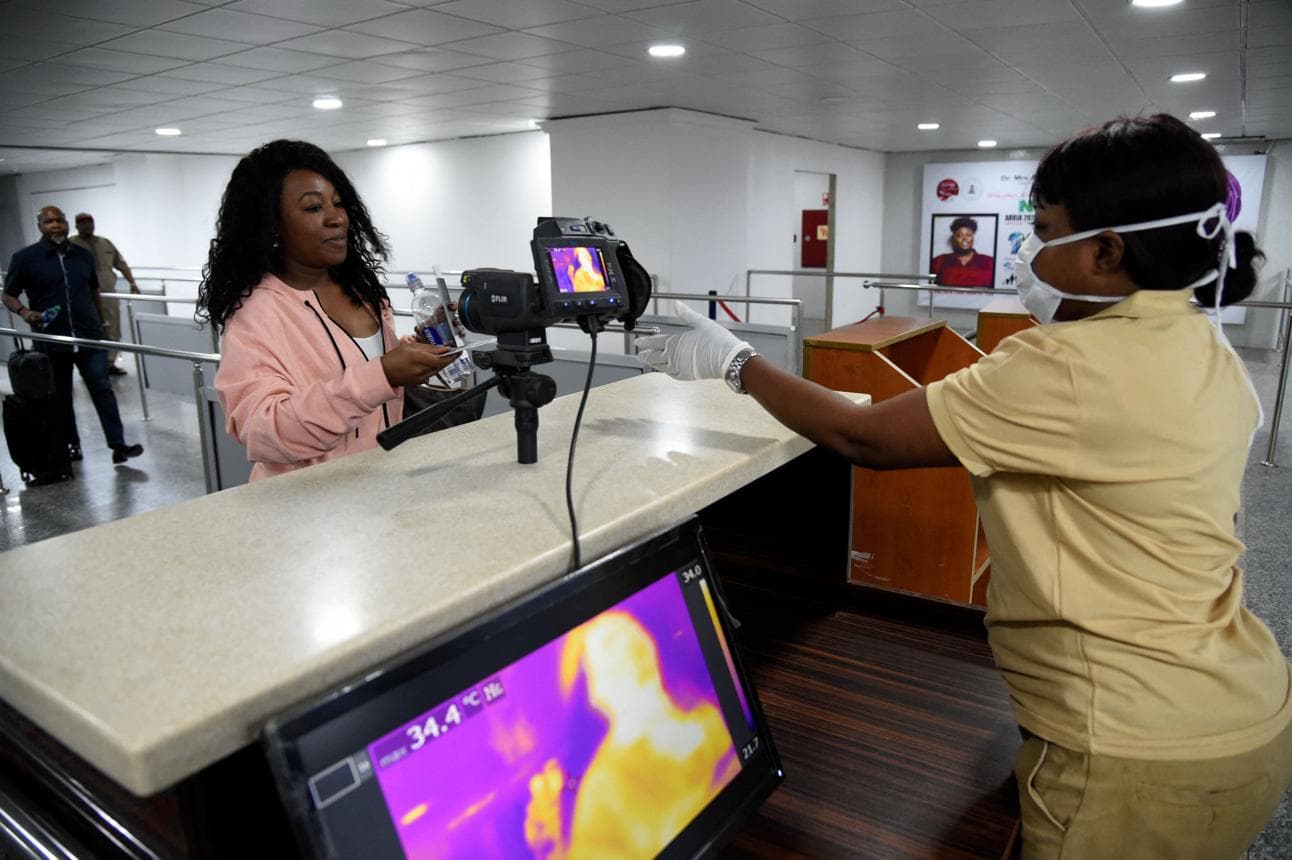
Countries that respond effectively to infectious disease threats usually focus on:
- rapid detection,
- testing,
- surveillance,
- public communication,
- emergency coordination,
- and healthcare readiness.
Nigeria's challenge today is not simply preventing Ebola entry.
It is ensuring institutions remain capable of responding quickly if suspicious cases appear.
That requires:
- funding,
- training,
- medical infrastructure,
- and political seriousness consistently.
Airports and Borders Become Critical Immediately
Whenever global infectious disease alerts rise, airports become extremely important.
Nigeria's international airports connect directly to:
- Europe,
- North America,
- Asia,
- and multiple African countries daily.
This creates enormous responsibility around:
- passenger screening,
- medical reporting,
- quarantine readiness,
- and emergency coordination.
Public-health experts often warn that delayed response during early outbreak stages can become extremely costly later.
Early detection saves lives.
Why Health Systems Across Africa Remain Vulnerable
Although Africa improved disease-response capacity significantly after previous outbreaks, many healthcare systems still face serious pressure involving:
- underfunding,
- staffing shortages,
- limited equipment,
- weak rural infrastructure,
- and overcrowded hospitals.
Nigeria especially faces healthcare challenges connected to:
- population size,
- urban density,
- medical workforce shortages,
- and uneven healthcare access.
This means preparedness cannot remain theoretical.
Emergency systems need to function practically under real pressure.
Misinformation Can Become Almost as Dangerous as Disease
Another major challenge during outbreaks is misinformation.
Social media often spreads:
- panic,
- fake cures,
- conspiracy theories,
- false symptoms,
- and dangerous rumours extremely quickly.
During previous Ebola outbreaks, misinformation sometimes caused:
- distrust,
- delayed treatment,
- fear of hospitals,
- and harmful self-medication practices.
This is why government communication becomes critically important.
People need:
- accurate information,
- calm guidance,
- and trusted medical updates rather than panic-driven speculation.
The Economic Consequences Could Also Be Severe
Beyond health concerns, Ebola scares often damage economies significantly.
Outbreak fears can affect:
- tourism,
- international trade,
- aviation,
- investment,
- and public confidence.
Even countries without major outbreaks sometimes suffer economically simply because of regional fear.
Businesses become cautious. Travel slows. International restrictions increase.
Nigeria therefore has strong economic reasons to take preparedness seriously early rather than waiting for crisis escalation.
The World Is More Connected Than Ever
One uncomfortable reality modern societies continue learning is this:
No country is truly isolated from global health threats anymore.
A health crisis beginning in one region can rapidly affect:
- airlines,
- supply chains,
- financial systems,
- education,
- migration,
- and international politics globally.
This interconnectedness means health security increasingly functions like national security.
Countries unable to respond effectively to outbreaks risk:
- instability,
- economic disruption,
- and international isolation.
Why Nigerians Should Stay Calm But Alert
At the same time, experts usually warn against unnecessary panic.
An isolated international Ebola case or health alert does not automatically mean widespread outbreak is inevitable.
The goal of preparedness is prevention, not fear.
Citizens should focus on:
- hygiene awareness,
- trusted medical information,
- and responsible public-health behaviour rather than panic-driven reaction.
Governments, meanwhile, must ensure systems are functioning before emergencies escalate.
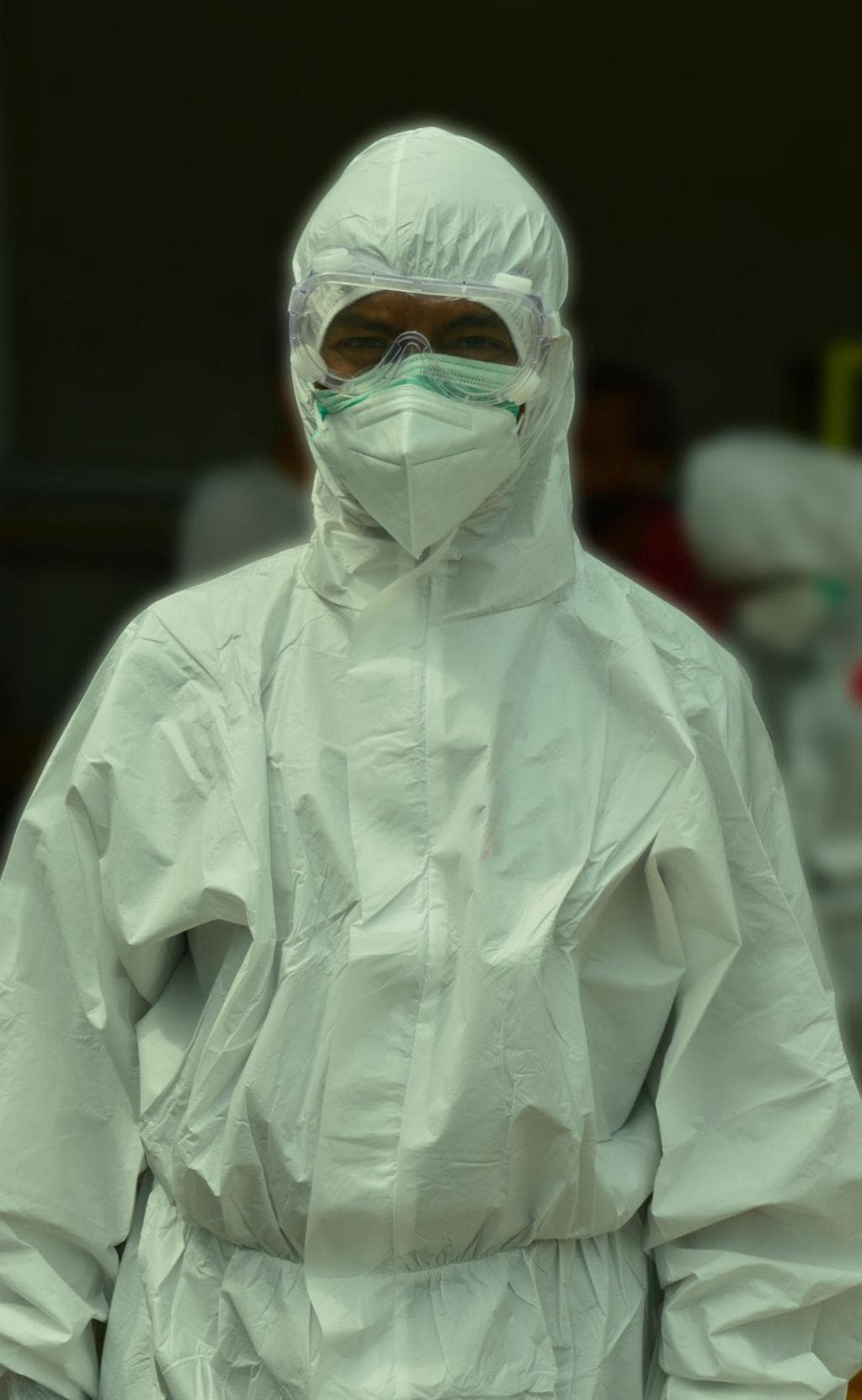
What Nigeria Should Be Doing Immediately
Health experts would likely recommend Nigeria intensify:
- airport screening,
- emergency-response coordination,
- disease surveillance,
- hospital readiness,
- laboratory capacity,
- and public communication systems immediately.
Authorities may also need stronger collaboration with:
- the World Health Organization,
- neighbouring countries,
- aviation authorities,
- and regional health agencies.
Preparedness works best before crisis begins, not after.
Why the Memory of 2014 Still Matters
Nigeria's successful containment of Ebola in 2014 remains one of the country's proudest public-health achievements.
But success in the past does not guarantee automatic success in the future.
Viruses evolve. Travel patterns change. Healthcare systems face new pressures.
The real danger is complacency.
Final Analysis
The possibility of Ebola concerns reaching America again is not merely an American story.
It is a global warning.
For Nigeria, the memory of how close the country once came to disaster should make preparedness urgent, not optional.
The lesson from modern outbreaks is brutally simple:
Infectious diseases do not respect:
- borders,
- politics,
- wealth,
- or geography.
Countries that act early usually suffer less.
Countries that delay often regret it later.
No comments yet. Be the first to spark the conversation.