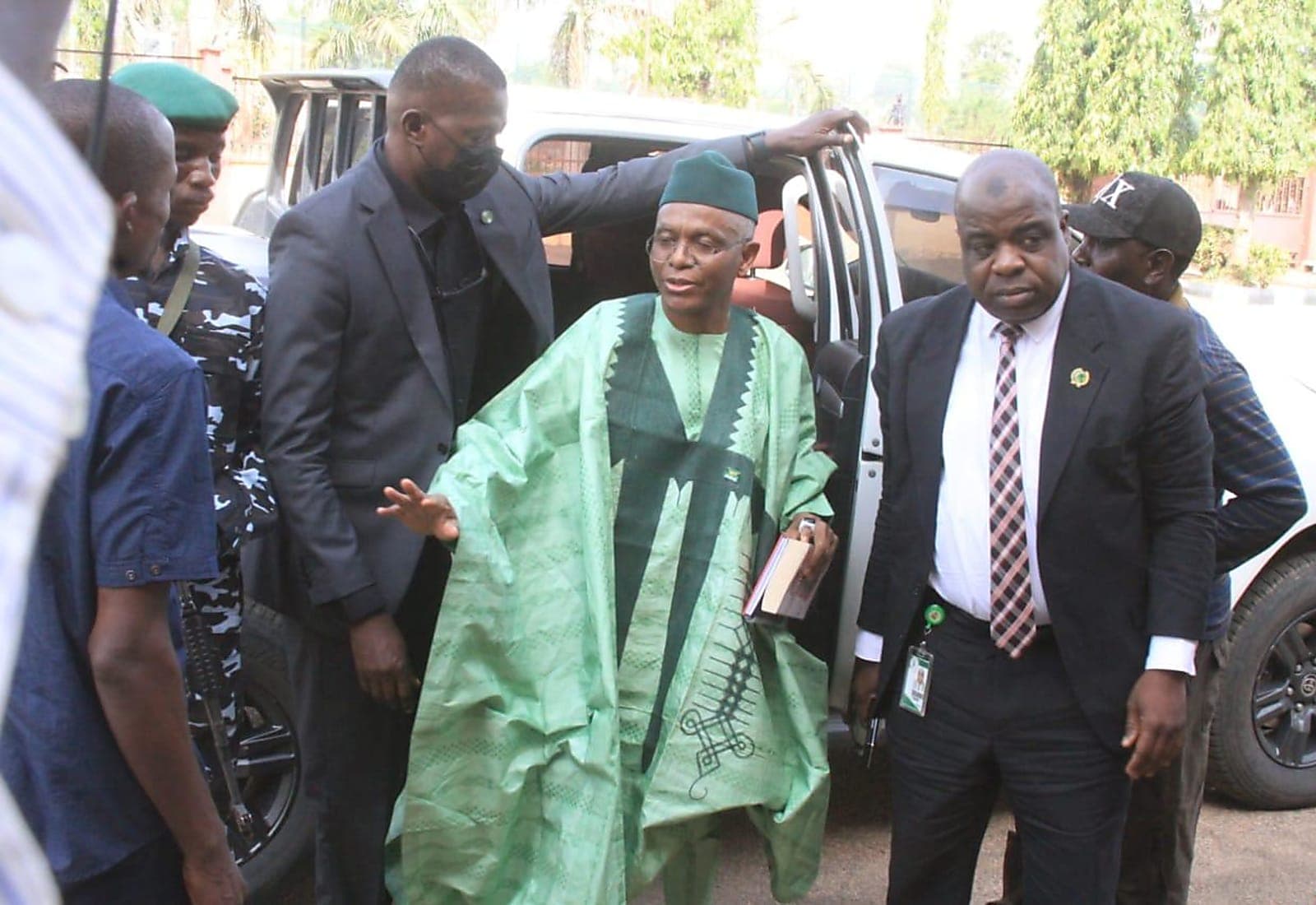
The news that former Kaduna State governor Nasir El-Rufai was granted ₦100 million bail immediately triggered intense political conversation across Nigeria.
For supporters, the development represented a major legal victory and a possible sign that the former governor could soon regain freedom.
For critics, however, the story is far from over.
Because despite the bail ruling, multiple legal and procedural complications reportedly mean El-Rufai may still not walk free immediately.
And in Nigerian politics, that distinction matters enormously.
The situation has quickly evolved into more than a courtroom story.
It is now becoming a broader conversation involving:
- political influence,
- legal power,
- elite rivalry,
- institutional trust,
- and the increasingly complicated relationship between politics and the judiciary in Nigeria.
Why El-Rufai Remains One of Nigeria's Most Controversial Politicians
Few Nigerian politicians provoke reactions as strong as Nasir El-Rufai.
Over the years, the former governor built a reputation as:
- outspoken,
- confrontational,
- intellectually aggressive,
- and politically influential.
Supporters often describe him as:
- bold,
- reform-driven,
- strategic,
- and unafraid of difficult decisions.
Critics, however, accuse him of:
- political intolerance,
- divisive rhetoric,
- authoritarian tendencies,
- and controversial governance decisions.
That polarising reputation explains why nearly every legal or political development involving him attracts nationwide attention instantly.
Why the Bail Story Became So Complicated
Ordinarily, securing bail would suggest a clear path toward temporary release pending further legal proceedings.
But Nigerian legal processes can become far more complicated in politically sensitive cases.
Reports indicate that although bail was granted, other legal factors may still affect whether El-Rufai actually leaves custody immediately.
These complications can involve:
- procedural requirements,
- documentation,
- additional legal filings,
- parallel investigations,
- or other pending judicial processes.
In high-profile political cases especially, legal outcomes often move slowly and unpredictably.
This is why political observers remain cautious despite the bail decision itself.
Why ₦100 Million Bail Matters Symbolically
The amount attached to the bail also attracted attention because high-profile bail conditions often carry symbolic political weight in Nigeria.
Large bail amounts are sometimes interpreted publicly as:
- seriousness of allegations,
- institutional caution,
- political messaging,
- or judicial pressure.
At the same time, critics argue extremely wealthy political figures rarely struggle financially with large bail figures compared to ordinary Nigerians facing the justice system.
That contrast frequently reignites public debate about:
- inequality,
- access to justice,
- and how differently the legal system appears to operate across social classes.
Nigerian Politics and the Judiciary Are Deeply Intertwined
One reason the story became so politically explosive is because Nigerians increasingly view major legal cases through political lenses.
Public trust in institutions has become highly complicated over the years.
Supporters of politicians often interpret legal cases as:
- political persecution,
- elite rivalry,
- or selective justice.
Critics, meanwhile, frequently argue powerful politicians only face accountability when political alliances collapse.
This environment makes it difficult for many Nigerians to separate:
- law,
- politics,
- and power completely.
The El-Rufai case therefore immediately became politically charged beyond the courtroom itself.
The Political Timing Is Also Important
Timing matters heavily in Nigerian politics.
Major investigations, court cases, and political disputes often gain extra attention when connected to:
- elections,
- power struggles,
- party conflict,
- or shifting political alliances.
Observers are therefore closely analysing:
- who benefits politically,
- which alliances are changing,
- and whether broader power struggles exist beneath the legal headlines.
Even when cases involve legitimate legal processes, political interpretation often shapes public reaction more strongly than courtroom details themselves.
El-Rufai Still Has Significant Political Influence
Despite controversy, El-Rufai remains one of the country's most politically connected figures.
His influence extends through:
- political networks,
- policy circles,
- party structures,
- northern political alliances,
- and national political debate.
That influence means legal developments involving him naturally carry broader political implications.
Supporters continue portraying him as an important political voice capable of shaping future national conversations.
Critics, however, argue his controversies continue damaging his public image nationally.
Nigerians Are Increasingly Skeptical of Elite Accountability
Another reason the story gained massive attention is because many Nigerians remain deeply skeptical about whether elite political accountability truly exists consistently.
Over the years, several high-profile corruption or political cases involving powerful figures eventually:
- stalled,
- faded,
- or disappeared quietly.
This history creates widespread public cynicism.
Many citizens now instinctively question:
- whether justice will actually continue fully,
- whether political settlements will emerge,
- or whether the case will eventually lose momentum.
That skepticism reflects broader frustration with institutional trust generally.
Social Media Turned the Case Into Political Theatre
As with many major Nigerian political stories today, social media transformed the case into a national spectacle almost immediately.
Supporters and critics flooded platforms with:
- arguments,
- conspiracy theories,
- legal analysis,
- political propaganda,
- and emotional reactions.
Modern Nigerian politics increasingly unfolds publicly online in real time.
Courtroom developments no longer remain confined to legal reporting alone.
They become:
- political entertainment,
- public debate,
- and social media warfare simultaneously.
Why the "May Still Not Walk Free" Detail Matters
The most important aspect of the story may actually be the uncertainty itself.
The idea that someone can receive bail yet remain potentially unable to secure immediate release highlights how complicated high-profile legal processes can become.
For many Nigerians, that uncertainty reinforces fears about:
- procedural opacity,
- political interference,
- institutional inconsistency,
- and legal unpredictability.
Whether justified or not, public perception often matters politically almost as much as the legal facts themselves.
What Happens Next
Attention will now focus on:
- whether all bail conditions are fulfilled,
- whether additional legal obstacles emerge,
- how political allies respond,
- and whether the broader case intensifies further.
Political analysts also expect increased attention around:
- elite alliances,
- northern political reactions,
- and future power calculations connected to the case.
Final Analysis
El-Rufai's ₦100 million bail story is no longer simply about one legal ruling.
It has evolved into a larger national conversation about:
- power,
- politics,
- justice,
- and public trust inside Nigeria's institutions.
The courtroom decision may have created headlines.
But the deeper national fascination comes from what the story symbolises.
In Nigerian politics, legal battles involving powerful figures are rarely viewed as ordinary legal matters alone.
They are often interpreted as signs of shifting power itself.
And that is why the country is still watching so closely.
No comments yet. Be the first to spark the conversation.