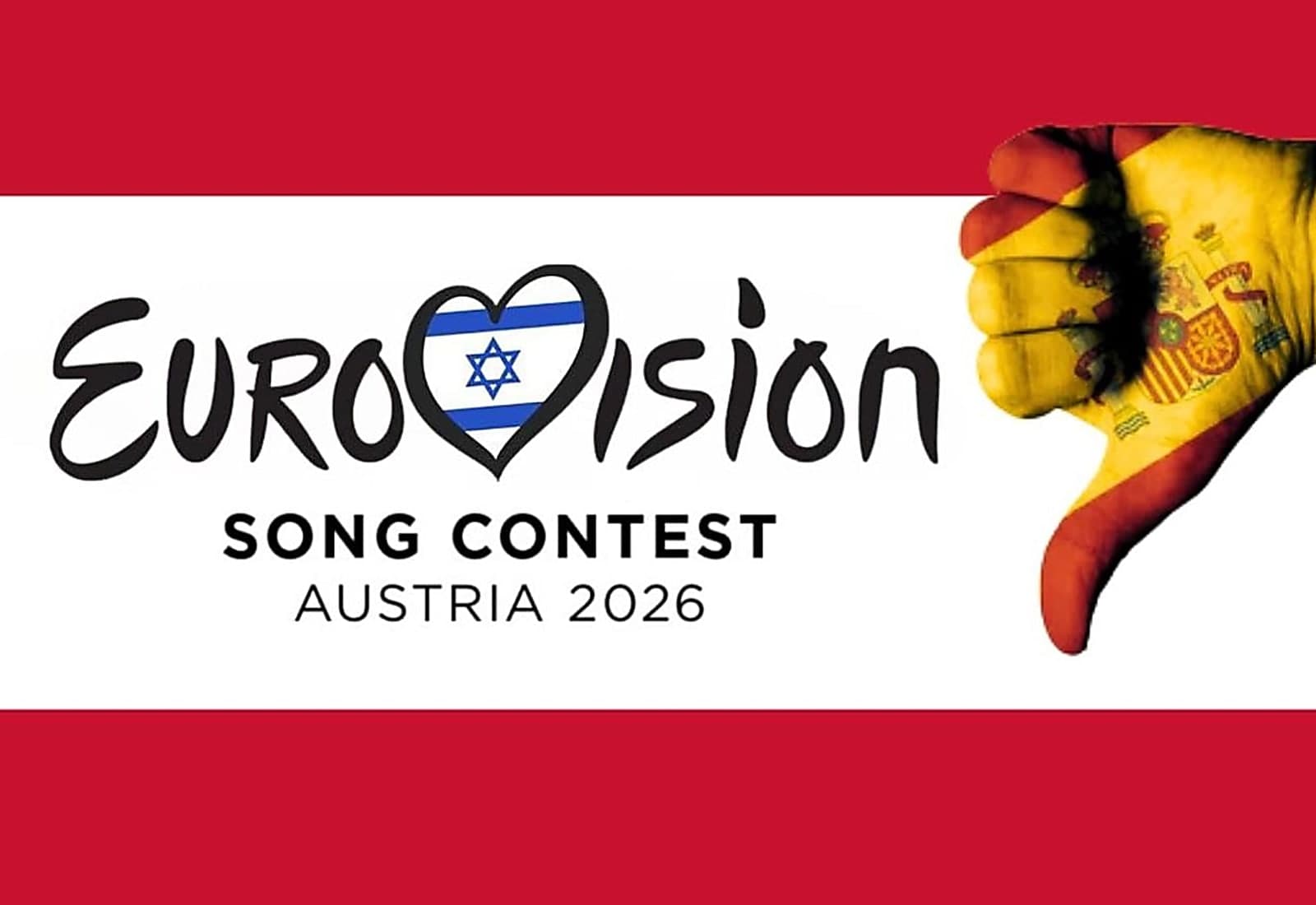
Eurovision has always been dramatic.
That is part of its identity.
For decades, the contest thrived on:
- outrageous costumes,
- emotional ballads,
- bizarre performances,
- political undertones,
- and unforgettable chaos.
But Eurovision 2026 felt different.
This year's final did not simply generate debate.
It triggered a cultural and political explosion large enough to make many observers question whether the competition is entering its most unstable era ever.
What was supposed to be a celebration marking the contest's 70th anniversary instead became dominated by:
- international boycotts,
- political protests,
- accusations of double standards,
- voting controversy,
- broadcaster resignations,
- and growing anger toward organisers.
By the time the final ended in Vienna, many fans no longer viewed Eurovision as merely a music competition.
They viewed it as a battlefield for Europe's deepest political and cultural tensions. :contentReference[oaicite:0]{index=0}
Why Israel's Participation Became the Centre of the Storm
The biggest controversy surrounding Eurovision 2026 involved Israel's participation amid the ongoing Gaza conflict.
Several broadcasters and participating countries argued the European Broadcasting Union, known as the EBU, was applying inconsistent standards.
Critics pointed out that Russia had previously been removed from the contest after its invasion of Ukraine, while Israel remained allowed to compete despite mounting international criticism over Gaza. :contentReference[oaicite:1]{index=1}
The backlash escalated rapidly.
Countries including:
- Spain,
- Ireland,
- Slovenia,
- Iceland,
- and the Netherlands
reportedly withdrew or boycotted aspects of the contest in protest. :contentReference[oaicite:2]{index=2}
For Eurovision, whose slogan remains "United by Music," the political fracture felt impossible to ignore.
Vienna Became a Political Arena
The host city of Vienna transformed into far more than a festival location.
Demonstrations erupted throughout Eurovision week involving:
- pro-Palestinian protests,
- free-speech demonstrations,
- broadcaster criticism,
- and counter-protests defending Israel's participation.
Reports described audience booing during performances, political chants inside venues, and growing security concerns around the event itself. :contentReference[oaicite:3]{index=3}
Spanish broadcaster RTVE even aired a direct political message during the final, declaring:
"Human rights are not a competition." :contentReference[oaicite:4]{index=4}
That moment symbolised how impossible it had become to separate Eurovision from geopolitics entirely.
Bulgaria's Victory Was Almost Overshadowed
Despite Bulgaria ultimately winning the contest with Dara's performance, the result itself quickly became secondary to the surrounding controversy. :contentReference[oaicite:5]{index=5}
Normally, Eurovision winners dominate post-show headlines through:
- performances,
- celebrations,
- interviews,
- and fan reaction.
This year, however, conversation focused more heavily on:
- protests,
- voting irregularities,
- political divisions,
- and the contest's future legitimacy.
Even the televoting system came under attack.
Several broadcasters and commentators raised concerns about:
- organised voting campaigns,
- political bloc voting,
- and alleged manipulation linked to state-backed promotional efforts. :contentReference[oaicite:6]{index=6}
The Voting Controversy Became Explosive
One of the most dramatic moments after the final involved Moldova's broadcaster.
The director-general of Moldova's public television network resigned after backlash surrounding jury voting patterns that appeared politically sensitive. :contentReference[oaicite:7]{index=7}
Critics accused the Moldovan jury of ignoring traditional cultural relationships involving Romania and Ukraine while awarding unexpectedly high scores elsewhere.
The situation became so intense that national political sensitivities entered public debate directly. :contentReference[oaicite:8]{index=8}
Eurovision has always contained regional and political voting patterns.
But this year, the accusations became unusually aggressive and emotionally charged.
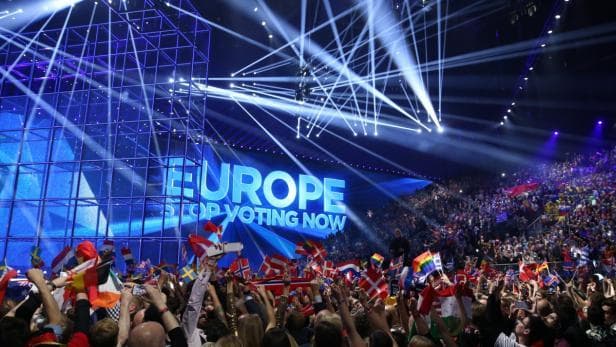
Eurovision's Identity Crisis Is Growing
The deeper issue emerging from Eurovision 2026 is not simply one controversy.
It is the growing sense that the competition no longer knows exactly what it wants to be.
For decades, Eurovision balanced:
- camp entertainment,
- European identity,
- cultural celebration,
- and soft political symbolism.
But global politics has become increasingly polarised.
Now, every major Eurovision decision appears interpreted through:
- war,
- nationalism,
- diplomacy,
- identity politics,
- and media ideology.
The result is a competition struggling to maintain neutrality in an era where neutrality itself feels politically impossible.
Younger Audiences See Eurovision Differently
Interestingly, younger viewers often approach Eurovision very differently from older generations.
For many younger fans, Eurovision now exists as:
- internet culture,
- meme culture,
- LGBTQ+ visibility,
- political expression,
- and social identity simultaneously.
Social media amplified every controversy instantly through:
- TikTok,
- X,
- Instagram,
- YouTube,
- and livestream commentary.
This transformed Eurovision from a television broadcast into a permanent online battlefield operating in real time.
Every performance became:
- a political statement,
- a viral clip,
- or a culture-war argument within minutes.
The EBU Is Under Enormous Pressure
The European Broadcasting Union now faces perhaps the biggest institutional crisis in Eurovision's modern history.
Critics accuse the EBU of:
- inconsistency,
- weak transparency,
- political double standards,
- and poor crisis management.
Meanwhile, organisers insist Eurovision remains fundamentally about music rather than geopolitics. :contentReference[oaicite:9]{index=9}
But many fans no longer believe that distinction is realistic.
Several broadcasters are reportedly reconsidering future participation entirely. :contentReference[oaicite:10]{index=10}
If withdrawals continue, Eurovision's long-term structure could face serious instability.
Why This Matters Beyond Entertainment
At first glance, Eurovision may appear trivial compared to wars or global crises.
But major cultural events often reveal deeper social tensions more honestly than politics itself.
Eurovision matters because it reflects:
- European identity,
- public values,
- generational conflict,
- media culture,
- and geopolitical anxiety simultaneously.
The contest became controversial precisely because people care emotionally about what it symbolises.
For some viewers, Eurovision represents openness and unity.
For others, it increasingly represents hypocrisy and political inconsistency.
The Contest May Never Feel the Same Again
Perhaps the most important consequence of Eurovision 2026 is psychological.
The contest crossed a threshold this year.
Politics inside Eurovision no longer feels like background noise.
It now feels central to the competition itself.
Future contests will almost certainly face:
- greater scrutiny,
- stronger protests,
- more voting suspicion,
- and heavier political pressure.
The innocence Eurovision once enjoyed may be disappearing permanently.
Final Analysis
Eurovision 2026 was not simply controversial because of one country, one vote, or one protest.
It became controversial because the competition absorbed the political and emotional tensions of an increasingly divided world.
The final exposed deep fractures involving:
- identity,
- morality,
- media,
- nationalism,
- and public trust.
For some fans, the chaos proved Eurovision remains culturally important precisely because it reflects real-world conflict so openly.
For others, it marked the moment the contest finally lost the escapist magic that once made it special.
Either way, Eurovision's 70th anniversary will almost certainly be remembered less for the music and more for the storm surrounding it.
No comments yet. Be the first to spark the conversation.