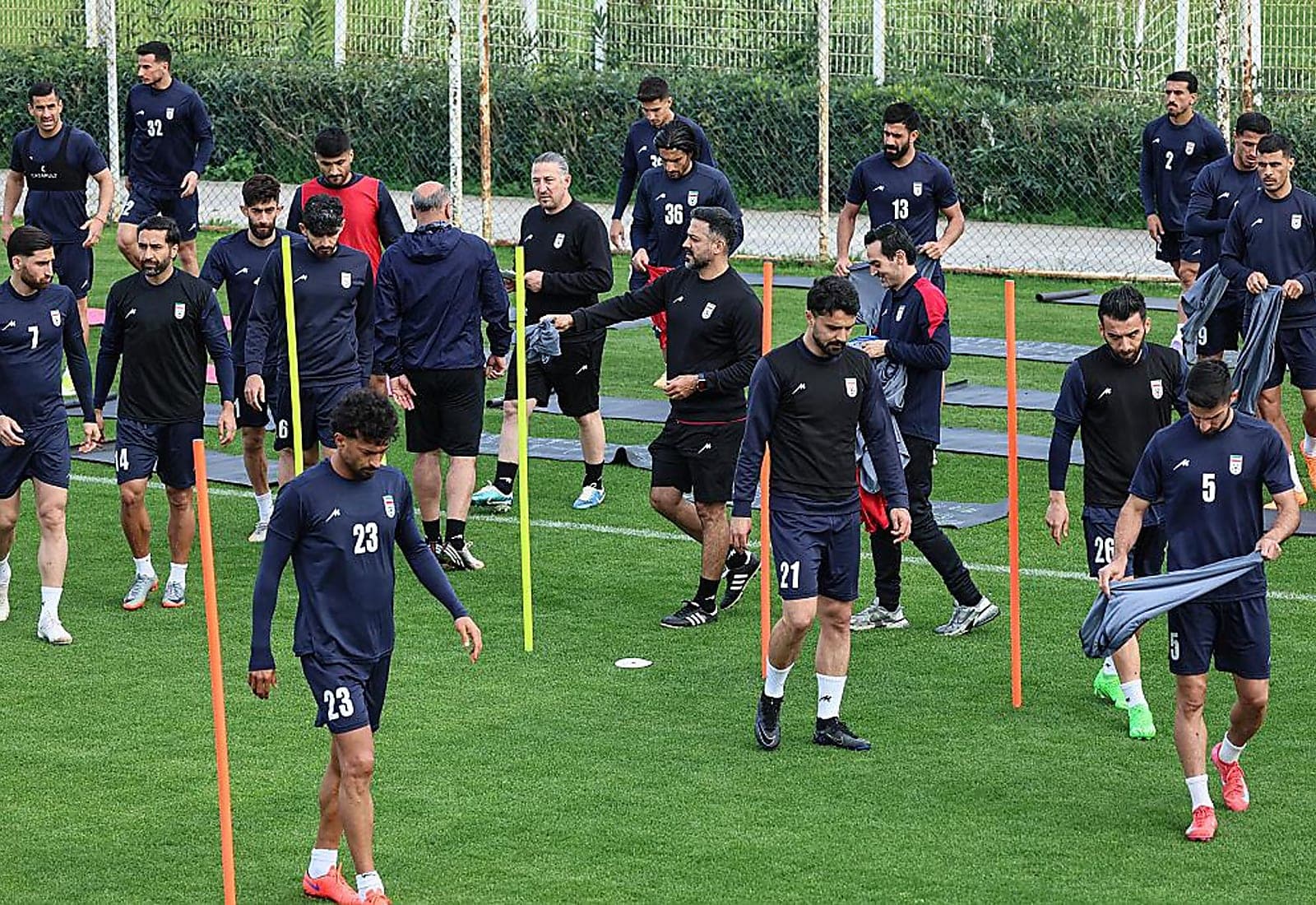
Iran's national football team should be preparing for the biggest sporting event on Earth with excitement and focus.
Instead, the squad is entering the 2026 FIFA World Cup under the shadow of war, visa uncertainty, diplomatic tension, and growing geopolitical anxiety.
The team's move to Turkey this week was officially described as part of its final World Cup preparation plans involving:
- training camps,
- visa applications,
- and international friendlies.
But in reality, the situation surrounding Iran's participation now feels far bigger than football alone.
The squad's journey to Turkey has become symbolic of a tournament increasingly entangled with:
- war,
- politics,
- border restrictions,
- security fears,
- and international diplomacy.
For Iran's players, the challenge is no longer simply preparing to face opponents on the pitch.
It is navigating one of the most politically tense World Cups modern football has ever seen.
Why Iran Is Training in Turkey
Iran's national team arrived in Antalya, Turkey, to begin a critical training camp ahead of the 2026 FIFA World Cup. The camp is expected to include:
- fitness recovery,
- tactical preparation,
- warm-up friendlies,
- and visa processing for entry into the United States and Canada. :contentReference[oaicite:0]{index=0}
The decision reflects practical necessity.
Iran's domestic football schedule was heavily disrupted after the February conflict involving the United States, Israel, and Iran forced suspension of league activities for periods of time. :contentReference[oaicite:1]{index=1}
Head coach Amir Ghalenoei admitted publicly that many players are currently lacking proper match fitness because of those disruptions. :contentReference[oaicite:2]{index=2}
Turkey therefore offers:
- safer preparation conditions,
- international travel access,
- training infrastructure,
- and proximity to embassies needed for visa processing.
But even this preparation camp carries political tension.
The Visa Problem Is Becoming a Major Story
One of the biggest concerns surrounding Iran's World Cup participation remains visas.
The 2026 tournament is co-hosted by:
- the United States,
- Canada,
- and Mexico.
Iran is scheduled to play all its group-stage matches inside the United States. :contentReference[oaicite:3]{index=3}
That reality creates enormous diplomatic complications because relations between Washington and Tehran remain deeply hostile following months of military confrontation and failed ceasefire negotiations.
Iranian officials have repeatedly expressed concern that:
- players,
- staff,
- journalists,
- and supporters
could face immigration difficulties or political scrutiny while travelling for the tournament. :contentReference[oaicite:4]{index=4}
The Iranian Football Federation reportedly requested that FIFA move Iran's matches to Mexico instead, but FIFA President Gianni Infantino rejected the proposal and insisted the schedule would remain unchanged. :contentReference[oaicite:5]{index=5}
Now, many players and staff are completing visa applications from Turkey because processing inside Iran has become politically complicated. :contentReference[oaicite:6]{index=6}
The War Is Impossible to Ignore
Even though an official ceasefire technically remains in place between Iran and the United States, the broader regional atmosphere remains extremely tense.
Recent months saw:
- airstrikes,
- military escalation,
- shipping attacks,
- drone incidents,
- and diplomatic breakdowns across the Middle East.
The football team therefore carries emotional and political pressure far beyond sport itself.
Players are preparing for the World Cup while their country remains deeply entangled in one of the most dangerous geopolitical crises in recent years.
That emotional reality changes everything around the tournament experience.
FIFA Faces One of Its Most Difficult Political Situations Ever
The Iran situation is becoming one of the biggest political tests FIFA has faced in modern World Cup history.
FIFA continues insisting football should remain separate from politics.
But critics increasingly argue that separation is becoming unrealistic.
The organisation now faces difficult questions involving:
- security,
- immigration,
- diplomatic access,
- player safety,
- and equal treatment.
Iran's Football Federation president Mehdi Taj has already experienced visa-related controversy involving Canada and the United States because of alleged links to the Islamic Revolutionary Guard Corps, known as the IRGC. :contentReference[oaicite:7]{index=7}
These tensions are raising fears that political disputes may eventually overshadow the football itself.
Friendlies Are Supposed to Restore Focus
Despite the geopolitical drama, Iran still needs to prepare competitively.
The team is scheduled to face Gambia in a friendly match on May 29, with discussions ongoing around additional warm-up games in Turkey and possibly Arizona. :contentReference[oaicite:8]{index=8}
Normally, these friendlies would dominate football discussion.
Instead, tactical preparation now feels secondary to:
- visas,
- security,
- diplomacy,
- and political uncertainty.
Even squad selection has become politically sensitive.
Star striker Sardar Azmoun was controversially omitted from the preliminary squad, officially because of injury, although local speculation linked the decision partly to political controversy surrounding social media activity. :contentReference[oaicite:9]{index=9}
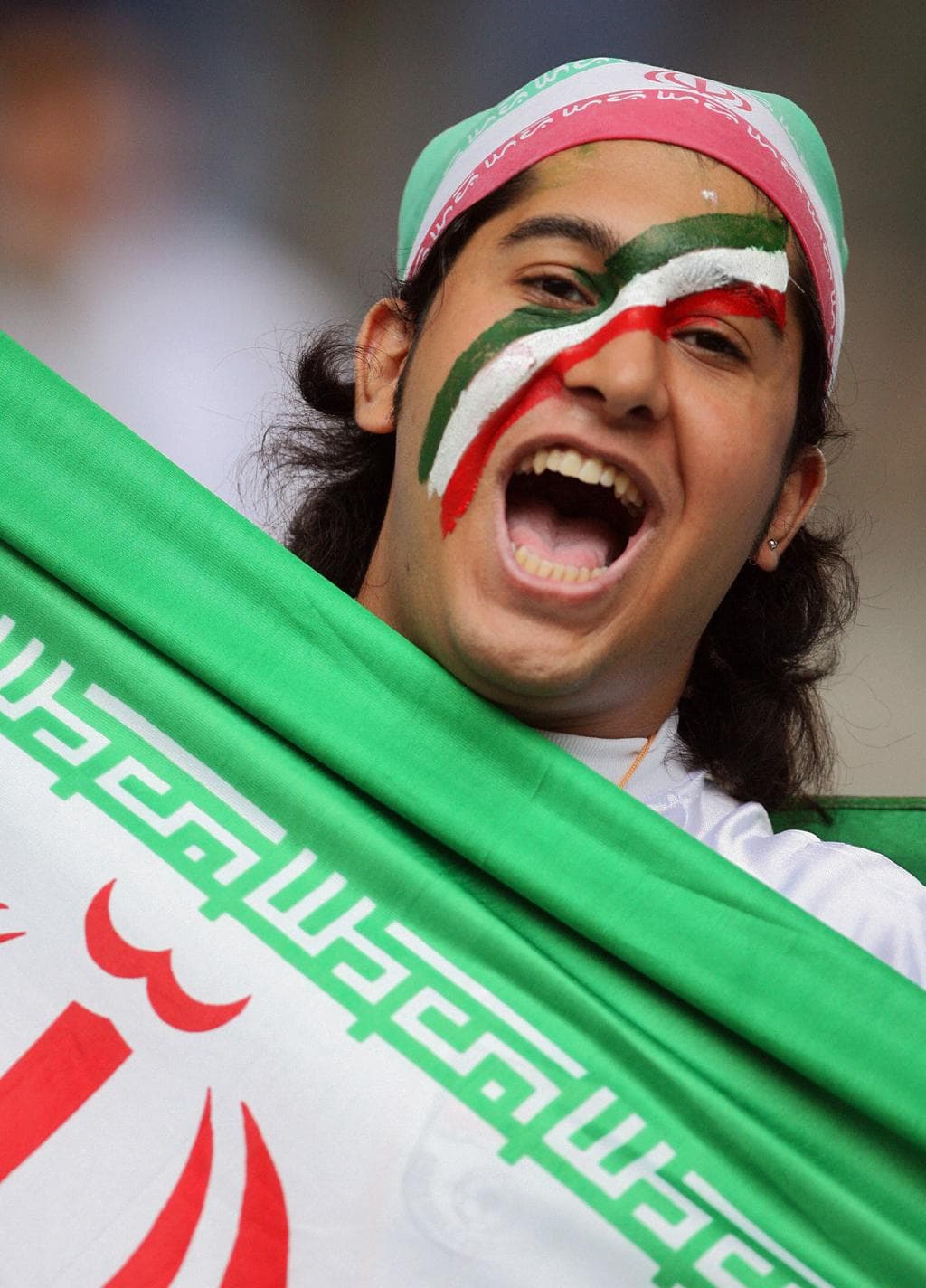
Iranian Fans Are Experiencing Mixed Emotions
Inside Iran, the World Cup creates conflicting emotions.
Football remains enormously popular nationally.
The team's qualification generated huge celebrations and patriotic support across the country. :contentReference[oaicite:10]{index=10}
But the surrounding political climate makes celebration emotionally complicated for many supporters.
Some fans view the World Cup as:
- national pride,
- unity,
- and temporary emotional escape.
Others worry the tournament itself may become politicised internationally in ways that place additional pressure on Iranian players and supporters.
This tension reflects the broader emotional atmosphere surrounding Iran today.
The Players Are Carrying More Than Football Pressure
World Cup pressure is already intense under normal conditions.
Players must normally manage:
- expectation,
- media scrutiny,
- tactical preparation,
- and national pressure.
Iran's squad is now also navigating:
- war-related anxiety,
- diplomatic uncertainty,
- immigration concerns,
- and global political attention.
Few national teams in modern World Cup history have entered a tournament carrying this level of geopolitical weight simultaneously.
Why This Story Matters Beyond Football
The deeper significance of Iran's situation is that it reflects how impossible it is becoming to separate sport from global politics completely.
The World Cup has always functioned as more than football.
It is also:
- diplomacy,
- nationalism,
- identity,
- soft power,
- and international symbolism.
When geopolitical crises intensify, major sporting events inevitably absorb those tensions too.
Iran's World Cup journey therefore represents a larger global reality where:
- borders,
- war,
- migration,
- sport,
- and politics
are increasingly interconnected.
What Happens Next
The coming weeks will likely determine:
- whether all Iranian players receive visas,
- whether FIFA faces further political pressure,
- whether security concerns escalate,
- and whether Iran can prepare properly before the tournament begins.
The squad is expected to move to Tucson, Arizona in early June before opening its World Cup campaign against New Zealand in Los Angeles on June 15. :contentReference[oaicite:11]{index=11}
Final Analysis
Iran's trip to Turkey should have been ordinary football preparation.
Instead, it has become one of the clearest symbols of how deeply global politics now surrounds modern sport.
The team is trying to prepare for the world's biggest football tournament while carrying the emotional weight of:
- war,
- diplomatic hostility,
- visa uncertainty,
- and international scrutiny.
And as the World Cup approaches, one uncomfortable truth is becoming impossible to ignore.
For Iran's players, simply reaching the tournament may already feel like winning one battle before football even begins.
No comments yet. Be the first to spark the conversation.