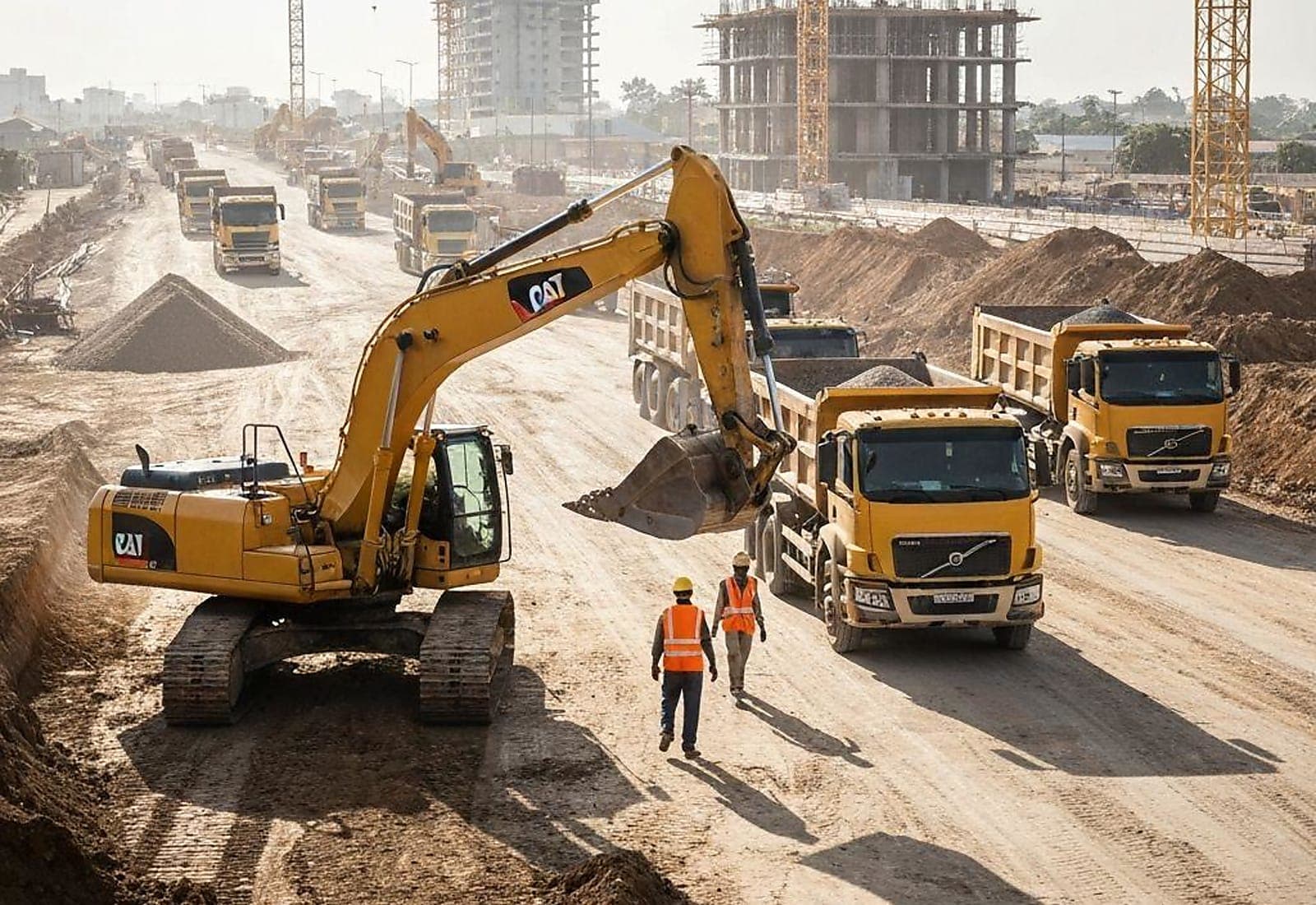
Nigeria's ambitious Lagos-Calabar Coastal Highway project is once again at the centre of national debate following fresh expansion discussions that have raised new questions about project costs, job creation, environmental concerns, and long-term economic impact.
The coastal highway, one of the largest infrastructure projects currently proposed in the country, is expected to connect several states along Nigeria's southern coastline through a massive transportation corridor stretching from Lagos to Calabar.
Supporters describe the project as transformational.
Critics, however, continue questioning:
- transparency,
- financial sustainability,
- environmental implications,
- displacement concerns,
- and whether the project's economic promises will match reality.
As construction and expansion conversations continue, the highway is rapidly becoming more than just a transport project.
It is now evolving into a broader national conversation about development priorities, infrastructure planning, and economic strategy in modern Nigeria.
Why the Lagos-Calabar Highway Matters
The proposed coastal highway is designed to improve connectivity across multiple southern states while supporting trade, tourism, logistics, and economic development along Nigeria's Atlantic corridor.
The project is expected to link major economic zones while potentially reducing travel time between coastal regions significantly.
Supporters argue the highway could:
- improve transportation efficiency,
- encourage investment,
- support regional trade,
- expand tourism opportunities,
- and stimulate new commercial activity.
Infrastructure experts also note that modern road networks often become catalysts for broader economic expansion by improving movement for:
- goods,
- services,
- workers,
- and businesses.
Given Nigeria's longstanding infrastructure deficit, many citizens view major transport investments as necessary for long-term economic growth.
Cost Questions Continue Generating Debate
Despite the optimism surrounding the project, one of the biggest public concerns remains cost.
Large-scale infrastructure projects in Nigeria often attract scrutiny because of:
- financing challenges,
- debt concerns,
- contract transparency,
- and fears of inflated project expenses.
Critics have questioned whether the country can sustain multiple expensive infrastructure programmes simultaneously during a period of:
- high inflation,
- currency pressure,
- debt-service concerns,
- and broader economic hardship.
Some analysts argue that while infrastructure investment is necessary, government spending priorities must remain balanced carefully.
Others believe the long-term economic benefits may eventually justify the scale of investment if the project is executed efficiently.
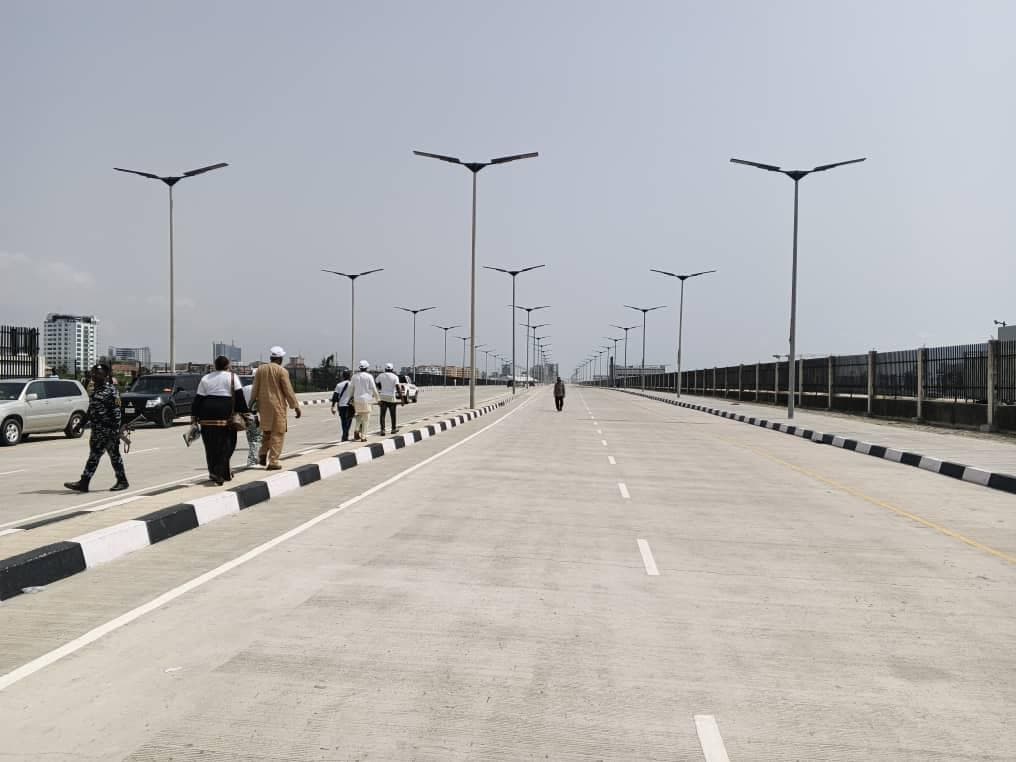
At the centre of the debate is a familiar national question.
Can Nigeria successfully complete mega-projects while maintaining transparency, quality, and financial discipline?
Job Creation Expectations Are Growing
One of the strongest arguments in favour of the highway is its potential employment impact.
Supporters say projects of this scale can create:
- construction jobs,
- logistics opportunities,
- engineering roles,
- transport-sector growth,
- and indirect economic activity across connected communities.
Young Nigerians especially continue facing high unemployment and underemployment rates, making large infrastructure projects politically attractive because of their labour potential.
Businesses operating near projected highway corridors may also benefit from:
- increased movement,
- commercial expansion,
- tourism activity,
- and improved accessibility.
However, critics warn that employment benefits must become measurable and sustainable rather than temporary headline figures.
There are also concerns about whether local contractors and workers will receive meaningful participation opportunities.
Environmental and Community Concerns Remain Serious
Environmental concerns have become another major part of the national discussion.
Large coastal infrastructure projects often raise questions involving:
- ecosystem disruption,
- erosion risks,
- flooding impact,
- marine environments,
- and displacement of communities.
Some environmental observers have warned that construction activities along sensitive coastal areas could create long-term ecological consequences if not managed carefully.
Communities near parts of the proposed route have also raised concerns about:
- property displacement,
- compensation,
- relocation,
- and land acquisition processes.
These concerns have intensified public calls for:
- environmental transparency,
- community consultation,
- and clearer impact assessments.
Many Nigerians support infrastructure development but increasingly expect stronger accountability regarding how projects affect local communities.
Why Infrastructure Has Become Politically Important
Infrastructure projects have become politically significant in Nigeria because they are often viewed as visible evidence of governance performance.
Roads, bridges, rail systems, and airports represent physical symbols of national development in ways citizens can directly experience daily.
The Lagos-Calabar Coastal Highway therefore carries enormous political symbolism beyond transportation alone.
If successful, supporters believe the project could become one of the defining infrastructure achievements of the current administration.
If problems involving cost overruns, delays, or controversy dominate the process, however, the political consequences could become equally significant.
That reality explains why public attention surrounding the project remains intense.
Economic Potential Versus Economic Pressure
Economists remain divided on the project's long-term economic implications.
Supporters argue the highway could unlock major commercial value by improving:
- regional trade,
- coastal tourism,
- logistics networks,
- industrial development,
- and interstate mobility.
Better transport systems generally reduce operational costs and improve economic efficiency over time.
However, critics argue that large projects also create financial pressure if:
- funding structures become unsustainable,
- maintenance planning is weak,
- or execution quality falls below expectations.
Nigeria's history with incomplete or poorly maintained infrastructure projects continues influencing public skepticism.
Many citizens therefore want reassurance that the coastal highway will become a functioning long-term asset rather than another ambitious but problematic national project.
Nigerians Want Transparency
One of the clearest themes emerging around the debate is public demand for transparency.
Citizens increasingly want:
- clear cost explanations,
- visible progress,
- accountability,
- environmental clarity,
- and open communication.
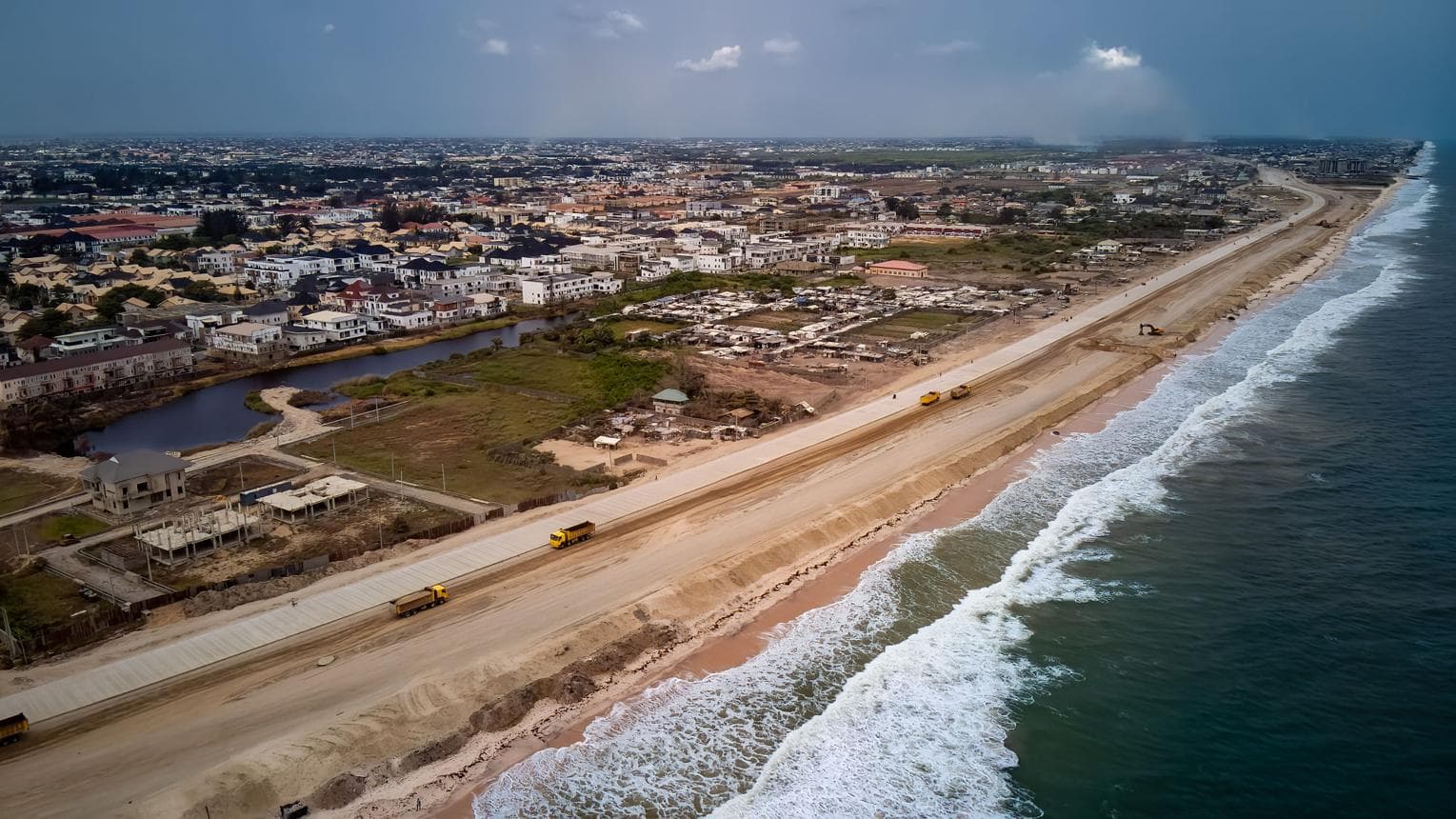
Social media has also intensified scrutiny around major government projects, making it harder for infrastructure programmes to avoid public questioning.
The days when large national projects operated without sustained public attention are fading rapidly.
Now, citizens, journalists, analysts, and civil society groups monitor:
- contracts,
- timelines,
- environmental impact,
- and implementation quality much more aggressively.
What Happens Next
The next phase of the Lagos-Calabar Coastal Highway project will likely involve:
- continued construction activity,
- funding discussions,
- environmental assessments,
- community engagement,
- and further political debate.
Observers will also closely watch:
- project timelines,
- compensation processes,
- transparency measures,
- and economic outcomes.
Final Analysis
The Lagos-Calabar Coastal Highway represents both the promise and complexity of modern infrastructure development in Nigeria.
On one hand, the country urgently needs improved transportation networks capable of supporting economic growth and regional connectivity.
On the other, large infrastructure projects naturally attract difficult questions involving:
- cost,
- governance,
- sustainability,
- and public accountability.
Ultimately, Nigerians may support ambitious national projects.
But many now expect something more than grand announcements alone.
They want visible progress, transparency, and infrastructure that genuinely improves daily economic life long after construction headlines disappear.
No comments yet. Be the first to spark the conversation.