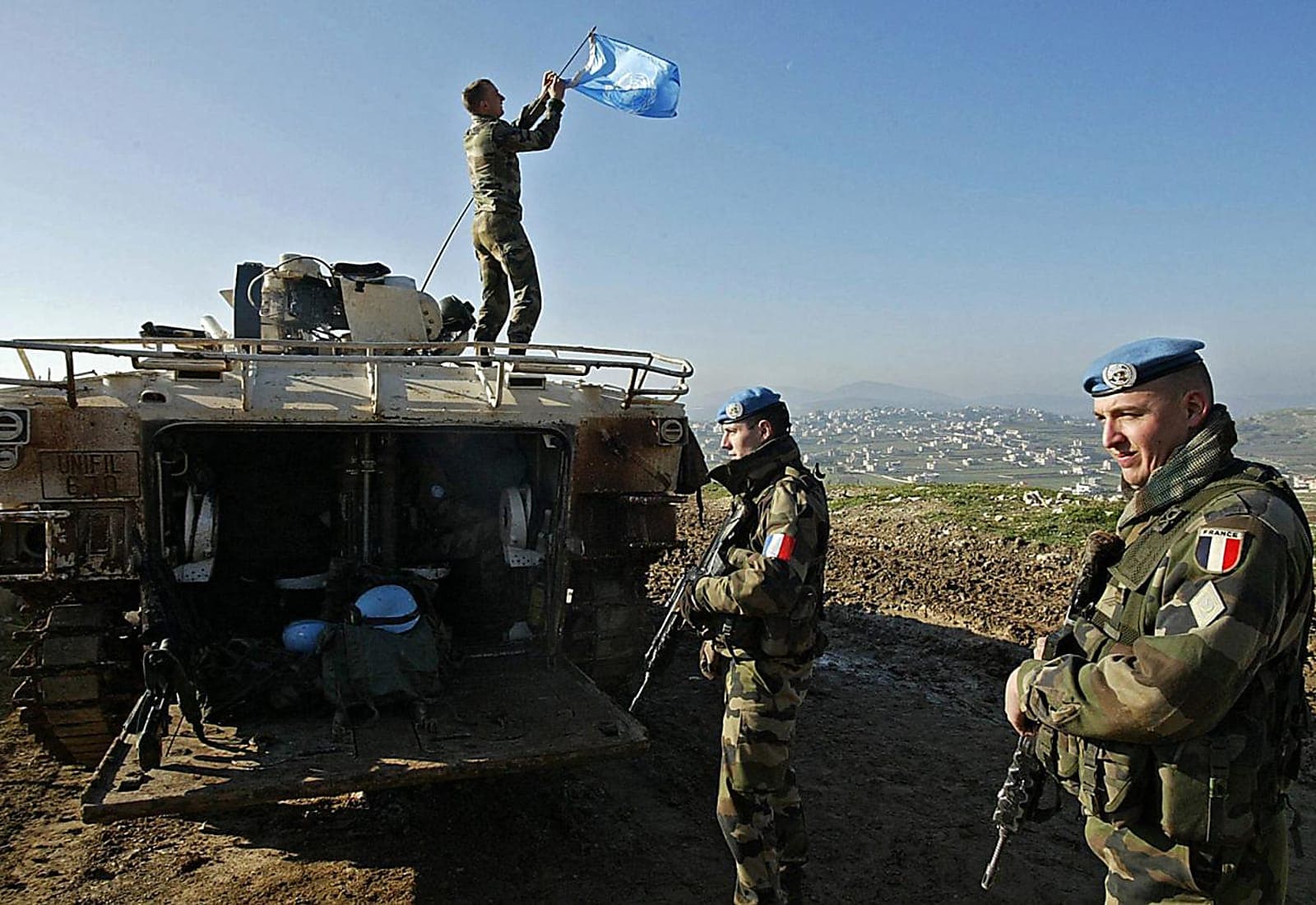
Reports of ceasefire talks involving Lebanon and Israel matter because the region does not need a formal declaration of war to enter a dangerous phase. When cross-border fire, displacement, military pressure and regional rivalries all intensify at the same time, even limited negotiations become significant. They suggest that key actors understand the costs of escalation, but they also underline how fragile the situation remains. In conflicts like this, the existence of talks is not proof of peace. It is evidence that the alternative may be too dangerous to ignore.
Why this story matters
This story matters because the border tension between Israel and Lebanon has implications far beyond the communities directly affected by shelling, airstrikes or evacuations. It touches regional security, humanitarian risk, oil-market sentiment, global diplomacy and the broader question of whether the Middle East can avoid another cycle of widening conflict.
For readers outside the region, the easiest mistake is to see this as a narrow border issue. It is not. Tension involving Lebanon and Israel often sits inside a wider chain of regional calculations involving armed groups, state pressure, outside powers and already fragile political environments. That is why even reports of talks, especially if described as direct or unusually open, attract immediate international attention.
For Nigerian readers, the importance is practical as well as geopolitical. Instability in the Middle East can influence oil prices, shipping confidence, investor sentiment and the global cost pressures that eventually reach households and businesses far beyond the conflict zone.
This report should be read alongside official diplomatic updates and verified source reporting where available.
Context and background
Lebanon and Israel do not operate like neighbouring states with ordinary diplomatic channels. Their relationship has long been shaped by hostility, military confrontation, contested borders and the shadow of broader regional power struggles. That means any movement toward ceasefire language is politically sensitive from the start.
The situation is also complicated by the fact that border tension is rarely just about two capitals exchanging messages. Armed actors, security calculations, domestic politics and regional alliances all play a role. When conflict pressure rises near the Israel-Lebanon frontier, the consequences quickly extend beyond the line on the map. Civilians face fear and disruption. Governments face pressure to appear strong. Mediators face a narrowing space in which de-escalation is still possible.
That is why these talks matter even before any agreement exists. They show that the costs of continued pressure are becoming harder to dismiss.
What happened
The core claim is that Lebanon and Israel are reportedly engaged in ceasefire negotiations, with emphasis on the unusual significance of direct engagement or more open diplomatic movement than normally seen. Even without treating every early report as settled fact, the broader meaning is clear: there is concern that unmanaged escalation could become much harder to contain.
In stories like this, the exact format of the talks matters less than the reason they are happening. Ceasefire discussions usually gain urgency when cross-border exchanges have raised the political, military and humanitarian price of inaction. The message behind the talks is that the situation has become serious enough for de-escalation to be worth exploring even in a deeply hostile environment.
That does not mean a breakthrough is guaranteed. Conflicts shaped by mistrust, security fears and competing regional interests can move from talks to collapse very quickly. Still, negotiations are important precisely because the absence of them can leave events to battlefield logic alone.
Why it matters now
It matters now because the region is already operating under accumulated strain. When one flashpoint intensifies in the Middle East, other tensions rarely disappear in the background. They interact. That is why diplomats and analysts worry so much about miscalculation. A local exchange can become a larger confrontation if political leaders, armed groups or allied powers decide they cannot step back without appearing weak.
The humanitarian stakes are also immediate. Border communities often pay first and fastest. Families face evacuation, lost income, school disruption, damaged property and the psychological burden of living close to military confrontation. Even when the wider world focuses on strategy and diplomacy, ordinary civilians live the uncertainty in practical ways.
There is also a market dimension. Energy traders and investors watch regional instability closely because they know conflict risk in the Middle East can quickly affect sentiment around oil supply, shipping routes and broader economic confidence. Even when the direct physical impact on supply is limited, the fear of escalation can move prices and reshape expectations.
Deeper analysis
The current weak version of this article treated the story as if the mere existence of talks was the main event. The deeper issue is more serious. Ceasefire talks matter most when they reveal how dangerous the alternative has become.
One reason this story deserves careful treatment is that the phrase "direct negotiations" can create false confidence if readers assume diplomacy is now smooth or stable. In reality, conflict diplomacy is often messy, indirect in parts, dependent on mediators and vulnerable to sudden reversals. A headline about talks should therefore be read as a sign of urgency, not as proof that the hardest issues have been solved.
Another reason this story matters is the role of regional power networks. Border conflict involving Lebanon and Israel cannot be analysed in isolation from wider strategic rivalries. That does not mean every development automatically becomes a regional war, but it does mean local decisions can carry wider consequences. That is why global powers, neighbouring states and international organisations often become deeply interested in even small shifts on the ground.
For Nigeria and other economies outside the immediate conflict zone, the lesson is that geopolitical instability travels through markets. Oil-producing countries may see short-term revenue implications when energy prices react, but that does not mean instability is economically good news. Higher volatility can unsettle investment, raise transport costs and create broader uncertainty that affects planning. In other words, the same event can lift one metric and worsen the wider climate for economic confidence.
The other essential point is moral rather than strategic. Conflict reporting becomes shallow when it treats ceasefire negotiations only as a contest between states and armed actors. The most important outcome of de-escalation is often civilian breathing space. Fewer people displaced, fewer homes damaged, fewer families living under threat and fewer opportunities for a local confrontation to become a broader humanitarian crisis.
What happens next
The next stage will likely depend on whether negotiators can turn immediate de-escalation needs into a more durable arrangement. Readers should watch for three things. First, whether violence on the ground actually slows. Second, whether mediators continue signalling that talks are active rather than stalled. Third, whether political rhetoric from the key actors becomes more restrained or more confrontational.
If hostile exchanges continue or intensify, the talks may prove too weak to hold. If the security situation calms even modestly, that may indicate at least a temporary space for diplomacy. In conflicts of this kind, even limited de-escalation can be meaningful because it prevents a bad situation from becoming a catastrophic one.
Readers should also be careful with overconfident timelines. Negotiations tied to border security and wider regional pressure can move slowly, break down abruptly or survive in partial forms that never feel like peace in the ordinary sense. The most realistic approach is to treat each development as part of a tense and uncertain process rather than a clean diplomatic victory.
Final takeaway
Lebanon-Israel ceasefire talks matter because they show how near the region can come to a wider and more damaging confrontation. The significance of the negotiations is not that peace has arrived. It is that key actors appear to recognise how costly the alternative could be.
That is the most responsible way to read this story. The talks may help reduce immediate danger, protect civilians and calm market fears, but they do not erase the deeper tensions that made them necessary. For now, the clearest conclusion is cautious and sober: diplomacy is moving because the risks of further escalation are too high to ignore.
No comments yet. Be the first to spark the conversation.