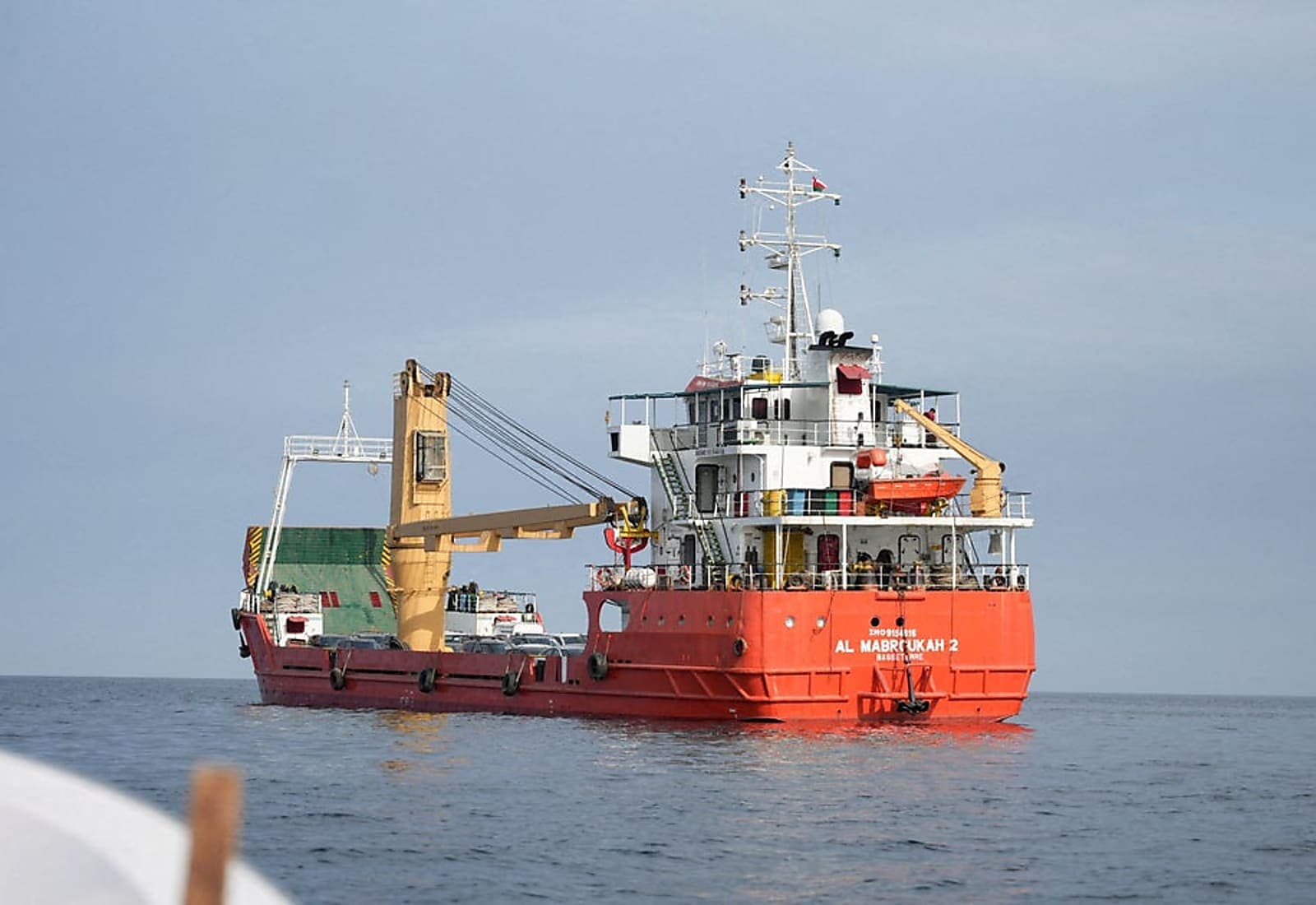
The most important thing about the latest U.S.-Iran developments is not that one side is applying pressure while the other side considers its next move. That much is expected in a crisis. What makes this moment more serious is that military pressure, economic disruption and talk of further negotiations are all unfolding at once. According to CBS News live updates and official statements carried in that coverage, U.S. Central Command said a blockade of Iranian ports had been fully implemented, while President Donald Trump also suggested a second round of talks with Iran could be close. That combination is exactly what makes the situation hard to read. It creates the possibility of de-escalation and the risk of miscalculation at the same time.
Why this story matters
This story matters because the Gulf is not an ordinary theatre of tension. It sits close to strategic shipping routes, global energy flows and regional alliances that can shift quickly under pressure. Any claim that port access has been effectively halted is bigger than a battlefield update. It immediately raises questions about trade, oil, deterrence and whether the conflict is moving toward a negotiated pause or a wider economic confrontation.
It also matters because mixed signalling from major powers tends to make crises more volatile. If one side speaks through military action while also floating diplomacy, allies, markets and rival governments are left trying to decide which message is the real one. That uncertainty alone can move prices, alter shipping decisions and harden political positions.
For readers in Nigeria and elsewhere, the relevance is not abstract. Oil-producing states, import-dependent economies and inflation-sensitive households all feel global shocks when conflict risk rises around key maritime corridors. Even where the immediate fighting is far away, the economic and diplomatic after-effects can travel quickly.
Context and background
The CBS live coverage presents a situation in which the conflict is being managed through overlapping channels rather than one clear path. Pakistan's prime minister, Shehbaz Sharif, is reported to be travelling to Saudi Arabia, Qatar and Turkey in an effort to help secure a new round of U.S.-Iran talks after previous negotiations in Islamabad ended without a formal agreement. That diplomatic activity matters because it suggests outside actors still believe room for mediation exists.
At the same time, official U.S. messaging has emphasised pressure. CBS reports that U.S. Central Command described the blockade as fully implemented and quoted Adm. Brad Cooper saying the United States had halted economic trade going into and out of Iran by sea within a short period of time. The same coverage says a U.S. destroyer interdicted two oil tankers and that additional ships not connected to Iranian ports continued to transit safely through the Strait of Hormuz.
This is the broader pattern that readers need to understand. The crisis is not simply military or simply diplomatic. It is being shaped by armed signalling, economic disruption, third-party mediation and public statements designed to influence both adversaries and domestic audiences.
What happened
Based on the CBS updates, several key developments landed at once. First, CENTCOM said a blockade of Iranian ports had been fully implemented and presented that as a major economic pressure point. Second, President Trump told interviewers that the war looked very close to over and suggested a second round of talks with Iran could happen soon, possibly again in Islamabad. Third, Pakistan announced a diplomatic effort involving regional capitals in an attempt to create conditions for fresh negotiations before a fragile ceasefire expires.
These developments matter because each one points in a different direction. The blockade language suggests intensification. The talk of imminent negotiations suggests an opening. The regional shuttle diplomacy suggests other governments are trying to stop the confrontation from locking into a more dangerous phase.
This is exactly why live-update reporting on crises like this can feel confusing. Events do not always move in one direction. Pressure and diplomacy are often used together, sometimes deliberately. The challenge for readers is to avoid forcing a simple conclusion too early. A stronger military move does not automatically mean talks are dead, and talk of negotiations does not necessarily mean the risk has passed.
Why it matters now
It matters now because timing is crucial in crisis management. When a blockade is framed as economically decisive and negotiations are framed as potentially imminent, both sides are trying to shape leverage before the next conversation even begins. One side wants to demonstrate pressure. The other side, and the mediators around it, want to show that there is still something to negotiate before escalation becomes harder to reverse.
It also matters because market participants and partner governments respond not only to confirmed actions but to perceived direction. If the crisis looks close to settlement, energy and shipping expectations can stabilise. If the crisis looks like it is entering a prolonged coercive phase, commercial caution grows and diplomatic alignments harden.
For Nigeria, this matters through both economic psychology and material exposure. Oil price swings may appear beneficial at first glance for a producing country, but volatility can complicate planning, investment and domestic price expectations. Governments, businesses and households all tend to prefer stability to geopolitical price spikes that are difficult to predict.
Deeper analysis
The most useful way to read this story is as a struggle over leverage rather than as a clean move toward peace or war. The blockade claim is designed to demonstrate reach and control. It tells Iran, regional observers and domestic U.S. audiences that Washington can impose costs quickly. But leverage only matters if it changes the terms of negotiation or compels restraint. Otherwise it can simply raise the stakes without resolving the dispute.
The diplomatic activity matters for the same reason. Pakistan's effort to reopen talks is not a side note. It is part of the contest over whether the next stage of the crisis will be shaped by coercion alone or by a mediated off-ramp. In conflicts like this, regional intermediaries often become important precisely because direct trust is weak and public messaging is increasingly performative.
Another key point is the distinction between shipping pressure and total closure. CBS reported that more than 20 ships not from Iranian ports transited safely through the Strait of Hormuz in the same general period. That detail is important because it suggests the message from the United States is not that all maritime movement has collapsed, but that Iranian trade access is being specifically targeted. Even so, selective pressure can still create wider nervousness. Insurance costs, routing calculations and trader sentiment do not wait for perfect clarity.
There is also a political communication layer. Trump's public remarks that the war is close to over may serve several purposes at once: signalling confidence, preparing domestic audiences for a diplomatic turn, or simply keeping narrative control while military pressure remains high. Readers should therefore treat optimistic framing carefully. In live conflicts, official rhetoric is rarely neutral.
What happens next
The next thing to watch is whether talk of new negotiations produces an actual meeting with a credible agenda. If that happens soon, the blockade may be remembered as part of a pressure strategy leading into talks. If it does not happen, then the blockade language may begin to look less like leverage and more like the opening stage of a longer coercive campaign.
Readers should also watch for three practical indicators. The first is how Iran responds publicly and operationally. The second is whether regional intermediaries begin speaking with more confidence about ceasefire terms or de-escalation steps. The third is whether energy and shipping markets start behaving as if the disruption will last.
For Nigerian readers, the practical point is to follow not only the military headlines but also the commercial ones. Changes in energy expectations, trade confidence and broader market nerves often matter as much as battlefield language when a strategic region is under pressure.
Final takeaway
The current U.S.-Iran moment is unstable because pressure and diplomacy are moving together rather than separately. That does not make peace impossible, but it does make interpretation harder and mistakes more dangerous.
The clearest lesson from the latest CBS reporting is that readers should resist easy conclusions. A blockade can be real and negotiations can still be possible. The real question is whether the pressure creates a path to settlement or simply pushes the crisis into a more uncertain and costly phase.
No comments yet. Be the first to spark the conversation.