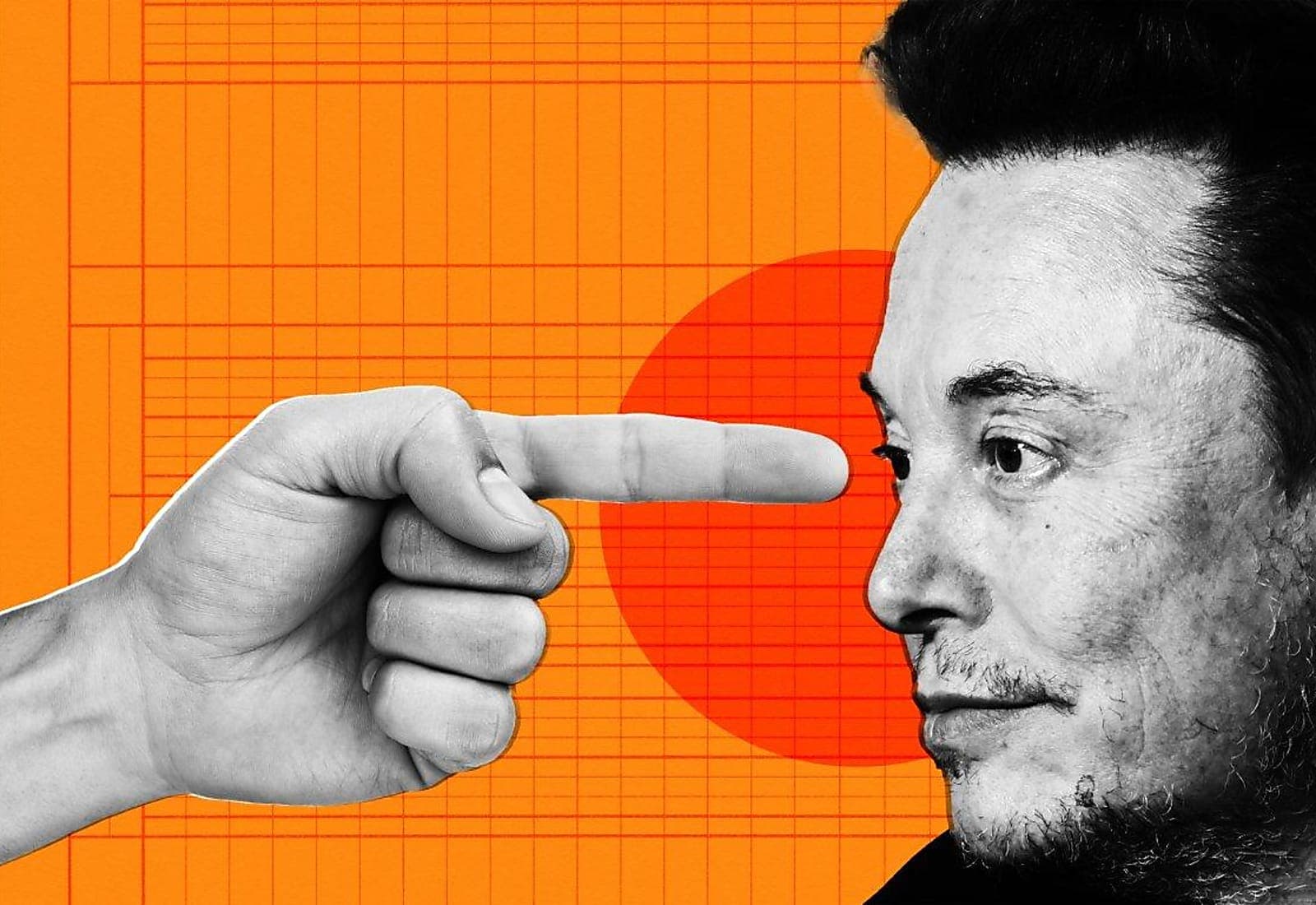
The courtroom battle between Elon Musk and OpenAI was never just a personal dispute between powerful technology figures.
It was a fight about the future direction of artificial intelligence itself.
Now, following a major legal defeat for Musk and a significant victory for OpenAI, the implications are spreading far beyond Silicon Valley.
Because underneath the legal arguments lies a much deeper global question:
Who should control artificial intelligence?
The verdict is already triggering intense debate involving:
- corporate power,
- AI safety,
- open-source technology,
- profit motives,
- global regulation,
- and the future of human society itself.
For supporters of OpenAI, the decision represents validation of the company's current direction and business structure.
For critics, especially many aligned with Musk's arguments, the ruling raises uncomfortable concerns about how concentrated and commercially driven advanced AI development is becoming.
Why Musk and OpenAI Fell Apart
The conflict carries unusual emotional and symbolic weight because Elon Musk was originally one of OpenAI's co-founders.
In its early years, OpenAI positioned itself as an organisation focused heavily on:
- AI safety,
- open research,
- and ensuring artificial intelligence benefited humanity broadly rather than serving narrow corporate interests.
Over time, however, the company evolved significantly.
As AI development became more expensive and commercially competitive, OpenAI moved toward:
- large-scale investment,
- commercial partnerships,
- enterprise products,
- and massive infrastructure expansion.
Musk increasingly criticised that transformation publicly.
He argued the organisation had drifted away from its original mission and become too closely tied to corporate and profit-driven interests.
The legal battle therefore represented far more than ordinary business disagreement.
It reflected a philosophical war over what AI should become.
Why OpenAI's Victory Matters So Much
The legal victory strengthens OpenAI's position during one of the most important technological races in modern history.
Artificial intelligence is now viewed globally as critical to:
- economic dominance,
- military capability,
- scientific advancement,
- productivity,
- and geopolitical influence.
Companies leading advanced AI development increasingly hold extraordinary power.
OpenAI's success in court may therefore reinforce confidence among:
- investors,
- partners,
- governments,
- and enterprise clients
that the company's current structure and direction remain stable.
In technology markets, stability matters enormously.
Especially in industries moving as quickly as AI.
Musk's Bigger Concern Was Never Just Legal
Although the lawsuit focused on specific disputes, Musk's broader concerns about AI remain influential globally.
For years, he repeatedly warned about:
- uncontrolled AI development,
- concentration of power,
- insufficient regulation,
- and the existential risks of superintelligent systems.
Some experts dismiss parts of Musk's rhetoric as exaggerated.
Others believe his warnings deserve serious attention.
Regardless, the case forced public discussion around a major reality:
Artificial intelligence is becoming too powerful to remain only a normal business competition.
OpenAI Represents the New AI Era
OpenAI's rise symbolises the new structure of modern AI development.
Building advanced models now requires:
- enormous computing power,
- billions of dollars,
- specialised chips,
- elite researchers,
- and global infrastructure.
This makes AI increasingly difficult for smaller organisations to compete with independently.
Critics worry this reality could eventually centralise AI power inside a small number of:
- corporations,
- governments,
- and technology alliances.
Supporters argue large-scale investment is necessary to develop safe and useful systems responsibly.
The verdict indirectly strengthens the idea that large corporate-backed AI systems may dominate the future industry landscape.
Why This Matters Beyond Silicon Valley
The implications extend far beyond American tech companies.
Artificial intelligence already influences:
- education,
- healthcare,
- warfare,
- finance,
- media,
- employment,
- entertainment,
- and government systems globally.
Who controls the most advanced AI systems could shape:
- economic opportunity,
- political influence,
- information systems,
- and social power worldwide.
That is why governments increasingly treat AI development as strategic national infrastructure rather than ordinary software innovation.
The Open vs Closed AI Debate Is Intensifying
One of the biggest philosophical issues behind the conflict involves openness.
Early AI research culture often encouraged:
- collaboration,
- openness,
- shared scientific progress,
- and accessible research publication.
But as competition intensified, companies became far more secretive.
Advanced AI models now represent:
- massive commercial value,
- competitive advantage,
- and strategic infrastructure.
Critics argue excessive secrecy could reduce accountability and increase concentration of power.
Supporters counter that unrestricted open access to highly advanced AI systems could become dangerous.
This debate is likely to define AI politics for years.
Microsoft's Shadow Looms Large
Another reason the case matters is Microsoft's enormous relationship with OpenAI.
The partnership gave OpenAI:
- infrastructure,
- computing power,
- funding,
- and enterprise integration at extraordinary scale.
Critics, including some aligned with Musk's position, argue this relationship transformed OpenAI into something much closer to a traditional corporate power structure.
Supporters argue the partnership simply provided the resources necessary to compete effectively in an extremely expensive technological race.
Either way, the verdict strengthens the current AI alliance system already dominating the industry.
Why Ordinary People Should Care
Many people still view AI debates as distant technology-industry conflict.
But the consequences increasingly affect ordinary life directly.
Artificial intelligence is already changing:
- jobs,
- education,
- online information,
- creative industries,
- software,
- customer service,
- and workplace productivity.
The companies controlling the most advanced systems may eventually shape how billions of people:
- work,
- communicate,
- learn,
- and access information daily.
That makes governance and accountability deeply important.
Nigeria and Africa Are Watching Too
The AI power struggle also matters for Africa.
Countries across the continent increasingly rely on digital platforms and AI systems created elsewhere.
If advanced AI becomes controlled primarily by a handful of Western corporations, many developing countries may become dependent consumers rather than active creators inside the new AI economy.
At the same time, AI also offers opportunities involving:
- education,
- healthcare access,
- agriculture,
- entrepreneurship,
- and digital productivity.
The challenge for Africa will be participating meaningfully in the AI future rather than remaining technologically marginal.
What Happens Next
The legal verdict may not end the broader conflict entirely.
Debates around:
- AI safety,
- regulation,
- corporate concentration,
- transparency,
- and superintelligence
are only becoming more intense globally.
Governments, corporations, researchers, and citizens are all increasingly involved now.
Final Analysis
Musk's defeat and OpenAI's victory represent more than a courtroom outcome.
The case symbolises the transition of artificial intelligence from experimental technology into one of the most powerful industries on Earth.
The deeper issue is no longer whether AI will shape the future.
It already is.
The real question now is who will control that future, how much power they will hold, and whether society can build systems strong enough to guide technologies becoming more powerful every year.
No comments yet. Be the first to spark the conversation.