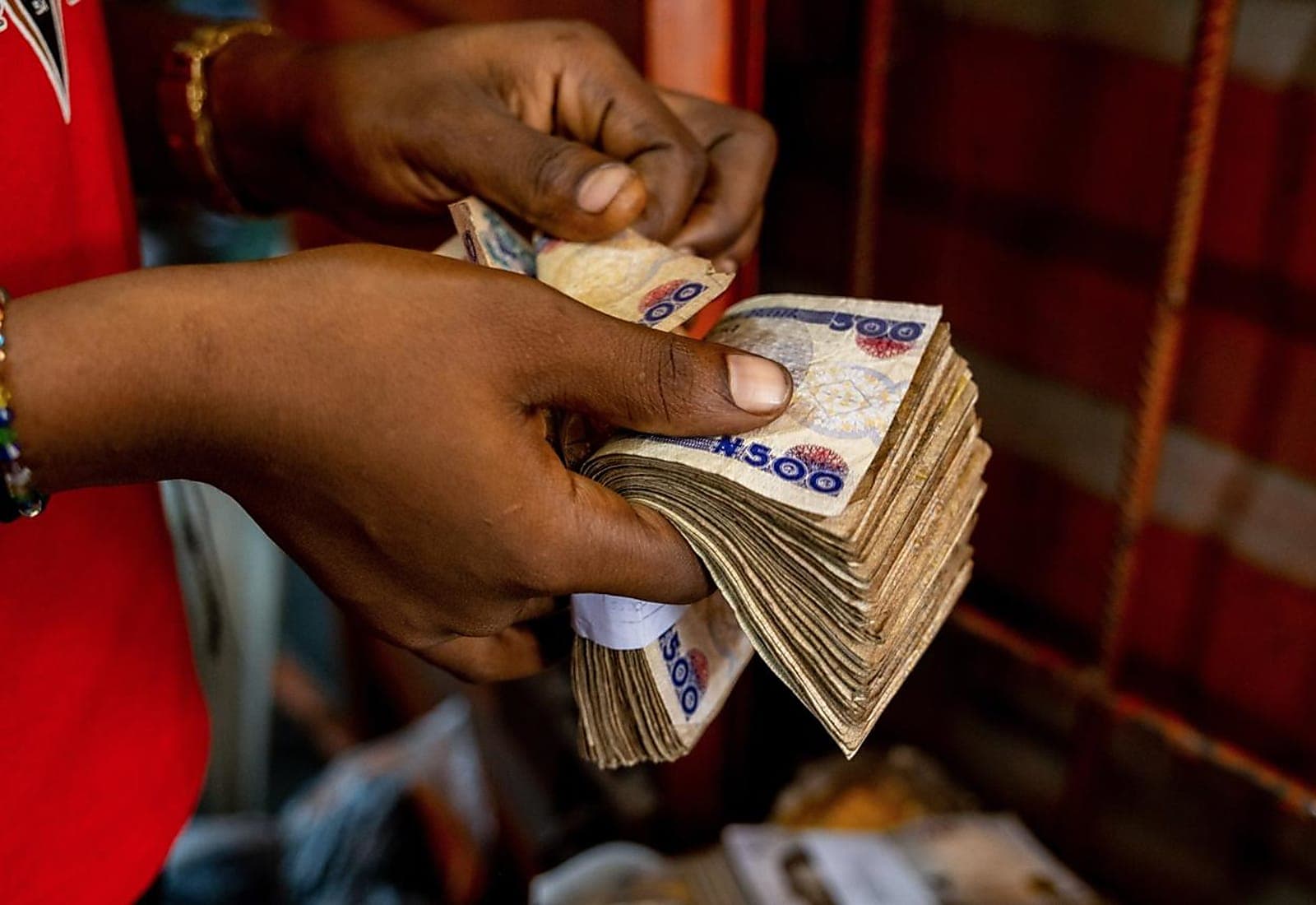
The naira has strengthened again, and that immediately changes the tone of economic conversation in Nigeria. When the local currency gains ground after a long period of pressure, headlines often move quickly from panic to optimism. But exchange-rate improvement on its own does not settle the bigger question Nigerians care about most: is this the start of something durable, or just another brief moment of relief in a difficult cycle?
Why this story matters
This story matters because the naira is not just a market indicator for traders and economists. It shapes daily life. When the currency weakens sharply, imported goods become more expensive, raw-material costs rise, business planning becomes harder, and households feel the impact through food, transport, school fees and energy-related expenses. When the currency strengthens, even slightly, people naturally want to know whether that could eventually ease some of the pressure.
The reported rise in foreign reserves adds another layer. Reserves are often treated as a confidence signal. They suggest how much room authorities may have to support stability, meet external obligations and respond when markets become disorderly. That does not guarantee a strong naira forever, but it can influence how investors, importers and businesses think about risk.
For ordinary readers, the useful question is not whether a stronger naira sounds good. Of course it does. The useful question is what kind of improvement this really is, what may be driving it, and what signs would show whether it can last.
Context and background
Nigeria's exchange-rate story has been shaped by repeated tension between demand for dollars and confidence in the supply of dollars. That tension affects almost every part of the economy. Businesses that rely on imported inputs need predictability. Investors want policy clarity. Households want inflation to slow. The government and central bank want a market that looks more orderly and credible than chaotic.
Over time, the naira has often become a symbol of wider policy credibility. A stronger currency can signal improved sentiment, better liquidity or greater faith in official direction. A weaker currency can signal scarcity, uncertainty or expectations that future pressure is still building. That is why naira headlines attract so much emotion. People know they are reading more than a number. They are reading a signal about whether the economy feels more manageable or less.
Foreign reserves matter in this background because they are one of the country's key buffers. They help reassure markets that Nigeria has some capacity to handle external obligations, respond to volatility and sustain confidence during periods of pressure. When reserves rise, the market tends to ask whether that improvement reflects stronger inflows, better oil earnings, tighter management, improved confidence or some mix of those factors.
What happened
The core development is straightforward: the naira has posted another round of gains, and reserve sentiment has improved enough to attract market attention. Even when the move is modest, such gains matter because they interrupt the assumption that the local currency can only move in one direction.
Still, readers should be careful with simple narratives. A stronger naira on one set of trading days does not automatically mean every underlying problem has been fixed. Exchange rates can react to reserve flows, policy interventions, market psychology, improved supply conditions or temporary adjustments in demand. Sometimes those forces are durable. Sometimes they are not.
That is why the reserve story is important. If rising reserves are part of the explanation, the next question becomes whether that strength is broad-based and sustainable enough to keep supporting confidence over time. Markets tend to reward consistency, not isolated flashes of improvement.
This report should be read alongside official Central Bank of Nigeria updates and verified reserve data where available.
Why it matters now
It matters now because Nigeria is still dealing with high living costs, fragile business confidence and a public that has learned to distrust good economic news if it does not translate into everyday relief. People have heard positive macroeconomic language before. What they want to know is whether prices will stop rising so quickly, whether business costs will become easier to plan around, and whether the fear around sudden exchange-rate swings will begin to ease.
For importers and manufacturers, even a period of moderate stability can be useful. It allows pricing decisions to be made with more confidence. It makes it easier to estimate costs. It reduces the speed at which exchange-rate volatility is passed through into consumer prices. Those are not small things in an economy where uncertainty itself is expensive.
For households, the effect is usually slower. A firmer currency does not instantly reverse high prices that were built during earlier periods of weakness. Shops do not suddenly slash costs because the market improved for a short period. But over time, sustained stability can help slow the pace of new increases. That is why the public should watch duration as much as direction. One week of strength is good news. A longer stretch of calmer conditions is more meaningful.
Deeper analysis
The deeper issue is that exchange-rate strength only becomes truly valuable when it connects to credibility. Nigeria does not just need a stronger naira on paper. It needs a currency environment that businesses believe, investors trust and households can plan around.
That is where foreign reserves become psychologically powerful. They are not simply an accounting figure. They influence how people think about national resilience. Higher reserves can suggest that authorities have more room to manage shocks and defend confidence. That can shape market behaviour even before any direct intervention happens. Confidence, in financial markets, often moves before the full impact of policy is visible.
At the same time, reserves alone cannot carry the whole burden. If broader structural issues remain unresolved, markets eventually notice. Sustainable currency stability usually depends on more than one positive data point. It depends on export performance, policy coherence, credible communication, external inflows and a realistic sense of how much pressure the market can absorb without returning to volatility.
That is why it is risky to over-celebrate too early. Nigeria has experienced cycles in which optimism returned briefly and then faded when underlying strains resurfaced. Readers should therefore resist both extremes: the idea that every gain proves the economy has turned the corner, and the idea that no improvement matters until every problem disappears. A more serious reading is that progress counts, but only if it is reinforced.
There is also a social reality that cannot be ignored. Many Nigerians judge economic health through daily transactions, not reserve charts. If transport remains expensive, food remains high and businesses still price defensively, then macroeconomic improvement will feel distant. Policymakers and analysts should not dismiss that perception. It is a legitimate test of whether stability is becoming real enough to matter.
What happens next
The next phase depends on whether the recent gains can be defended by consistent fundamentals rather than momentary relief. Readers should watch a few practical indicators.
One is whether the naira holds its ground over time instead of giving back those gains quickly. Another is whether reserve strength remains visible rather than flattening out after the initial optimism. A third is whether inflation begins to respond more meaningfully in the months ahead, because that is where exchange-rate improvement becomes tangible for the public.
Business behaviour will also be important. If manufacturers, importers and retailers begin to plan with slightly more confidence, that suggests the market sees a chance of stability rather than a temporary bounce. If businesses remain extremely defensive, it may mean the trust problem has not yet been solved.
Finally, communication matters. Clear official data, consistent policy messaging and transparent signals from monetary authorities can support stability by reducing guesswork. Markets do not only react to numbers. They react to whether the numbers feel believable.
Final takeaway
The naira's latest gains and the improvement in reserve sentiment are worth taking seriously, but not lazily. They are encouraging because they suggest that confidence may be improving and that the currency is not trapped in a one-way decline. Yet the real test is not whether the naira can post a few better sessions. The real test is whether Nigeria can turn those gains into steadier prices, more confident business planning and a broader sense that the economy is becoming easier to navigate.
That is the standard that matters. If the recent strengthening is sustained, it could help reduce some of the fear that has shaped economic behaviour across the country. If it fades quickly, it will become another reminder that headline recovery is not the same as durable stability. For now, the smartest reading is cautious progress: better than further deterioration, but not yet a final answer.
Hmmm.. I’m a bit reserved on the optimism.. fingers crossed