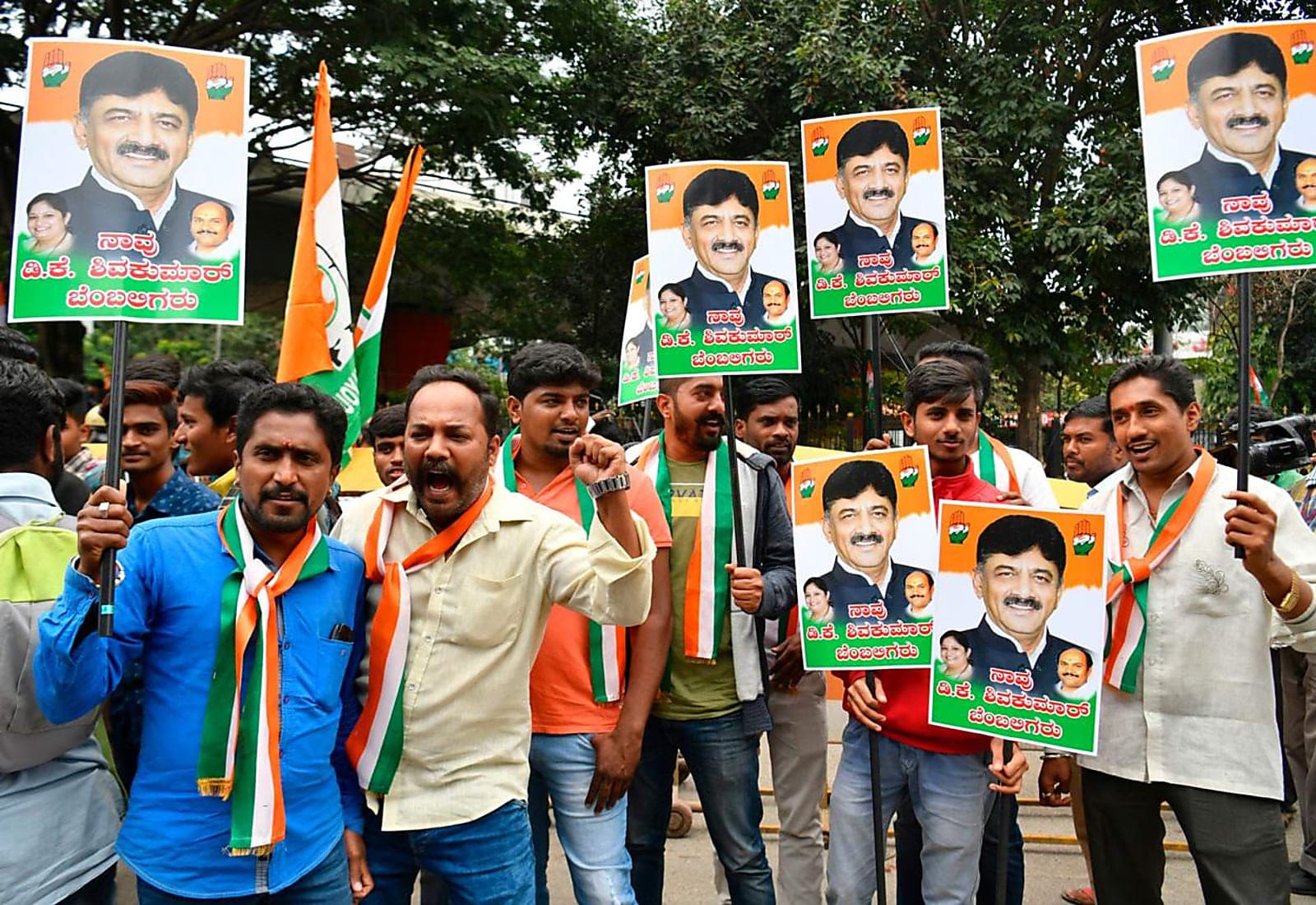
India's already explosive NEET paper leak controversy is entering another volatile phase as Karnataka Youth Congress prepares to organise a major "Raj Bhavan Chalo" protest over the growing examination scandal.
What initially began as allegations surrounding examination integrity has now evolved into a nationwide political and emotional crisis involving:
- student frustration,
- public trust,
- political blame,
- examination reform,
- and fears about corruption inside one of India's most important academic systems.
For millions of students and families across India, the issue feels deeply personal.
Because NEET is not simply another examination.
It is one of the country's most competitive and life-defining academic gateways.
And when trust in that system begins collapsing, the emotional consequences become enormous.
Why NEET Matters So Much in India
The National Eligibility cum Entrance Test, commonly known as NEET, determines admission into medical and dental programmes across India.
Every year, millions of students spend:
- months,
- years,
- and sometimes entire childhoods
preparing intensely for the examination.
Families often invest:
- savings,
- private tutoring,
- relocation,
- and emotional energy
into helping children succeed.
For many middle-class and lower-income households, medical admission represents:
- financial hope,
- social mobility,
- family pride,
- and long-term economic security.
That emotional pressure explains why paper leak allegations immediately triggered nationwide outrage.
Why the Paper Leak Allegations Became So Explosive
The controversy escalated after accusations emerged suggesting parts of the NEET examination process may have been compromised through:
- leaked question papers,
- organised cheating networks,
- and irregular examination practices.
Opposition politicians and student groups argue the scandal threatens the credibility of India's education system itself.
The fear is not only about one examination.
It is about whether hardworking students can still trust merit-based competition fairly.
In highly competitive societies, trust in examination systems becomes emotionally sacred.
Once that trust weakens, public anger rises rapidly.
Why Karnataka Youth Congress Is Protesting
The planned "Raj Bhavan Chalo" protest reflects how strongly political opposition groups are attempting to channel public frustration around the issue.
The phrase "Raj Bhavan Chalo" essentially means a march toward the Governor's residence, symbolising direct political pressure and public accountability demands.
Karnataka Youth Congress leaders reportedly argue the controversy reflects:
- institutional failure,
- weak oversight,
- and injustice toward students who prepared honestly.
The organisation is demanding:
- transparent investigation,
- accountability,
- stronger examination security,
- and protection of student interests.
The protest also reflects growing efforts by opposition parties to frame the issue as a national governance failure rather than an isolated examination problem.
Students Are Carrying Enormous Emotional Pressure
Perhaps the most heartbreaking aspect of the controversy is the psychological effect on students themselves.
Competitive examinations in India already involve extreme emotional pressure involving:
- anxiety,
- depression,
- burnout,
- and fear of failure.
Many students prepare for NEET under highly stressful conditions for years.
Now, allegations of paper leaks and unfair advantage are making some candidates feel their sacrifices may have been meaningless.
For hardworking students, the emotional reaction is often not simply anger.
It is betrayal.
India's Examination Culture Is Intensely Competitive
The NEET controversy also exposes the enormous pressure surrounding education in India generally.
Entrance examinations often determine:
- career direction,
- financial opportunity,
- social status,
- and family expectations.
As competition intensifies, private coaching industries, exam pressure, and academic stress have become major national concerns.
Students frequently study under:
- exhausting schedules,
- parental pressure,
- financial strain,
- and fear of disappointing family expectations.
This environment makes any integrity crisis emotionally explosive.
Political Parties Are Turning the Issue Into a National Battle
The paper leak controversy has now moved fully into political territory.
Opposition groups accuse authorities of:
- incompetence,
- weak oversight,
- and failure to protect examination fairness.
Government officials, meanwhile, insist investigations are ongoing and that strict action will be taken against any wrongdoing.
As with many major controversies in modern democracies, the issue is becoming both:
- an educational crisis,
- and a political battlefield simultaneously.
Public trust therefore becomes even harder to restore because every development is interpreted through partisan lenses.
Social Media Is Intensifying Public Anger
Platforms such as:
- X,
- Instagram,
- YouTube,
- and Telegram
have amplified student outrage dramatically.
Students are sharing:
- emotional testimonies,
- study struggles,
- protest videos,
- and accusations online constantly.
This digital visibility transformed the issue from an examination controversy into a nationwide emotional movement.
Social media also increases pressure on authorities because public outrage now spreads nationally within minutes.
Why Examination Integrity Matters So Deeply
Competitive examinations form the backbone of opportunity in many countries.
People tolerate difficult systems partly because they believe merit still matters eventually.
If students begin believing examination systems can be manipulated through:
- corruption,
- money,
- political influence,
- or organised cheating,
public faith in social mobility weakens significantly.
That damage can become generational psychologically.
The Mental Health Conversation Is Growing
Another important dimension is mental health.
India has increasingly faced difficult conversations around:
- student stress,
- examination anxiety,
- academic burnout,
- and youth depression.
The NEET controversy intensifies those concerns because uncertainty itself creates emotional instability.
Students preparing honestly now face:
- confusion,
- distrust,
- emotional exhaustion,
- and fear about fairness.
Experts warn prolonged uncertainty around high-stakes examinations can seriously affect psychological wellbeing among young people.
Why This Story Resonates Beyond India
Although the controversy centres on India, the deeper themes feel globally familiar.
Many countries increasingly struggle with:
- examination fairness,
- institutional trust,
- educational inequality,
- and pressure-driven academic systems.
The crisis therefore reflects a broader global issue involving how societies distribute opportunity and reward merit fairly.
What Happens Next
Attention will now focus on:
- the scale of the investigation,
- whether arrests or disciplinary actions increase,
- how authorities respond to protest pressure,
- and whether students receive reassurance about examination credibility.
The "Raj Bhavan Chalo" protest may also become a symbolic turning point if larger nationwide demonstrations emerge.
Final Analysis
The NEET paper leak controversy is no longer simply about one examination scandal.
It has become a national emotional crisis involving:
- trust,
- fairness,
- youth anxiety,
- political accountability,
- and the future credibility of India's education system.
For millions of students, the issue cuts painfully deep because education represents far more than academic achievement alone.
It represents hope.
And when trust in that hope begins collapsing, public anger becomes impossible to contain quietly.
No comments yet. Be the first to spark the conversation.