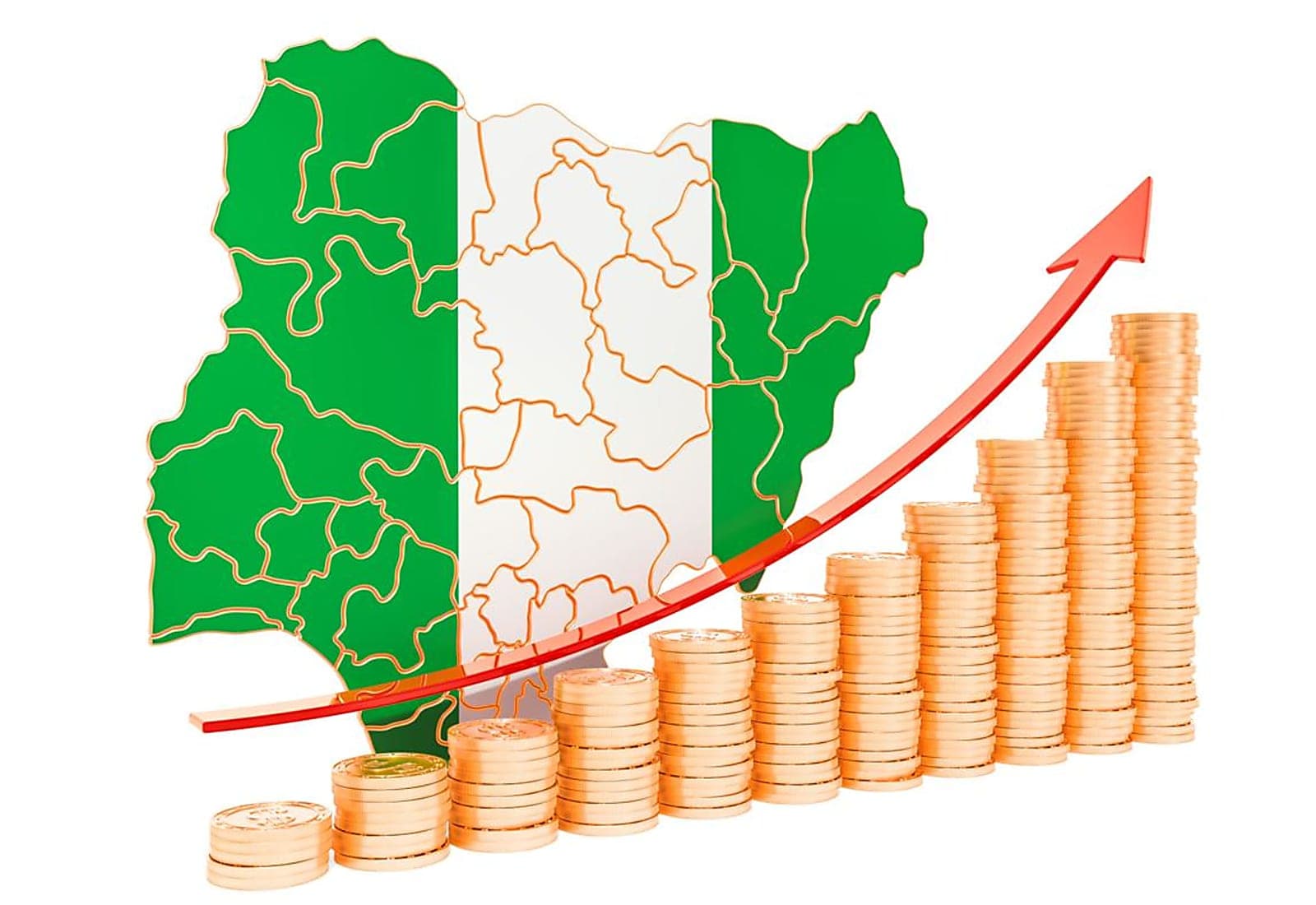
For the first time in 14 years, Nigeria has received a sovereign credit rating upgrade from S&P Global Ratings, one of the world's most influential financial rating agencies.
On paper, the development looks like major economic news.
Government officials welcomed it enthusiastically.
Financial analysts described it as a positive signal.
International investors immediately began paying closer attention to Nigeria again.
But for many ordinary Nigerians struggling with:
- inflation,
- rising food prices,
- unemployment,
- and economic pressure,
the obvious question remains simple.
What exactly does a credit rating upgrade mean for everyday life?
And perhaps more importantly:
Will ordinary people actually feel any difference at all?
What a Sovereign Credit Rating Actually Means
A sovereign credit rating is essentially a financial scorecard assessing how trustworthy a country appears when borrowing money internationally.
Agencies such as:
- S&P Global Ratings,
- Moody's,
- and Fitch Ratings
evaluate factors involving:
- debt management,
- economic stability,
- government revenue,
- foreign reserves,
- political risk,
- and ability to repay loans.
The better a country's rating, the more confidence international investors and lenders usually have in its economy.
Nigeria's upgraded 'B' rating signals that international observers believe the country's economic outlook has improved compared to previous years.
It does not mean Nigeria suddenly became economically stable overnight.
But it suggests global financial confidence may be recovering gradually.
Why This Upgrade Matters So Much
The upgrade matters because Nigeria has spent years battling serious economic pressure involving:
- currency instability,
- debt concerns,
- inflation,
- declining investor confidence,
- and foreign exchange challenges.
International credit agencies previously viewed Nigeria as increasingly risky financially.
That perception made borrowing more expensive and discouraged some foreign investment.
The new rating therefore represents a symbolic shift.
It suggests international markets now see signs of:
- policy improvement,
- stronger reform efforts,
- and better long-term financial management potential.
For the government, the upgrade is also politically important because it supports claims that recent economic reforms are beginning to improve confidence internationally.
What S&P Specifically Praised
S&P reportedly highlighted several factors behind the upgrade, including:
- foreign exchange reforms,
- improving fiscal discipline,
- stronger monetary policy direction,
- and efforts to stabilise Nigeria's economy.
The agency also noted signs that authorities are attempting to reduce distortions inside the foreign exchange market.
These reforms became especially important after the government introduced major economic changes involving:
- fuel subsidy removal,
- exchange-rate adjustment,
- and broader fiscal restructuring.
While those policies created short-term pain for many Nigerians, supporters argue they were necessary to stabilise the economy long-term.
Why Many Nigerians Still Feel Skeptical
Despite the positive international headlines, many Nigerians remain deeply skeptical.
And honestly, the skepticism is understandable.
Ordinary citizens still face:
- rising transportation costs,
- expensive food,
- weak purchasing power,
- unstable electricity,
- and harsh economic conditions daily.
To someone struggling to buy:
- rice,
- fuel,
- school supplies,
- or medication,
a sovereign credit upgrade may sound emotionally distant from real life.
This reveals one of the biggest tensions in economics.
Macroeconomic improvement does not always immediately translate into visible relief for ordinary people.
Sometimes financial indicators improve long before living conditions do.
Why Investors Care About Ratings So Much
International investors monitor sovereign ratings closely because they influence:
- investment decisions,
- loan pricing,
- risk assessment,
- and business confidence.
When a country's rating improves, investors often feel more comfortable:
- buying government bonds,
- funding infrastructure,
- expanding business operations,
- or entering local markets.
Better ratings can eventually help reduce borrowing costs for governments and businesses.
That matters because lower borrowing costs can theoretically support:
- infrastructure projects,
- economic growth,
- employment,
- and investment expansion over time.
But these effects usually happen gradually rather than instantly.
The Naira Problem Still Matters
One major issue still affecting public confidence is the naira.
Even with the rating upgrade, many Nigerians continue feeling frustrated by:
- currency weakness,
- dollar scarcity,
- and rising import costs.
The value of the naira affects nearly everything because Nigeria remains heavily dependent on imported goods involving:
- food,
- fuel,
- medicine,
- technology,
- and industrial materials.
As long as the cost of living remains painfully high, many citizens will struggle to emotionally connect positive economic headlines with personal financial reality.
Why the Government Wants This Narrative
The administration strongly wants international financial institutions and investors to view Nigeria as reform-oriented and economically credible again.
That matters because governments need:
- investment,
- loans,
- business confidence,
- and international financial partnerships
to support economic expansion.
A positive S&P rating helps improve Nigeria's global financial image during a period where many African economies face debt and inflation pressure.
The government therefore views the upgrade as evidence that difficult reforms are beginning to gain international recognition.
Critics Say Ordinary Nigerians Need Faster Relief
Critics of the government argue international approval means little if citizens continue experiencing severe hardship domestically.
They point out that:
- food inflation remains extremely high,
- unemployment pressures continue,
- and purchasing power weakened sharply over recent years.
Many economists therefore argue reforms must now move beyond stabilisation alone toward:
- job creation,
- manufacturing growth,
- local production,
- and stronger social protection systems.
Without visible improvement in everyday life, public frustration may continue despite positive investor sentiment.
Why This Could Still Matter Long-Term
Even though immediate relief may not happen quickly, credit upgrades can still matter significantly long-term.
Countries with stronger investor confidence often attract:
- infrastructure financing,
- foreign companies,
- industrial partnerships,
- and technology investment more easily.
If Nigeria manages reforms carefully and improves:
- electricity,
- security,
- transportation,
- manufacturing,
- and policy consistency,
the rating upgrade could become part of a larger economic recovery process.
But that outcome depends heavily on execution, not headlines alone.
Nigerians Have Heard Optimistic Promises Before
Part of the challenge facing economic communication in Nigeria is trust.
Many citizens have repeatedly heard:
- reform promises,
- recovery predictions,
- and optimistic economic projections
without experiencing corresponding improvement personally.
As a result, public reaction to positive financial news often remains cautious.
People increasingly judge economic success not by ratings agencies, but by:
- food prices,
- fuel costs,
- salaries,
- and everyday survival.
What Happens Next
Attention will now focus on:
- whether inflation slows,
- whether the naira stabilises,
- whether investment increases,
- and whether ordinary Nigerians eventually feel economic improvement.
International investors will also closely monitor:
- political stability,
- reform consistency,
- debt management,
- and foreign exchange policy.
Final Analysis
Nigeria's first sovereign credit upgrade in 14 years is undeniably significant financially.
It signals that international markets are beginning to see stronger economic credibility and reform momentum.
But for ordinary Nigerians, the real test is much simpler.
Can economic improvement eventually translate into:
- lower hardship,
- stronger income,
- better jobs,
- and more stable living conditions?
Because ultimately, economic success is not measured only by ratings agencies.
It is measured by whether citizens themselves begin feeling safer financially in everyday life.
No comments yet. Be the first to spark the conversation.