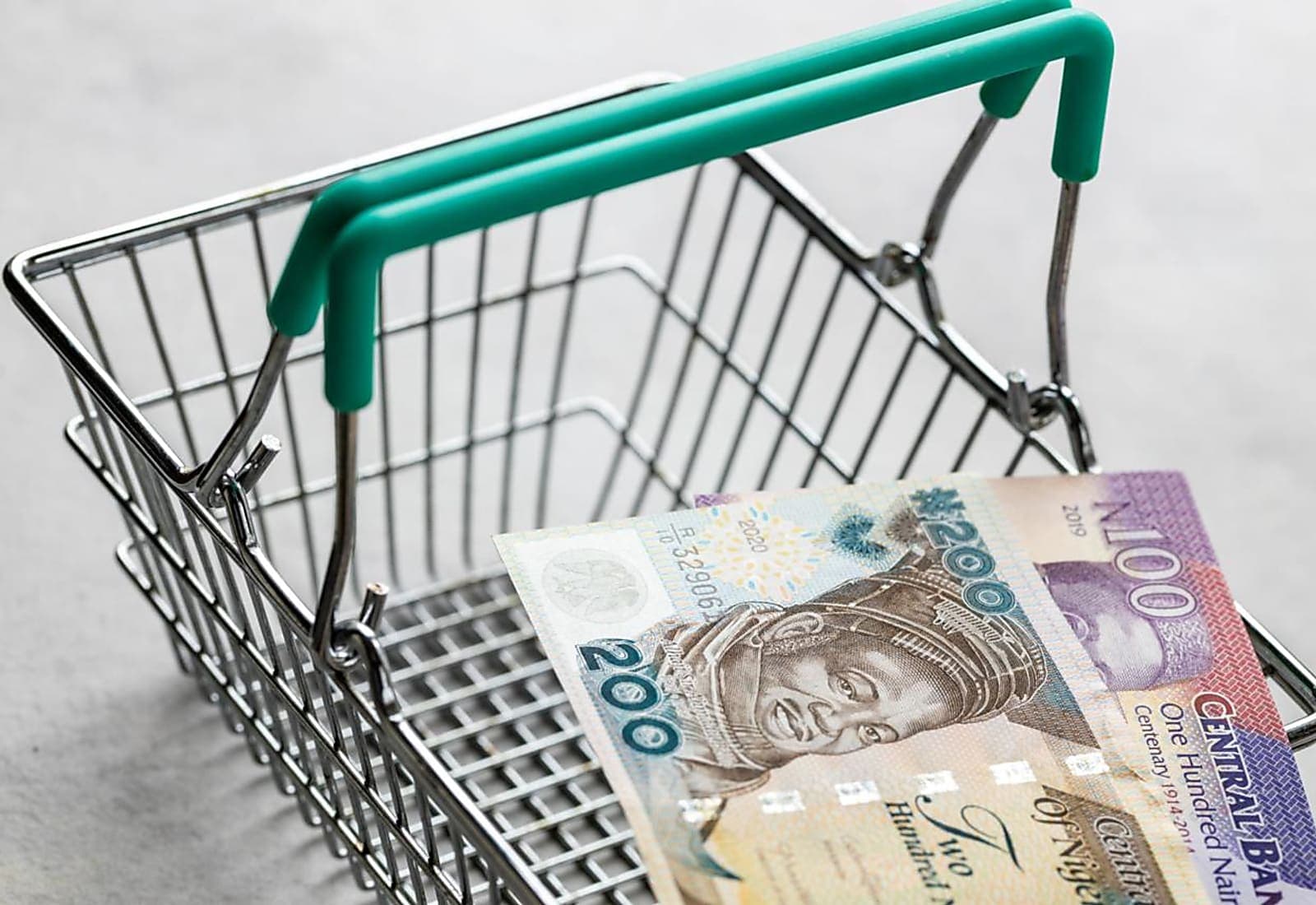
Nigeria's naira recorded mixed performance in midweek trading as the currency traded around ₦1,395 per dollar in the parallel market, highlighting the continuing uncertainty surrounding foreign exchange stability in Africa's largest economy.
While the official market showed signs of relative adjustment, the gap between formal and informal exchange channels continues attracting serious attention from:
- investors,
- businesses,
- importers,
- economists,
- and ordinary Nigerians struggling with rising living costs.
For millions of citizens, exchange-rate headlines are no longer abstract financial news.
The naira now affects nearly every aspect of daily life including:
- food prices,
- transportation,
- rent,
- school fees,
- fuel,
- healthcare,
- and business survival.
And as currency pressure continues shaping Nigeria's economy, many Nigerians are asking the same question repeatedly:
Can the naira stabilise anytime soon?
What Happened in the Market
The naira reportedly traded around ₦1,395 per dollar in the parallel market during midweek activity, while official-market performance remained mixed depending on trading windows and forex supply conditions.
Currency fluctuations continue reflecting:
- foreign-exchange scarcity,
- investor caution,
- import pressure,
- and ongoing economic adjustment policies.
Although the Central Bank of Nigeria continues implementing reforms aimed at improving market transparency and liquidity, pressure remains significant across multiple sectors of the economy.
The difference between official and parallel-market rates also remains psychologically important because many Nigerians still rely heavily on the informal forex market for:
- travel,
- tuition payments,
- imports,
- and international transactions.
Why Nigerians Watch the Dollar Constantly
Few economic indicators affect Nigerians emotionally as much as the dollar exchange rate.
This is because Nigeria depends heavily on imports involving:
- fuel,
- machinery,
- electronics,
- pharmaceuticals,
- food products,
- industrial materials,
- and consumer goods.
When the naira weakens, import costs rise.
Businesses then transfer those costs to consumers through:
- higher prices,
- reduced supply,
- or operational cuts.
This means even citizens who never buy dollars directly still feel exchange-rate pressure daily through inflation.
Why the Parallel Market Matters So Much
Although governments usually prefer citizens focus on official exchange rates, the parallel market remains extremely influential in Nigeria.
Many individuals and businesses turn to informal forex markets because:
- official supply may be limited,
- access can be difficult,
- or demand exceeds available allocation.
As a result, the parallel-market rate often shapes real-world pricing behaviour faster than official financial announcements.
For traders and importers especially, the black-market exchange rate frequently becomes the practical benchmark influencing:
- product pricing,
- inventory costs,
- transportation,
- and business planning.
Inflation and the Naira Are Closely Connected
One major reason currency instability worries Nigerians is inflation.
A weaker naira generally increases the cost of imported goods, which contributes to:
- rising food prices,
- transportation costs,
- electricity expenses,
- and business operating pressure.
Nigeria already faces severe inflation challenges affecting households nationwide.
Many families continue struggling with:
- food affordability,
- school expenses,
- fuel costs,
- and declining purchasing power.
When the naira weakens further, inflation fears often intensify immediately.
Businesses Are Under Pressure Too
Currency instability creates enormous difficulty for businesses trying to plan long term.
Companies dealing with imports often face uncertainty involving:
- pricing,
- supplier costs,
- profit margins,
- and inventory management.
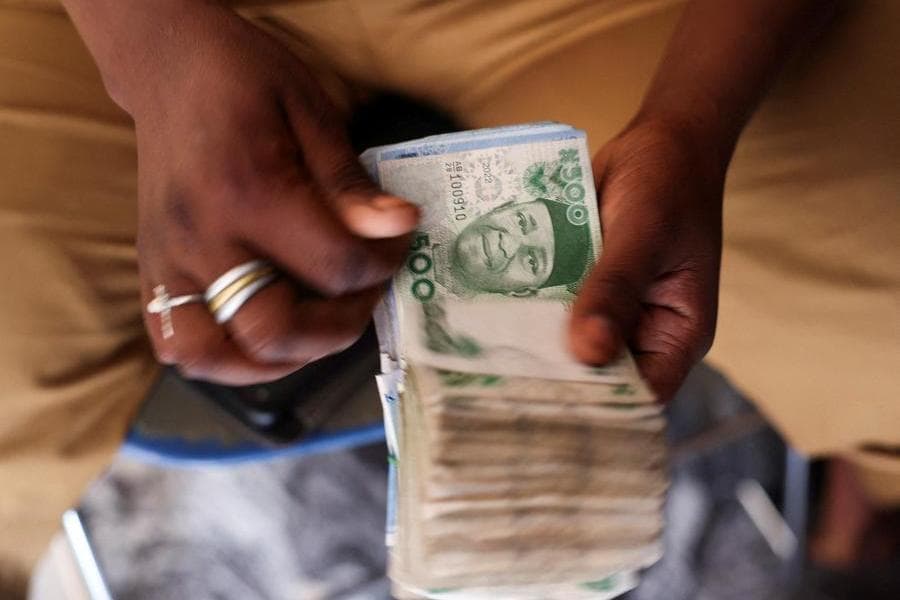
Manufacturers especially suffer because many industrial inputs still depend heavily on foreign exchange.
When exchange rates fluctuate unpredictably:
- budgeting becomes difficult,
- investment slows,
- and expansion plans often become delayed.
Small businesses usually suffer most because they possess fewer financial buffers against volatility.
Why the Central Bank Faces a Difficult Balancing Act
Nigeria's monetary authorities are under intense pressure to:
- stabilise the naira,
- control inflation,
- attract foreign investment,
- and improve market confidence simultaneously.
Those goals can sometimes conflict.
Policies designed to defend the currency may:
- reduce liquidity,
- increase borrowing costs,
- or slow economic activity.
Meanwhile, reforms aimed at attracting foreign capital may initially create short-term volatility before longer-term stability emerges.
This balancing act explains why currency management remains politically sensitive.
Foreign Investors Are Watching Closely
Exchange-rate stability strongly influences how international investors view Nigeria.
Foreign investors usually monitor:
- forex liquidity,
- policy consistency,
- inflation trends,
- debt levels,
- and Central Bank credibility carefully.
Unstable currency conditions can discourage investment because businesses fear:
- profit uncertainty,
- conversion losses,
- and operational risk.
At the same time, Nigeria remains one of Africa's largest markets, meaning global investors continue paying close attention despite volatility.
Why Public Confidence Matters
Currency markets are driven partly by psychology.
If citizens and investors lose confidence in a currency's future stability, pressure often increases further because people rush toward:
- dollars,
- foreign assets,
- or inflation-protected investments.
Public trust therefore becomes economically important.
Governments often try to reassure markets through:
- policy announcements,
- reserve management,
- and monetary interventions.
But long-term currency stability usually depends on broader economic fundamentals involving:
- production,
- exports,
- investment,
- and fiscal discipline.
Oil Still Shapes Nigeria's Currency Reality
Nigeria's dependence on oil remains central to the naira conversation.
Oil exports generate most of the country's foreign exchange earnings.
When:
- oil production weakens,
- global prices fluctuate,
- or export revenue falls,
forex pressure inside Nigeria often intensifies.
Many economists argue Nigeria's long-term currency stability depends heavily on diversifying beyond oil into:
- manufacturing,
- agriculture,
- technology,
- exports,
- and industrial development.
Without broader export strength, currency vulnerability may continue recurring.
Nigerians Are Economically Exhausted
Part of the emotional reaction surrounding exchange rates comes from wider economic fatigue.
Many Nigerians already feel financially overwhelmed by:
- inflation,
- unemployment,
- transportation costs,
- insecurity,
- and declining purchasing power.
In that environment, every major currency movement feels personal.
The dollar rate is no longer just financial information.
For many citizens, it has become a daily survival indicator.
What Happens Next
Attention will now focus on:
- Central Bank policy direction,
- forex liquidity levels,
- inflation data,
- oil revenue performance,
- and broader economic reforms.
Analysts will also monitor whether the gap between official and parallel-market rates narrows or widens further over coming weeks.
Final Analysis
Nigeria's mixed naira trading and ₦1,395 parallel-market rate reflect deeper economic uncertainty rather than one isolated trading session.
The currency remains caught between:
- reform efforts,
- inflation pressure,
- investor caution,
- and public anxiety about living costs.
And until Nigerians begin feeling genuine economic relief in:
- food prices,
- transportation,
- wages,
- and purchasing power,
exchange-rate headlines will likely continue carrying enormous emotional and political significance nationwide.
No comments yet. Be the first to spark the conversation.