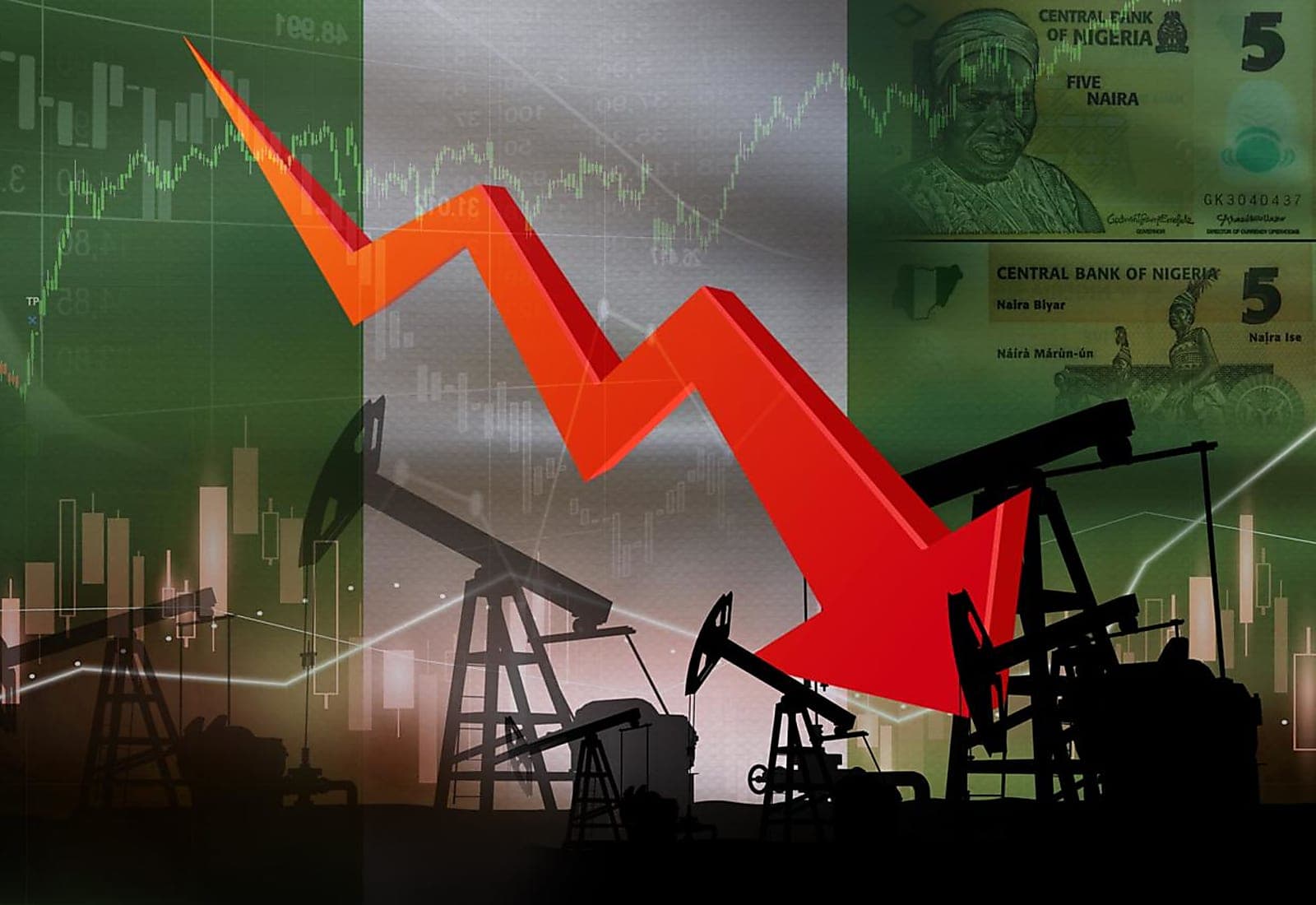
Nigeria's oil exploration and drilling activities suffered a major setback in April after the Organisation of the Petroleum Exporting Countries, OPEC, reported a sharp 41.7% decline in the country's active rig count. :contentReference[oaicite:0]{index=0}
According to OPEC's latest Monthly Oil Market Report, Nigeria's active rig count dropped from 17 rigs in March to just 12 in April 2026. :contentReference[oaicite:1]{index=1}
For many Nigerians, that may sound like technical industry news.
But inside the oil business, rig count is one of the most important indicators of:
- exploration activity,
- investor confidence,
- drilling momentum,
- future production capacity,
- and long-term oil-sector growth.
And in a country where oil still heavily shapes:
- government revenue,
- foreign exchange,
- budget funding,
- and economic stability,
a decline this sharp immediately raises difficult economic questions.
Because fewer drilling rigs today could eventually mean weaker oil production tomorrow.
What the OPEC Report Actually Revealed
The May 2026 OPEC report showed Nigeria's upstream oil activity weakened significantly during April. :contentReference[oaicite:2]{index=2}
The country lost five active rigs within one month alone, representing a 41.7% drop compared to March levels. :contentReference[oaicite:3]{index=3}
OPEC linked the decline to:
- reduced upstream operations,
- investment constraints,
- operational bottlenecks,
- and slowing field-development activity. :contentReference[oaicite:4]{index=4}
Even more worrying for analysts is that the report suggests this may not be temporary.
OPEC data also showed Nigeria's average rig count dropped from 15 in 2024 to 13 in 2025, suggesting a longer-term slowdown in exploration momentum already underway. :contentReference[oaicite:5]{index=5}
Why Rig Count Matters So Much
In the petroleum industry, active rigs represent future production potential.
When companies invest in:
- drilling,
- exploration,
- field expansion,
- and new oil development,
rig activity usually increases.
When investment weakens, rig numbers often fall.
That is why analysts monitor rig count closely.
A falling rig count may signal:
- weaker investor confidence,
- declining exploration spending,
- operational difficulties,
- or uncertainty about profitability.
And because oil projects require long-term planning, reduced drilling activity today can affect national production years later.
Nigeria's Economy Still Depends Heavily on Oil
Despite years of diversification discussions, Nigeria's economy remains deeply tied to crude oil.
Oil exports still generate much of the country's:
- foreign exchange,
- government revenue,
- and fiscal stability.
This means upstream weakness can eventually affect:
- the naira,
- public spending,
- infrastructure projects,
- investor confidence,
- and economic growth broadly.
At a time when Nigeria already faces:
- inflation,
- forex pressure,
- debt concerns,
- and rising living costs,
weaker oil-sector momentum creates additional anxiety.
Nigeria Is Already Struggling With OPEC Targets
Another major concern is that Nigeria has repeatedly struggled to consistently meet its OPEC production quota. :contentReference[oaicite:6]{index=6}
Data from previous OPEC reports showed Nigeria missed its crude-production target across multiple months due to:
- oil theft,
- pipeline vandalism,
- infrastructure damage,
- operational shutdowns,
- and investment challenges. :contentReference[oaicite:7]{index=7}
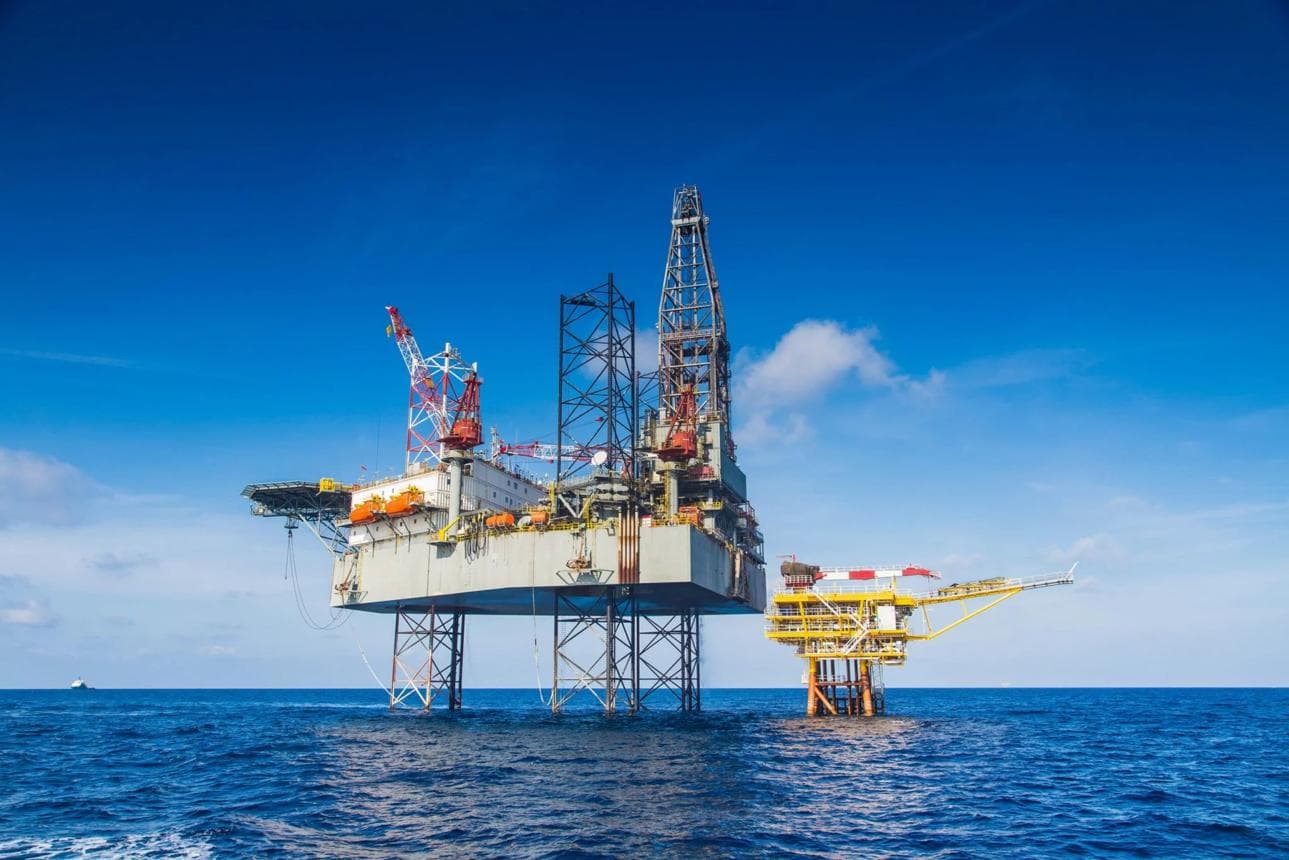
Industry analysts now fear prolonged weakness in drilling activity could make future production recovery even harder.
Because maintaining oil output requires continuous:
- exploration,
- maintenance,
- and field development investment.
Security Challenges Still Hurt the Industry
One major issue affecting Nigeria's upstream oil sector remains insecurity.
The industry continues facing pressure from:
- crude theft,
- pipeline sabotage,
- illegal refining,
- militant activity,
- and operational disruptions.
Oil theft especially became extremely costly for Nigeria over recent years.
Some international energy firms reportedly reduced investment enthusiasm partly because of:
- security risk,
- operational uncertainty,
- and infrastructure vulnerability.
Without stronger protection of oil assets, attracting aggressive upstream investment may remain difficult.
Investors Are Becoming More Careful Globally
Nigeria's challenges also come during a period where global energy investment itself is changing.
International oil companies increasingly balance:
- fossil-fuel investment,
- renewable-energy pressure,
- climate policy,
- and shareholder expectations simultaneously.
Many energy firms now invest more cautiously in expensive long-term oil projects globally.
That creates tougher competition for countries seeking upstream capital.
And unfortunately for Nigeria, competing oil producers are increasingly attracting stronger investor confidence.
Africa's Oil Competition Is Intensifying
One striking detail from the OPEC report is that Africa's overall rig count actually increased from 42 to 48 during the same period Nigeria declined. :contentReference[oaicite:8]{index=8}
That means other African producers are expanding drilling activity while Nigeria weakens.
This creates strategic concern.
Countries such as:
- Angola,
- Libya,
- Namibia,
- and emerging African energy markets
are increasingly competing aggressively for:
- investment,
- drilling contracts,
- and exploration partnerships.
Nigeria risks losing long-term energy influence if upstream momentum continues slowing.
The Government Says Reforms Are Working
The Federal Government continues defending reforms under the Petroleum Industry Act, PIA, arguing the law was designed to:
- improve transparency,
- attract investment,
- modernise regulation,
- and strengthen the oil sector long term.
Officials also continue pushing for:
- higher crude production,
- reserve growth,
- and stronger foreign-investment inflows.
However, the latest OPEC figures suggest investors may still remain cautious despite those reforms. :contentReference[oaicite:9]{index=9}
There Is Also Conflicting Data
Interestingly, Nigeria's own regulator, the Nigerian Upstream Petroleum Regulatory Commission, reportedly presented higher rig figures than OPEC. :contentReference[oaicite:10]{index=10}
The NUPRC recently claimed Nigeria's active rig count stood closer to 31, arguing exploration activity remains ongoing across several fields. :contentReference[oaicite:11]{index=11}
This discrepancy highlights ongoing debate over:
- measurement methods,
- reporting standards,
- and the actual pace of upstream activity nationwide.
Still, OPEC data remains extremely influential internationally because global investors closely monitor its reports.
Why Nigerians Should Care
Many Nigerians understandably feel disconnected from oil-sector statistics.
But oil still shapes:
- exchange rates,
- government budgets,
- inflation,
- infrastructure funding,
- and public spending nationwide.
If oil revenue weakens:
- forex pressure may increase,
- public borrowing may rise,
- and economic stress could worsen further.
This is why upstream drilling activity matters beyond the petroleum industry itself.
What Happens Next
Attention will now focus on:
- whether rig activity rebounds in coming months,
- whether fresh investment enters the sector,
- security improvements in oil-producing regions,
- and whether Nigeria can stabilise crude production sustainably.
Analysts will also monitor how global oil prices and investor sentiment evolve through the rest of 2026.
Final Analysis
Nigeria's 41.7% drilling decline is more than an industry statistic.
It reflects deeper uncertainty involving:
- investment confidence,
- energy security,
- economic stability,
- and the future strength of Africa's largest oil producer.
And in a country where oil still heavily finances national survival, any sustained slowdown in exploration activity carries consequences far beyond the oil fields themselves.
No comments yet. Be the first to spark the conversation.