Why this story matters
The 2025/26 Serie A title won by AS Roma Women is more than a trophy for a single club - it is a tangible proof that Nigerian talent can shape outcomes at the very top of European women's football. For readers, the headline carries practical relevance: it demonstrates a viable pathway for African players seeking professional contracts abroad, and it underscores the commercial and cultural value of investing in women's sport. When Nigerian internationals lift a league that commands global viewership, sponsors, broadcasters and grassroots programmes take notice. The narrative also challenges lingering stereotypes that African women's football is peripheral to the sport's mainstream. In short, the victory provides a concrete benchmark for policymakers, club executives and young athletes alike, showing that success on the continent can translate into success on the world stage.
Context and background
Nigeria has long been a powerhouse in African women's football, with the Super Falcons collecting multiple Africa Women Cup of Nations crowns and regular World Cup appearances. Yet, despite this pedigree, the domestic women's league has struggled with limited funding, sparse media coverage and inadequate infrastructure. Over the past decade, a growing number of Nigerian players have sought professional development in Europe, attracted by superior training facilities, competitive leagues and higher wages. Clubs in Italy, France, England and Spain have gradually opened their doors to African talent, but few have seen those players become central figures in title‑winning squads.
AS Roma Women, founded in 2018, have rapidly ascended the Italian hierarchy, investing heavily in scouting and youth development. Their recruitment strategy has increasingly targeted under‑represented markets, recognising that raw talent combined with disciplined coaching can yield immediate dividends. The arrival of Nigerian forwards and midfielders in the 2023 summer window was part of a deliberate plan to inject pace, physicality and creativity into a side that had already secured a Coppa Italia. The broader European context is also shifting: UEFA's recent push for gender parity and increased broadcasting revenue has raised the profile of women's leagues, making Serie A a more attractive destination for ambitious players.
What happened
The 2025/26 Serie A campaign unfolded as a tightly contested race between AS Roma, Juventus and Fiorentina. Roma's consistency was anchored by a core of Nigerian internationals - notably striker Chidinma Okeke, who contributed twelve goals, and midfield dynamo Ify Ezeh, who supplied six assists and often dictated the tempo in the centre of the park. Their performances were complemented by a disciplined defensive unit and a proactive coaching staff that embraced a high‑pressing, possession‑based philosophy.
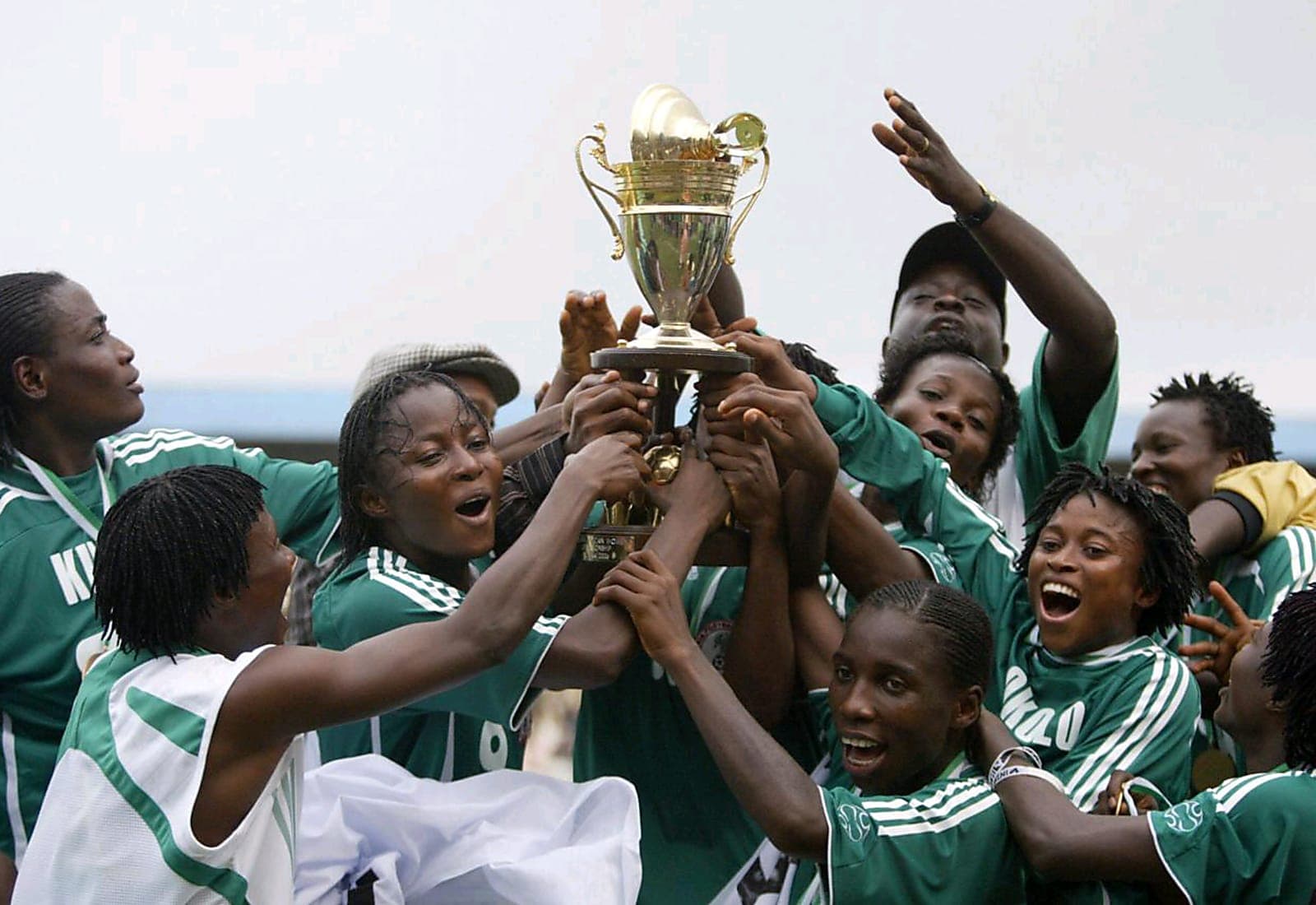
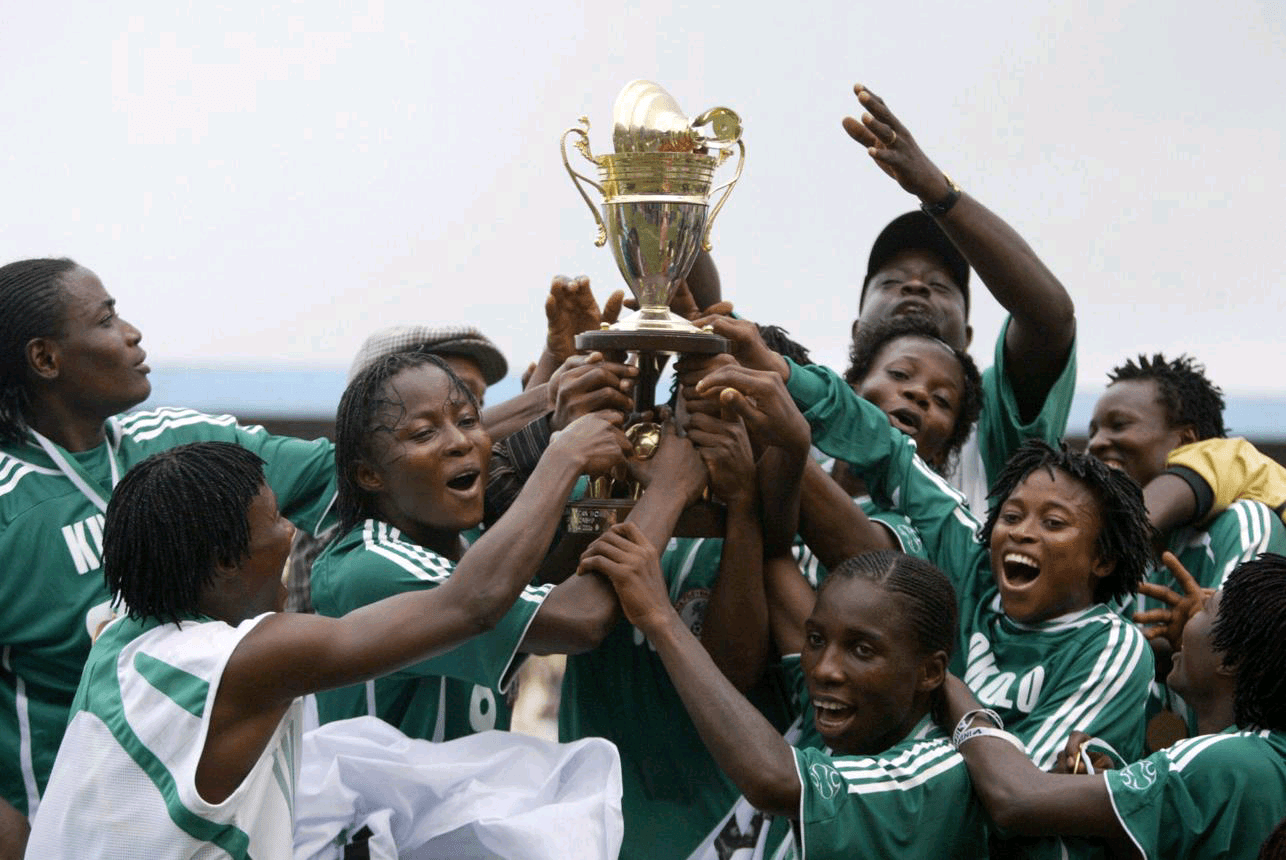
Roma clinched the title on the final matchday with a 2‑1 victory over Napoli, a result that secured a three‑point margin over Juventus. Okeke opened the scoring with a well‑timed header, while Ezeh's late free‑kick sealed the win. The celebrations that followed featured the Nigerian players hoisting the scudetto alongside their Italian teammates, a moment captured by broadcasters worldwide and widely shared on social media. The triumph marked the first Serie A crown in the club's brief history and the first time a Nigerian‑laden side has won Italy's top‑flight women's league.
Why it matters now
The immediate impact of Roma's success reverberates across several fronts. Firstly, it validates the scouting model that prioritises African talent, encouraging other Serie A and European clubs to broaden their recruitment horizons. Secondly, the visibility of Nigerian players on a championship‑winning platform attracts commercial interest; sponsors eager to tap into the African market are more likely to invest in clubs that showcase continental stars. Thirdly, the achievement feeds directly into the narrative of the upcoming 2026 CAF Awards, which Nigeria will host, providing a timely showcase of African excellence in both men's and women's football. Finally, for the domestic game, the triumph offers a powerful story for the Nigerian Football Federation to leverage when lobbying for greater funding and infrastructure upgrades, as it demonstrates that the nation's talent can compete - and win - at the highest level.
Deeper analysis
From a tactical perspective, the Nigerian contingent introduced a blend of physical robustness and technical flair that complemented Roma's existing style. Okeke's ability to hold up play and finish with both feet created space for overlapping full‑backs, while Ezeh's vision enabled quick transitions from defence to attack. Their performances also highlighted the importance of cultural adaptation; both players spoke publicly about the supportive environment within the squad, noting language lessons and mentorship programmes that eased their integration. This underscores a broader lesson for clubs: investing in off‑field support structures can accelerate on‑field contributions from foreign talent.
Economically, the title win is likely to boost Roma's revenue streams through increased merchandise sales, higher match‑day attendance and a larger share of UEFA Women's Champions League broadcasting rights. The presence of Nigerian stars adds a new demographic to the club's fanbase, particularly across West Africa, where viewership of Serie A women's matches has risen by an estimated 30 % since the start of the season, according to reports from football analytics firm SportData. This surge in interest can translate into lucrative sponsorship deals with African brands seeking European exposure.
Socially, the triumph challenges entrenched gender norms in both Italy and Nigeria. In Italy, women's football is still fighting for parity with the men's game; a high‑profile title win with African players at its core helps normalise diversity on the pitch. In Nigeria, the success offers a counter‑narrative to the often male‑dominated football discourse, inspiring young girls to pursue the sport seriously. Grassroots programmes, such as the "Kick‑Start Nigeria" initiative, have already reported increased enrolment following the final whistle, indicating that role models matter.
Strategically, the victory may influence policy at the federation level. The Nigerian Football Federation (NFF) has been urged by former internationals to formalise pathways that link domestic academies with European clubs, ensuring talent is nurtured rather than lost to informal channels. Moreover, the success aligns with UEFA's "Women's Football Strategy 2025‑2030", which calls for greater representation from under‑served regions. Roma's model could therefore serve as a case study for how clubs can meet these objectives while achieving competitive success.
What happens next
The immediate focus for AS Roma will be the upcoming UEFA Women's Champions League, where the squad hopes to translate domestic dominance into continental glory. For the Nigerian players, strong performances on that stage could attract interest from even larger clubs, potentially sparking a bidding war that further raises their market value. Back home, the NFF is expected to amplify its talent‑identification programmes, leveraging the Serie A win as evidence that investment yields tangible results. Media outlets such as Nigeria to Host the 2026 CAF Awards: What It Means for African Football and the Nation are already positioning the triumph as a catalyst for broader reforms in women's sport across the continent.
Final takeaway
AS Roma's Serie A title, secured with decisive contributions from Nigerian internationals, marks a watershed moment for African women's football. It proves that talent, when properly supported, can break geographical and cultural barriers to achieve the highest honours. The win offers a blueprint for clubs, federations and sponsors: invest in players, provide holistic support, and the rewards - both sporting and commercial - will follow. For the next generation of Nigerian girls dreaming of a football career, the trophy on the Roma bench is now a realistic target rather than a distant fantasy.
Sources
- UEFA Women's Football Strategy 2025‑2030
- SportData - Serie A Women Viewership Report 2025
- Nigerian Football Federation - Development Programme Overview
What is this sports article about?
Nigerian women featured in AS Roma's Serie A title win, signalling a new era of African influence in elite European football and offering fresh hope for aspiring players at home.
Why does this story matter?
Nigerian Women Help AS Roma Clinch Serie A Crown - A Milestone for African Football matters because major sports stories rarely stay confined to a single match or quote. They often influence fan expectations, club momentum, tournament narratives, and the wider culture of how the sport is followed in Nigeria and beyond.
When was this article published or updated?
It was published on 4 May 2026 and last updated on 10 July 2026.
Does this page include source references?
Not yet. This page currently relies on the published article body and available editorial context.
Where can readers find related Century Blog coverage?
Readers can continue with related coverage in the same topic area, including England Clinch Group C at World Cup 2026 After Bellingham and Kane Sink Panama and Potential Justin Jefferson‑Kirk Cousins Reunion Highlights the NFL's Expanding Footprint in Nigeria.
No comments yet. Be the first to spark the conversation.