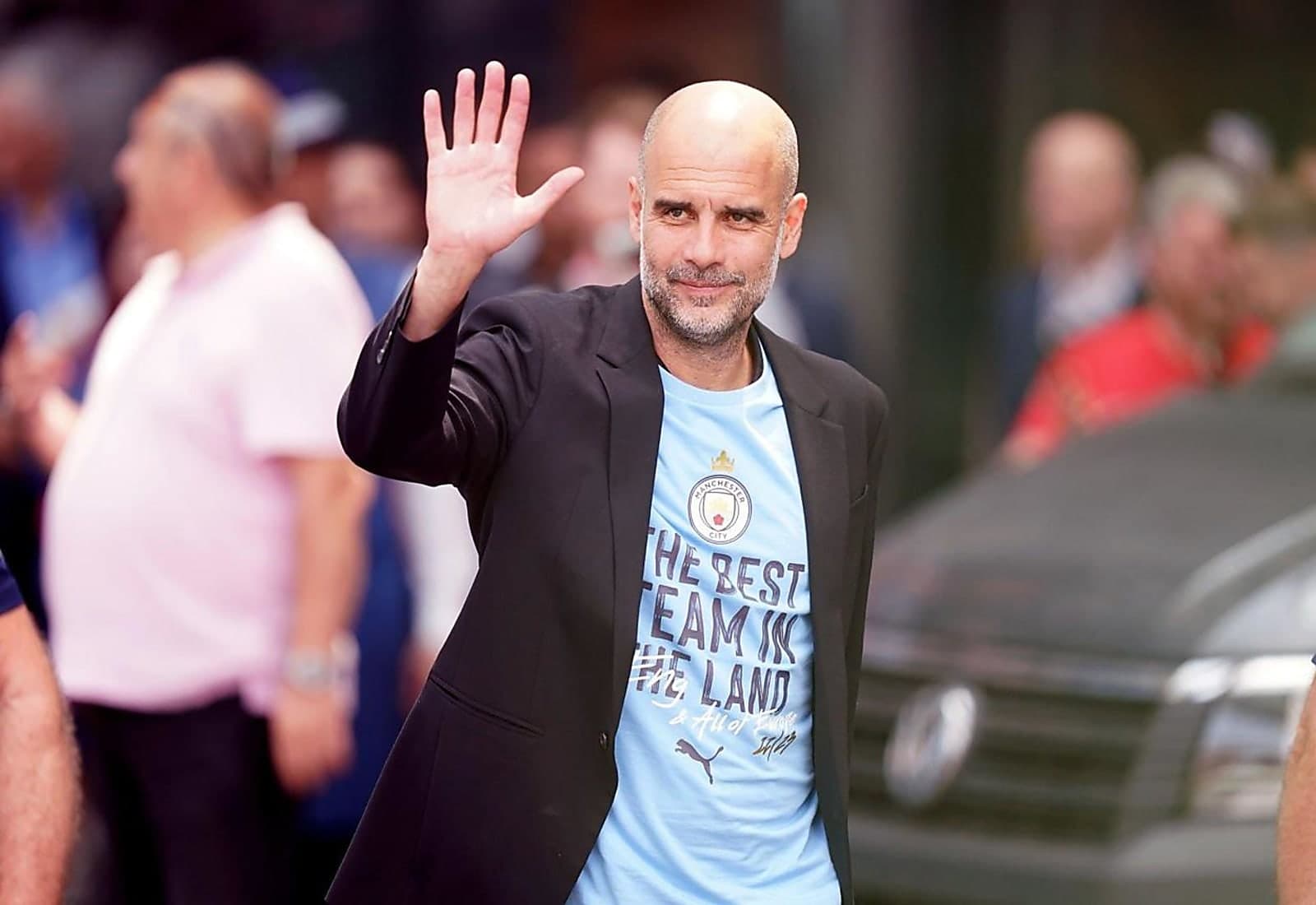
Few managerial exits in football would shake the sport quite like Pep Guardiola leaving Manchester City.
For nearly a decade, Guardiola has not only dominated English football, he has fundamentally changed how the Premier League thinks about:
- tactics,
- possession,
- squad-building,
- pressing,
- and modern coaching philosophy itself.
Now, fresh reports suggesting Guardiola could be approaching the end of his Manchester City era are creating massive discussion across football, especially as a former Chelsea boss reportedly emerges as a possible replacement candidate.
If the rumours become reality, the consequences could reshape:
- the Premier League title race,
- Manchester City's identity,
- transfer strategy,
- and the balance of power in European football itself.
Because replacing Pep Guardiola is not simply about hiring another manager.
It is about replacing an entire football system.
Why Guardiola's Potential Exit Feels So Massive
Managers usually leave clubs.
But Guardiola's situation feels different because Manchester City's modern identity became deeply connected to him personally.
Since arriving in England, Guardiola transformed City into:
- one of the most dominant teams in Premier League history,
- a tactical reference point for world football,
- and a machine built around extreme technical precision.
Under him, City did not simply win trophies.
They controlled football matches psychologically and tactically in ways few teams ever have.
The club's dominance included:
- Premier League titles,
- domestic cups,
- record-breaking winning streaks,
- and eventually the long-awaited Champions League triumph.
For many younger fans, Guardiola and Manchester City now feel almost inseparable.
Why Guardiola May Be Ready for a Change
Although Guardiola remains one of football's most intense and obsessive managers, even his admirers acknowledge how emotionally exhausting his coaching style can be.
His football philosophy demands:
- perfection,
- concentration,
- tactical discipline,
- and relentless pressure constantly.
Over the years, Guardiola himself repeatedly hinted at needing breaks after long managerial cycles.
At Barcelona, his era ended partly because of emotional exhaustion.
The same happened after his Bayern Munich period before he fully immersed himself in Manchester City.
Managing at the highest level for years requires extraordinary psychological energy.
Eventually, even elite managers begin looking for:
- rest,
- new challenges,
- national-team opportunities,
- or simply distance from constant pressure.
Why the Replacement Question Is So Difficult
The biggest challenge for Manchester City is obvious.
How do you replace someone many consider the greatest tactical coach of the modern era?
Any incoming manager would inherit:
- enormous expectations,
- a highly specialised squad,
- and a fanbase accustomed to near-perfection.
Even highly successful coaches often struggle immediately after legendary predecessors leave clubs.
Football history repeatedly shows this pattern.
Successor managers usually face:
- constant comparison,
- tactical scrutiny,
- dressing-room pressure,
- and impossible standards.
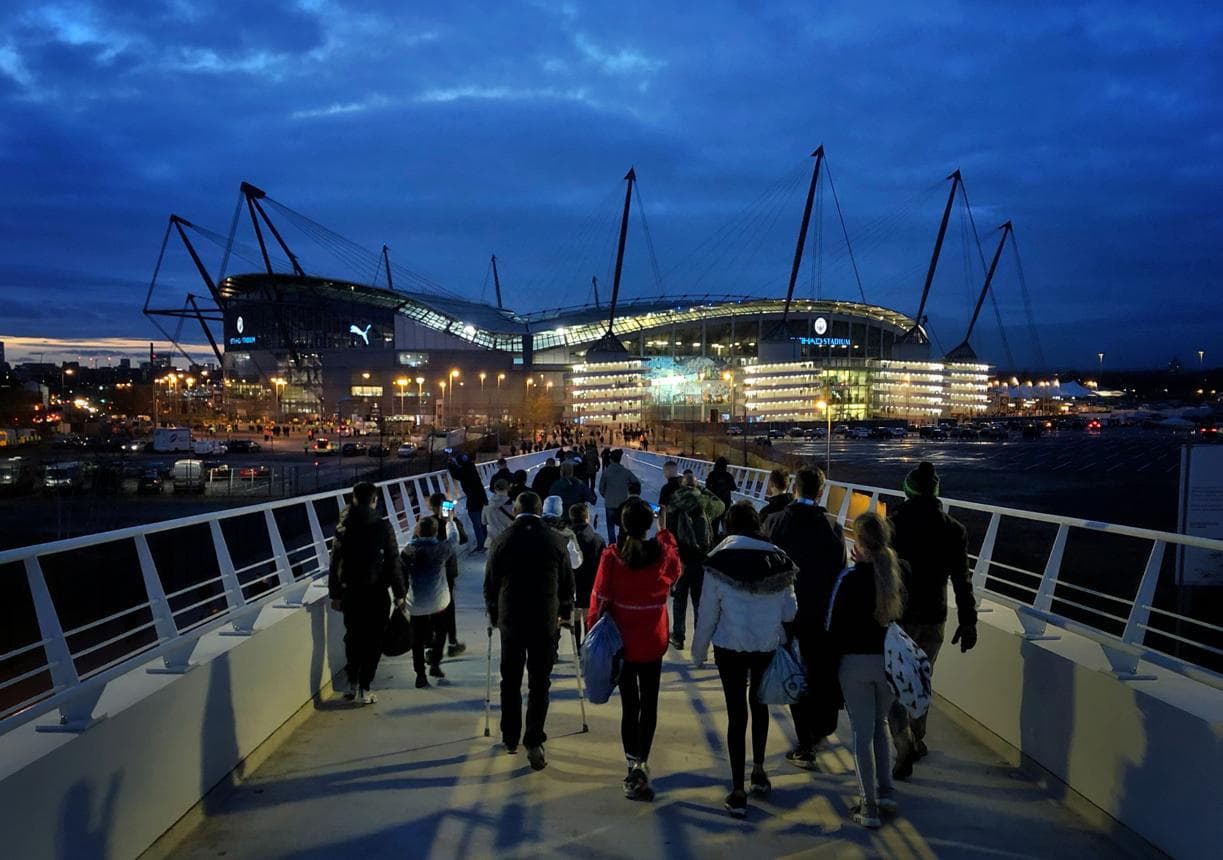
Replacing Guardiola may therefore become one of the hardest managerial jobs in world football.
Why the Former Chelsea Boss Rumours Feel Surprising
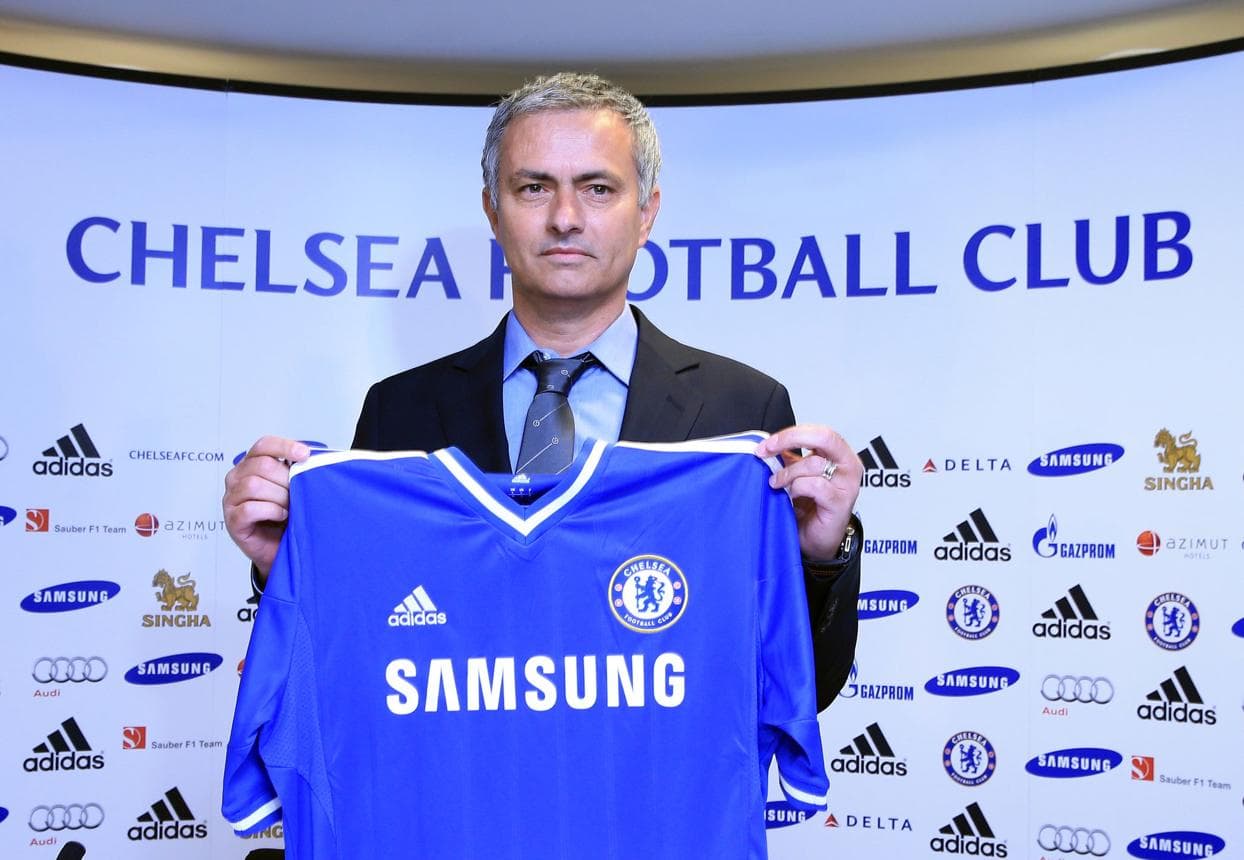
The idea that a former Chelsea manager could become Guardiola's successor immediately sparked debate because Chelsea and Manchester City represent two clubs deeply connected through modern Premier League rivalry.
Fans naturally react emotionally to managerial crossover stories involving major rivals.
At the same time, football increasingly operates pragmatically at elite level.
Owners and executives now prioritise:
- tactical compatibility,
- philosophy,
- adaptability,
- and long-term structure
more than historical rivalry alone.
If City truly pursue a former Chelsea boss, it likely means the club believes that manager can preserve elements of Guardiola's:
- positional football,
- pressing systems,
- and technical structure.
Manchester City's Entire Squad Was Built for Guardiola
Another reason Guardiola's departure matters so much is because City's squad construction heavily reflects his football philosophy.
Many players were specifically recruited because they fit:
- positional discipline,
- technical intelligence,
- tactical flexibility,
- and possession-heavy football.
Under Guardiola, even defenders and goalkeepers became deeply involved in:
- ball progression,
- build-up play,
- and spatial control.
A new manager may therefore face difficult choices.
Do they:
- preserve Guardiola's system,
- gradually evolve it,
- or completely rebuild the tactical identity?
Each option carries major risks.
The Premier League Would Change Immediately
If Guardiola leaves, the Premier League title race could become dramatically more unpredictable overnight.
For years, rival clubs largely built their own projects around the challenge of trying to dethrone Manchester City.
Managers such as:
- Mikel Arteta,
- Jurgen Klopp,
- and others
were forced to evolve tactically partly because Guardiola raised the league's standards so aggressively.
Without Guardiola, many rivals may suddenly feel the league becomes more open competitively.
That possibility alone explains why the rumours created such enormous attention.
Guardiola's Influence Goes Beyond Trophies
Part of Guardiola's legacy involves how deeply he changed football culture itself.
Today, concepts such as:
- inverted full-backs,
- positional play,
- structured pressing,
- build-up triangles,
- and technical control
became mainstream partly because of Guardiola's influence.
Even teams that do not copy him directly often adapt around principles he popularised.
This is why his eventual departure from club football will feel historically significant.
He did not merely coach successful teams.
He reshaped modern football thinking.
Fans Are Already Emotional About the Possibility
Manchester City supporters are already reacting emotionally because many understand the Guardiola era cannot realistically last forever.
The fear is not simply losing a manager.
It is losing:
- stability,
- dominance,
- identity,
- and the feeling of tactical superiority the club enjoyed for years.
Some fans also worry about what happened historically to clubs after iconic managers departed.
Transitions after legendary eras often become unstable unexpectedly.
Why the Timing Matters
The timing of Guardiola's possible departure is especially important because European football itself is entering another major transitional phase involving:
- financial regulation,
- squad restructuring,
- younger managerial generations,
- and evolving tactical systems.
Manchester City therefore faces a critical decision about what the post-Guardiola identity should look like.
Do they continue trying to dominate through control-based football?
Or evolve toward something different entirely?
What Happens Next
Attention will now focus on:
- whether Guardiola officially confirms future plans,
- whether Manchester City begins formal succession planning,
- and which managers emerge seriously as candidates.
Football insiders expect enormous speculation over the coming months because jobs of this scale rarely become available.
Final Analysis
Pep Guardiola leaving Manchester City would mark the end of one of the most influential managerial eras English football has ever witnessed.
The trophies alone made the period historic.
But the deeper legacy involves how completely Guardiola transformed:
- Manchester City,
- the Premier League,
- and modern football culture itself.
And if a former Chelsea boss truly becomes the next manager, the pressure awaiting them may be almost impossible to fully measure.
Because following greatness is often harder than building it in the first place.
No comments yet. Be the first to spark the conversation.