Why this story matters
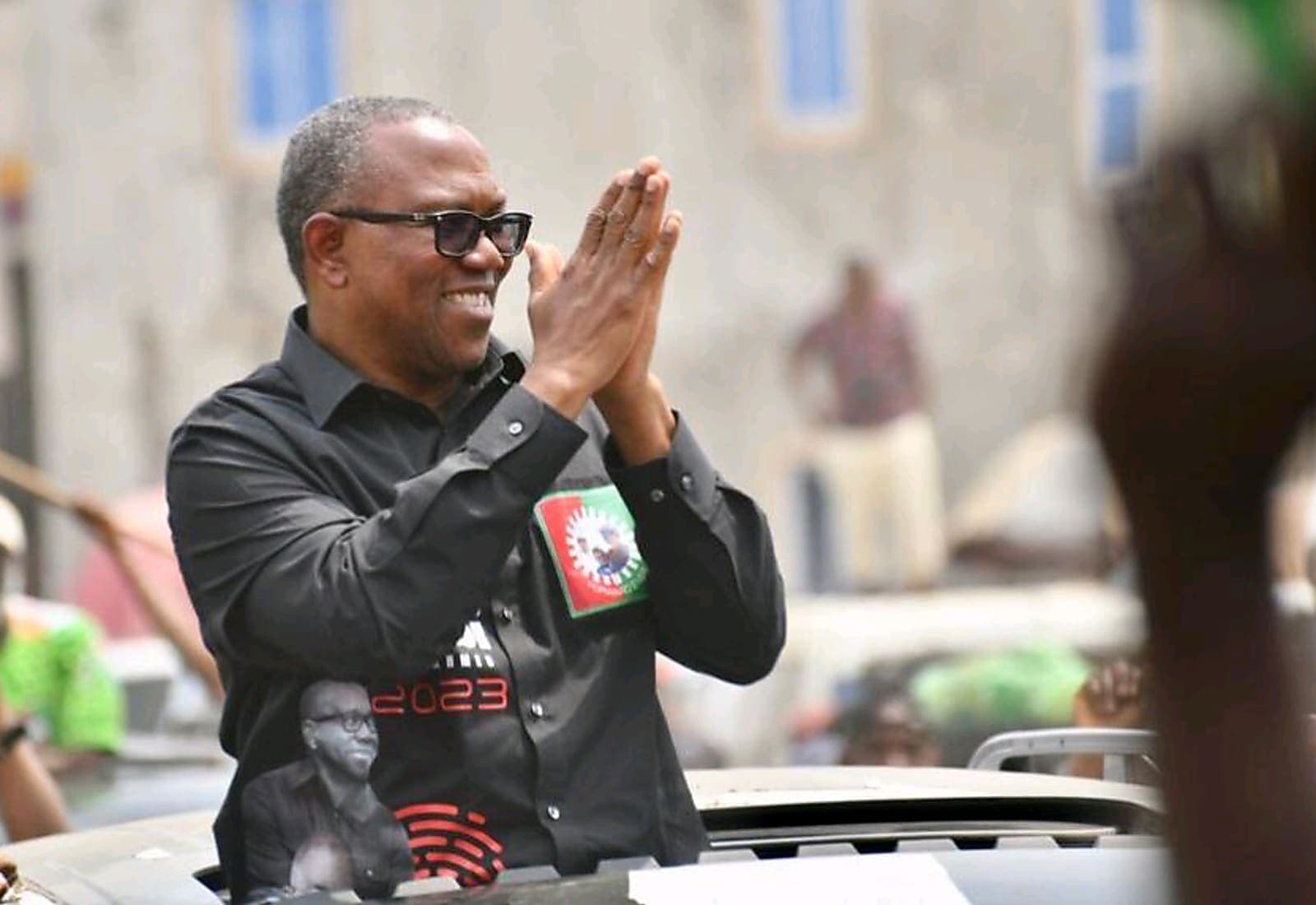
Peter Obi's exit from the African Democratic Congress (ADC) is more than a personal career shift; it is a potential turning point for Nigeria's opposition ahead of the 2027 presidential election. Obi, who captured a substantial share of the youth vote in 2023, remains one of the few politicians capable of galvanising urban professionals, diaspora communities and first‑time voters. His departure could either fragment the already‑scattered anti‑incumbent camp or, if a new coalition materialises, create a credible alternative to the ruling party. For voters, the development may affect the policy agenda that will dominate campaign debates - from inflation control to security reforms. For business owners and civil society, the realignment could reshape the legislative environment that influences investment, taxation and regulatory certainty. In short, the move injects a fresh variable into a political equation that has been largely static since the 2023 poll, making it essential reading for anyone tracking Nigeria's democratic trajectory.
Context and background
Peter Obi first entered national prominence as the Labour Party's vice‑presidential candidate in the 2023 election, where his emphasis on fiscal prudence and anti‑corruption resonated strongly with Nigeria's burgeoning middle class. After the election, he migrated to the ADC - a smaller party with limited national infrastructure but a history of regional representation - in what analysts described as a strategic attempt to broaden his coalition base. The ADC, founded in 2005, has traditionally struggled to break the duopoly of the People's Democratic Party (PDP) and the All Progressives Congress (APC). Obi's arrival raised expectations that the party could finally field a nationally competitive ticket.
However, reports from within the ADC indicated growing friction over leadership appointments, policy direction and resource allocation. Factional disputes surfaced during the party's 2024 congress, with senior figures accusing each other of undermining the party's unity. Moreover, the ADC's limited grassroots network made it difficult to translate Obi's national appeal into local mobilisation, a challenge highlighted in a recent analysis of Nigeria's party structures. These internal strains set the stage for Obi's decision to part ways, a move that aligns with a broader pattern of pre‑election realignments common in Nigerian politics.
What happened
In early May 2026, Obi publicly announced his resignation from the ADC via a televised statement, citing "irreconcilable differences" with senior party officials. The announcement was accompanied by a brief press conference in Abuja where Obi reiterated his commitment to a "unified opposition" capable of offering a clear policy alternative to the incumbent administration. While he did not name a new political home, observers noted his frequent references to former governor Rabiu Musa Kwankwaso, suggesting the possibility of a joint platform.
Within 48 hours, the ADC's national secretariat released a concise response, acknowledging Obi's departure and affirming the party's intention to "continue its mission of democratic renewal." No immediate replacement for Obi's leadership role was named, underscoring the organisational vacuum his exit created. Social media reactions were mixed: many of Obi's supporters expressed disappointment but also optimism that a broader coalition might emerge, whereas ADC loyalists warned of potential vote‑splitting that could benefit the ruling party.
Why it matters now
The timing of Obi's departure is significant because it occurs well before the official campaign period for the 2027 election, giving potential allies ample time to negotiate terms, register new party structures and mobilise resources. If Obi and Kwankwaso succeed in forming a joint platform - possibly under the banner of the New Democratic Coalition (NDC) or a revived ADC - they could combine Obi's stronghold in the South‑East and South‑West with Kwankwaso's influence in the North‑East, creating a geographically balanced ticket.
Such a coalition would force the ruling APC and the opposition PDP to reassess their own strategies. The PDP, still nursing internal disputes after its 2023 defeat, might seek rapprochement with smaller parties to avoid being sidelined. Meanwhile, the APC could be compelled to sharpen its policy messaging on economic recovery and security, areas where the opposition alliance is likely to focus. For ordinary Nigerians, the development could translate into more substantive policy debates, especially on inflation, job creation and youth empowerment - issues that dominated the 2023 campaign and remain unresolved.
Deeper analysis
From a structural perspective, Obi's move highlights the chronic weakness of Nigeria's party system, where personal charisma often outweighs institutional capacity. The ADC's inability to retain a high‑profile figure like Obi underscores the challenges smaller parties face in building durable organisational frameworks. Scholars of African politics note that successful opposition coalitions typically require three pillars: a unifying leadership, a coherent policy platform and a robust grassroots apparatus. Obi brings the first two, but the third remains uncertain.
If a new coalition materialises, its success will hinge on how quickly it can establish a nationwide network of volunteers, fundraisers and local candidates. The coalition will also need to navigate Nigeria's complex regional voting patterns. While Obi's appeal among urban, educated voters is well documented, Kwankwaso's support is rooted in more rural, agrarian constituencies. Bridging these divergent electorates will demand a policy agenda that speaks to both macro‑economic reform and local development concerns.
Economically, the coalition could leverage Obi's reputation for fiscal discipline to attract foreign investment and donor confidence, especially if it proposes realistic tax reforms and anti‑corruption measures. This aligns with broader trends noted in recent coverage of Nigeria's fiscal health, such as the analysis of the country's debt trajectory in the article on Nigeria's Debt Has Hit ₦159 Trillion and the implications of the 2026 tax reforms discussed in Nigeria's 2026 Tax Reform. A credible opposition platform that promises fiscal prudence could therefore reshape investor sentiment ahead of the election year.
Politically, the coalition's emergence may also influence the internal dynamics of the PDP. Analysts suggest that a united opposition could push the PDP to either merge with smaller parties or to reposition itself as a distinct centrist force. The resulting realignment could either consolidate opposition votes or, paradoxically, fragment them further if competing alliances fail to coordinate their campaign strategies. The ultimate impact on voter turnout, particularly among the youth demographic that propelled Obi in 2023, will be a critical metric to watch.
What happens next
In the coming weeks, the most immediate indicator will be an official statement from either Obi or Kwankwaso confirming the formation of a new party or coalition. Subsequent steps are likely to include:
- Registration of the new political entity with the Independent National Electoral Commission (INEC).
- Announcement of a joint presidential ticket, including a vice‑presidential candidate who can balance regional considerations.
- Launch of a national campaign agenda, with town‑hall meetings in key swing states to gauge public reaction.
Stakeholders such as civil society groups, business chambers and international observers will monitor these developments closely, as they will shape the policy discourse and electoral competitiveness in the lead‑up to 2027.
Final takeaway
Peter Obi's departure from the ADC signals a decisive moment in Nigeria's opposition politics. Whether it culminates in a powerful coalition or simply fragments the anti‑incumbent vote, the move injects fresh uncertainty into the 2027 electoral landscape. Voters, investors and policymakers should therefore keep a close watch on coalition talks, policy outlines and grassroots mobilisation efforts, as these will determine whether Nigeria's next election offers a genuine alternative to the status quo.
No comments yet. Be the first to spark the conversation.