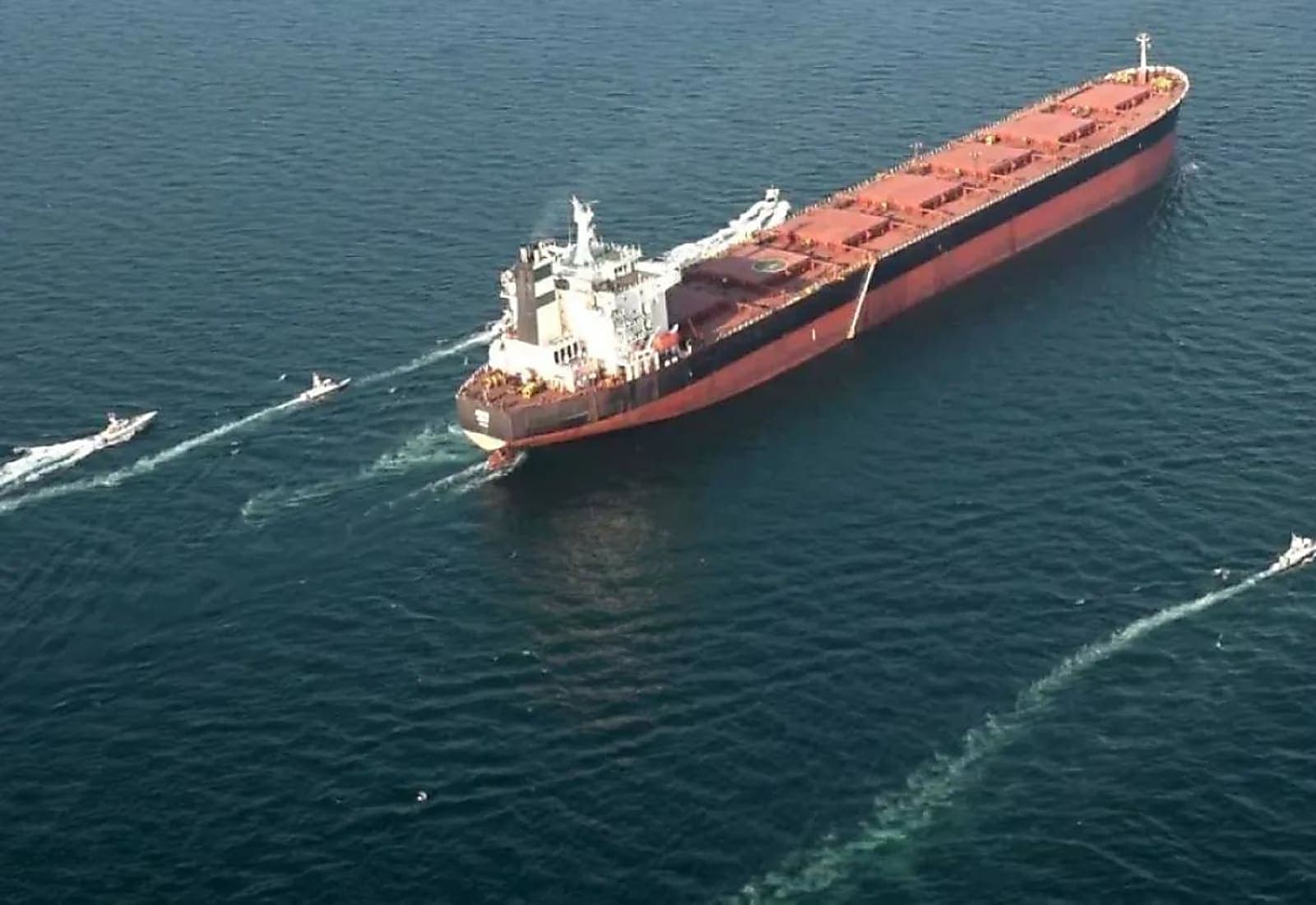
The fragile ceasefire between the United States and Iran is now facing one of its most dangerous moments yet, as tensions continue escalating around the Strait of Hormuz, one of the most strategically important waterways on Earth.
For weeks, the ceasefire appeared unstable but survivable.
Now, however, renewed military incidents, attacks on commercial shipping, rising political threats, and increasing naval activity are pushing the region dangerously close to another major escalation.
Global attention remains fixed on the Strait of Hormuz because the narrow waterway carries a massive share of the world's oil and energy supply.
Any serious disruption there could affect:
- global fuel prices,
- inflation,
- shipping costs,
- stock markets,
- food supply chains,
- and geopolitical stability worldwide.
The situation is no longer simply a regional Middle East conflict.
It is rapidly becoming a global economic and security concern. :contentReference[oaicite:0]{index=0}
Why the Strait of Hormuz Matters So Much
The Strait of Hormuz sits between Iran and Oman and connects the Persian Gulf to international waters.
Despite its narrow size, it functions as one of the world's most critical maritime chokepoints.
A huge percentage of global oil exports passes through the route daily, including shipments from:
- Saudi Arabia,
- Iraq,
- Kuwait,
- Qatar,
- and the United Arab Emirates.
That means even small military disruptions in the area can immediately trigger international panic inside energy and financial markets.
Analysts often describe Hormuz as one of the few locations capable of shaking the entire global economy within days if conflict escalates seriously. :contentReference[oaicite:1]{index=1}
Why the Ceasefire Is Becoming Increasingly Fragile
The ceasefire between Washington and Tehran has technically remained in place, but reality on the ground looks far more unstable.
Recent weeks have seen:
- naval confrontations,
- attacks on commercial vessels,
- drone incidents,
- missile exchanges,
- and military threats from both sides.
American officials insist the ceasefire still exists "for now," while simultaneously warning Iran against further escalation. :contentReference[oaicite:2]{index=2}
Iran, meanwhile, continues accusing the United States of:
- military provocation,
- illegal naval operations,
- and violating the spirit of the ceasefire agreement.
The result is a situation where both sides publicly claim restraint while preparing militarily for possible renewed conflict at the same time.
Shipping Attacks Are Raising Global Alarm
One of the biggest concerns now involves commercial shipping safety.
Several incidents involving:
- oil tankers,
- cargo vessels,
- and maritime escorts
have intensified fears that the ceasefire may collapse entirely.
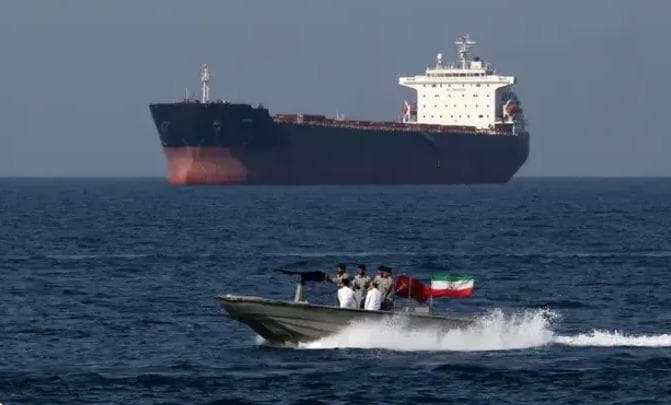
The United States recently accused Iranian forces of threatening commercial ships moving through the Strait, while Iranian officials accused American forces of using military operations as cover for broader pressure tactics. :contentReference[oaicite:3]{index=3}
Countries heavily dependent on Gulf oil exports are becoming increasingly nervous.
India publicly condemned attacks on civilian vessels and warned against destabilising international shipping routes. :contentReference[oaicite:4]{index=4}
Shipping companies are also reassessing:
- insurance costs,
- route safety,
- and operational risk.
Even without full-scale war, uncertainty alone is already affecting global energy markets.
Oil Prices and Global Inflation Fears Are Returning
Whenever the Strait of Hormuz becomes unstable, oil markets react almost immediately.
Traders fear that any closure or sustained military conflict could sharply reduce global oil supply.
That risk is particularly dangerous during periods where many economies are already struggling with:
- inflation,
- high transportation costs,
- supply chain pressure,
- and weak economic recovery.
Higher oil prices eventually affect:
- food prices,
- electricity costs,
- airline travel,
- manufacturing,
- and transportation worldwide.
For countries like Nigeria, the situation is complicated.
Higher crude prices can increase government revenue temporarily, but they can also worsen:
- fuel costs,
- inflation pressure,
- and economic instability domestically.
The US and Iran Are Both Showing Strength Publicly
Another reason the ceasefire feels unstable is because neither side wants to appear weak publicly.
American officials continue emphasising military readiness and naval dominance in the Gulf region. :contentReference[oaicite:5]{index=5}
Iran, meanwhile, continues projecting resistance and strategic control around the Strait.
Iranian officials recently discussed:
- restricting shipping access,
- imposing maritime fees,
- and expanding regional defensive operations. :contentReference[oaicite:6]{index=6}
This public posturing creates dangerous political pressure.
Once governments begin making aggressive public statements, backing down diplomatically becomes politically harder.
That increases the risk of accidental escalation.
Regional Powers Are Trying to Prevent Wider War
Several countries are now working aggressively behind the scenes to stop the ceasefire from collapsing entirely.
Pakistan reportedly remains involved in diplomatic efforts aimed at keeping communication channels open between both sides. :contentReference[oaicite:7]{index=7}
Meanwhile:
- Gulf states,
- European governments,
- China,
- Russia,
- and the United Nations
are all watching developments closely.
No major global power wants a full-scale regional war near the world's most important energy corridor.
The danger is that even limited incidents involving:
- drones,
- ships,
- militias,
- or airstrikes
could spiral quickly beyond diplomatic control.
Civilians and Workers Are Paying the Price
Beyond politics and military strategy, ordinary people across the region are already feeling the consequences.
Workers connected to:
- shipping,
- ports,
- oil facilities,
- and logistics
face growing uncertainty.
Families living near military zones fear broader escalation.
Regional economies dependent on stable maritime trade are also suffering pressure.
The humanitarian consequences of another major Middle East war could become enormous if diplomacy collapses entirely.
Why the Situation Feels Different Now
Many geopolitical analysts believe the current situation feels especially dangerous because of how many crises are overlapping simultaneously.
The region already faces tension involving:
- Lebanon,
- Israel,
- Iranian-backed militias,
- global energy competition,
- and shifting international alliances.
The Strait of Hormuz has therefore become more than a shipping dispute.
It is now a symbol of the wider power struggle unfolding across the Middle East.
What Happens Next
The next few weeks may determine whether:
- diplomacy stabilises the ceasefire,
- naval confrontations continue escalating,
- shipping disruptions worsen,
- oil markets spike further,
- or direct military conflict resumes openly.
Military forces on all sides remain highly active.
Diplomacy continues, but trust remains extremely low.
Final Analysis
The US-Iran ceasefire may technically still exist.
But around the Strait of Hormuz, the atmosphere increasingly resembles a conflict waiting for one serious mistake to explode again.
The danger now is not only deliberate war.
It is miscalculation.
One attack on a ship, one drone strike, or one military overreaction could rapidly push the region back into full-scale confrontation.
And because the Strait of Hormuz sits at the centre of the global energy system, the consequences would almost certainly extend far beyond the Middle East itself.
No comments yet. Be the first to spark the conversation.