It started on 28 February 2026. Since then, it has reshaped global energy markets, pushed petrol prices to painful highs, stranded hundreds of oil tankers, and cost the United States alone an estimated $29 billion in just over ten weeks.
The war between the United States, Israel, and Iran is no longer a distant geopolitical story. For Nigerians paying more at the pump, struggling with rising food prices, and watching the naira under renewed pressure, this conflict is already a daily economic reality.
This article breaks down exactly what is happening, why the Strait of Hormuz matters so much, what Nigeria stands to gain and lose, and what you should be watching in the weeks ahead.
Background: How Did This War Start?
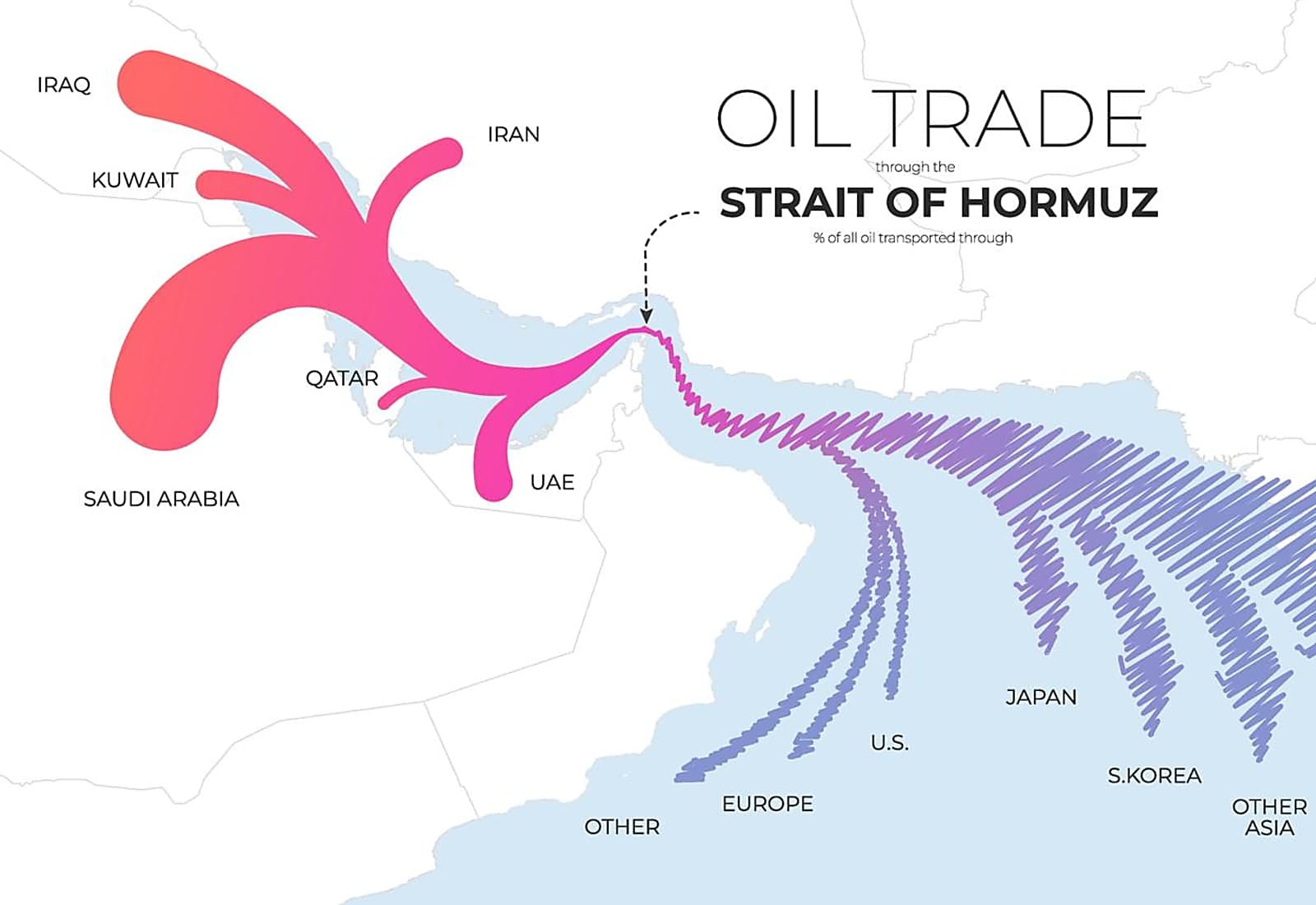
The US-Israel military campaign against Iran began on 28 February 2026, following a breakdown in nuclear negotiations and a series of Iranian proxy attacks across the Middle East. Within days, Iran responded by closing the Strait of Hormuz, the narrow waterway through which approximately 20% of the world's seaborne oil and liquefied natural gas passes every day.
The closure was not symbolic. It was catastrophic.
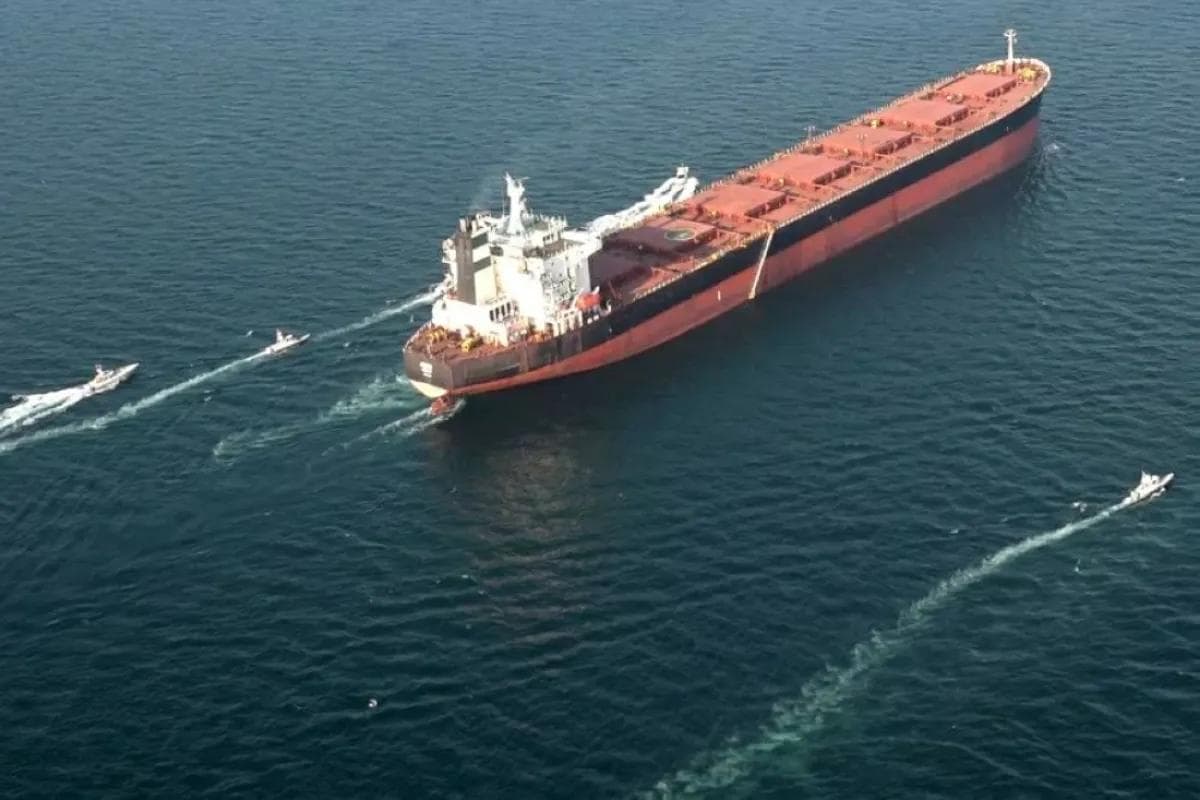
Roughly 200 tankers were stranded almost immediately. Saudi Arabia's refinery infrastructure and Qatar's Ras Laffan LNG complex were hit in subsequent attacks, reducing Qatar's LNG production capacity by 17% in a single strike. By March, global oil supply had fallen by more than 10 million barrels per day, the largest disruption in recorded history according to the International Energy Agency (IEA).
By the time the Pentagon's comptroller, Jules Hurst, appeared before US lawmakers on Tuesday, 12 May, the bill had risen to approximately $29 billion. That figure, he noted, is up from the $25 billion estimate given to Congress just two weeks earlier.
The State of Play Right Now
As of 14 May 2026, the situation remains deeply unstable.
President Trump described the ceasefire as being "on massive life support," characterising Iran's latest response to a proposed agreement as essentially worthless. The Senate has now rejected war powers restrictions seven times this year, each vote failing to pass. Iran, for its part, has stated that its uranium enrichment programme is non-negotiable and that its claim over the Strait of Hormuz is not open to debate.
Diplomatically, Trump is in China seeking President Xi Jinping's assistance in brokering a deal. China has officially declared neutrality but has strong economic reasons to want the conflict resolved: Iran is China's third-largest oil supplier, and Beijing has invested over $100 billion in Iranian energy and infrastructure.
The Trump administration is also draining America's Strategic Petroleum Reserve at the fastest pace on record. Last week alone, the reserve fell by 8.6 million barrels.
Vice President JD Vance struck a more measured tone, describing careful progress in diplomatic efforts. But on the ground, little has changed.
Nigeria: Caught Between Windfall and Pain
Nigeria's relationship with this war is deeply contradictory, and understanding that contradiction matters.
On paper, Nigeria should be winning. As Africa's largest oil producer, Nigeria benefits directly when global crude prices spike. Nigerian Bonny Light crude has risen by 66% since the war began, from around $70 per barrel to an average of $116, according to analysis by Eurasia Group's Africa practice cited by Al Jazeera. US investment firm Vanguard reported that Nigerian oil companies earned a $4 billion windfall from the surge in prices.
In theory, higher crude revenues should flow to the government, strengthen the naira, and fund public services.
In practice, the picture on Lagos streets looks very different.
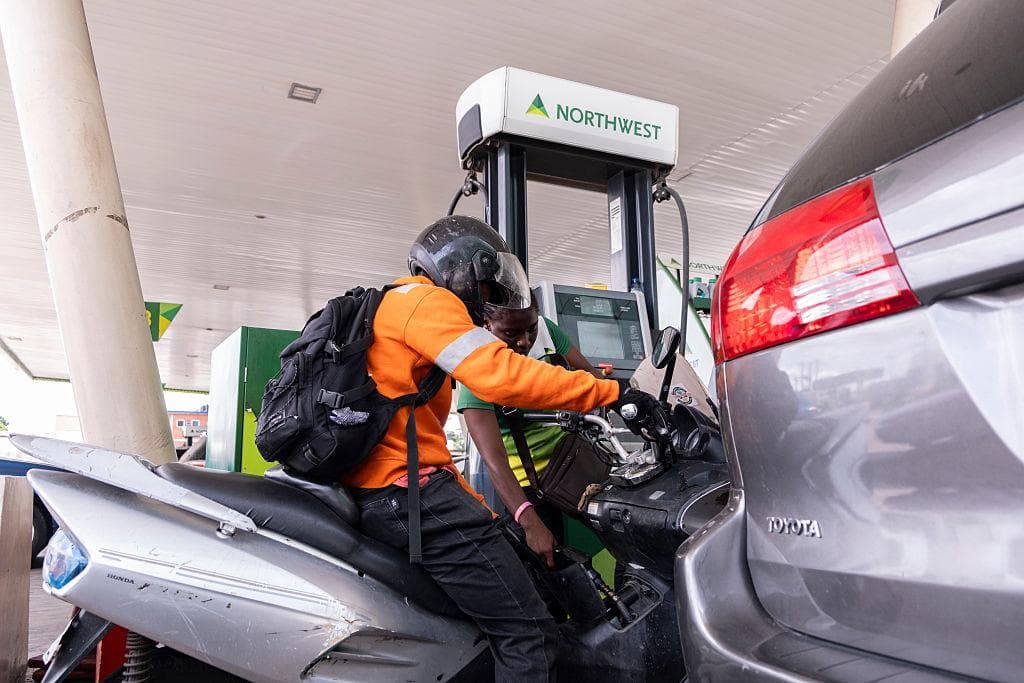
Nigeria still imports most of its refined petroleum products. Even with the Dangote refinery now operational, the country has not fully transitioned away from imported fuel. As global crude prices rise, so do the costs of refined petrol, diesel, and aviation fuel. Nigerians are paying more at the pump, transport costs are climbing, and the ripple effects are spreading through food prices and essential goods.
A Lagos businesswoman interviewed by NPR captured the frustration precisely: "We have crude in Nigeria, so that should not even affect us at all. So why are we now suffering for other people's problem?"
That question has no comfortable answer. The structural gap between Nigeria's crude wealth and its refined fuel dependence remains one of the country's most persistent economic vulnerabilities.
Nigerian economist Paul Alaje warned as early as March that petrol prices could climb to ₦1,000 per litre if the conflict continued without resolution. Countries across Africa and Asia face severe fuel shortages. Nigeria, so far, has not declared an energy emergency, but the pressure on households is real and measurable.
What This Means for Global Trade and Aviation
The war's economic reach extends well beyond oil.
The closure of Middle Eastern airspace has forced airlines to reroute flights around the conflict zone, adding hours to journey times and significantly increasing fuel costs. Several major Middle Eastern airports, which collectively handle around 15% of global air traffic, have been closed or disrupted. Flight ticket prices have risen across the board.
Fertiliser markets are also under severe strain. Much of the world's fertiliser supply transits or originates from the Gulf. The Food Policy Institute in the United Kingdom has warned of long-term increases in food prices as a direct consequence of disrupted fertiliser supply chains. For a country like Nigeria, where food inflation was already elevated, this adds another layer of pressure on ordinary households.
Shipping companies are reporting significant losses. German logistics firm Hapag-Lloyd lost €219 million in the first quarter of 2026, citing the Iran war as a primary factor alongside adverse weather conditions.
Common Misconceptions to Clear Up
"Nigeria is a major oil producer, so this war helps us." Only partially. Higher crude prices improve export revenues, but Nigeria's dependence on imported refined products means consumers bear the cost of rising global fuel prices just like everyone else. The benefit flows to the government and oil companies, not to the average Nigerian at the petrol station.
"The ceasefire means the worst is over." Trump himself described the ceasefire as barely alive. Iran has not agreed to resume Hormuz traffic, and the fundamental disagreement over nuclear enrichment remains unresolved. Analysts at the IEA caution that their forecast assumes supply normalisation by mid-2026 but acknowledge this may prove too optimistic.
"China will fix this quickly." China has strong economic incentives to broker peace, but it has also been careful not to publicly pressure Iran. Diplomatic solutions of this complexity rarely move at the speed markets would prefer.
Expert Perspective: What to Watch
Three developments will determine how this story ends.
First, the Strait of Hormuz. The IEA has stated clearly: resuming flows through the strait is the single most important variable in easing pressure on energy supplies, prices, and the global economy. Until that happens, the crisis continues.
Second, the nuclear question. Iran has said enrichment is non-negotiable. The US has said Iran cannot be allowed to develop nuclear weapons. Until these positions move, a lasting agreement is unlikely.
Third, Trump and Xi. The diplomatic meeting in China is significant. If Beijing applies meaningful pressure on Tehran, the path to negotiation opens. If China remains passive, the war is likely to drag well into the second half of 2026.
Conclusion
The US-Iran war began over geopolitics and nuclear ambitions. Ten weeks in, it has become one of the most consequential economic events of this decade. A $29 billion price tag for the United States, oil supplies at historic lows, tankers stranded, airline routes disrupted, food prices climbing, and ordinary Nigerians paying more for fuel they were already struggling to afford.
For Nigeria, the lesson is a familiar one. Crude wealth does not automatically translate into economic insulation. Without full control of the refining chain, the country remains exposed to exactly the kind of global shock currently unfolding.
The war is not over. The ceasefire is fragile. And the economic pain being felt in Lagos, Kano, and across Nigerian cities is not a side effect of events happening far away.
It is the direct cost of a world that runs on oil, controlled by a strait nobody can agree to reopen.
No comments yet. Be the first to spark the conversation.