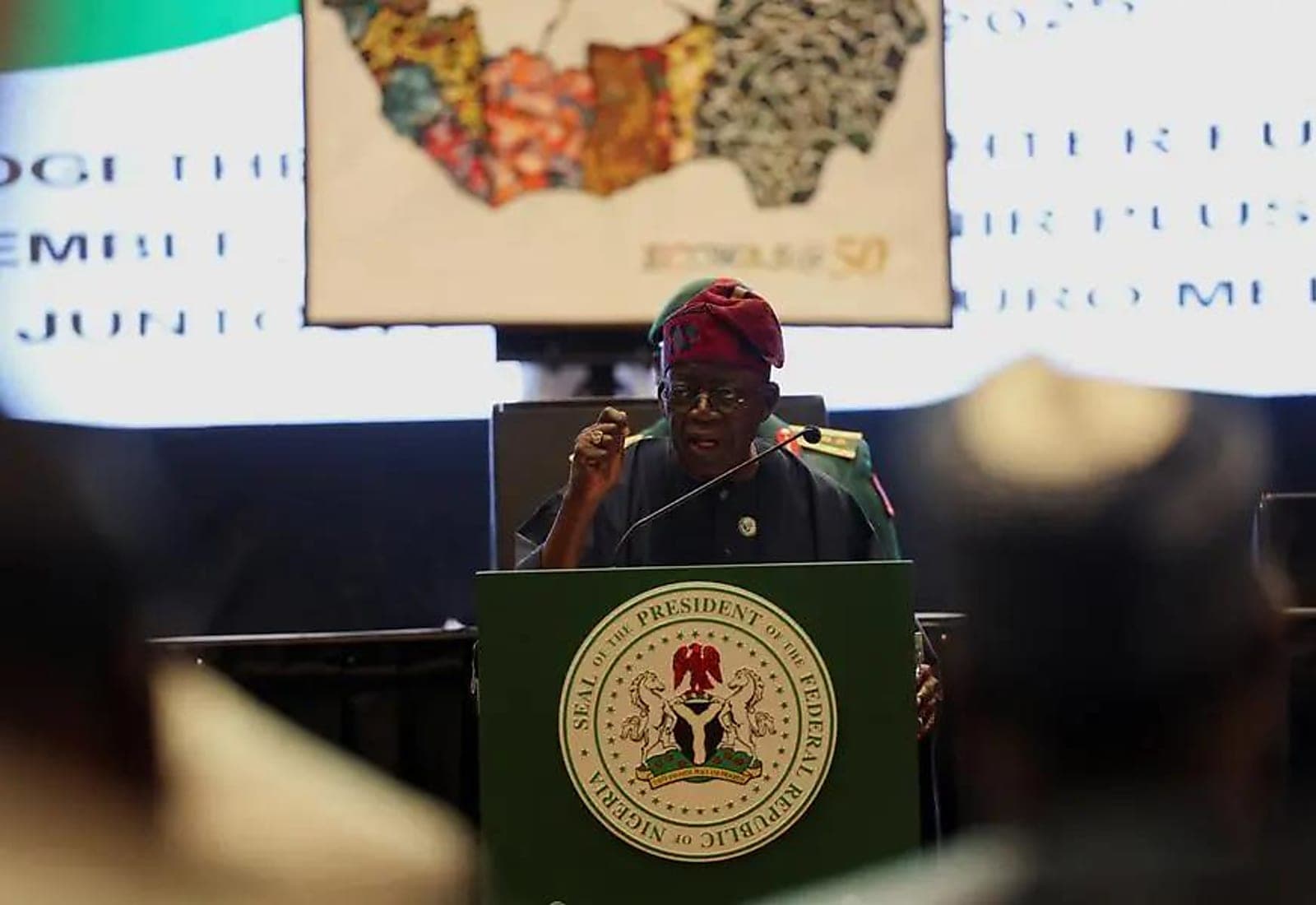
President Bola Ahmed Tinubu's latest push to reshape Nigeria's power sector is already generating intense debate across the country, with discussions focusing heavily on electricity tariffs, state-level control, and whether the reforms can finally improve power supply for millions of Nigerians.
The federal government's renewed focus on electricity reform comes at a time when frustration over unstable power supply, rising energy costs, and weak infrastructure remains widespread among households and businesses.
For many Nigerians, the central question is no longer whether reforms are needed.
It is whether the new reforms will genuinely improve electricity access or simply increase financial pressure on citizens already struggling with inflation and rising living costs.
Why Nigeria's Power Sector Remains a Major Problem
Despite years of privatisation, policy announcements, and billions spent across the sector, electricity supply in Nigeria remains one of the country's biggest economic and developmental challenges.
Many homes and businesses still experience:
- unstable electricity,
- repeated blackouts,
- high generator dependence,
- rising energy costs,
- and inconsistent billing systems.
Small businesses especially continue spending heavily on fuel and alternative energy sources just to remain operational.
The unreliable power situation affects:
- manufacturing,
- healthcare,
- education,
- technology,
- hospitality,
- and overall economic productivity.
That is one reason every major government eventually faces pressure to address electricity reform aggressively.
What Tinubu's New Push Appears to Focus On
The latest reforms appear centred around two major ideas:
- expanding state-level involvement in electricity generation and distribution,
- and restructuring pricing systems within the power sector.
The administration has repeatedly argued that states should have greater authority to develop electricity infrastructure independently rather than relying almost entirely on the federal structure.
Supporters of the reforms believe decentralisation could encourage:
- faster investment,
- local competition,
- infrastructure development,
- and improved efficiency.
Several states have already shown growing interest in developing:
- independent power projects,
- renewable energy systems,
- and local distribution partnerships.
The federal government believes allowing states more flexibility could eventually reduce pressure on the national grid while improving access across underserved regions.
Why Electricity Tariffs Are Causing Controversy
The most controversial aspect of the discussion remains electricity pricing.
Many Nigerians are already frustrated by rising tariffs, estimated billing disputes, and concerns that consumers continue paying more without seeing major improvements in power supply.
Recent tariff adjustments have triggered criticism from:
- labour unions,
- consumer groups,
- small business owners,
- and ordinary citizens.
Critics argue that increasing electricity costs before achieving stable supply places unfair pressure on struggling households.
For many Nigerians, electricity has effectively become a luxury service despite remaining unreliable in several areas.
Some residents still receive only a few hours of electricity daily while facing rising monthly bills.
That disconnect is one reason public trust in power-sector reform remains fragile.
Supporters Say Reform Is Necessary
Supporters of the government's position argue that Nigeria's power sector cannot improve significantly without difficult financial reforms.
They say years of underinvestment, debt problems, subsidy structures, and weak cost recovery have damaged the sector's sustainability.
According to many industry analysts:
- electricity infrastructure requires massive investment,
- investors need predictable returns,
- and distribution companies must improve financial viability.
Without stronger revenue systems, supporters argue the sector may struggle to attract long-term capital capable of modernising infrastructure.
Some economists also argue that politically controlled electricity pricing has historically discouraged serious investment in Nigeria's power market.
That argument suggests that painful reforms may be unavoidable if the country truly wants long-term improvement.
The Debate Around State Control
The proposal to expand state-level involvement has also created mixed reactions.
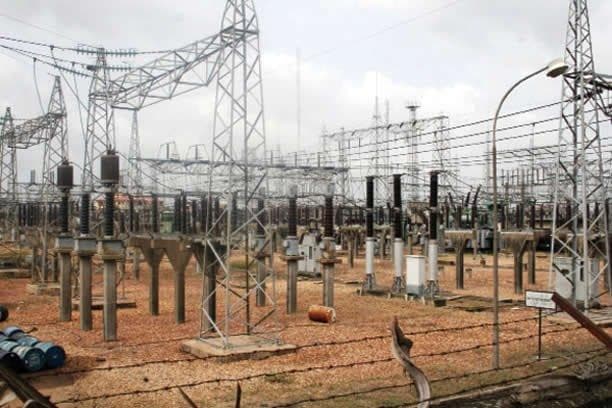
Supporters believe states understand their own energy challenges better and may respond faster than federal institutions.
States with stronger internally generated revenue and industrial ambitions could potentially:
- build local power plants,
- improve transmission partnerships,
- expand renewable energy,
- and attract private investment.
However, critics worry that decentralisation could deepen inequality between richer and poorer states.
Wealthier states may advance faster, while financially weaker states could struggle to develop electricity infrastructure independently.
Others also fear that overlapping regulation and political conflicts between federal and state authorities may create additional complexity within the sector.
The success of decentralisation may therefore depend heavily on:
- regulatory coordination,
- transparency,
- investment quality,
- and long-term governance stability.
Why Businesses Are Watching Closely
Nigeria's business community is paying close attention to the reforms because electricity remains one of the country's largest operating-cost problems.
Many companies spend enormous amounts powering offices, factories, warehouses, and commercial operations through generators and alternative systems.
For manufacturers especially, unstable electricity contributes significantly to:
- high production costs,
- lower competitiveness,
- reduced profitability,
- and rising consumer prices.
Technology companies, hospitals, schools, restaurants, and small enterprises face similar pressure.
If reforms eventually improve stable electricity supply, the economic impact could be enormous.
But businesses remain cautious because previous reform promises often produced slower results than expected.
Nigerians Want Results, Not Announcements
One major challenge facing the government is credibility.
Electricity reform has been discussed repeatedly across multiple administrations, yet millions of Nigerians still experience daily power frustration.
As a result, many citizens are now more interested in measurable outcomes than policy announcements.
People want:
- stable electricity,
- fair billing,
- lower generator dependence,
- and visible infrastructure improvement.
Without those results, public resistance to higher tariffs will likely continue growing.
The emotional frustration around electricity in Nigeria goes beyond economics alone.
For many citizens, power supply represents a symbol of broader governance performance and national development.
What Happens Next
The next phase of the reforms will likely involve:
- further regulatory adjustments,
- negotiations with stakeholders,
- state-level electricity initiatives,
- tariff discussions,
- and infrastructure investment planning.
Several governors are already expected to explore independent electricity projects more aggressively under the evolving framework.
At the same time, labour unions and consumer groups may continue pushing back against further tariff increases unless visible improvements occur first.
Final Analysis
Tinubu's latest power-sector push could become one of the most important economic reforms of his administration.
If managed properly, greater investment and decentralisation could eventually improve electricity access and reduce pressure on businesses and households.
But the political risks are equally significant.
Electricity affects nearly every aspect of daily life in Nigeria, making tariff increases extremely sensitive in a period already defined by inflation and economic hardship.
Ultimately, Nigerians are unlikely to judge the reforms by policy language or political speeches.
They will judge them by one simple question.
Does electricity finally become more stable, affordable, and reliable for ordinary people?
No comments yet. Be the first to spark the conversation.