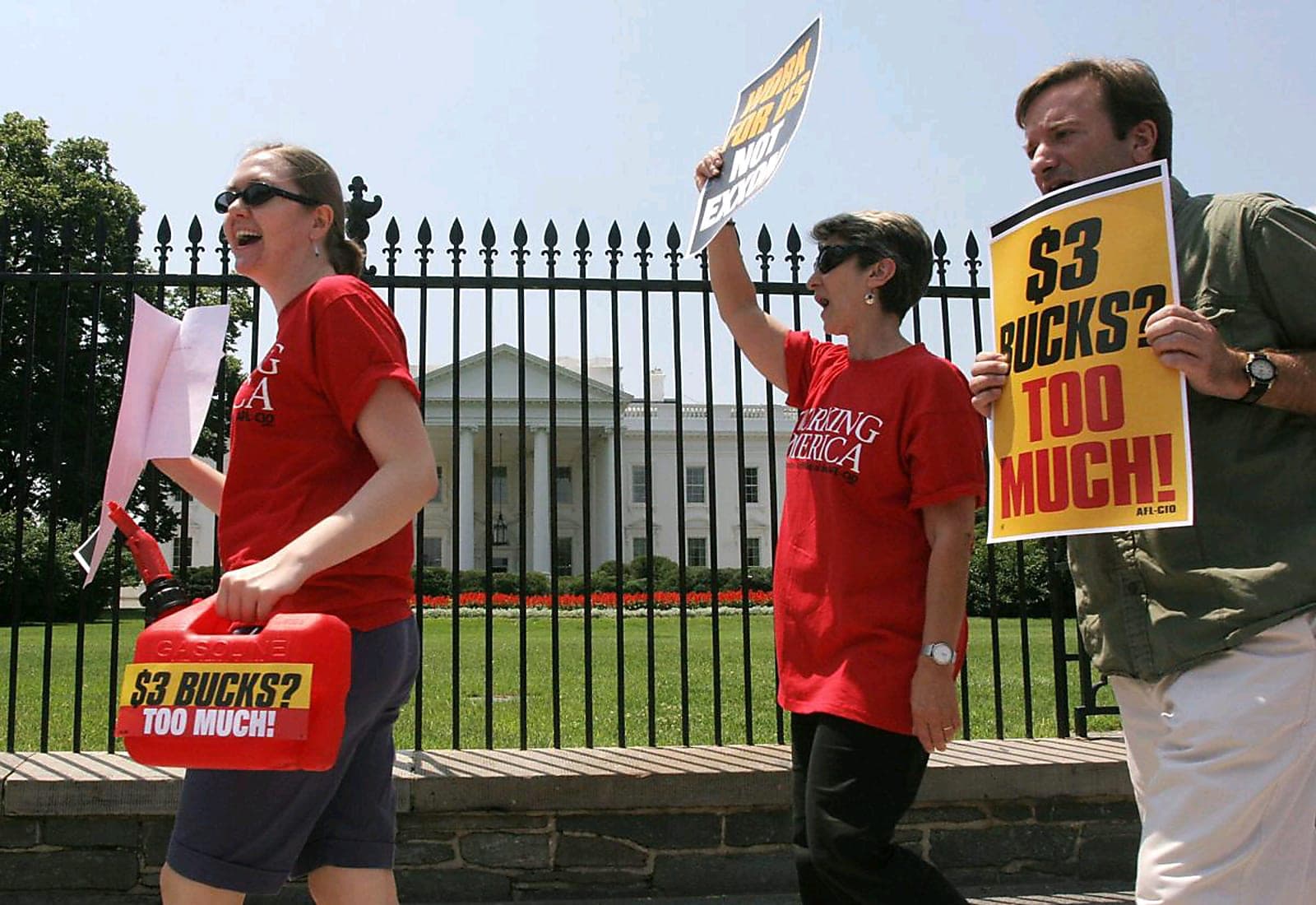
Public support for military confrontation can deteriorate quickly when the costs stop feeling distant. That is one of the clearest lessons in any modern conflict, and it appears to be shaping the current debate around the Iran standoff. Once war is felt through fuel prices, inflation fears, uncertainty and anxiety about where the confrontation might lead, it no longer lives only inside foreign policy arguments. It becomes a domestic political issue.
Why this story matters
This story matters because political approval during conflict is rarely driven by strategy alone. People react to clarity, confidence and cost. If a public believes the goals are uncertain, the duration is unclear and the economic burden is rising, support can fall much faster than leaders expect. That does not only change polling headlines. It changes the political space in which decisions are made.
The reported decline in approval around the Iran conflict is therefore not just a referendum on one leader. It is also a warning about the relationship between military action and economic pressure. When energy prices rise, markets become nervous and households start worrying about costs, foreign policy stops feeling abstract.
For readers in Nigeria, this matters because conflicts tied to oil routes and Middle East risk rarely stay confined to US politics. They move into fuel prices, inflation expectations, shipping costs and wider market confidence that affect countries far beyond Washington.
This report should be read alongside verified polling data, official statements and reliable geopolitical reporting where available.
Context and background
Public support for war has always been fragile when the burden is visible but the objective feels unsettled. Leaders often receive early backing if citizens believe action is necessary, limited and strategically coherent. That support becomes harder to sustain when the confrontation drags, the costs rise or the rationale starts to look confused.
The Iran question fits that pattern because it touches several fears at once. There is the direct security concern. There is the risk of wider regional escalation. There is the energy-market effect. And there is the domestic political question of whether voters trust the leadership managing the confrontation.
In the United States, those pressures interact quickly. Poll numbers often respond not only to battlefield developments but to gas prices, inflation worries and the broader sense of whether the administration appears in control. That means approval around an international conflict can weaken even before the full long-term consequences are visible.
What happened
The current article argues that approval around the Iran conflict has fallen sharply and that this decline is beginning to hurt President Donald Trump's political standing. Even without treating every single polling figure as final truth, the underlying point is plausible and important: conflict-related economic pressure can reshape domestic political sentiment in real time.
This story is also weakened by citation artefacts and unsupported certainty in its current form. The better reading is not that one dramatic number settles the debate, but that the direction of public mood reportedly appears softer than it was at the outset and that economic concerns are becoming a central part of the explanation.
That distinction matters. Polls should be read as signals, not scripture. But when multiple conversations begin circling the same themes-war fatigue, price pressure, strategic uncertainty and voter discomfort-the political meaning becomes hard to ignore.
Why it matters now
It matters now because the economic dimension of the conflict may be more politically potent than the military narrative itself. Most citizens do not follow geopolitics through maps and diplomatic vocabulary. They follow it through petrol prices, grocery bills, uncertainty about the future and the feeling that instability is becoming expensive.
If the Iran confrontation continues feeding oil-market anxiety, the domestic consequences can multiply. Central banks become more cautious. Markets grow more defensive. Opposition parties gain easier lines of attack. Independent voters become less patient. In that sense, war approval often collapses not only because people reject force in principle, but because they begin to associate the conflict with declining economic comfort.
This is also why political timing matters. A leader can often absorb foreign-policy controversy more easily when domestic conditions feel stable. When households are already tense about inflation, prices or growth, a conflict that worsens those worries becomes much more difficult to defend.
Deeper analysis
The deepest lesson in this story is that economic pain translates complex foreign policy into plain political judgement. A voter may not understand every strategic argument around Iran, the Strait of Hormuz or regional deterrence. But that same voter understands cost, uncertainty and whether leadership appears believable. Once that judgement shifts, poll movement can become a symptom of something larger than the conflict itself.
This helps explain why war-related approval can drop faster than leaders or commentators expect. Governments often speak in terms of security necessity, strategic leverage or international order. Citizens eventually translate those claims into simpler personal questions: Is this making life harder? Is there a clear end point? Is the leadership telling the truth? If too many answers feel unconvincing, support weakens.
There is also a market lesson here. Oil-linked conflicts expose how deeply politics and economics now move together. A threat around Middle East shipping routes can influence inflation expectations in the United States, currency stress in emerging markets, investor caution in Asia and cost-of-living pressure in Africa. This means approval ratings in Washington and business decisions in Lagos can, in a roundabout way, become part of the same story.
For Nigeria, that shared story has a familiar tension. Higher crude prices can improve revenue sentiment for an oil producer, but they can also worsen domestic hardship if energy-linked inflation intensifies. That is why geopolitical oil shocks should not be read simply as good or bad news. Their effect depends on how quickly the economic gains or pains reach ordinary people.
What happens next
The next phase depends on three things: whether the confrontation escalates or cools, whether energy prices remain elevated and whether political leaders can reframe the public story around the conflict. If oil settles and diplomatic progress returns, approval damage may stabilise. If prices remain high and the strategic goals stay blurred, political pressure is likely to deepen.
Readers should also watch the quality of the data rather than chasing single eye-catching numbers. Trends across multiple polls, price indicators and political messaging will provide a better guide than isolated snapshots. It will matter whether discontent remains concentrated among swing voters, whether partisan lines harden further and whether economic sentiment deteriorates in tandem.
For global markets, the practical question is whether the conflict remains a risk premium or becomes a broader macro problem. If it stays in the first category, markets can adapt. If it drifts into the second, the effect will spread more widely through inflation and confidence.
Final takeaway
Falling support for the Iran conflict matters because it reflects a familiar political truth: once war becomes expensive in daily life, approval can weaken quickly. Leaders may argue about strategy, but voters often decide through cost, clarity and trust.
That is the real significance of this story. It is not only about one administration or one set of polls. It is about how global conflict travels into domestic politics through the economy, and how quickly public patience can narrow when foreign-policy tension starts showing up in everyday bills.
No comments yet. Be the first to spark the conversation.