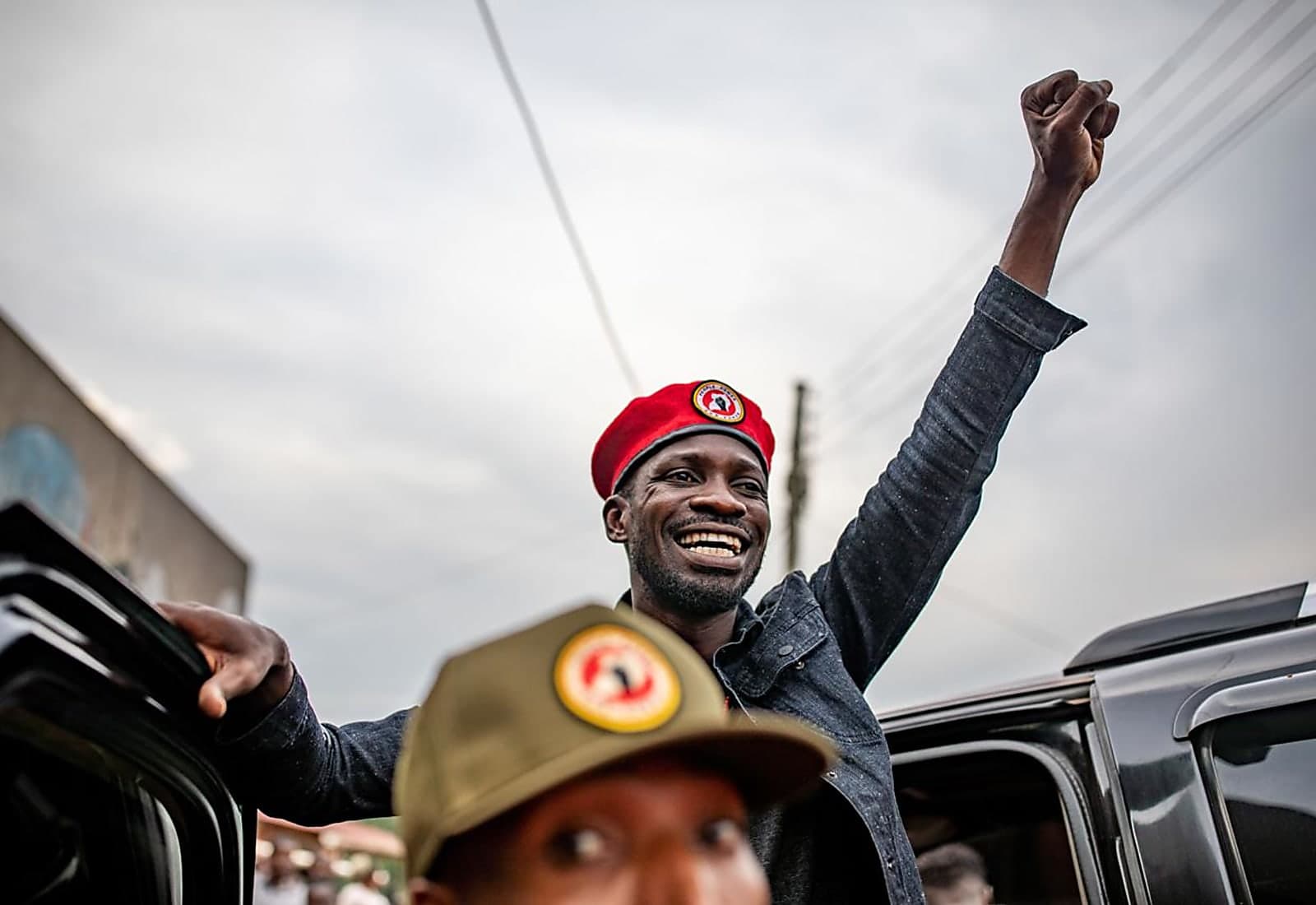
Yoweri Museveni beginning another term in office matters far beyond one inauguration ceremony. It forces a larger question back into view: what happens to a political system when continuity at the top lasts so long that it begins to define the national story more than the electoral contest itself? In Uganda, that question is tied to democracy, youth frustration, opposition pressure and the wider African debate about how long old political structures can absorb demands for change.
Why this story matters
This story matters because leadership longevity is never only about one person staying in office. Over time, it becomes a test of institutions, political openness and public belief in whether change is realistically possible through existing democratic channels. When one leader remains central to national politics for decades, supporters may call it stability, but critics will ask whether the political playing field still allows genuine competition.
Uganda sits at the centre of that argument. Museveni is not an unknown transitional figure. He is one of the continent's most recognisable long-serving leaders. That means every new term is read not just as a domestic event, but as part of a wider conversation about African governance, constitutional limits, opposition freedom and generational change.
It also matters to readers outside Uganda because East African political stability has regional consequences. Uganda is not politically isolated. It matters in trade, diplomacy, refugee policy and security coordination. When its internal political climate tightens, the effects can echo beyond its borders.
This report should be read alongside verified election coverage, official state communication and credible human-rights reporting where available.
Context and background
Museveni first came to power in 1986, and over the years his administration became deeply tied to the story of Uganda's modern political order. Supporters credit him with helping stabilise the country after earlier periods of upheaval and with providing continuity in a region often shaped by volatility. That legacy remains a real part of how his rule is defended.
But longevity changes the standards by which leadership is judged. A leader who once symbolised recovery can later become the symbol of political entrenchment if institutions appear to bend around continued rule. That is why debates about constitutional changes, opposition treatment and political freedom have followed Museveni's later years so closely.
The rise of Bobi Wine intensified that conversation. He did not emerge as a conventional opposition figure from the start. His visibility grew from popular culture into politics, and that gave him unusual appeal among younger Ugandans who felt distant from the old language of establishment power. His support base mattered because it suggested that opposition politics was no longer only a contest among elites. It had become a generational question too.
What happened
The current article focuses on Museveni being sworn in for a seventh term while reports around opposition pressure and Bobi Wine's safety intensified the sense of political tension. Even without overcommitting to every dramatic phrase in early reporting, the significance is clear. The inauguration did not land in a calm environment of broad consensus. It landed in a climate shaped by mistrust, scrutiny and competing interpretations of what continuity now means.
Supporters of the government may see the moment as proof that the state remains stable and the political system remains intact. Critics, by contrast, see a different pattern: a long-serving ruler extending dominance while opposition politics continues to operate under pressure. Those two readings are not minor differences in tone. They reflect two very different ideas about the health of Uganda's democracy.
It is also important to avoid sensational shortcuts. Phrases about opposition figures fleeing or operating under pressure should be handled carefully unless backed by clear verified reporting. The more serious underlying point is that the political environment appears tense enough for questions of safety, freedom and access to remain central to the story.
Why it matters now
It matters now because Uganda's politics is increasingly shaped by a demographic reality its leadership cannot ignore forever: the country is young. That means the distance between long-running political structures and public expectations can become more visible with each cycle. Younger citizens often experience politics differently from older generations. They may be less moved by liberation-era legitimacy and more focused on jobs, cost of living, accountability and whether political renewal feels possible.
That generational pressure does not automatically remove experienced leaders from power. But it changes the emotional landscape around legitimacy. It raises the cost of appearing closed to change, especially when opposition figures gain traction among urban youth and digital communities.
The regional context matters too. Across Africa, debates about term limits, constitutional reform and opposition space continue to shape how people judge state legitimacy. Uganda therefore becomes part of a broader continental mirror. Many observers are not only asking what happens next in Kampala. They are asking what Uganda says about the ability of political systems to renew themselves without crisis.
Deeper analysis
The weak version of this article treated the story mainly as a clash between continuity and opposition drama. The deeper issue is more structural. When political competition happens in an environment where institutions are widely seen as favouring incumbency, every election result becomes larger than the vote count alone. It becomes a referendum on whether democratic procedure and democratic confidence are still moving together.
That is where Bobi Wine's significance matters, even beyond his personal political fate. His appeal represented something many long-governed systems eventually face: younger citizens projecting their frustration, aspiration and impatience onto a figure who appears to challenge an established order. Such figures may not always win power. But they can reveal how much political energy is gathering outside the old consensus.
There is also a governance question here. Systems built around long-serving leaders often become strong in central control but weaker in political flexibility. They can preserve order, but they may struggle to accommodate meaningful renewal without appearing threatened. That tension does not always explode immediately. Sometimes it sits in the background for years while public trust slowly changes shape.
For international observers, this is where the balance between stability and openness becomes difficult. Foreign governments often prefer predictability in strategically important states. Yet predictability achieved through shrinking political space can create different risks over time. Stability without credible pluralism can look strong in the short term while storing pressure underneath.
What happens next
The next phase of Uganda's political story will likely depend on how power, opposition and youth pressure continue interacting. Readers should watch whether public space for opposition voices widens or narrows further, whether economic frustration deepens political impatience and whether the system shows any realistic path for renewal that does not depend entirely on the same long-established centre of power.
Another important question is how the government manages legitimacy among younger citizens. In many countries, political durability depends not just on maintaining institutions, but on persuading new generations that those institutions still belong to them. That becomes harder when the central symbols of power change very little over time.
Regional and international reactions will matter too, though often in quiet ways. Diplomatic language may focus on stability, but investors, multilateral institutions and rights observers also pay attention to signals about openness, institutional credibility and civil liberties.
Final takeaway
Museveni's seventh term matters because it represents more than another inauguration. It symbolises the unresolved contest between continuity and renewal in Uganda's political life. For supporters, the moment reinforces experience and stability. For critics, it highlights the shrinking room for democratic change through ordinary competition.
The most useful way to read this story is not as a one-day political spectacle, but as part of a longer argument about whether old systems can still respond to new public expectations. Uganda's future will be shaped not only by who holds office, but by whether citizens continue to believe that meaningful political change remains possible within the system at all.
No comments yet. Be the first to spark the conversation.