Why this story matters
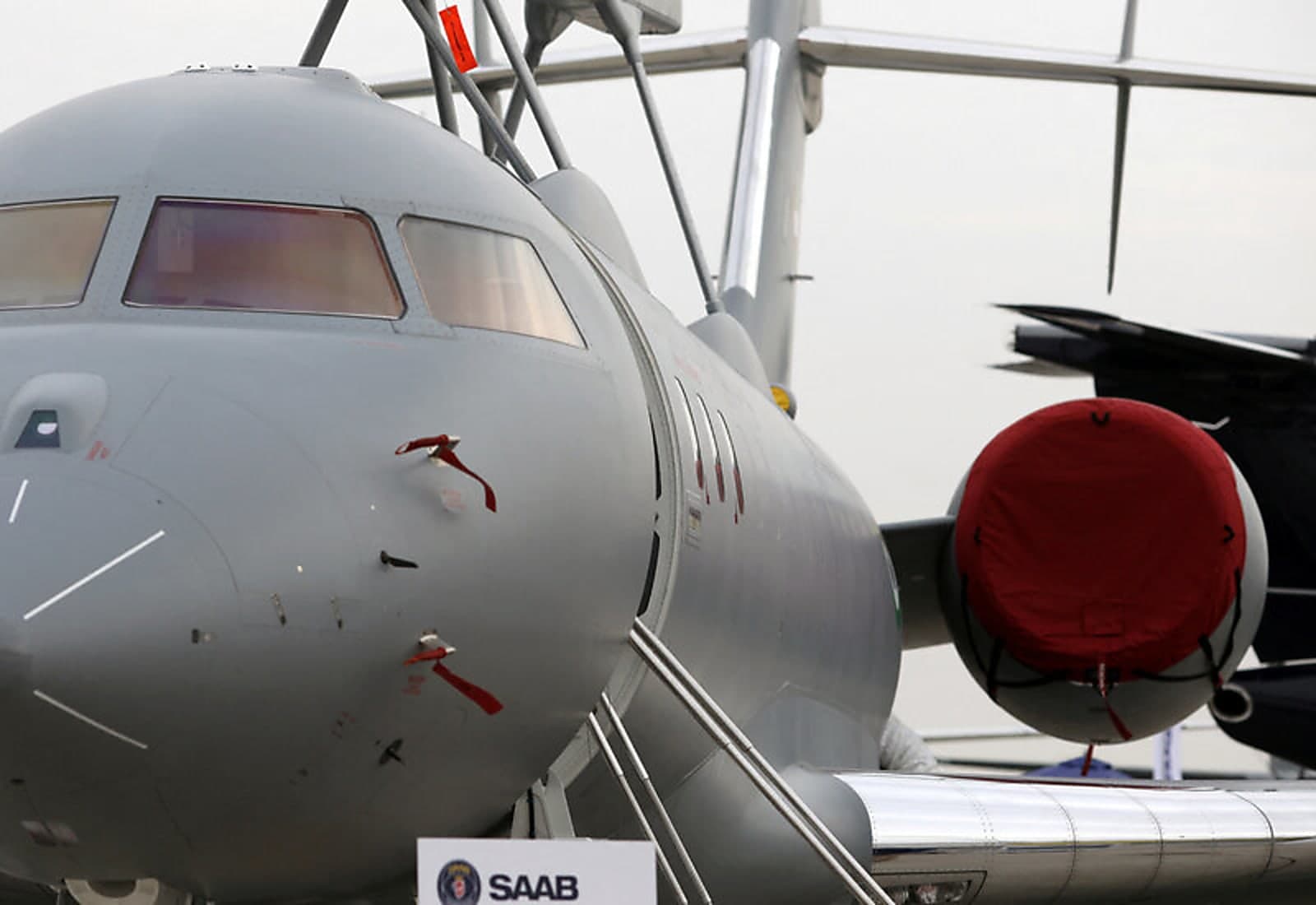
Prime Minister Mark Carney announced on 27 May 2026 that the Royal Canadian Air Force will replace its ageing surveillance fleet with six Swedish‑built Saab aircraft. This is the first time Canada has deliberately bypassed a US supplier for a major airborne‑intelligence platform, signalling a broader desire for procurement independence, cost control and technological partnership. For readers, the relevance is two‑fold: first, the decision could reshape the balance of defence trade within NATO, nudging other allies to reconsider the default reliance on US hardware; second, it offers a concrete example of how a middle‑income nation such as Nigeria might obtain capable, affordable ISR (Intelligence, Surveillance, Reconnaissance) capability by looking beyond the traditional US market. Understanding the drivers behind Canada's choice - lifecycle cost, industrial offsets and Arctic‑specific performance - equips policymakers, defence contractors and informed citizens with a template for smarter, more diversified defence spending.
Context and background
Canada has long been a cornerstone of the NATO supply chain, sourcing the majority of its combat aircraft, missiles and avionics from the United States. Over the past two years, however, Carney's government has repeatedly warned of soaring US defence prices and the strategic risk of over‑reliance on a single partner. In parallel, the Canadian Armed Forces identified a capability gap in high‑latitude surveillance as melting Arctic ice opened new shipping routes and heightened the risk of unauthorised incursions. A competitive tender launched in early 2025 invited both US and European manufacturers to propose a next‑generation ISR platform. Saab's GlobalEye‑type aircraft, derived from the JAS‑39 Gripen family, emerged as the preferred option because of three key factors:
- Cost efficiency - Saab's lifecycle cost estimates are roughly 20 % lower than comparable US models, a claim supported by independent fiscal analyses.
- Interoperability - The aircraft incorporates NATO‑standard data links, ensuring seamless integration with allied networks despite its non‑US origin.
- Industrial offsets - Saab pledged to involve Canadian firms in the production line and to establish a joint research hub in Québec, a political win for domestic industry.
The decision therefore reflects a calculated blend of economic prudence, strategic autonomy and a desire to nurture a home‑grown defence ecosystem.
What happened
The final contract, announced on 27 May, covers six Saab GlobalEye‑type aircraft equipped with a multi‑function radar, electronic‑warfare suite and SIGINT payloads. Valued at CAD 2.3 billion, the deal includes a ten‑year support package, pilot and technician training, and a research partnership with Canadian universities focused on AI‑driven threat detection. While the airframes are built in Sweden, critical components such as the engines and certain avionics will be sourced from US firms, underscoring that the move is selective rather than a wholesale boycott.
Each aircraft offers an operational radius of up to 8 000 km, allowing persistent monitoring of Canada's Arctic and Pacific approaches. The modular design promises reduced maintenance downtime, with parts that can be swapped in a matter of hours rather than days. The procurement also replaces older Boeing C‑17‑derived surveillance assets that were approaching the end of their service lives.
Beyond the hardware, the agreement stipulates that Canadian companies will assemble key subsystems, creating an estimated 500 skilled jobs over the programme's lifespan. The Québec research hub is slated to publish open‑source algorithms for autonomous ISR, a resource that could be shared with African research institutions seeking to bolster disaster‑monitoring capabilities.
Why it matters now
The timing of Canada's pivot aligns with several converging pressures. First, the Arctic is rapidly transitioning from a frozen frontier to a contested maritime zone, prompting NATO allies to demand more robust, high‑latitude ISR coverage. Second, the United States is experiencing its own procurement bottlenecks, with delayed deliveries of next‑generation platforms such as the F‑35 and MQ‑9. By securing a ready‑made, cost‑effective solution from Sweden, Canada sidesteps these delays and demonstrates a pragmatic approach to capability gaps.
For Nigeria, the relevance is immediate. Lagos is grappling with piracy and illegal fishing in the Gulf of Guinea, and its current air‑surveillance fleet is ageing and under‑funded. Observing Canada's use of a European supplier could encourage Nigerian decision‑makers to explore similar offsets, potentially lowering acquisition costs while fostering local industry participation. Moreover, the AI research component of Canada's deal offers a template for how defence‑related data science can be commercialised for civilian applications such as flood monitoring - a pressing concern for many West African states.
Deeper analysis
Strategic diversification within NATO
Canada's move is emblematic of a subtle shift within NATO towards a more pluralistic supply chain. While the alliance remains US‑centric, member states have increasingly voiced concerns about single‑source dependency, especially after recent US export‑control restrictions on advanced technologies. By opting for a Swedish platform that still conforms to NATO data‑link standards, Canada proves that interoperability does not necessitate identical hardware. If other mid‑size allies follow suit, European defence firms could capture a larger slice of the market, prompting a re‑balancing of research‑and‑development funding across the Atlantic.
Economic and industrial implications
The offset clause in the Canadian‑Saab contract is a decisive factor. By guaranteeing Canadian participation in the production line and establishing a Québec‑based AI hub, the deal injects high‑skill jobs into regions that have struggled with the transition from resource‑based to knowledge‑based economies. For the Swedish defence sector, the contract validates the GlobalEye concept as a viable export product beyond the traditional Gripen fighter market, potentially opening doors to other NATO members seeking cost‑effective ISR solutions.
Technological spill‑over
Saab's GlobalEye incorporates a multimode radar capable of tracking low‑observable targets at long range, combined with an advanced electronic‑support‑measures suite. The AI‑driven data‑fusion algorithms promised by the research hub could accelerate the adoption of autonomous ISR across both military and civilian domains. If Canadian universities release open‑source toolkits, African research institutions - many of which already collaborate with European universities - may adapt these tools for maritime domain awareness, disaster response and even climate‑change monitoring.
Implications for Nigeria's aerospace ambitions
Nigeria's current procurement roadmap includes a modest fleet of maritime patrol aircraft, but budgetary constraints have stalled progress. The Canadian example demonstrates the value of evaluating total cost of ownership rather than headline purchase price. Saab's claim of 20 % lower lifecycle costs, coupled with local‑industry participation, could make a compelling case for Lagos to negotiate similar offset arrangements with European manufacturers. Moreover, the AI research model suggests a pathway for Nigeria to co‑develop surveillance software, reducing reliance on costly foreign licences.
Potential risks and mitigation
Transitioning to a new platform is not without challenges. Integration testing with existing NATO exercises may create temporary capability gaps, and the reliance on US‑made engines means Canada remains partially exposed to US export‑control policy shifts. Mitigation will require rigorous joint‑testing programmes and contingency planning, such as maintaining a limited stock of spare US components to ensure operational continuity.
What happens next
The first Saab aircraft are scheduled for delivery in early 2028, followed by a phased induction programme that will see the RCAF reach full operational capability by 2030. In the interim, Canada will conduct joint exercises with NATO partners to validate data‑link integration and refine AI‑driven ISR workflows. Parallel to the hardware rollout, the Québec research hub will publish its inaugural set of algorithms by mid‑2027, inviting collaboration from African universities - an invitation that could materialise through existing partnerships such as the Nigeria's Digital Triangle: What the NITDA‑IDCA Partnership Actually Means for You.
For Nigerian policymakers, the next steps involve commissioning a comparative cost‑benefit analysis of European ISR platforms, engaging with potential offset partners, and exploring joint AI research opportunities that align with national security and civilian disaster‑management priorities.
Final takeaway
Canada's selection of Swedish Saab aircraft over US suppliers marks a deliberate, strategic diversification of defence procurement, driven by cost, technology and industrial policy considerations. The decision reshapes NATO's supply dynamics, strengthens Arctic surveillance, and provides a concrete, replicable model for countries like Nigeria seeking affordable, high‑performance ISR capability without sacrificing domestic industrial growth. Stakeholders should monitor the programme's implementation, the output of the AI research hub, and any ripple effects across the broader defence market.
No comments yet. Be the first to spark the conversation.