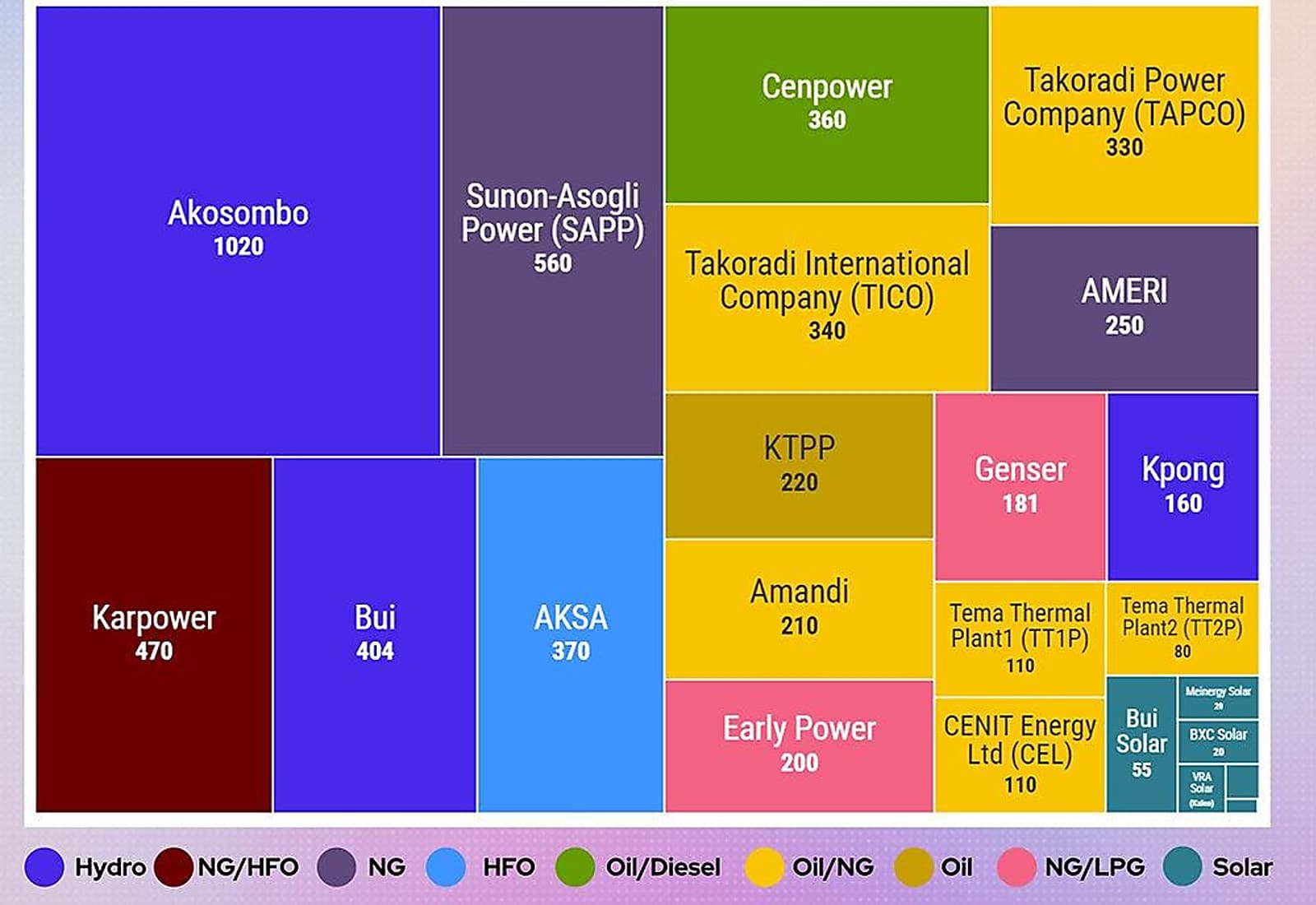
Ghana is moving aggressively to strengthen its energy system after Energy Minister John Jinapor announced plans for a major 1,000-megawatt emergency power initiative aimed at protecting the country from future electricity instability.
The announcement is already attracting attention across West Africa because energy security is becoming one of the region's biggest economic and political challenges.
For Ghana, the move represents more than just electricity generation.
It reflects growing urgency around:
- industrial growth,
- national stability,
- rising energy demand,
- and fears of future power shortages capable of damaging the economy.
And across Africa generally, the conversation feels increasingly familiar.
Countries are now realising that stable electricity is no longer simply infrastructure.
It is national survival.
Why Ghana Is Prioritising Energy Security
Energy security has become politically critical in Ghana because electricity reliability directly affects:
- businesses,
- manufacturing,
- hospitals,
- schools,
- digital infrastructure,
- and daily household life.
Like many African economies, Ghana has faced recurring concerns involving:
- power instability,
- rising fuel costs,
- infrastructure pressure,
- and increasing electricity demand.
Memories of previous power crises, especially the painful "dumsor" era marked by widespread blackouts, still remain emotionally strong for many Ghanaians.
That history explains why government officials are treating energy stability as a strategic national priority.
Nobody wants a return to prolonged electricity disruption.
What the 1,000MW Emergency Power Plan Means
The proposed emergency power programme reportedly aims to provide up to 1,000 megawatts of additional generation capacity to strengthen Ghana's electricity system during periods of pressure.
In simple terms, the government wants extra backup power capable of supporting the national grid if:
- existing supply weakens,
- demand spikes suddenly,
- fuel shortages occur,
- or infrastructure problems emerge.
Emergency power systems are often designed to improve resilience rather than replace long-term infrastructure entirely.
The initiative may involve combinations of:
- gas-powered plants,
- temporary generation systems,
- reserve capacity,
- and expanded energy partnerships.
Why Electricity Is Becoming Africa's Biggest Economic Issue
Across much of Africa, electricity reliability increasingly determines economic potential.
Without stable power, countries struggle to:
- industrialise,
- attract investment,
- expand manufacturing,
- support technology sectors,
- and create jobs consistently.
Businesses facing unstable electricity often spend heavily on:
- generators,
- diesel,
- backup systems,
- and operational workarounds.
These additional costs weaken competitiveness and increase prices for consumers.
This is why governments across the continent are now treating electricity infrastructure as central to economic development itself.
Ghana's Economy Depends on Stable Energy
Ghana's economy relies heavily on sectors requiring dependable electricity including:
- mining,
- telecommunications,
- banking,
- manufacturing,
- digital services,
- and urban commerce.
As urbanisation and technology adoption expand, energy demand continues rising rapidly.
Population growth also increases pressure on national grids every year.
Without expanded generation and stronger infrastructure, countries risk:
- blackouts,
- slowed investment,
- reduced industrial growth,
- and public frustration.
The government therefore wants to prevent future crisis rather than react after shortages become severe.
John Jinapor's Message Was Also Political
Energy announcements in African countries are rarely only technical.
They are deeply political too.
Electricity affects daily life so directly that power shortages often become emotionally linked to:
- governance,
- leadership competence,
- and public trust.
By publicly emphasising energy security, John Jinapor is also signalling that the government recognises how politically sensitive electricity stability has become.
Citizens usually judge governments partly through:
- fuel availability,
- electricity reliability,
- and cost-of-living conditions.
Reliable power therefore becomes both an economic and political necessity.
Why Emergency Power Solutions Sometimes Face Criticism
Despite the optimism surrounding the plan, emergency power projects often attract criticism as well.
Critics sometimes argue temporary or emergency energy solutions can become:
- expensive,
- inefficient,
- politically driven,
- or poorly managed long-term.
Others worry governments may focus too heavily on short-term fixes rather than:
- renewable energy,
- grid modernisation,
- transmission upgrades,
- and sustainable infrastructure investment.
Questions about:
- transparency,
- funding,
- fuel sourcing,
- and project execution
are also likely to emerge as the initiative develops further.
Renewable Energy Pressure Is Growing Too
Another major issue shaping African energy policy is the global transition toward cleaner energy systems.
Governments now face difficult balancing acts involving:
- affordability,
- reliability,
- climate pressure,
- and industrial growth.
Developing countries often argue they cannot industrialise properly without stable energy access first.
At the same time, international institutions increasingly encourage:
- solar investment,
- wind infrastructure,
- hydroelectric expansion,
- and lower carbon emissions.
Ghana's long-term challenge will involve balancing emergency reliability with sustainable future energy planning.
Why Investors Are Watching Closely
Energy stability strongly influences investor confidence.
International companies considering expansion into African markets often examine:
- electricity reliability,
- infrastructure quality,
- transportation systems,
- and operational risk carefully.
Countries with stronger energy systems generally attract:
- manufacturing investment,
- data centres,
- industrial partnerships,
- and technology expansion more easily.
The emergency power initiative therefore sends an important signal to both local and foreign investors that Ghana intends to strengthen infrastructure resilience aggressively.
West Africa's Energy Future Is Becoming More Competitive
The announcement also reflects a wider regional trend.
West African countries increasingly recognise that economic competitiveness may depend heavily on:
- electricity generation,
- energy pricing,
- digital infrastructure,
- and industrial capacity.
Nations capable of building stable energy systems may gain significant advantages in:
- manufacturing,
- technology,
- logistics,
- and regional trade.
This is one reason energy policy is becoming more strategic across the region.
Ordinary Citizens Mainly Want Reliability
Despite technical policy discussions, ordinary citizens usually care about one thing most:
Reliable electricity.
People want:
- lights that stay on,
- businesses that function properly,
- affordable energy bills,
- and fewer disruptions to daily life.
For households and small businesses especially, electricity instability directly affects:
- income,
- education,
- food storage,
- internet access,
- and financial survival.
This is why energy policy becomes emotionally important politically.
What Happens Next
Attention will now focus on:
- how quickly the emergency power programme is implemented,
- where funding comes from,
- whether generation targets are achieved,
- and how effectively the government manages long-term energy planning afterward.
Analysts will also closely monitor:
- fuel supply arrangements,
- grid capacity,
- and possible private-sector involvement.
Final Analysis
Ghana's proposed 1,000MW emergency power initiative reflects a larger African reality.
Electricity is no longer simply infrastructure.
It is economic security, political stability, and national competitiveness combined.
The success or failure of energy policy increasingly shapes:
- investment,
- jobs,
- industrial growth,
- and public trust itself.
And in a continent where millions still struggle with unreliable power daily, governments are beginning to understand something very clearly.
The future belongs to countries that can keep the lights on consistently.
No comments yet. Be the first to spark the conversation.