Live radio thrives on chaos.
That unpredictability is part of what makes it entertaining.
But sometimes the microphones may technically be off while the drama somehow still finds its way on air anyway.
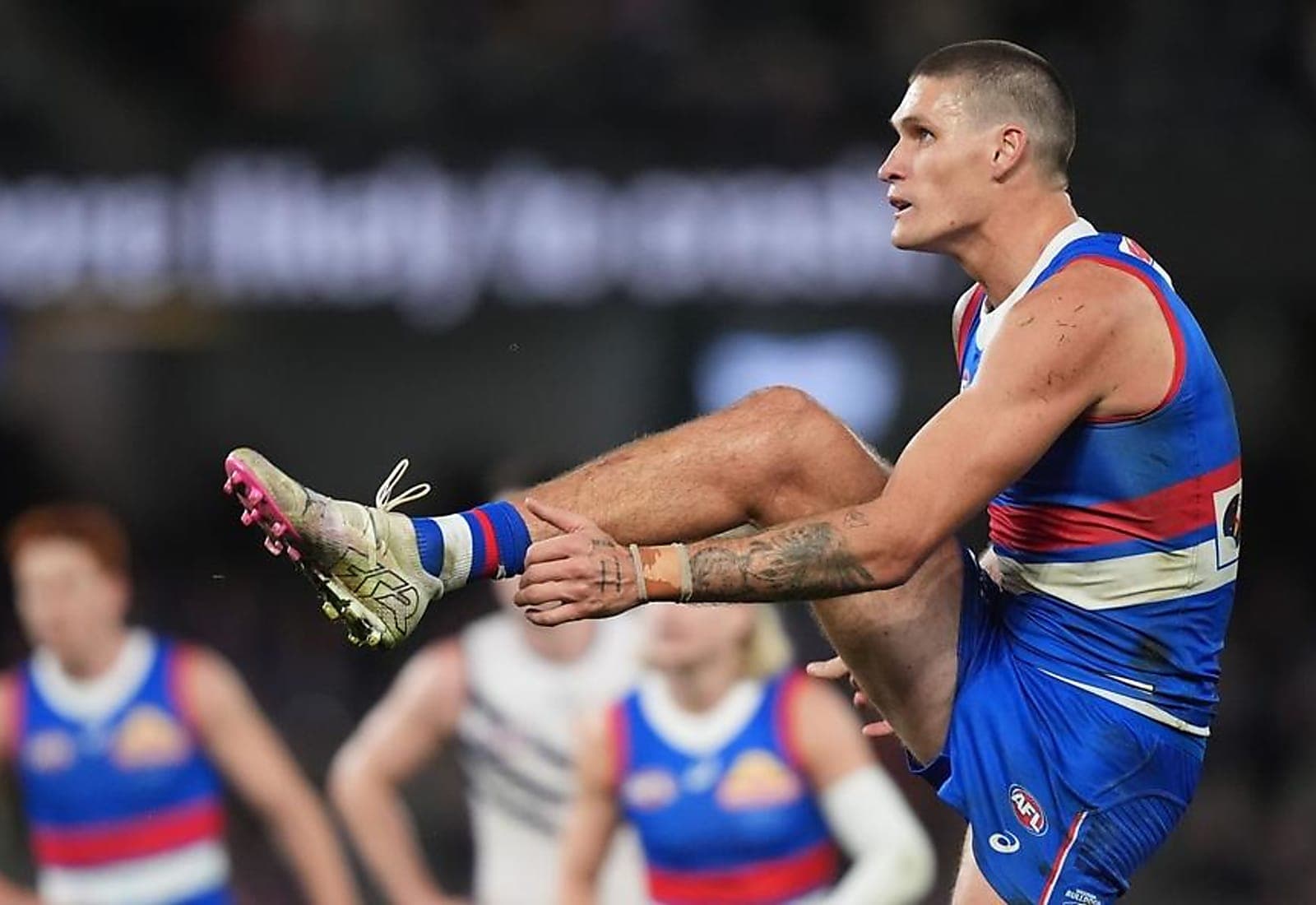
That was exactly what happened when Australian radio personality Lauren Phillips became the centre of a viral sports-media moment after reportedly making an X-rated insult about AFL star Rory Lobb off air, only for her co-hosts to expose the comment publicly moments later.
What followed was equal parts:
- awkward,
- hilarious,
- uncomfortable,
- and strangely human.
Because suddenly, Phillips found herself needing to explain the insult directly to Rory Lobb himself while listeners enjoyed every second of the unfolding radio chaos.
The moment quickly exploded online, adding another chapter to the increasingly blurred line between:
- sports,
- entertainment,
- celebrity culture,
- and live-media unpredictability.
How the Awkward Moment Happened
The controversy reportedly unfolded during a live radio segment when Lauren Phillips believed she was speaking privately off air about AFL player Rory Lobb.
According to Australian media reports, Phillips used an X-rated insult directed toward the Western Bulldogs star during off-air conversation. (news.com.au)
Unfortunately for her, the comment did not stay private for long.
Her radio co-stars immediately brought attention to the remark live on air, forcing Phillips into an uncomfortable situation where she suddenly had to explain herself directly while Lobb was involved in the conversation. (news.com.au)
The exchange instantly created the kind of unscripted entertainment modern radio and social media audiences love.
Why These Moments Spread So Quickly Online
Part of the reason the incident went viral is because audiences increasingly crave unscripted human moments.
Modern media often feels:
- polished,
- rehearsed,
- managed,
- and heavily controlled.
When genuine awkwardness breaks through live broadcasting, people react strongly because it feels emotionally authentic.
Listeners enjoy seeing celebrities and media personalities momentarily lose control of carefully managed public personas.
That unpredictability creates:
- humour,
- tension,
- embarrassment,
- and relatability simultaneously.
In the age of TikTok and viral clips, these moments spread incredibly fast.
AFL and Australian Radio Culture Are Closely Connected
The story also highlights the unusually strong relationship between AFL culture and Australian radio entertainment.
In Australia, sports coverage often blends naturally with:
- comedy,
- banter,
- celebrity culture,
- and personality-driven broadcasting.
Athletes regularly appear on radio shows not only as sports figures, but also as entertainment personalities expected to participate in playful conversation and public teasing.
That culture creates chemistry audiences enjoy, but it also increases the risk of uncomfortable moments crossing into public controversy quickly.
Rory Lobb's Public Image Adds Another Layer
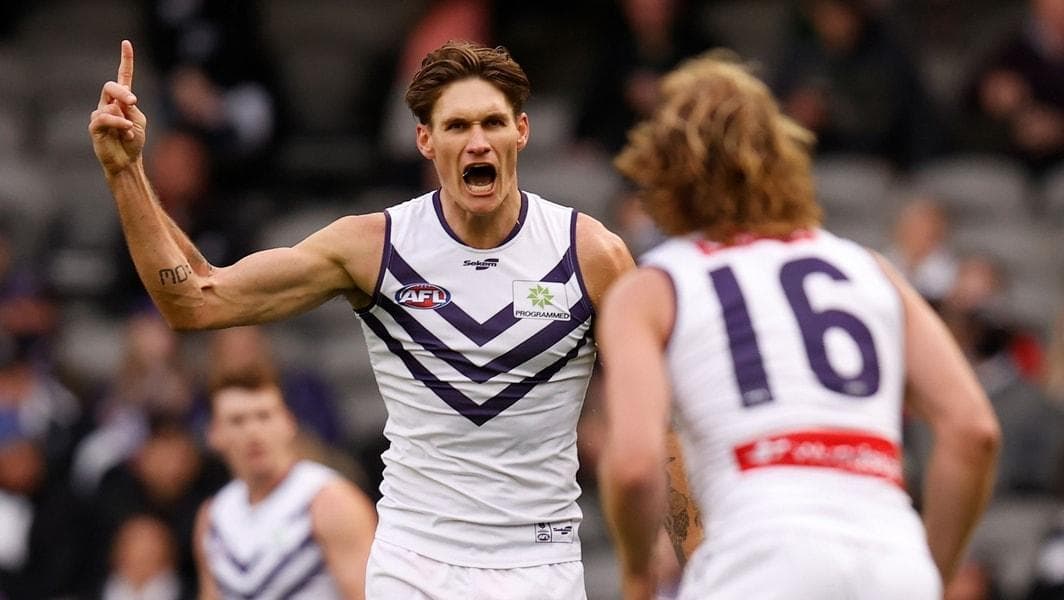
Rory Lobb himself is no stranger to public attention.
The AFL player has remained a visible figure in Australian football because of:
- high-profile transfers,
- strong on-field performances,
- and regular media attention.
As a result, comments involving him naturally attract stronger online reaction.
Athletes today increasingly exist inside celebrity culture as much as sports culture.
Fans discuss:
- personality,
- relationships,
- interviews,
- fashion,
- and viral moments
almost as much as actual performances.
This makes seemingly small media incidents grow rapidly into national entertainment stories.
The Internet Loves Public Embarrassment
Another reason the story exploded is because modern internet culture thrives heavily on second-hand embarrassment.
Audiences love moments where:
- someone gets caught unexpectedly,
- private comments become public,
- or awkward social tension unfolds live.
These situations create emotional suspense without serious danger, making them perfect for viral entertainment.
People watching online could instantly imagine themselves in Phillips' position, which made the moment feel even more relatable.
Why Live Radio Remains So Powerful
Interestingly, incidents like this also remind people why live radio still matters despite the dominance of podcasts and social media.
Live broadcasting creates genuine unpredictability.
Unlike edited digital content, radio mistakes and awkward moments unfold in real time.
That rawness creates emotional energy impossible to fully script.
The Phillips-Lobb exchange worked partly because listeners could hear:
- surprise,
- panic,
- laughter,
- and discomfort
happening naturally.
Audiences instinctively recognise authentic reactions.
Sports Media Is Becoming Entertainment First
The incident also reflects how modern sports media increasingly prioritises entertainment as much as analysis.
Today, sports coverage often revolves around:
- viral moments,
- personality clashes,
- podcast drama,
- social media clips,
- and celebrity interaction.
Athletes themselves now operate partly as:
- performers,
- influencers,
- and entertainment figures.
This shift means off-field moments sometimes generate more attention than actual sporting results.
Why Fans Reacted With Humour Instead of Outrage
One interesting aspect of the reaction was that many people treated the moment as comedic rather than scandalous.
Partly, this reflects changing audience expectations around casual media culture.
Modern listeners are used to:
- banter,
- sarcasm,
- unfiltered conversation,
- and personality-driven humour.
As long as comments do not cross serious ethical lines, audiences often prefer authenticity over corporate politeness.
The awkwardness itself became the entertainment.
Media Personalities Face Constant Pressure Now
The situation also highlights how difficult live media environments have become for broadcasters.
In today's digital world, almost every comment can potentially become:
- clipped,
- reposted,
- memed,
- or analysed online within minutes.
There is increasingly little distinction between:
- private conversation,
- broadcast content,
- and viral internet culture.
Media personalities therefore operate under near-constant public exposure even during supposedly casual moments.
Why These Stories Keep Going Viral
Ultimately, stories like this spread because they combine several things modern audiences enjoy simultaneously:
- celebrity,
- humour,
- sports,
- awkwardness,
- authenticity,
- and social tension.
The moment felt spontaneous in a media environment where many interactions feel manufactured.
That authenticity made it irresistible online.
Final Analysis
Lauren Phillips' awkward exchange involving Rory Lobb became viral not because it was deeply scandalous, but because it captured something modern audiences constantly crave.
A real human moment.
In an era dominated by carefully managed branding and polished media personalities, unscripted embarrassment often becomes strangely entertaining.
And for one uncomfortable radio segment, listeners got exactly that:
- confusion,
- panic,
- humour,
- and honesty unfolding live in real time.
Which, in many ways, is exactly why people still love live radio.
No comments yet. Be the first to spark the conversation.