Few artists in modern music possess the kind of global cultural reach capable of turning an entire city into a concert venue.
But Shakira just did exactly that.
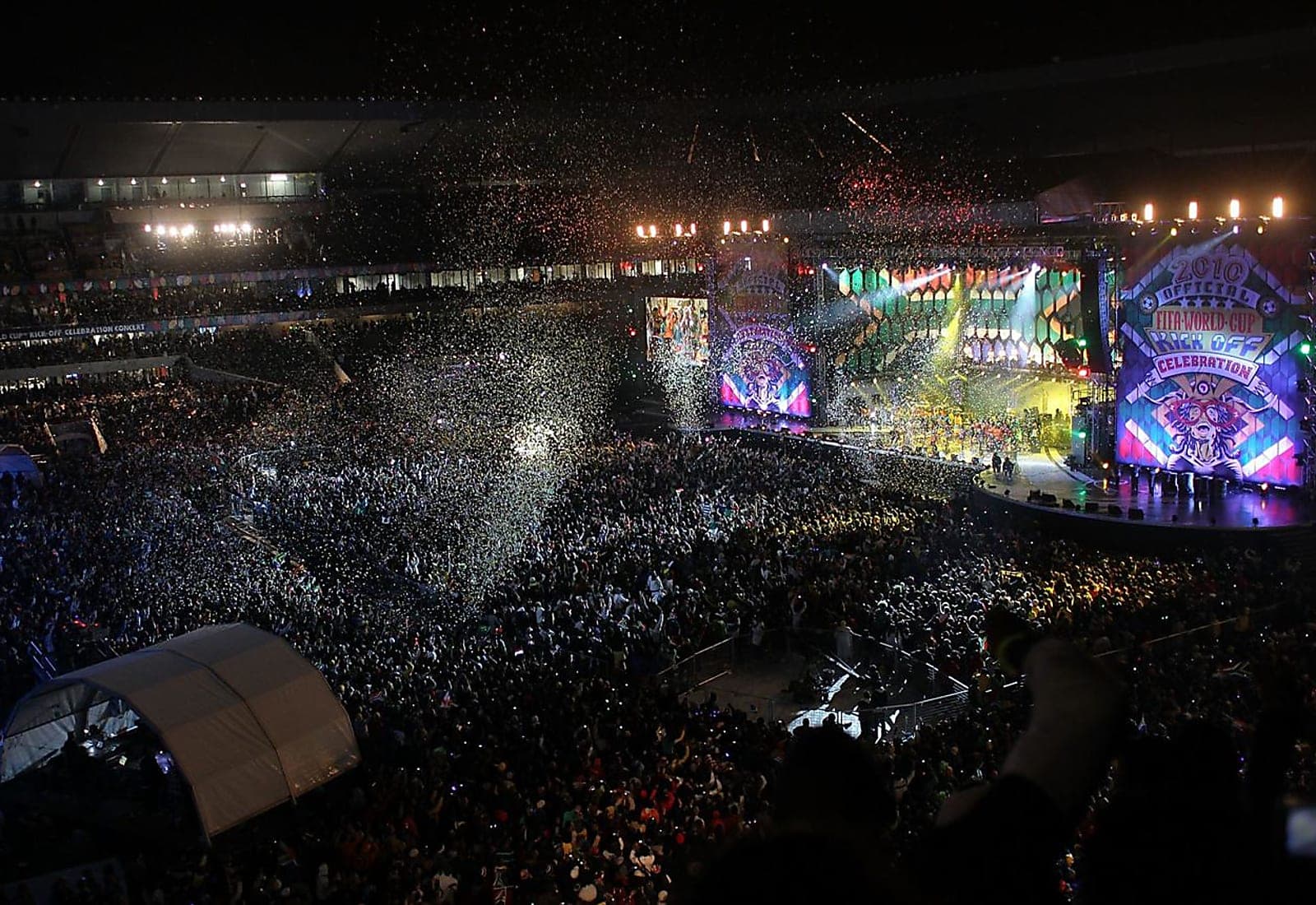
An estimated two million people reportedly gathered along Brazil's famous Copacabana Beach for what has quickly become one of the most extraordinary live music events in recent entertainment history.
The scale of the concert felt almost unreal.
From aerial images showing endless crowds stretching across the coastline to emotional fan reactions flooding social media, the event looked less like an ordinary concert and more like a global cultural moment unfolding in real time.
For many fans, it was not simply about music.
It became:
- a celebration,
- a spectacle,
- a tourism phenomenon,
- and a reminder of how powerful live entertainment can still feel in the digital era.
Why Copacabana Was the Perfect Stage
Copacabana Beach is already one of the world's most iconic public spaces.
Located in Rio de Janeiro, the beach has long represented:
- Brazilian nightlife,
- celebration,
- music culture,
- tourism,
- and massive public gatherings.
But hosting a concert of this scale transformed the location into something even bigger.
The beach itself became part of the performance.
Unlike enclosed stadium shows, Copacabana offered:
- open skies,
- ocean atmosphere,
- city lights,
- and enormous crowd energy
that created a uniquely cinematic experience.
The setting amplified the emotional scale of the night dramatically.
Shakira's Global Influence Made the Crowd Possible
Very few artists today could realistically attract millions to a public performance.
Shakira's ability to do so reflects decades of global influence across:
- Latin music,
- pop culture,
- dance,
- television,
- fashion,
- and international entertainment.
For more than two decades, she remained one of the world's most recognisable music stars, crossing language and cultural barriers in ways few artists achieve successfully.
Her catalogue includes songs that became cultural landmarks across multiple generations.
Fans from:
- Latin America,
- Europe,
- Africa,
- North America,
- and Asia
have followed her career for years.
That worldwide connection helped transform the Copacabana concert into a truly international event rather than simply a local performance.
The Power of Free Public Concerts
Part of what made the event so historic was accessibility.
Massive free public concerts create a completely different atmosphere from expensive arena or stadium tours.
People from different:
- economic backgrounds,
- neighbourhoods,
- generations,
- and countries
can participate together in the same experience.
That openness changes the emotional energy entirely.
Public concerts of this scale often become less about celebrity and more about collective atmosphere.
For many attendees, simply being present inside a crowd of millions became part of the experience itself.
Social Media Turned the Concert Into a Global Event
Although only a fraction of the world attended physically, social media expanded the concert's reach instantly.
Videos showing:
- endless crowd shots,
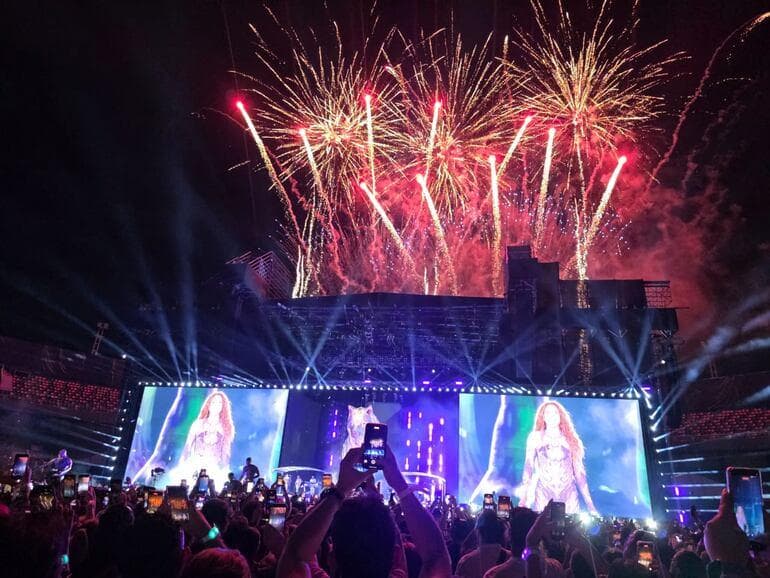
- fireworks,
- emotional fan reactions,
- and aerial beach footage
spread rapidly online.
The event quickly dominated:
- TikTok,
- Instagram,
- X,
- YouTube,
- and entertainment news platforms globally.
This is one reason mega-concerts now feel culturally larger than previous generations.
Modern concerts no longer exist only for people physically present.
They become digital spectacles consumed globally in real time.
The Copacabana show therefore functioned simultaneously as:
- a live concert,
- a tourism advertisement,
- a social media phenomenon,
- and a global entertainment event.
Brazil's Music Culture Helped Shape the Atmosphere
Brazil's deep relationship with public celebration also contributed heavily to the concert's emotional atmosphere.
The country is internationally known for:
- carnival culture,
- street celebration,
- music festivals,
- football gatherings,
- and large-scale public energy.
Crowd participation in Brazil often feels uniquely emotional and immersive compared to many other parts of the world.
That atmosphere helped transform the concert from a performance into a citywide cultural experience.
Observers described:
- singing,
- dancing,
- chanting,
- and emotional reactions
stretching far beyond the immediate concert stage area.
The Logistics Were Almost as Impressive as the Music
Hosting millions of people safely inside one public event requires enormous logistical coordination.
Authorities reportedly had to manage:
- crowd control,
- security,
- transportation,
- medical response,
- traffic flow,
- emergency planning,
- and beach infrastructure.
Events of this scale effectively become temporary cities operating for one night.
Large public gatherings also raise concerns involving:
- safety,
- overcrowding,
- weather conditions,
- and emergency response capability.
The successful execution of the concert therefore reflected not only entertainment planning, but also massive operational coordination.
Why Mega-Concerts Are Becoming Cultural Statements
Modern mega-concerts increasingly function as symbols of cultural influence rather than ordinary performances.
Artists capable of attracting millions publicly demonstrate a level of emotional connection far beyond streaming numbers alone.
The Copacabana concert highlighted how music still possesses extraordinary power to:
- unite strangers,
- create collective memory,
- and produce moments people remember for years.
In an era dominated by algorithms, short attention spans, and digital isolation, large live experiences feel emotionally significant in new ways.
Latin Music's Global Dominance Continues Growing
The concert also reflects the growing global power of Latin music itself.
Over the last decade, Latin artists increasingly reshaped:
- global charts,
- streaming platforms,
- dance culture,
- and international music trends.
Artists performing primarily in Spanish now regularly dominate worldwide entertainment markets without needing to fully adapt into English-language pop structures.
That cultural shift represents one of the biggest transformations in modern global entertainment.
Shakira helped build that bridge long before the current Latin music explosion reached full global dominance.
Why the Concert Felt Historic
Many concerts become popular.
Very few become symbolic.
The Copacabana performance felt historic because it combined:
- enormous scale,
- emotional atmosphere,
- global visibility,
- cultural influence,
- and public accessibility simultaneously.
For millions watching online, the event became proof that live music can still create moments large enough to feel almost mythological.
Final Analysis
Shakira's Copacabana concert was not simply another stop on a tour.
It became one of the clearest reminders of music's ability to transform public space into shared emotional experience on a massive scale.
Two million people gathering on one beach for one artist may sound impossible on paper.
But for one night in Rio de Janeiro, it became reality.
And in the process, the concert entered global entertainment history.
No comments yet. Be the first to spark the conversation.