Introduction
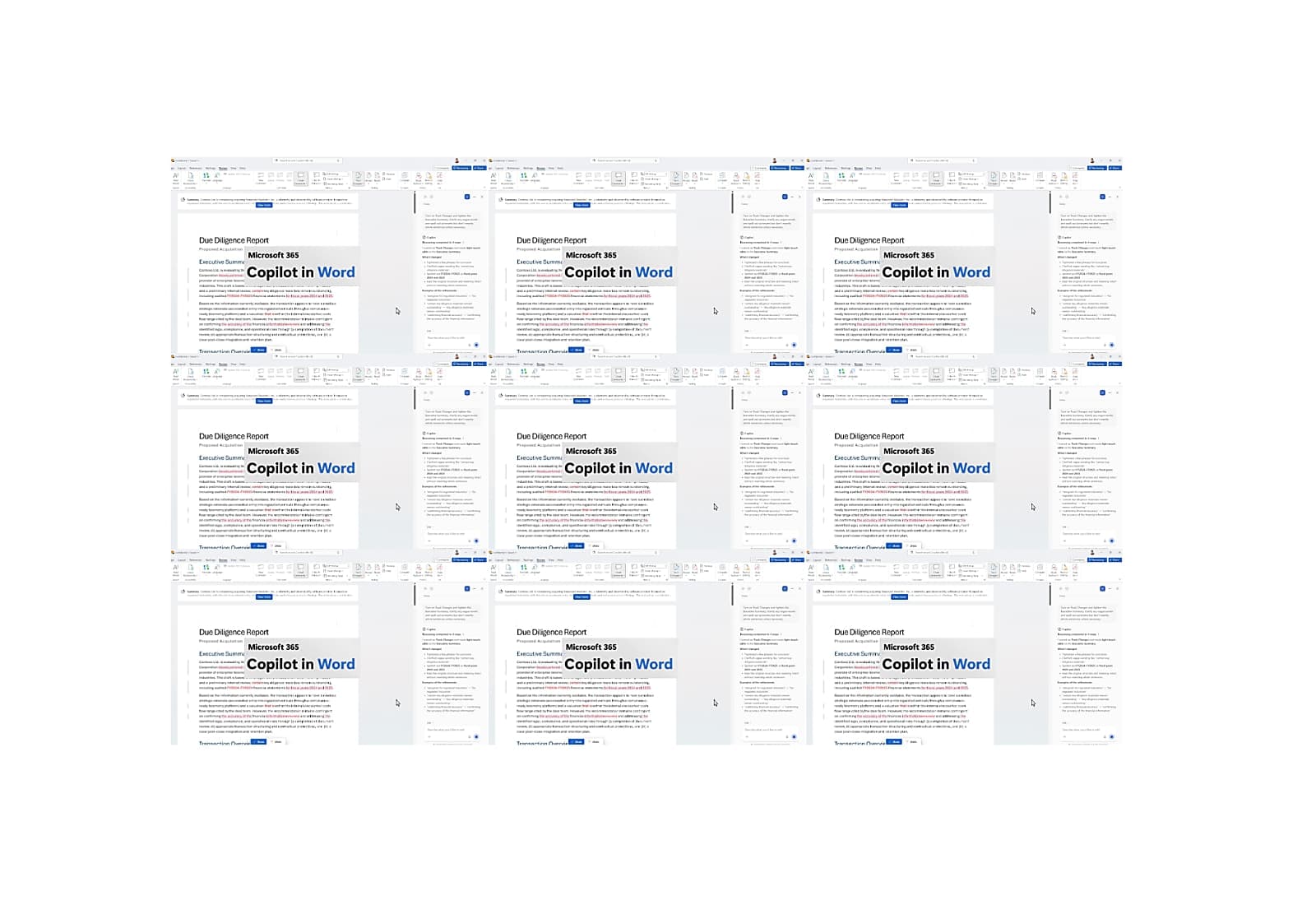
The launch of Microsoft's legal‑focused Copilot is more than a product update; it is a clear indicator that the AI race is moving from broad, headline‑grabbing claims to specialised, workflow‑embedded solutions. For professionals in Nigeria - from law firms navigating cross‑border transactions to regulators overseeing complex compliance regimes - the shift matters because it tests whether artificial intelligence can earn trust in environments where confidentiality, accuracy and auditability are non‑negotiable. This article unpacks the strategic significance of Microsoft's move, examines the broader trend toward vertical AI, and outlines what Nigerian stakeholders should watch as the technology moves from pilot to practice.
Executive summary
- Microsoft is adding legal‑specific capabilities to Copilot, aiming to embed AI directly into lawyers' daily workflows.
- The development reflects a wider industry pivot toward vertical AI solutions tailored for regulated professions.
- Trust, governance and auditability are positioned as the primary hurdles for adoption in high‑stakes sectors.
- Nigerian law firms and related professional services stand to gain efficiency gains, but must navigate data‑privacy and regulatory scrutiny.
- The next phase will be defined by real‑world integration, bar‑association guidance and the ability of firms to establish robust oversight frameworks.
Table of contents
- Why this story matters
- Context and background
- What happened
- Key facts readers should know
- Why this matters for Nigeria
- Wider African and global context
- Expert insight and practical implications
- What readers should watch next
- Frequently asked questions
- Conclusion
Why this story matters
Legal practice is a litmus test for the maturity of enterprise AI. Lawyers routinely handle confidential client files, draft contracts that bind multi‑billion‑dollar deals, and interpret evolving statutes where a single mis‑phrased clause can trigger costly litigation. In such an environment, an AI tool must do more than generate plausible text; it must respect document hierarchies, maintain immutable audit trails and integrate with existing review processes. Microsoft's decision to sharpen Copilot for these exact needs signals that the AI market is no longer content with being a "smart assistant" for generic tasks. Instead, vendors are now competing to become the trusted engine behind professional decision‑making.
For readers in Nigeria, the relevance extends beyond the courtroom. The legal sector's adoption patterns often foreshadow how other regulated industries - banking, health‑care, public administration and compliance‑heavy enterprises - will approach AI. If AI can demonstrate reliability in a field where error tolerance is minimal, the same confidence can be transferred to other high‑impact domains.
Context and background
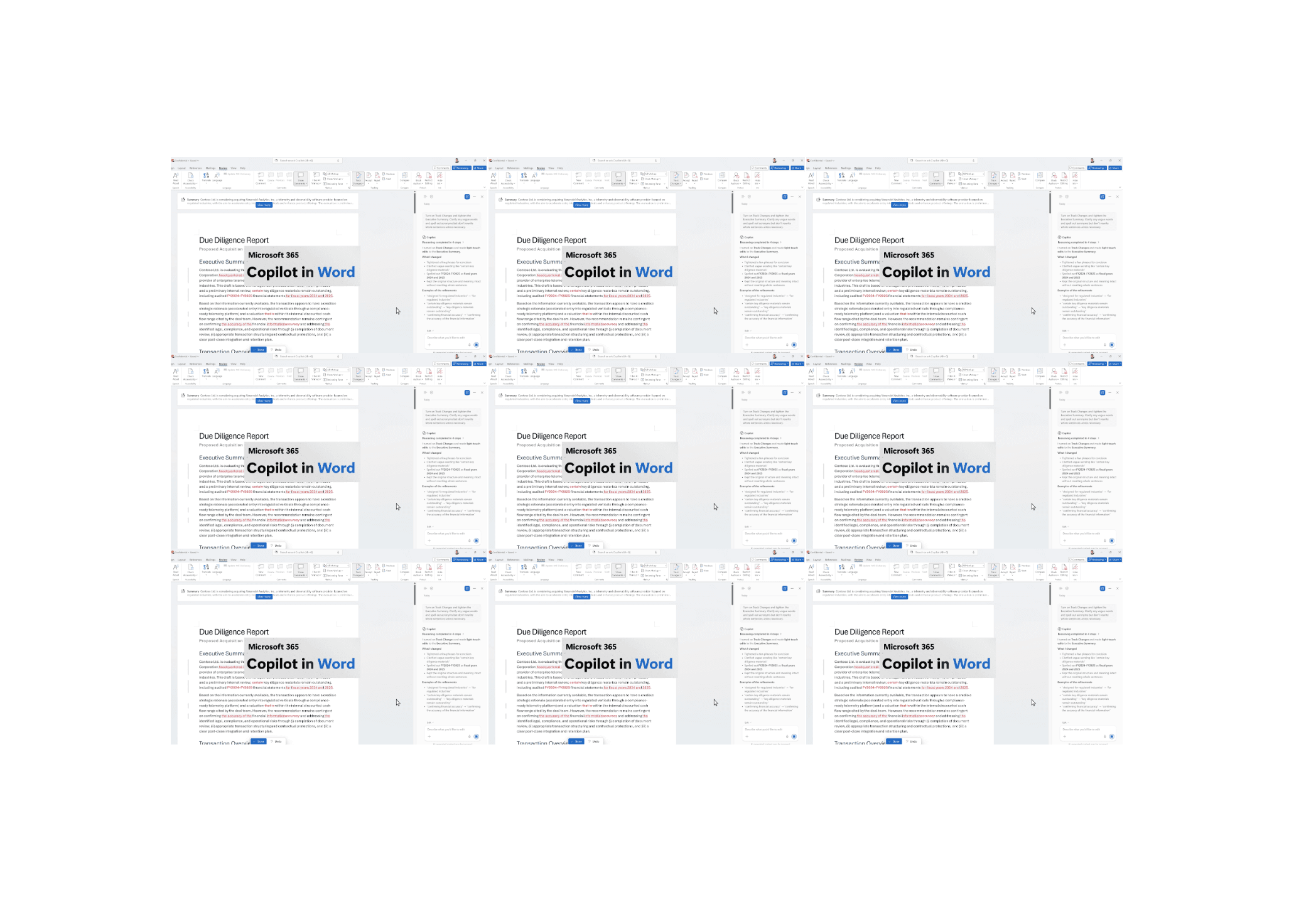
The concept of "vertical AI" has been gaining traction across the technology landscape. Early generative‑AI models were celebrated for their breadth: they could write poetry, answer trivia, and summarise meetings. However, breadth alone does not translate into durable professional trust. Enterprises require tools that understand the nuances of their specific workflows, respect industry‑mandated data‑handling rules and can be audited for compliance purposes.
Artificial Lawyer's recent report places Microsoft's legal Copilot within this broader shift. The report notes that software providers are increasingly building specialised layers on top of large language models, tailoring prompts, retrieval mechanisms and output formats to the conventions of a given profession. In law, this means recognising citation standards, preserving precedent hierarchies and flagging potential conflicts of interest automatically. By embedding these capabilities, Microsoft hopes to move Copilot from a peripheral helper to a core component of the legal knowledge‑management stack.
What happened
According to Artificial Lawyer, Microsoft announced a suite of legal‑focused Copilot features designed to align with the day‑to‑day tasks of lawyers. The enhancements include more precise drafting assistance, context‑aware research retrieval, and summarisation tools that respect the structure of legal briefs and contracts. While the announcement did not disclose exhaustive technical details, the strategic message is clear: Microsoft intends Copilot to be a "trusted partner" for professional legal work, not merely a consumer‑grade chatbot repurposed for office use.
The rollout is part of a commercial logic that emphasises measurable, role‑specific value. Vendors are now expected to demonstrate how AI can reduce the time spent on repetitive document work, improve research accuracy, and ultimately lower billable hours without compromising professional standards. Microsoft's legal Copilot is positioned as a response to that demand, promising tighter integration with Microsoft 365, Azure security controls and the broader Microsoft compliance ecosystem.
Key facts readers should know
- Specialised capabilities: The new Copilot features are engineered to understand legal terminology, citation formats and document hierarchies.
- Workflow integration: Copilot is designed to sit inside the existing Microsoft 365 suite, allowing lawyers to invoke AI assistance without leaving familiar applications.
- Compliance focus: Microsoft highlights Azure's security and data‑privacy controls as a foundation for handling confidential client information.
- Strategic positioning: The move marks Microsoft's shift from generic productivity AI to industry‑specific solutions, a trend echoed across other enterprise vendors.
- Source of information: All details are drawn from Artificial Lawyer's reporting on the April 2026 announcement.
Why this matters for Nigeria
Nigeria's legal market is undergoing rapid transformation. The rise of fintech, the proliferation of cross‑border trade agreements and the increasing complexity of data‑protection regulations are stretching the capacity of traditional law‑practice models. In this context, AI tools that can automate routine drafting, accelerate statutory research and maintain rigorous audit trails could provide a competitive edge.
However, the Nigerian environment also presents unique challenges. Data‑privacy legislation, such as the Nigeria Data Protection Regulation (NDPR), imposes strict obligations on how client information is stored and processed. Moreover, the Nigerian Bar Association (NBA) has yet to issue comprehensive guidance on AI‑assisted legal work. Firms that consider adopting Copilot will need to:
- Assess data residency - Ensure that any AI processing complies with local data‑storage requirements.
- Implement review protocols - Establish clear human‑in‑the‑loop procedures to verify AI‑generated content before client delivery.
- Engage regulators - Monitor NBA statements and potential future regulations that could shape permissible AI use.
- Invest in training - Equip lawyers with the skills to prompt AI effectively and to interpret its outputs critically.
By addressing these considerations, Nigerian law firms can harness the efficiency gains promised by Copilot while safeguarding professional responsibility and client confidentiality.
Wider African and global context
Across Africa, the appetite for AI‑driven legal tech is growing, albeit at a measured pace. South Africa's major law firms have begun experimenting with AI‑enhanced contract analysis, while Kenya's fintech sector is exploring AI for regulatory compliance. Microsoft's global push for vertical AI suggests that similar offerings will soon be localised for other African jurisdictions, potentially accelerating adoption continent‑wide.
Globally, the trend mirrors developments in finance, health‑care and public‑sector procurement, where AI is being embedded into risk‑managed workflows. Companies such as Bloomberg, IBM and Google have introduced industry‑specific AI modules that focus on data security, auditability and domain‑specific accuracy. Microsoft's legal Copilot therefore fits into a broader ecosystem where AI is no longer a peripheral add‑on but a core component of regulated service delivery.
Expert insight and practical implications
Legal scholars and technology ethicists caution that the promise of AI must be balanced with robust governance. The following practical implications emerge for Nigerian practitioners:
- Risk mitigation through layered review - AI should be treated as a research assistant rather than an autonomous drafter. Human lawyers must retain final authority, especially for high‑value contracts or litigation‑critical documents.
- Auditability and version control - Firms should integrate Copilot outputs with existing document‑management systems that capture change logs, ensuring that every AI‑generated suggestion can be traced back to its source.
- Data‑privacy safeguards - Leveraging Microsoft's Azure compliance certifications can help meet NDPR standards, but firms must still conduct due diligence on data‑transfer clauses and encryption practices.
- Cost‑benefit analysis - While AI can reduce time spent on routine tasks, firms should evaluate licensing costs against projected efficiency gains, considering the learning curve associated with new tooling.
- Competitive positioning - Early adopters that master AI‑enabled workflows may differentiate themselves through faster turnaround times and more transparent billing, potentially attracting multinational clients who expect cutting‑edge technology.
Industry experts also note that the success of legal AI will hinge on the quality of the underlying data. Firms that invest in clean, well‑structured knowledge bases - such as precedent libraries and regulatory repositories - will enable Copilot to deliver more accurate and context‑aware suggestions.
What readers should watch next
The trajectory of Microsoft's legal Copilot will be defined by three observable factors:
- Adoption rates within law firms - Track announcements of pilot programmes, especially among large Nigerian firms handling international transactions.
- Regulatory responses - Monitor statements from the NBA, the Federal Ministry of Justice and data‑protection authorities regarding AI‑assisted legal practice.
- Product evolution - Look for updates that expand Copilot's capabilities, such as deeper integration with case‑management platforms or enhanced citation‑checking modules.
For Nigerian readers, the practical question is not whether AI will arrive, but how quickly the profession can develop the governance frameworks needed to use it responsibly. Keeping an eye on bar‑association guidance, participating in industry workshops and engaging with technology vendors early will help firms stay ahead of the curve.
Frequently asked questions
What specific tasks can Microsoft's legal Copilot assist with?
Copilot is designed to help with drafting clauses, summarising lengthy contracts, retrieving relevant case law, and generating quick research overviews. It operates within Microsoft 365 applications, allowing lawyers to invoke assistance without switching tools.
Is client data stored outside Nigeria when using Copilot?
Microsoft states that its Azure platform offers data‑residency options and complies with international security standards. Firms should verify the specific data‑location settings applied to their tenancy to ensure alignment with NDPR requirements.
How does Copilot handle confidentiality and privilege?
The service leverages Microsoft's enterprise‑grade encryption and access‑control mechanisms. Nonetheless, organisations are advised to configure strict permission policies and to treat AI‑generated content as draft material pending human review.
Will using Copilot reduce the need for junior lawyers?
AI can automate repetitive drafting and research, potentially reshaping junior‑lawyer roles toward higher‑value analytical work. However, professional judgement and client interaction remain core responsibilities that AI does not replace.
What governance steps should a firm implement before deployment?
Key steps include establishing a human‑in‑the‑loop review process, documenting AI usage policies, training staff on prompt engineering, and conducting regular audits of AI‑generated outputs for accuracy and bias.
Are there any regulatory prohibitions on AI‑assisted legal work in Nigeria?
As of now, the NBA has not issued explicit prohibitions, but it encourages adherence to professional ethics, confidentiality and competence standards. Firms should stay updated on any forthcoming guidance.
How does Copilot differ from other legal AI tools on the market?
Microsoft's offering is tightly integrated with its broader productivity suite and Azure security stack, whereas some competitors operate as standalone platforms. The integration can simplify workflow adoption for organisations already using Microsoft 365.
What are the cost considerations for a Nigerian law firm?
Licensing fees are based on Microsoft's enterprise subscription models. Firms should compare these costs against projected time savings, taking into account the need for training and potential consultancy services for implementation.
Conclusion
Microsoft's legal‑focused Copilot launch marks a decisive step in the evolution of enterprise AI from generic assistants to role‑specific, trust‑oriented partners. By targeting the rigorous demands of legal practice, Microsoft is testing whether AI can meet the high standards of confidentiality, accuracy and auditability that regulated professions require. For Nigeria, the development offers both an opportunity to boost efficiency in a rapidly complexifying legal market and a challenge to build the governance structures necessary for responsible adoption. As firms experiment with AI‑enhanced drafting, research and document management, the ultimate measure of success will be the ability to combine technological speed with unwavering professional judgement. The coming months will reveal whether Copilot becomes a trusted fixture in Nigerian law offices or remains a promising prototype awaiting robust oversight.
Technology stories such as Microsoft?s Legal Copilot Push Signals the Next Serious Phase of Enterprise AI become more useful when readers look past the announcement and focus on adoption, regulation, access, and the practical barriers that determine who actually benefits.
That perspective matters in Nigeria, where the promise of innovation often depends on infrastructure, affordability, skills, and trust. The next stage of implementation will say more than the initial excitement.
A more durable reading of Microsoft?s Legal Copilot Push Signals the Next Serious Phase of Enterprise AI also depends on watching what happens after the first burst of attention. Follow-up reporting, institutional response, and longer-term consequences are usually what distinguish a passing headline from a development with real meaning for readers, markets, public policy, or culture. That extra layer of context is where authority journalism becomes most useful.
No comments yet. Be the first to spark the conversation.