Why this story matters
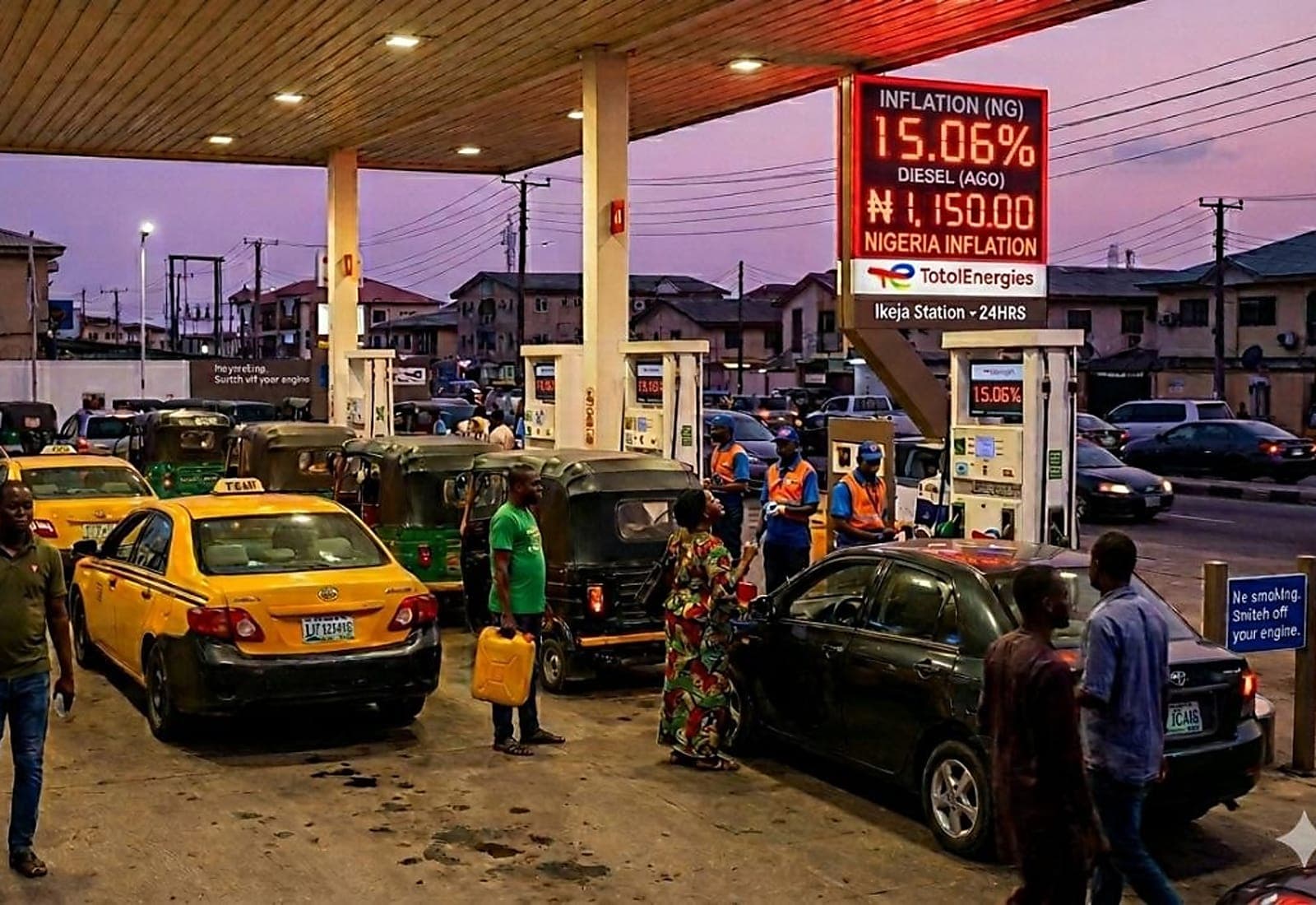
A modest dip in Nigeria's headline inflation to 15.06% in February 2026 is more than a statistical footnote; it is a barometer of purchasing power for millions of households. For anyone budgeting for food, transport, rent or school fees, even a small slowdown can translate into a tangible difference in disposable income. At the same time, businesses that rely on imported inputs watch the rate closely, as it signals the trajectory of cost pressures and informs pricing strategies. Policymakers, too, gauge the figure when calibrating monetary policy, especially in an environment where the naira remains volatile and interest‑rate decisions carry real‑world consequences. In short, the headline number sits at the intersection of consumer confidence, corporate planning and government response - making it a story that matters to anyone who lives, works or invests in Nigeria.
Context and background
Nigeria has wrestled with double‑digit inflation for much of the past decade, driven by a mix of currency depreciation, high energy costs and supply‑chain bottlenecks. The National Bureau of Statistics (NBS) publishes a monthly Consumer Price Index (CPI) that aggregates price changes across food, transport, housing, health and other categories. Historically, the CPI has been volatile: a sharp rise in 2022, a brief stabilisation in early 2023, and a renewed surge following the 2024 devaluation of the naira.
The February 2026 figure follows a 15.42% reading in January, itself a slight improvement on the 15.78% recorded in December 2025. While the month‑on‑month change appears modest, it reflects a broader trend of gradual deceleration that began in late 2025 when the Central Bank of Nigeria (CBN) tightened monetary policy and the government introduced targeted subsidies on fuel and certain staple foods. At the same time, global commodity prices - particularly for wheat and edible oils - have shown signs of easing, easing imported cost pressures.
Nevertheless, inflation remains well above the CBN's medium‑term target of 8‑10%. Real wages have struggled to keep pace, and the majority of households continue to spend a large share of income on food, which accounts for roughly 60% of the CPI basket. Understanding the February dip therefore requires a nuanced view of both the headline number and the underlying components that drive everyday costs.
What happened
The NBS released its February 2026 CPI report on 14 March, indicating that headline inflation eased to 15.06% year‑on‑year. The decline was driven primarily by a slowdown in food price inflation, which fell from 16.9% in January to 15.8% in February. Within the food basket, the price growth of cereals, beans and rice - items that dominate household expenditure - moderated modestly, while the cost of imported meat and dairy showed a marginal retreat.
Transport and energy costs, however, remained stubbornly high. The price index for petroleum products edged up by 0.9% month‑on‑month, reflecting continued pressure on diesel and petrol as the CBN maintained a relatively tight foreign‑exchange regime. Housing costs, measured through rent and utilities, rose by 0.5%, keeping the overall shelter component above the 4% annual growth rate seen in the previous quarter.
The report also highlighted that core inflation - which strips out volatile food and energy items - slipped to 12.3% from 12.7% in January. This suggests that underlying price pressures are easing, albeit slowly. Economists note that the modest improvement aligns with the CBN's recent policy tightening, which raised the Monetary Policy Rate to 24.75% in December 2025, and with the government's partial removal of fuel subsidies earlier in the year.
While the numbers indicate a positive direction, analysts caution that the headline figure can mask sectoral disparities. For example, while cereal prices slowed, the cost of imported cooking oil continued to climb, and the price of mobile data - a critical expense for many Nigerians - rose by 1.2%.
Why it matters now
The February easing arrives at a pivotal moment for the Nigerian economy. First, it provides a tentative validation of the CBN's tighter monetary stance, suggesting that higher policy rates may be curbing demand‑side inflation without choking credit growth outright. Second, the moderation in food inflation offers a brief respite for households that allocate a disproportionate share of income to groceries. According to the National Bureau of Statistics, food accounts for roughly three‑quarters of the average household's consumption basket; any slowdown can therefore improve real purchasing power, even if nominal wages remain flat.
Third, the data influences fiscal planning. The federal budget, presented later this year, relies on inflation assumptions to project revenue from indirect taxes such as the Value‑Added Tax (VAT). A lower inflation outlook can temper revenue forecasts, prompting the Ministry of Finance to reconsider spending priorities or to seek additional borrowing.
Finally, the figure shapes investor sentiment. International investors monitor inflation as a proxy for macro‑economic stability. A consistent downward trend, however slight, can lower the country risk premium, potentially easing access to external financing. Yet the persistence of high energy and transport costs reminds markets that structural challenges remain, meaning that any optimism must be tempered with realism.
Deeper analysis
Component dynamics
A closer look at the CPI components reveals a mixed picture. Food inflation, while easing, is still driven by supply‑side constraints such as poor harvests in the northern states and logistical bottlenecks at major ports. The modest slowdown can be attributed to a temporary increase in local grain production and a slight de‑escalation in global wheat prices, which have been stabilising after the 2023‑24 price spikes caused by geopolitical tensions.
Transport costs remain a drag on the overall index. The CBN's foreign‑exchange policy, which continues to prioritise importers of essential goods, has limited the availability of foreign currency for fuel importers, keeping petrol and diesel prices elevated. Moreover, the recent rise in global oil prices - driven by OPEC+ production cuts - has fed through to domestic fuel costs, despite the government's attempts to subsidise diesel for the transport sector.
Housing costs have shown a gradual upward trajectory, reflecting both urban migration and a shortage of affordable rental units in major cities such as Lagos, Abuja and Port Harcourt. The limited supply of new housing projects, exacerbated by high construction material costs, continues to push rents higher, contributing to the overall inflationary pressure.
Monetary policy implications
The CBN's decision to raise the Monetary Policy Rate (MPR) to 24.75% was intended to anchor inflation expectations and stabilise the naira. Early indications suggest that the higher rate is beginning to temper credit growth, which in turn reduces demand‑pull inflation. However, the policy also raises borrowing costs for businesses, potentially slowing investment in sectors that could alleviate supply constraints, such as agriculture and manufacturing.
Economists warn that a delicate balance is required. If the CBN tightens too aggressively, it could trigger a credit crunch, stalling economic growth and worsening unemployment. Conversely, a premature easing could reignite price pressures, especially if external shocks - like a resurgence in global oil prices - occur.
Social impact
From a household perspective, the modest easing does not automatically translate into lower bills. Many Nigerians still face price stickiness in essential items such as cooking oil, sugar and mobile data. Moreover, wage growth has remained subdued, with the average monthly salary increasing by only 2.1% year‑on‑year in the first quarter of 2026, well below the inflation rate. This real‑income erosion means that the net benefit of a 0.36‑point dip in headline inflation is limited for most families.
The government's social safety nets, including the National Social Investment Programme (NSIP), have been expanded to cover more vulnerable households. Yet the reach of these programmes is still insufficient to offset the broader cost‑of‑living pressures, especially in rural areas where food price volatility is most acute.
Comparative perspective
When benchmarked against other West African economies, Nigeria's inflation trajectory remains higher than the regional average of 9.5% for February 2026. Ghana, for instance, recorded a headline inflation of 8.2% after a series of fiscal consolidations, while Côte d'Ivoire managed 7.9% through a combination of monetary tightening and targeted subsidies. The disparity underscores structural differences, notably Nigeria's larger reliance on imported food and energy, and its more pronounced currency volatility.
What happens next
The next few months will be crucial in determining whether February's dip marks the start of a sustained moderation or a brief pause. Analysts will watch three key indicators:
- Food price trends - especially the price movements of rice, wheat and cooking oil, which together account for over 30% of the CPI basket.
- Exchange‑rate stability - the naira's trajectory against the dollar will affect import costs and, by extension, fuel and food prices.
- Monetary‑policy stance - any further adjustments to the MPR, as well as the CBN's open‑market operations, will signal the central bank's confidence in curbing inflation without stifling growth.
Readers can also keep an eye on the upcoming How to Start a Profitable POS Business in Nigeria in 2026 article for practical guidance on navigating a market where consumer purchasing power is in flux.
Final takeaway
Nigeria's headline inflation easing to 15.06% in February offers a modest sign of relief, but it does not erase the underlying cost‑of‑living challenges that many households face. The dip reflects early effects of tighter monetary policy and marginal improvements in food supply, yet persistent pressures in transport, energy and housing keep the overall environment demanding. Monitoring the next CPI releases, exchange‑rate movements and policy responses will be essential for consumers, businesses and investors seeking to gauge whether the trend will solidify into a more stable inflationary environment.
Sources
- Premium Times: https://www.premiumtimesng.com/news/top-news/864476-nigeria-inflation-eases-slightly-to-15-06.html/
- National Bureau of Statistics, Nigeria - Consumer Price Index releases (2025‑2026)
No comments yet. Be the first to spark the conversation.