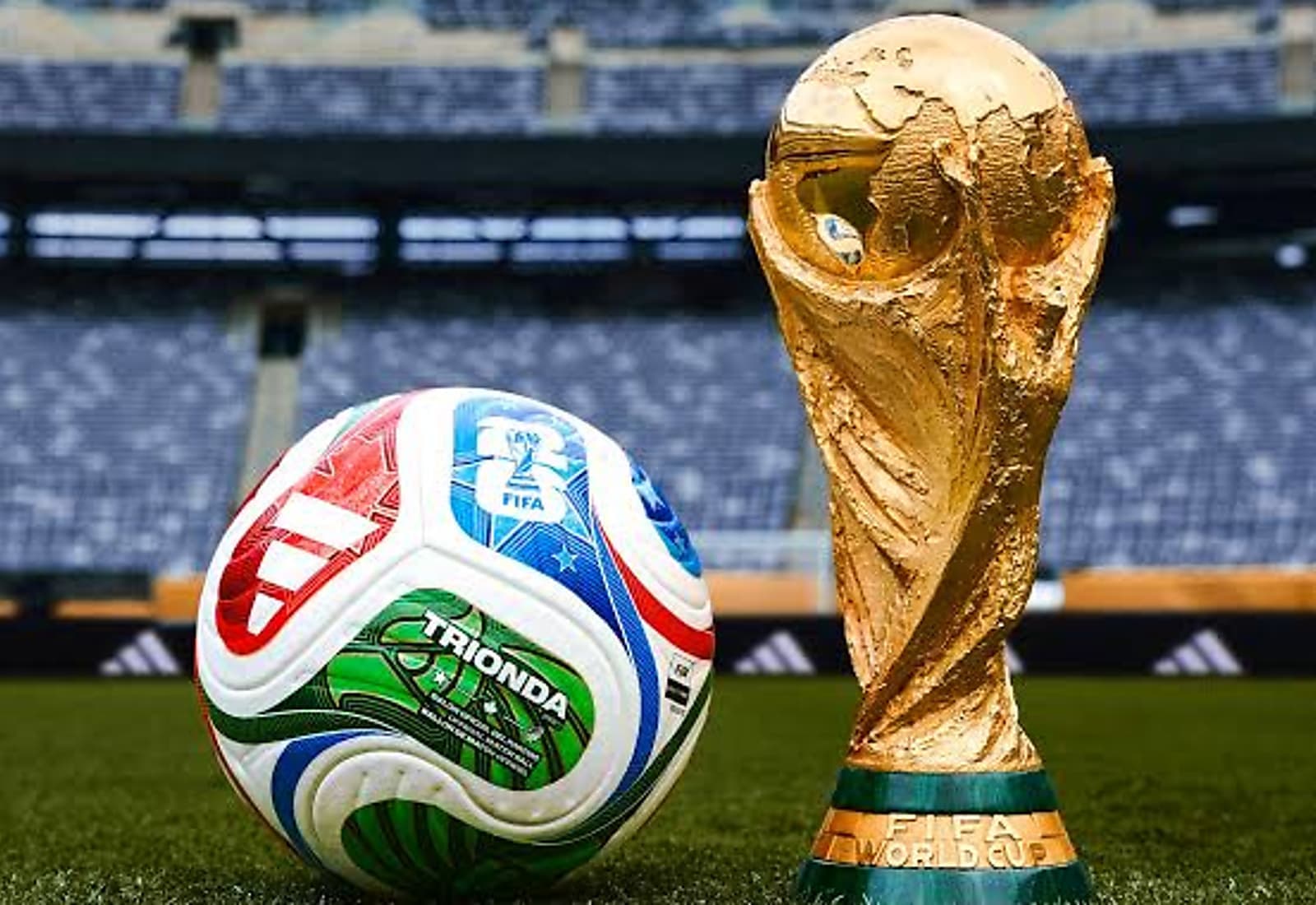
According to a Leadership report summarising FIFA's confirmed list, the 2026 FIFA World Cup has brought together 1,248 players across 48 national teams, making it the largest collection of finalists in the tournament's history. That headline is more than a big number. It captures the scale of football's new era, where the World Cup is no longer only expanding in geography and commercial ambition, but also in who gets seen, selected and remembered.
For Nigerian readers, that matters even if the story is not centred on the Super Eagles. The size of the tournament affects how football talent is valued, how broadcasters package the competition, how fans consume it and how younger players across Africa imagine their route to the top. Expanded squads do not simply create more names on paper. They change the opportunity structure of the sport.
Why this story matters
The World Cup remains football's most powerful stage. Every change to its structure eventually shapes player development, sponsorship, scouting, audience behaviour and national football ambition. So when FIFA confirms a record number of players for a 48-team edition, it is not only announcing logistics. It is revealing how much the tournament has changed.
That matters because bigger tournaments create bigger narratives. More teams mean more nations can feel represented. Larger squads mean coaches can include more specialists, more backups and more emerging talent. For countries outside the final 48, the expansion still affects expectations. It changes what qualification can look like next time and what kind of preparation national federations may need if they want to compete seriously.
Context and background
The 2026 competition is the first men's World Cup to feature 48 teams rather than 32. That expansion alone would have made this edition historically significant. But the scale becomes clearer when viewed through the squads themselves.
Leadership reported that FIFA confirmed final squad lists containing 1,248 players in total. The article also highlighted the wide generational spread within those rosters, from older veterans still trusted on the biggest stage to teenage players entering the tournament for the first time. That mix tells its own story about where world football is heading. The tournament is getting broader, but it is also becoming more layered, with experience and youth sharing more space inside the same global event.
The expanded format also helps explain why the composition of the tournament feels different. New nations have reached the finals. More clubs from more countries are represented. The World Cup is still elite, but it is less concentrated than in previous editions.
What happened
According to Leadership's summary of FIFA's confirmation, the tournament's final lists include 48 national teams and a total of 1,248 players. The report noted that hundreds of those players are making their World Cup debuts, while many established names are returning for another attempt at history.
The same report described an unusually broad age range, with teenagers and players in their forties included in the final pool. It also highlighted the presence of nations making their World Cup debuts, showing that the expanded tournament has altered who gets access to football's highest stage.
That combination of breadth, age diversity and first-time representation is what makes the squad announcement more important than a routine administrative update. It tells us how the World Cup is changing before a ball is even kicked.
Why bigger squads change the football story
Larger or fuller final lists matter because they widen a coach's margin for planning. At this level, one extra selection can shape a tournament. It can mean another goalkeeper, another versatile defender, another injury replacement option or another young attacker trusted to change a match from the bench.
Even more importantly, larger final pools change the psychology of national-team football. More players stay involved longer in the build-up. More clubs have a stake in the tournament. More domestic audiences have a reason to pay attention to their local representatives.
That helps explain why the 1,248-player figure matters beyond trivia. It reflects a broader football ecosystem. Players do not arrive at the World Cup alone. They bring club narratives, commercial attention, national expectation and future transfer value with them.
Nigerian relevance, even beyond qualification debates
This is where the story becomes especially useful for Nigerian readers. A World Cup of this size affects Nigeria whether or not the country is directly at the centre of the current edition.
First, it changes how African football is seen. When more nations from the continent, or from historically under-represented parts of the football world, reach the finals, it becomes harder to treat the World Cup as a closed conversation dominated by a small set of traditional powers.
Second, it affects aspiration. Young Nigerian players, coaches and academy operators can look at an expanded tournament and see more pathways, more roles and more examples of how international squads are built.
Third, it affects media and business. Broadcasters, fan communities, sports bars, betting platforms and content creators in Nigeria all respond to the scale of the World Cup. A broader tournament means more storylines to package, more diaspora angles to follow and more nations that can attract local curiosity.
Fourth, it sharpens the question of what Nigeria must do to stay competitive. Expansion can create openings, but it can also expose countries that are not organised enough to take advantage of them. Bigger access does not automatically produce better outcomes.
Deeper analysis: what this expansion really tells us
The temptation is to read the enlarged squads as simple proof that football is growing. That is partly true, but the deeper lesson is that football is becoming less concentrated. More countries are finding ways to reach the finals. More clubs outside the traditional elite are represented. More players with different development paths are appearing on the same stage.
That diversification can be healthy. It gives the tournament more texture and makes it easier for new football cultures to gain visibility. It can also deepen global interest by making the World Cup feel less predictable and less controlled by the same names every cycle.
But expansion also raises a harder question: what do nations do with the opportunity? A bigger tournament creates room, but it does not guarantee quality planning. Federations still need scouting structures, coaching continuity, youth development and administrative competence. Without those, format expansion becomes symbolic rather than transformative.
For Nigeria, that is the real takeaway. The size of the 2026 World Cup should not only be admired. It should be studied. Which countries broke through? What kind of long-term planning got them there? How did they use player development, federation stability and coaching identity to turn possibility into qualification?
That is the kind of reading that turns a global sports story into something more useful for home audiences.
What to watch next
The first thing to watch is performance, not just participation. It is one thing for the tournament to include more nations and more debutants. It is another for those teams and players to show that they belong at this level competitively.
The second thing to watch is how coaches use their options. Larger squads can encourage flexibility, but they can also create selection dilemmas. Which managers use depth well? Which teams trust youth intelligently? Which federations appear most prepared for the physical and emotional demands of a longer, broader tournament?
The third thing to watch is what the expanded model means for the next cycle. Countries that fall short this time will analyse the new qualification landscape closely. For Nigerian football observers, the question is not only how this World Cup unfolds. It is what lessons can be drawn now for the next attempt to reach football's biggest stage.
Final takeaway
The 2026 World Cup's record 1,248-player field matters because it shows football's biggest event getting wider in every sense: more teams, more stories, more first-timers and more pressure on federations to be organised enough to seize opportunity.
For Nigerians, this is not a distant administrative detail. It is a useful window into how international football is evolving and what serious football nations must do to keep up. Bigger tournaments change who gets included, but they also raise the standard for preparation.
That is why the squad announcement deserves more than a passing glance. It is an early map of where the game is going and a reminder that in modern football, opportunity expands fastest for countries ready to use it well.
Continue reading
- Eberechi Eze Shrugs Off Critics as Arsenal Targets Champions League Glory
- Nigerian Women Win Serie A Title with AS Roma
- Champions League Title Race Update: Key Contenders Revealed
No comments yet. Be the first to spark the conversation.